Introduction to Cleaning Weighted Blankets Without Machines
Weighted blankets offer comfort and better sleep, but cleaning them can be tricky. Many people do not want to use a washing machine due to the blanket’s weight and fabric. Knowing how to clean weighted blanket without machine is important to keep it fresh and healthy. This article explains safe and easy methods to clean your blanket at home without risking damage.
Before starting any cleaning, always check the fabric care label. Different weighted blanket fabric types need special care. For a deeper understanding of this mechanic, analyzing resources on weighted blanket washing alternatives provides excellent foundational context.
Also, knowing about the weighted blanket filling helps. Some fillings like glass beads or plastic pellets do not absorb water like cotton or flax. This affects the cleaning method chosen.
Hand Washing Your Weighted Blanket Safely
Hand washing is a top choice for cleaning weighted blankets without a machine. Use warm water with mild laundry detergent. Avoid fabric softener as it can harm the blanket’s fibers and filling. Fill a large tub or bathtub with water enough to soak the blanket.
Gently submerge the blanket and move it around slowly. Avoid wringing or twisting to protect the filling. Let it soak for 10 to 15 minutes. Then, drain the water and rinse with fresh water until no soap remains.
Use a laundry basket to lift the blanket out. Press it gently to remove excess water but do not wring. Lay it flat on a clean, dry surface to air dry. This method is effective for many weighted blanket fabric types like cotton or polyester blends.
Spot Cleaning: Quick Fix for Stains and Spots
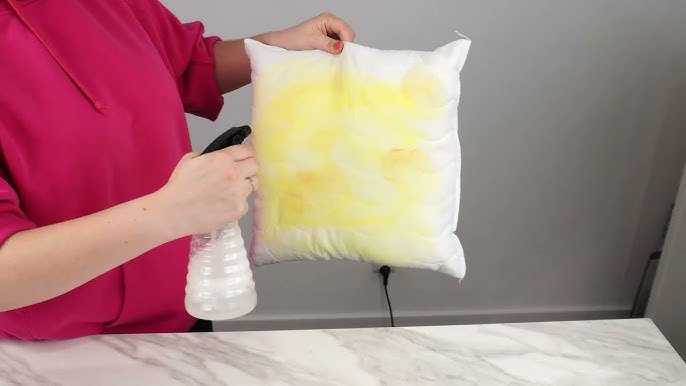
Spot clean weighted blanket stains with a mild stain remover or a mixture of water and gentle detergent. Apply a small amount to the stain using a cleaning mitt or soft cloth. Gently blot the stain without rubbing harshly. Rinse with a damp cloth to remove residue.
Dry the spot by air drying or using a fan to speed up the process. Spot clean weighted blanket areas as soon as you notice surface stains. This helps keep the blanket fresh and extends its life.
Spot cleaning is a simple solution when the entire blanket does not need washing. It also helps in weighted blanket stain removal without the hassle of full cleaning.
Natural Ways to Freshen and Deodorize Weighted Blankets
Weighted blankets can hold odors from sweat or pets. To remove odors weighted blankets naturally, sprinkle baking soda over the fabric. Let it sit for a few hours or overnight. Then shake or vacuum off the baking soda to remove dust and smells.
Another way to freshen weighted blankets is to air them out. Hang the blanket outside on a sunny, breezy day. Sunlight helps sanitize weighted blankets by killing bacteria naturally. Airing also reduces dust and allergens.

For a gentle deodorize method, lightly spray a solution of diluted ethyl alcohol mixed with water. This disinfects and removes odors. Avoid soaking the blanket with sprays.
When to Choose Dry Cleaning for Weighted Blankets
Some weighted blankets have delicate fabrics or fillings that need professional care. Dry cleaning weighted blanket services can clean without water damage. It is often best for blankets with silk, wool, or other sensitive materials.
Check the fabric care label for dry cleaning recommendations. If unsure, consult a dry cleaner about your blanket’s fabric type and filling. Dry cleaning can also sanitize weighted blankets and remove tough stains safely.
This method avoids the risk of damage from home washing and drying. Yet, dry cleaning may be more costly and not always needed for all blankets.
How to Air Dry Weighted Blankets Without a Dryer
Drying weighted blankets without a dryer requires care. Lay the blanket flat on a clean surface or a drying rack. This supports the weight and keeps the filling evenly spread. Avoid hanging it by one edge to prevent stretching or filling clumping.
Choose a well-ventilated area to help air circulation. Sunlight can speed drying and help sanitize. Turn the blanket occasionally to dry evenly on all sides.
Avoid using heat sources like radiators or heaters, which may damage fabric or filling. Air drying is the safest way to dry weighted blanket safely and maintain its shape.
Weighted Blanket Fabric Care Tips for Longevity
Proper fabric care is key to keeping weighted blankets in good shape. Always read the fabric care label before cleaning. Different fabrics like cotton, fleece, or bamboo blends have unique needs.
Washing or cleaning weighted blanket using harsh detergents or fabric softeners can wear out fibers. Use mild laundry detergent and avoid bleach unless the label says it is safe.
Regularly dust weighted blankets with a soft brush or vacuum using a gentle attachment. This helps with weighted blanket dust removal and keeps the fabric fresh between washes.

Cleaning Hacks to Maintain Weighted Blankets at Home
Here are some simple cleaning hacks for weighted blanket maintenance:
- ✅ Use a cleaning spray made for delicate fabrics to quickly freshen the blanket.
- ✅ Protect the blanket with a removable cover that can be machine washed often.
- ✅ For small spills, blot immediately with a damp cloth to prevent stains.
- ✅ Store the blanket in a cool, dry place to avoid mildew or odor buildup.
These tips keep your blanket clean longer and reduce the need for deep washes that can wear it out.
For those who want to avoid machine washing their blankets, learning how to clean washing machine Reddit threads can offer ideas for alternative cleaning methods and maintenance.
Comparison of Cleaning Methods for Weighted Blankets
Choosing the right cleaning method depends on the fabric, filling, and your available tools. Below is a table comparing key methods.
| Cleaning Method | Best For | Pros | Cons |
|---|---|---|---|
| Hand Washing | Most fabrics and fillings | Gentle, no machine needed, controls water use | Time-consuming, needs space |
| Spot Cleaning | Small stains, light dirt | Quick, minimal water, preserves fabric | Does not clean entire blanket |
| Dry Cleaning | Delicate fabrics like silk or wool | Professional care, no water damage | Costly, chemical use |
Choosing the right approach helps keep your blanket clean and safe. Always follow care label advice.
Conclusion: Caring for Your Weighted Blanket Without a Machine
Cleaning a weighted blanket without a washing machine is possible with safe and smart methods. Hand washing, spot cleaning, natural deodorizing, and dry cleaning are good options depending on fabric and filling.
Regular maintenance like airing out and dust removal keeps your blanket fresh longer. Air drying is key to preserving its shape and filling quality. Always check fabric care labels and avoid harsh chemicals.
By following these tips, your weighted blanket will stay clean, comfy, and long-lasting. For more on household cleaning, exploring guides on cleaning Taylor ice cream machine or how much bleach to clean washing machine can expand your cleaning skills.
Frequently Asked Questions
Can I hand wash a weighted blanket safely?
Yes, hand washing is a safe method for many weighted blankets. Use mild detergent and warm water, and avoid soaking the filling.
How can I remove odors from a weighted blanket without a machine?
You can deodorize naturally by airing it outside, using baking soda, or applying a light spray of diluted ethyl alcohol.
Is dry cleaning recommended for weighted blankets?
Some weighted blankets allow dry cleaning, especially those with delicate fabrics. Always check the care label before choosing this method.
What is the best way to spot clean a weighted blanket?
Use a soft cleaning mitt or cloth with mild detergent on the stained area. Gently blot and rinse with a damp cloth, then air dry.
How do I dry a weighted blanket without a dryer?
Lay the blanket flat on a clean surface or hang it in a well-ventilated area. Air drying prevents damage to the filling and fabric.

Michael Peterson is a home appliance writer focused on practical washing machine care, maintenance, and troubleshooting. He shares simple, reliable tips to help readers keep their washing machines running efficiently, avoid common problems, and extend appliance life.