Understanding Mildew in Washing Machines
Mildew growth inside washing machines is a common problem. It happens when moisture stays trapped inside the drum or gasket seal. Detergent residue and fabric softener build-up also cause mildew to form. Front load washers are more prone because their silicone seal traps water.
Knowing why mildew forms helps with prevention. Laundry room humidity and washing machine water buildup create a perfect spot for fungal growth. Mildew can cause a bad smell in your washer and even health risks if left untreated.
Industry consensus indicates regular washing machine maintenance is key to mildew control. For a deeper understanding of this mechanic, analyzing resources on washing machine mold removal provides excellent foundational context.
How To Remove Mold From Washer Drum
The drum is often where mold hides. Cleaning it regularly stops mold spores from spreading. First, run a hot water cycle with no clothes and add a washing machine cleaner or a cup of bleach. This kills most mold inside the drum.
After the cycle, wipe the drum with a clean cloth soaked in vinegar. Vinegar for washer mold works well to remove smells and residues. Avoid mixing bleach and vinegar directly, as this can cause harmful fumes.
Clean Washing Machine Gasket
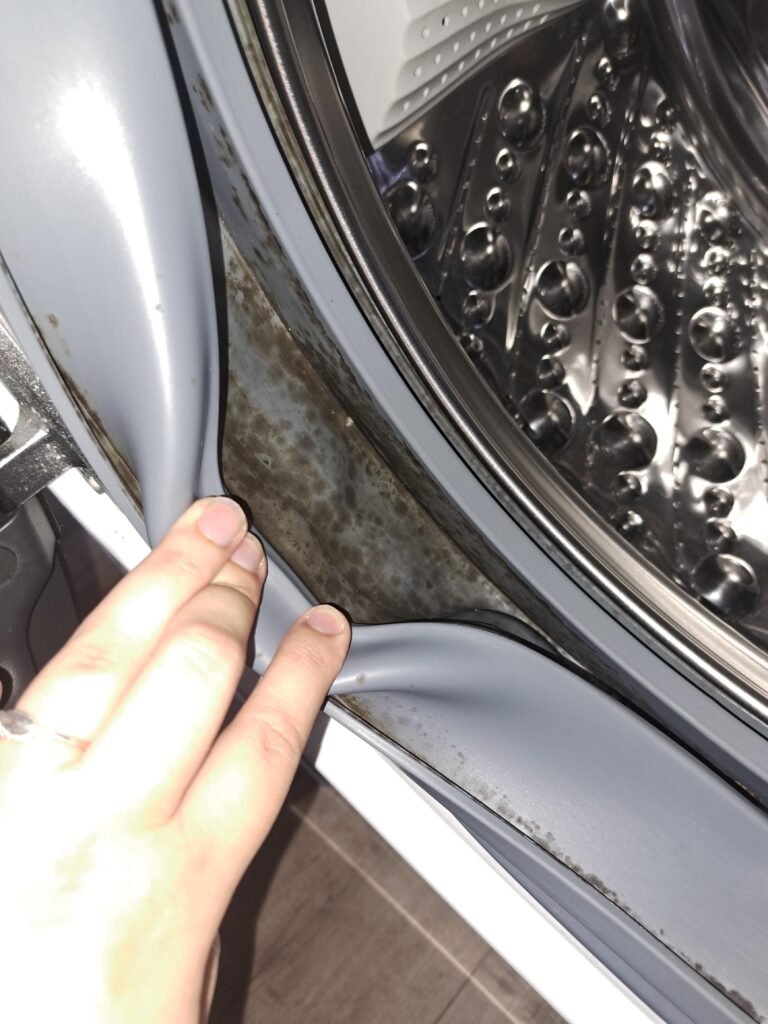
The gasket seal on front load washers collects water and debris. Mold grows easily here. Open the door and pull back the gasket to check for black mold spots. Use a cloth with a mix of water and bleach or a commercial mildew cleaner washing machine to scrub the seal.
Make sure to dry the gasket well. Leaving it wet encourages mildew growth. For detailed cleaning advice, see our guide on how to clean front loader washing machine rubber seal.
:max_bytes(150000):strip_icc()/how-to-clean-mold-out-of-a-washing-machine-5207463-hero-a6d288e8b083441bbb064a5c0e03a9e8.jpg "How to Clean Mold Out of a Washing Machine (Figure)")
Prevent mold by leaving the door open after use to air dry the gasket and drum.
Top Load Washer Mildew Cleaning
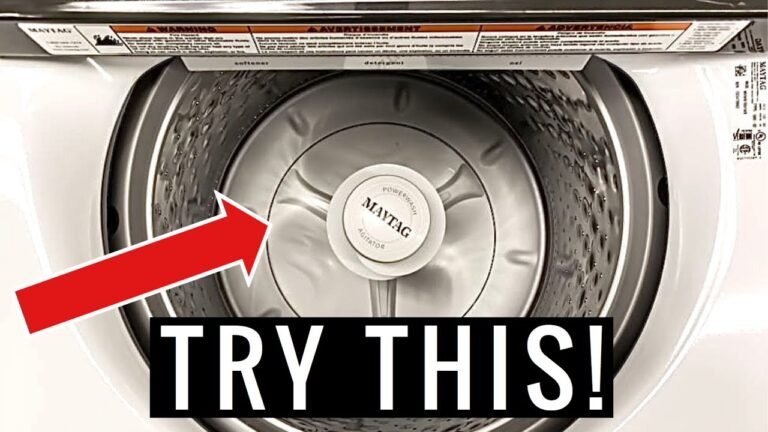
Top load washers usually have less mold problems but can still face mildew smell in washer issues. Mold often grows in the detergent dispenser or inside the agitator.
Remove and clean the detergent drawer with warm water and vinegar. For agitators, check for trapped dirt or residue. Running a hot water cycle with bleach helps kill mold inside the machine.
Regular cleaning is essential. For more tips, visit our article on how to clean inside washing machine agitator.
Washing Machine Cleaning Tips
Cleaning your washing machine regularly prevents mildew and odors. Use a hot water cycle with cleaning agents like bleach or commercial washers cleaners monthly. Wipe down all seals, dispensers, and drum surfaces after each use.
Keep your laundry room dry and well-ventilated. Using a dehumidifier helps reduce laundry room humidity. Always clean the washing machine filter and drain pump filter to stop mold growth in hidden areas.
✅ Checklist to prevent mold growth in washer:

- ✅ Leave the door open after use
- ✅ Run monthly hot water cleaning cycles
- ✅ Clean gasket and detergent drawers
- ✅ Wipe moisture from seals
- ✅ Keep laundry room dry
Best Mildew Cleaners for Washing Machines
Choosing the right cleaner is vital. Vinegar is natural and safe for most parts. Bleach is strong but can damage rubber seals if overused. Commercial mildew cleaners washer are designed for washing machines and remove mold safely.
Here is a comparison of common cleaning agents:
| Cleaner | Effectiveness | Safe on Seals | Odor Removal |
|---|---|---|---|
| Vinegar | Moderate | Yes | Good |
| Bleach | High | Use Sparingly | Excellent |
| Commercial Cleaner | High | Yes | Excellent |
Always follow product instructions for best results and safety.
Laundry Room Mildew Prevention
Stopping mold before it starts is easier than deep cleaning. Keep your laundry room dry and cool. Avoid stacking wet clothes in the washer for long periods. Regularly clean vents and filters to ensure good airflow.
Use moisture absorbers or small fans to lower humidity. Also, check your washing machine water buildup as standing water promotes fungal growth. Proper maintenance can prevent costly repairs and health hazards.

Washing Machine Maintenance for Mold Prevention
Maintenance includes cleaning filters, checking hoses, and inspecting seals. A clogged or dirty washing machine filter traps dirt and mold spores. Clean the filter regularly to keep water flowing and reduce odor.
Inspect the drain pump filter as well, especially in front load washers. Replace worn gaskets and seals promptly to avoid leaks and mold buildup. These steps extend your machine’s life and keep laundry fresh.
⚖️ Pros and Cons of Regular Washing Machine Maintenance:
| Pros | Cons |
|---|---|
| Prevents mold and odors | Requires time and effort |
| Extends machine life | May need professional help for repairs |
| Improves washing efficiency | Costs for cleaning agents |
Following these tips is a smart choice for any household.
Conclusion and Expert Insight
Cleaning mildew from washing machines is vital for health and machine care. Mildew forms from moisture, detergent residue, and poor airflow. Both top load and front load washers need regular cleaning to stop mold.
Experts advise monthly hot water cleaning cycles with bleach or commercial cleaners. Wiping down seals and leaving the door open dries the machine and prevents fungal growth. Maintaining filters and keeping the laundry room dry also help prevent mold.
⭐ Expert Insight: Regular upkeep of your washing machine is the best defense against mildew. Using natural cleaners like vinegar combined with occasional bleach treatments balances safety and effectiveness.
For more detailed cleaning methods and maintenance tips, explore our guide on how to clean my front loader washing machine. This offers step-by-step advice tailored to common washer types and mold issues.
Implementing these strategies ensures your washing machine stays fresh, safe, and working well through 2026 and beyond.
Frequently Asked Questions
What causes mildew in washing machines?
Mildew grows in washing machines due to leftover moisture, detergent residue, and poor air flow, creating a damp environment ideal for mold spores.
Is bleach safe to use for washing machine mold removal?
Yes, bleach can effectively remove mildew but should be used carefully and diluted properly to avoid damage to seals and finishes.
How often should I clean my washing machine to prevent mildew?
Industry experts recommend cleaning your washing machine once a month to prevent mold growth and odors.
Can vinegar remove mildew smell from a washing machine?
Vinegar is a natural cleaner that helps remove mildew odors and some mold, but for heavy buildup, commercial cleaners or bleach may be needed.
Does front load or top load washing machine mold more?
Front load washers tend to develop more mold due to their gasket seals and lower water levels, but both types need regular cleaning to prevent mildew.

Michael Peterson is a home appliance writer focused on practical washing machine care, maintenance, and troubleshooting. He shares simple, reliable tips to help readers keep their washing machines running efficiently, avoid common problems, and extend appliance life.