Why Clean Your ResMed CPAP Machine?
In our experience, keeping your ResMed CPAP machine clean is key to good health. Dirty parts can grow bacteria and mold. This can cause illness or skin problems. Cleaning also helps the machine last longer. It keeps your therapy working well night after night.
We have seen that regular cleaning stops bad smells and keeps the mask fresh. It is simple once you know the right steps. Let’s talk about how to clean your ResMed CPAP machine safely and clearly.
Remember, the user manual has good tips. But we will share what works best from real use, so you get the most from your device.
CPAP Machine Daily Cleaning
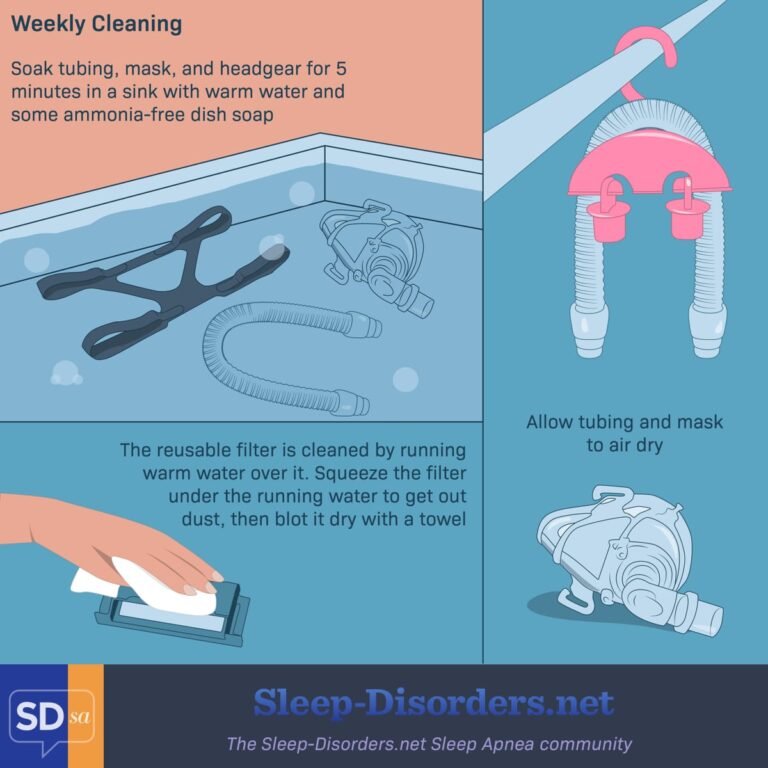
We clean the mask, hose, and water chamber every day. This stops germs from building up. Start by taking off the mask cushions and headgear gently. Wash the mask parts with warm water and mild soap. Avoid strong cleaners that can damage the soft parts.
Next, rinse the hose with water. You can soak it in a solution of soap and water or white vinegar diluted with water. This helps remove dirt and kills germs. Then rinse well and hang it up to dry.
The water chamber should be emptied daily. Rinse it with warm water and soap, then let it air dry. We never use bleach or harsh chemicals here. This keeps the plastic safe and clean.
For more details, you can visit ResMed CPAP cleaning instructions.
CPAP Machine Deep Cleaning Steps
Once a week, we do a deeper clean. This includes all parts plus the filter and device surface. Remove the filter and replace it if it looks dirty. You should change disposable filters every 1 to 3 months.
For the mask cushions, soak them in warm soapy water for at least 30 minutes. Rinse well and air dry. Use a soft cloth to wipe the outside of the machine. Do not let water enter the machine vents.
We also clean the humidifier chamber with a mix of one part white vinegar and three parts water. Soak for 30 minutes. This stops mineral build-up and mold. Then rinse well and dry.
Always let all parts dry fully before putting them back together. Moisture can cause mold growth inside the device.
Here is a quick guide table for your weekly cleaning:
| Part | Cleaning Method | Frequency |
|---|---|---|
| Mask cushions | Soak in warm soapy water, rinse | Weekly |
| CPAP hose | Soak in diluted vinegar, rinse | Weekly |
| Water chamber | Soak in vinegar solution, rinse | Weekly |
| Filter | Replace disposable filter | 1-3 months |
| Machine surface | Wipe with damp cloth | Weekly |
CPAP Mask Maintenance Tips
In our experience, the mask is the most delicate part. The cushions can wear out quickly if not cared for. Clean them gently with mild soap and water every day. Avoid using alcohol or bleach.
Check the mask cushions often for cracks or hardening. Replace them as needed to keep a good seal. Clean the headgear weekly by hand washing it with soap and water. Dry it flat away from heat.
Cleaning the mask cushions helps stop skin irritation and keeps your therapy comfortable.
How to Clean CPAP Hose
The CPAP hose can trap moisture and germs. We clean ours every day by rinsing with warm water. Weekly, we soak it in a mix of one part white vinegar and three parts water for 30 minutes. This kills bacteria and stops mold.
After soaking, rinse the hose well. Hang it on a drying rack so air flows inside. Make sure it is dry before use to avoid mold growth.
Never use hot water or harsh chemicals. These can damage the hose and cause leaks.
CPAP Humidifier Cleaning Tips
The humidifier chamber needs care to stop mineral build-up. After emptying the water each morning, rinse the chamber with warm soapy water. Once a week, soak it in a vinegar solution for 30 minutes.
We use distilled water in the chamber. This helps reduce minerals and keeps the humidifier clean longer. Always dry the chamber fully before use.
Cleaning the humidifier is key to preventing mold and bad smells in your CPAP machine.
CPAP Filter Replacement Guide
Filters keep dust and dirt out of your machine. ResMed machines usually have disposable foam filters. Replace them every 1 to 3 months or if they look dirty.
Reusable filters should be washed gently with water and dried fully before reuse. Never use harsh soaps or sprays on filters.
Check your user manual for the exact filter type and replacement steps. Clean filters help your machine run well and keep air clean.
Below is a table showing filter types and care:
| Filter Type | Care | Replacement Time |
|---|---|---|
| Disposable foam | Replace when dirty | 1-3 months |
| Reusable | Wash with water, air dry | As needed |
How to Dry CPAP Components
Drying CPAP parts properly is as important as cleaning. We always air dry parts on a clean drying rack. This lets air flow around and inside the parts.
:max_bytes(150000):strip_icc()/how-to-clean-cpap-3015322-v1-5c1ac1cc46e0fb0001e27563.png "Clean a CPAP Machine: A How-To Guide (Figure)")
Avoid using heat like hair dryers or direct sunlight. Heat can deform mask cushions and hose. Make sure all parts are dry before assembly to stop mold growth.
Pat dry with a lint-free cloth if you want to speed drying, but never rub hard.
CPAP Device Mold Prevention Tips
Mold grows when parts stay wet too long. To prevent this, empty water chambers daily and dry all parts after cleaning. Use distilled water in the humidifier to cut down on minerals.
Clean your machine often and replace parts on schedule. Good airflow when drying helps stop mold. If you see mold, clean parts with vinegar solution and replace if needed.
We found that keeping a cleaning schedule and using a drying rack reduces mold risk a lot.
Best CPAP Cleaning Solutions in 2026
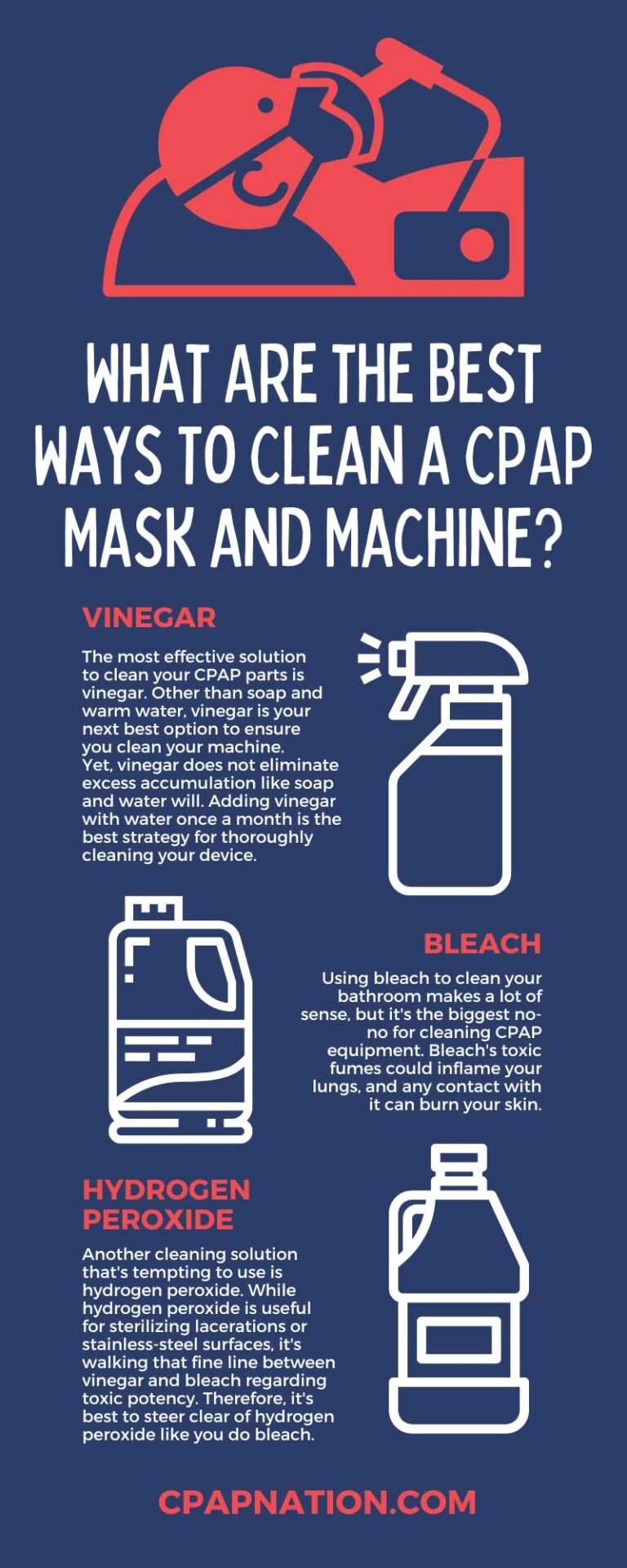
For cleaning, mild soap and water work best. Use baby shampoo or gentle dish soap without fragrance. White vinegar diluted with water is great for disinfecting without harsh chemicals.
In 2026, some CPAP sanitizers using UV light are popular. They can help reduce germs but should not replace daily washing. Use these devices as an extra step for hygiene.
We recommend avoiding alcohol, bleach, or strong sprays. They can damage masks and hoses.
Cleaning ResMed AirSense 10
The ResMed AirSense 10 is a popular CPAP machine. Its cleaning steps are like other ResMed models. Clean the mask, hose, and water chamber daily. Wipe the machine surface weekly with a damp cloth.
Remove and replace the filter regularly. Make sure to follow the user manual for your model. Keep the humidifier clean using vinegar soak once a week.
Pay special care to the mask cushions and hose to keep your therapy smooth and fresh.
For detailed guidance, ResMed shares how to clean your CPAP machine – all you need to know.
CPAP Equipment Maintenance Schedule
Sticking to a cleaning and replacement schedule keeps your CPAP working well. We keep a calendar to remind us when to clean and change parts.
Daily: Wash mask, hose, and water chamber with soap and water.
Weekly: Deep clean all parts, soak humidifier chamber in vinegar, wipe machine surface.
Monthly: Check and replace filters if needed.
Every 3-6 months: Replace mask cushions and headgear if worn.
Here is a simple checklist to follow:
| Task | Frequency | Notes |
|---|---|---|
| Mask and hose washing | Daily | Use warm soapy water |
| Humidifier vinegar soak | Weekly | One part vinegar to three parts water |
| Filter replacement | 1-3 months | Check filter condition regularly |
| Mask cushions/headgear | 3-6 months | Replace if cracked or worn |
| Machine surface wipe | Weekly | Use damp cloth, no water inside |
Final Tips for Sanitizing CPAP Devices
We have found that cleaning your CPAP machine well helps avoid health problems and keeps therapy effective. Use gentle cleaning solutions and dry parts well. Follow the maintenance schedule to keep your machine in top shape.
If you want extra cleaning, CPAP sanitizer devices with UV light can be helpful. But never skip daily washing and drying. This routine keeps your ResMed CPAP machine safe and fresh every night.
For more expert advice, see the best CPAP cleaning practices from Mayo Clinic.
Frequently Asked Questions
How often should I clean my ResMed CPAP machine parts?
You should clean your CPAP mask, hose, and humidifier chamber daily, and perform a deep clean weekly to maintain hygiene and prevent mold.
Can I use vinegar to clean my CPAP tubing?
Yes, a diluted white vinegar solution helps disinfect the CPAP hose. Use one part vinegar to three parts water, soak for 30 minutes, then rinse well and air dry.
What is the best way to dry CPAP components?
Air drying on a clean drying rack is best. Avoid direct sunlight or heat, which can damage parts. Make sure all parts are completely dry before use.
How do I replace the CPAP filter in a ResMed machine?
Replace the disposable filter every 1 to 3 months or sooner if dirty. Check your user manual for exact steps and use only approved filters.
Are CPAP sanitizer devices effective?
CPAP sanitizers can help reduce germs and mold but should be used alongside regular cleaning. They are not a substitute for daily washing and proper maintenance.

Michael Peterson is a home appliance writer focused on practical washing machine care, maintenance, and troubleshooting. He shares simple, reliable tips to help readers keep their washing machines running efficiently, avoid common problems, and extend appliance life.