Understanding Washing Machine Odors
Washing machine odors often come from mold growth and detergent residue inside the drum and gasket. Front-loading washing machines are more prone to mildew odor due to their rubber door seal. This can trap moisture. Poor water drainage or a clogged drain pump also causes smells to build up over time.
To effectively clean washing machine smell, you must target these odor causes. Maintenance is key to prevent future smells. For more on cleaning specific parts, see our guide on cleaning front load washing machine rubber seal.
Industry consensus indicates regular cleaning cycles and proper drying prevent microbial contamination and bad smells.
Simple Washing Machine Odor Removal Steps
Start by running a hot water cleaning cycle with natural cleaners. Add 2 cups of vinegar to the drum and run the hottest cycle. Vinegar rinse kills mold and breaks down fabric softener buildup. Then sprinkle half a cup of baking soda inside and run another hot cycle. The baking soda scrub deodorizes and removes leftover grime.
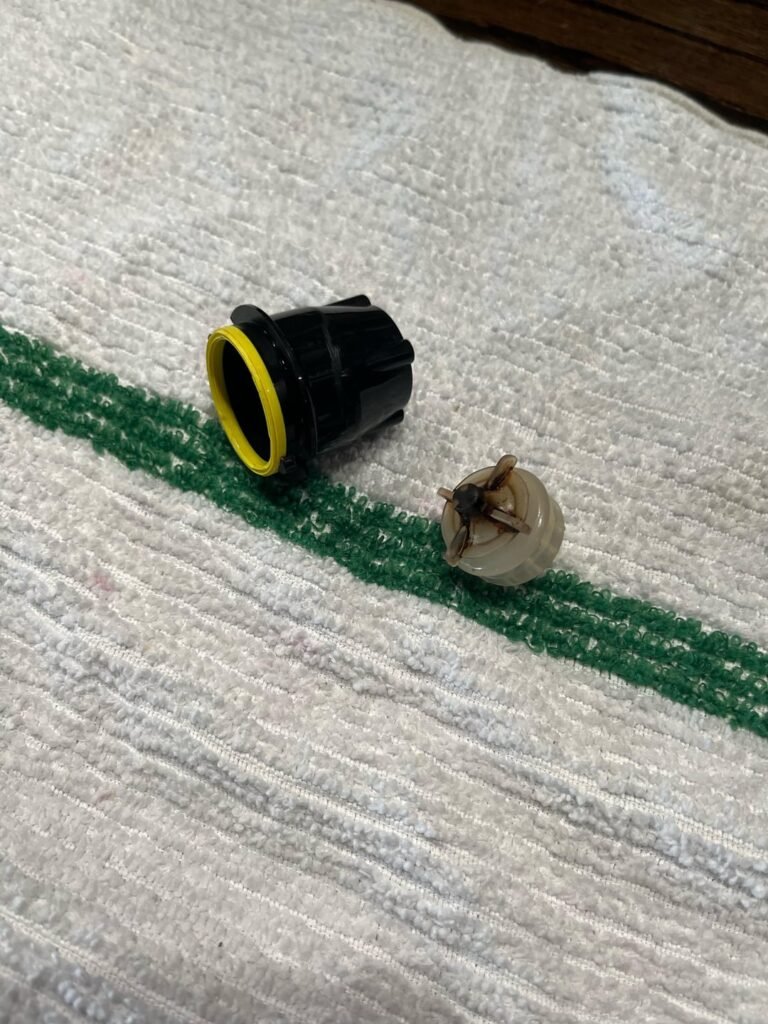
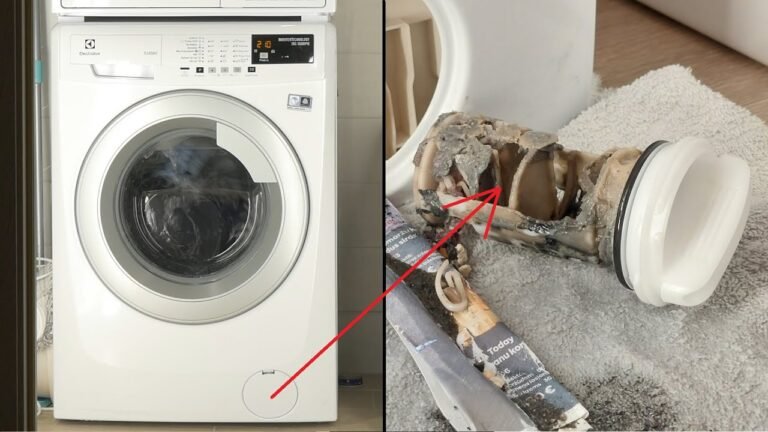
Next, wipe the washing machine gasket mold and rubber door seal with a bleach solution or vinegar. Dry it well to avoid moisture buildup. Also, check and clean the washing machine filter trap and drain pump to improve water drainage and reduce odors.
For detailed steps on cleaning machine parts, visit our article on how to clean filter in top loader washing machine.
Deep Cleaning Mold and Mildew from Washer
Mold and mildew odor come from trapped water inside the rubber door seal or washing machine gasket mold areas. Use a commercial washing machine cleaner or make a bleach solution (1 part bleach to 10 parts water) to scrub these areas carefully. Always wear gloves and ventilate the room.
After scrubbing, run a cleaning cycle with hot water and a commercial cleaner or vinegar. This process sanitizes the drum and kills stubborn microbes. Cleaning the washing machine drain hose is also important as clogs here cause water drainage issues leading to odors.
For a step-by-step guide on cleaning drains, check out how to clean out washing machine drain.
| Cleaning Area | Recommended Cleaner | Cleaning Frequency |
|---|---|---|
| Washing Machine Drum | Vinegar and Baking Soda | Monthly |
| Rubber Door Seal/Gasket | Bleach Solution or Commercial Cleaner | Every 2 Months |
| Filter Trap and Drain Pump | Manual Cleaning | Quarterly |
Regular attention to these areas ensures your washer stays fresh and lasts longer.
Washing Machine Maintenance Tips to Prevent Smells
Simple daily habits help prevent washing machine smells. Always use the right amount of laundry detergent and avoid fabric softener buildup. After each wash, leave the door open for air drying. Clean the detergent dispenser regularly to stop residue buildup.

Also, run a monthly hot water cleaning cycle with natural washing machine cleaner or commercial products. Check and clean the filter trap and drain hose to keep water flowing freely. These washing machine maintenance tips reduce mold and mildew odor risks.
Learn more about detergent dispenser care from our in-depth guide on how to clean detergent dispenser in washing machine.
- ✅ Use recommended detergent amounts
- ✅ Leave door open after use
- ✅ Run monthly cleaning cycles
- ✅ Clean detergent dispenser regularly
- ✅ Check and clean filter and drain hose quarterly
Natural vs Commercial Washing Machine Cleaners
Natural cleaners like vinegar and baking soda are safe, cheap. And effective. Vinegar removes detergent residue and kills bacteria. Baking soda scrubs away odors and grime. Together, they deodorize front load washers naturally.
Commercial washing machine cleaners are stronger and work faster on tough mold growth and fabric softener buildup. Use them occasionally for deep mold remediation or persistent odors. Always follow product instructions carefully.
Balancing natural and commercial options ensures your washing machine stays fresh without harsh chemicals.
| Cleaner Type | Pros | Cons |
|---|---|---|
| Natural (Vinegar & Baking Soda) | Safe, Affordable, Eco-friendly | May require multiple uses for tough stains |
| Commercial Cleaners | Strong, Fast Results | Can be harsh, More expensive |
For a deeper understanding of this mechanic, analyzing resources on washing machine odor causes and fixes provides excellent foundational context.
Cleaning Hacks for Front-Load and Top-Load Washers
Front-loading washing machines need special care for the rubber door seal where mold thrives. Clean the gasket mold with a vinegar rinse and dry it well. Also, wipe down the detergent dispenser to remove buildup.
Top-loading washing machines can trap dirt under the agitator. Use a baking soda scrub and run a hot water cleaning cycle to fix top load washer smell issues. Clean the filter trap and drain regularly for best results.
These hacks save money and extend your washing machine’s life.
| Washing Machine Type | Key Smell Source | Cleaning Focus |
|---|---|---|
| Front-Load Washer | Rubber Door Seal Mold | Clean gasket with vinegar/bleach, dry well |
| Top-Load Washer | Agitator & Filter Trap | Baking soda scrub, clean filter and drain pump |
Following these steps and tips ensures your laundry smells fresh and your machine runs smoothly for years.
Maintaining a clean washing machine not only keeps your clothes fresh but also improves the machine’s efficiency and lifespan. Incorporate these cleaning and maintenance tips into your routine to avoid odors and costly repairs. For more on keeping washers fresh, see our guide on cleaning washing machine with vinegar.
Frequently Asked Questions
What causes bad smells in washing machines?
Bad smells often come from mold growth, mildew odor, detergent residue, and poor water drainage in the machine.
How often should I clean my washing machine to prevent smells?
Industry experts recommend cleaning your washing machine every 1 to 3 months depending on usage to prevent odor buildup.
Can vinegar and baking soda remove washing machine odors?
Yes, vinegar rinse and baking soda scrub are effective natural washing machine cleaners that deodorize and remove buildup.
How do I clean the rubber door seal on a front-loading washing machine?
Clean the washing machine gasket mold by wiping it with a bleach solution or vinegar rinse and drying it thoroughly.
Are commercial washing machine cleaners better than natural cleaners?
Both work well; commercial cleaners are strong but natural options like vinegar and baking soda are safe and eco-friendly.

Michael Peterson is a home appliance writer focused on practical washing machine care, maintenance, and troubleshooting. He shares simple, reliable tips to help readers keep their washing machines running efficiently, avoid common problems, and extend appliance life.