Understanding Washing Pillows at Home
Many wonder if washing pillows in a washing machine is safe. Pillows can collect allergens like dust mites and mold. Cleaning them well is key to good hygiene. Learning pillow cleaning methods helps keep them fresh without damage.
Industry consensus indicates that most pillows can be washed at home with care. For a deeper understanding of this cleaning process, analyzing resources on washing pillows and their frequency provides excellent foundational context. This article explores safe washing machine use, drying, and care tips for different pillow types.
Machine Wash Pillow Safety
Not all pillows are made the same. Machine wash pillow safety depends on the material. Down and synthetic pillows handle washing better. Memory foam pillows often do not. Using the wrong method can cause damage or clumping.
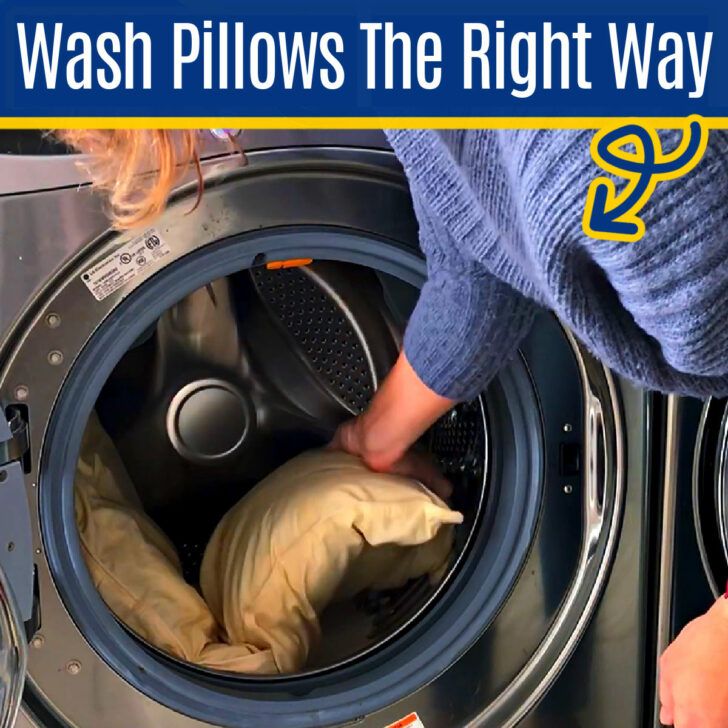
Always check the pillow’s washing instructions. Using a laundry bag protects the pillow and washing machine. Detergent use should be mild and gentle. Avoid fabric softener as it can harm pillow fibers.
⭐ Expert Insight: A low spin speed and warm water help protect pillow shape and fabric. High heat or harsh cycles risk damage or mildew growth.
Best Washing Cycle for Pillows
Choosing the right washing cycle is vital. Gentle or delicate cycles are best for pillows. Use warm water to clean well without harming materials. Hot water can harm some pillow fillings.
Balance the load by washing two pillows at once. This keeps the machine stable and cleans evenly. Use a small amount of mild detergent. Too much detergent may leave residues.
🚀 Beginner Tip: Add extra rinse cycles if possible to remove all soap and allergens.
Drying pillows after wash is just as important as washing. Avoid high heat dryers that may shrink or damage pillows. Instead, use low heat with dryer balls to fluff pillows while drying. Air drying in sunlight can also prevent mold growth.
Down Pillow Washing Instructions
Down pillows are soft and need special care. They can be washed in a machine but gently. Use cold or warm water with mild detergent. Avoid bleach or fabric softener.
Dry down pillows thoroughly. Use low heat and dryer balls to keep the fluff even. It may take several drying cycles to remove all moisture. Improper drying causes mold and odors.
🔢 Numbered Guide:
1. Check care label.
2. Use gentle cycle.
3. Wash two pillows together.
4. Use mild detergent.
5. Dry on low heat with dryer balls.
6. Air dry if possible.
7. Fluff pillows regularly.
Memory Foam Pillow Cleaning
Memory foam pillows require hand washing or spot cleaning. Machine washing damages their structure. Use a mild detergent and lukewarm water to spot clean stains or odors.
After cleaning, air dry memory foam pillows away from direct sun. Keep them dry to prevent mold. Memory foam has water resistance limits, so avoid soaking completely.
For maintenance and hygiene, vacuum pillows regularly to reduce dust and allergens. Use pillow covers that can be machine washed to protect the foam.
Synthetic Pillow Washing Guide
Synthetic pillows are the easiest to wash in machines. They tolerate warm water and gentle cycles well. Use mild detergent and avoid fabric softeners to keep fibers soft.
Spin pillows on low speed to remove water but avoid damage. Dry synthetic pillows in a dryer with low heat and dryer balls. This helps restore fluff and prevents clumping.
✅ Checklist for Synthetic Pillows:
• Use gentle cycle
• Warm water
• Mild detergent
• Low spin speed
• Low heat drying
• Use dryer balls
• Fluff after drying
Drying Pillows After Wash
Drying is critical to pillow care. Wet pillows can grow mold and smell bad. Use a dryer on low heat for best results. Dryer balls help fluff and spread heat evenly.
If no dryer is available, air dry pillows in sunlight. Sunlight helps kill mold spores and dries pillows faster. Flip and fluff pillows while drying to keep shape.
⚖️ Pros & Cons Table:
| Drying Method | Pros | Cons |
|---|---|---|
| Dryer with Low Heat | Fast drying, Fluffs pillows | Risk of heat damage if too hot |
| Air Dry in Sunlight | Kills mold, No heat damage | Slower drying, Weather dependent |
| Indoor Air Dry | No heat risk | Very slow, May not kill mold |
Pillow Allergens Removal
Washing pillows removes dust mites, mold, and allergens. These can cause allergies or asthma. Regular washing improves sleep quality and hygiene.
Using mild detergent and extra rinse cycles helps remove allergens fully. Pillow covers also block allergens and can be washed more often. Prevent pillow mold by drying well and storing pillows in dry places.
For ongoing pillow maintenance and hygiene, consider washing pillow covers every 1-2 weeks. This reduces buildup on the pillow itself.
Frequency to Wash Pillows
Experts recommend washing pillows every 3 to 6 months. Washing frequency depends on usage and allergies. If you sweat a lot or have allergies, wash more often.
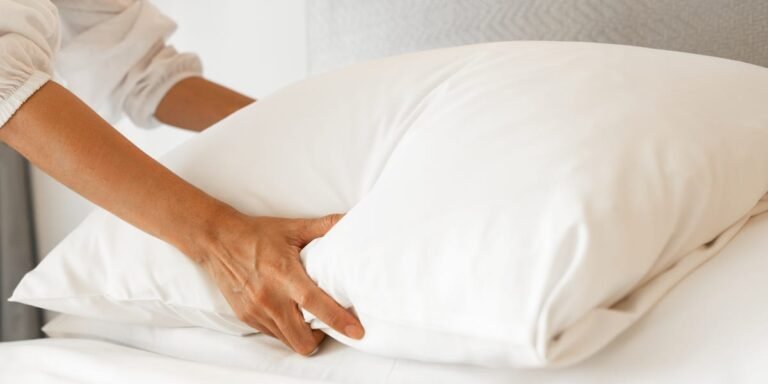
:max_bytes(150000):strip_icc()/how-to-wash-throw-pillows-5409531-04-89288846485f4904909406a4c777da9a.JPG "How to Wash Pillows the Right Way and Keep Them Fluffy (Figure)")
Besides washing, fluff pillows daily to keep them full and supportive. Fluffing breaks up clumps and helps pillows last longer. Replace pillows every 1 to 2 years as materials degrade.
📑 Quick Facts:
• Wash pillows 2-4 times a year.
• Fluff daily.
• Use pillow covers.
• Replace pillows every 1-2 years.
Hand Wash vs Machine Wash Pillows
Hand washing is gentle but takes time. It suits delicate pillows like memory foam or feather pillows. Use mild detergent and rinse well by hand.
Machine washing is fast and effective for synthetic and down pillows. Use gentle cycles and protect pillows in laundry bags. Avoid high heat and strong detergents.
Analyzing the data reveals machine washing is best for most pillow types. Hand washing is reserved for delicate cases or spot cleaning.
Pillow Care Tips for Longevity
Keep pillows fresh by washing regularly and drying thoroughly. Use pillow protectors to shield from stains and sweat. Avoid harsh detergents and bleach.
Store pillows in dry, clean areas to prevent mold. Fluff pillows daily to keep shape. If pillows smell or feel flat after washing, air them in the sun.
For more laundry tips for bedding, including pillow care, learn how to reset a washing machine. Proper machine care helps clean pillows better and avoid machine issues like odor or mold. You can read about how to reset a whirlpool washing machine for better laundry results.
Another great resource on pillow care is the guide on how to clean pillows without washing machine. It offers alternative cleaning options.
Conclusion: Safe Pillow Washing in 2026
Washing pillows in the washing machine is safe when done right. Follow care labels and use gentle cycles with mild detergent. Dry pillows fully on low heat with dryer balls or air dry in sunlight.
Different pillows need different care. Down and synthetic pillows handle machine washing well. Memory foam pillows need spot cleaning. Regular washing removes allergens and mold, improving sleep and hygiene.
Use pillow covers and fluff pillows often to keep them fresh longer. Replace pillows every 1 to 2 years for best comfort. Proper pillow maintenance in 2026 means cleaner, healthier sleep with less allergy risk.
Frequently Asked Questions
How often should pillows be washed?
Pillows should be washed every 3 to 6 months to keep them fresh and free from allergens.
Is it safe to machine wash all types of pillows?
Not all pillows are safe for machine washing. Down and synthetic pillows usually are, but memory foam pillows require special cleaning.
What washing cycle is best for pillows?
Use a gentle or delicate cycle with warm water, and avoid high spin speeds to prevent damage.
How can I dry pillows after washing?
Dry pillows on low heat in a dryer with dryer balls or clean tennis balls to help fluff and dry evenly.
Can washing pillows remove allergens and mold?
Yes, washing pillows properly helps remove dust mites, allergens, and mold, improving hygiene and comfort.

Michael Peterson is a home appliance writer focused on practical washing machine care, maintenance, and troubleshooting. He shares simple, reliable tips to help readers keep their washing machines running efficiently, avoid common problems, and extend appliance life.