Forget the stuffy textbooks and endless lectures for a second. Let’s talk real. You’re eyeing project management certification, right? Good. It’s not just a piece of paper; it’s your ticket to credibility, higher pay, and honestly, a lot less grief when things go sideways on a project. But how do you actually get there? It feels like a maze sometimes.
We’re diving deep into this. This isn’t your typical dry, “how-to” fluff piece. This is the gritty, no-nonsense guide. We’ll cut through the noise and give you the real deal on what it takes to earn that coveted project management certification.
So, buckle up. It’s time to get serious about your career trajectory. We’ll break down the process, the perks, and the potential pitfalls. No holds barred.
Why Bother With Project Management Certification Anyway?
It’s More Than Just a Fancy Title
Look, anyone can call themselves a project manager. Seriously. But can they actually deliver? Can they wrangle stakeholders, manage budgets, and hit deadlines without breaking a sweat (or at least pretending not to)? A certified project manager has proven they have the chops. It signals to employers that you’ve met a certain standard. A standard that says, “I know what I’m doing.
The Big Bucks Factor
Let’s be blunt. Certifications often translate to a fatter paycheck. Companies pay for expertise. They pay for reliability. They pay for people who can minimize risk and maximize success. A certification is a tangible way to demonstrate that you’re that person. It’s an investment, plain and simple, in your earning potential.
Opening Doors You Didn’t Even Know Existed
You think your current job is the be-all and end-all? Think again. Project management is a universal skill. It’s applicable in tech, construction, healthcare, marketing – you name it. Holding a recognized certification means you’re not confined to one industry or one company. It broadens your horizons considerably. Suddenly, those senior roles or that dream company might actually be within reach.
A Little History: Where Did This All Come From?
.jpg)
Source : icertglobal.com
The Pre-Certification Chaos
Early days. Projects were managed, sure, but it was often a Wild West situation. Skills were learned through sheer trial and error. There were no common standards, no universally accepted best practices. It was a recipe for disaster, frankly. Projects blew up left and right, budgets evaporated, and timelines became laughable.
Enter the Standards Bodies
Eventually, people got smart. Or at least, they realized there had to be a better way. Organizations started forming, dedicated to defining what good project management actually looks like. They hammered out methodologies, defined key terms, and developed frameworks. Think of them as the architects of organized execution. They created the blueprint for success.
The Rise of the PMP and Beyond
The Project Management Institute (PMI) has been a major player here. Their PMP certification, in particular, became the gold standard. It’s widely recognized and respected globally. But it’s not the only game in town. Others have emerged, each with its own focus and approach, catering to different needs and industries.
Decoding the Jargon: What’s What?
Source : niftypm.com
Methodologies: The How-Tos
You’ll hear terms like Agile, Waterfall, Scrum, Kanban. These aren’t just buzzwords; they’re different ways of doing project management. Waterfall is your classic, linear approach – plan everything upfront, then execute step-by-step. Agile is more iterative and flexible, great for projects where requirements might change.
Scrum is a popular Agile framework. It breaks work into short sprints. Kanban uses a visual board to manage workflow. Understanding these isn’t optional; it’s fundamental. Knowing when to use which methodology is part of being a good project manager.
Frameworks vs. Methodologies
Sometimes these terms get used interchangeably, which is annoying. A methodology is more of a specific process or system. A framework, on the other hand, is a broader structure or set of guidelines. Think of a methodology like a detailed recipe, and a framework like the basic rules of baking.
The PMP, for instance, is based on a framework (the PMBOK Guide), but it covers various methodologies. You need to grasp the principles underpinning them all. It’s about having a toolbox, not just one hammer.
Key Roles in the Ecosystem
Who’s who in a project? You’ve got your project sponsor (the big cheese funding it), your project manager (you, hopefully!), your team members (doing the actual work), and your stakeholders (anyone with an interest or impact). Understanding these relationships and their responsibilities is Key. Communication flows through these channels.
The Major Players: Top Certifications to Consider
Source : knowledgehut.com
Project Management Professional (PMP)
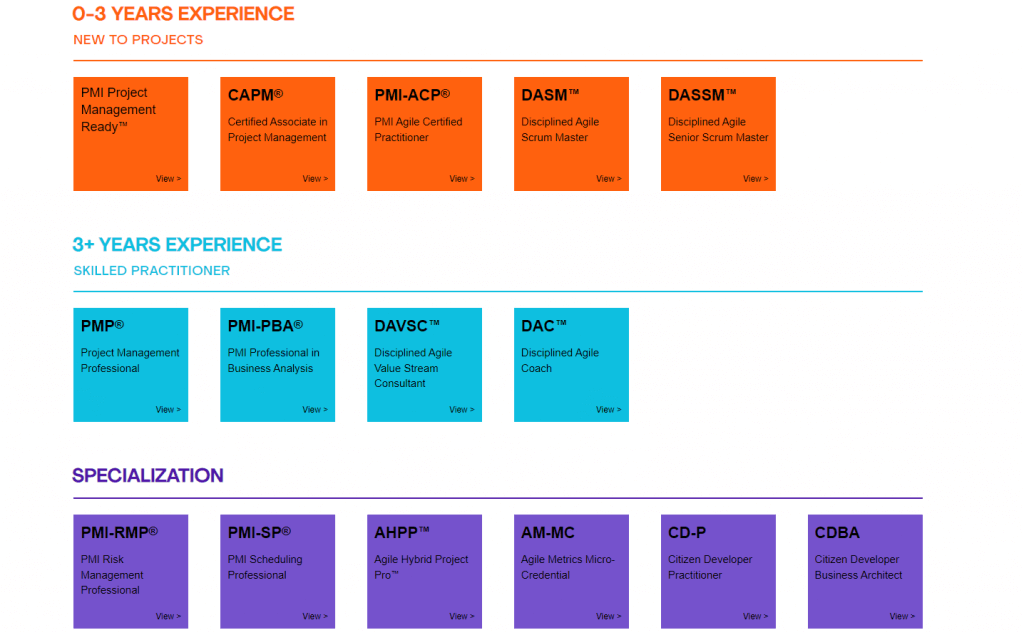
Okay, let’s start with the big one. The PMP from PMI. It’s the heavy hitter. This certification is for experienced project managers who’ve led projects and managed teams. It’s rigorous. It requires documented experience and passing a beast of an exam.
Seriously, the PMP exam is no joke. It tests your knowledge across three domains: People, Process, and Business Environment. You’ll need to know how to apply principles, not just recite them. If you’re aiming for the top tier, the PMP certification is likely your target.
Certified Associate in Project Management (CAPM)
New to the field? Or maybe you haven’t clocked in the thousands of hours needed for the PMP? The CAPM is your stepping stone. It’s PMI’s entry-level certification. It demonstrates you understand project management fundamentals and terminology. It’s a great way to start building your credibility.
Think of the CAPM as proving you’ve done your homework. You know the language, you understand the basic processes. It’s a solid foundation before you tackle the bigger certifications. Plus, it looks way better on a resume than nothing at all.
PRINCE2 Practitioner
Across the pond (and increasingly elsewhere), PRINCE2 is huge. It stands for PRojects IN Controlled Environments. Unlike the PMP’s more generalist approach, PRINCE2 is a process-based method. It’s very structured and prescriptive, common in government and corporate IT projects, especially in the UK and Europe.
Getting PRINCE2 certified involves different levels, typically Foundation and Practitioner. The Practitioner level is where you learn to apply the method to manage a project effectively. It’s a different flavor of project management, but equally valuable depending on where you want to work.
Agile Certifications (Scrum Master, etc.)
Given the explosion of Agile, dedicated Agile certifications are booming. The Certified ScrumMaster (CSM) is one of the most popular. You take a course, pass an exam, and you’re certified. It focuses specifically on the Scrum framework.
There are others, like PMI’s Agile Certified Practitioner (PMI-ACP). This one is broader than just Scrum, covering various Agile approaches. Choosing an Agile cert often depends on whether you want to specialize in a specific framework like Scrum or get a wider Agile perspective.
| Certification | Issuing Body | Target Audience | Key Focus | Difficulty |
|---|---|---|---|---|
| PMP | PMI | Experienced PMs | Broad PM Knowledge (People, Process, Business) | High |
| CAPM | PMI | Entry-Level / Aspiring PMs | Fundamentals & Terminology | Medium |
| PRINCE2 Practitioner | AXELOS | PMs using PRINCE2 | Process-based Method Application | Medium-High |
| CSM | Scrum Alliance | Scrum Practitioners | Scrum Framework | Medium |
| PMI-ACP | PMI | Agile Practitioners | Various Agile Approaches | Medium |
Alright, let’s ditch the fluff and dive headfirst into what it really takes to snag that project management certification. Forget the textbook jargon; we’re talking real-world moves. If you’re serious about climbing the ladder, this is where the rubber meets the road.
How To Become Certified In Project Management Online

Source : 4pmti.com
Thinking about getting certified without leaving your couch? Smart move. The online route is more accessible than ever, and honestly, it’s how most folks are doing it these days. It cuts down on travel time and lets you learn at your own pace, which is a huge win when you’ve got a full-time gig (or three).
Online Course Formats Explained
So, what are your options when you’re looking at project management certification online? You’ll find everything from self-paced modules to live, instructor-led webinars. Each has its own vibe. Self-paced is great if you’re a disciplined learner, able to crunch through the material on your own schedule. Think of it like hitting the gym solo – you get out what you put in.
Watch: How to be PMP Certified in Just 3 Days
Choosing the Right Online Platform
When you’re shopping for an online course, don’t just grab the first one you see. Look for accredited providers. Platforms like Coursera, edX, or dedicated PM training sites are usually a safe bet. Check out reviews; a good online course will have tons of positive feedback from actual students. Remember, this is an investment, so treat it like one. You wouldn’t buy a shoddy tool for your trade, right?
Virtual Classrooms vs. Pre-recorded Lectures
Live virtual classrooms offer that interactive element. You can ask questions in real-time, bounce ideas off instructors and peers. It’s the closest you’ll get to an in-person feel, minus the stale coffee. Pre-recorded lectures, on the other hand, give you ultimate flexibility. Rewind, pause, take notes at your own speed. It’s all about finding what clicks with your brain.
Making the Most of Online Study Groups
Don’t underestimate the power of connecting with other students online. Many courses Help this. Forming a virtual study group can be a lifesaver. You can quiz each other, share difficult concepts, and commiserate over tough exam questions. It’s like having a built-in support system, even if you never meet face-to-face.
Pmp Certification Requirements And Step By Step Guide
Source : project-management.com
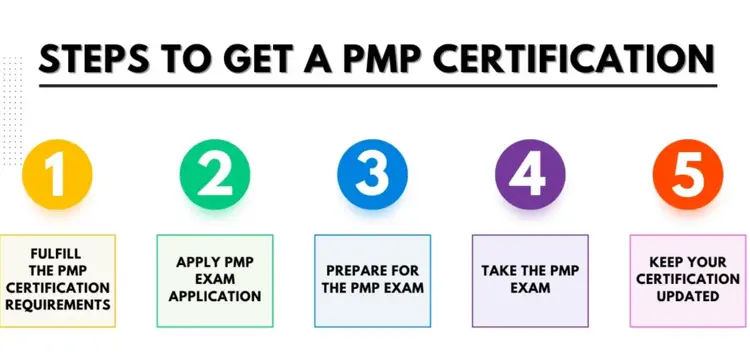
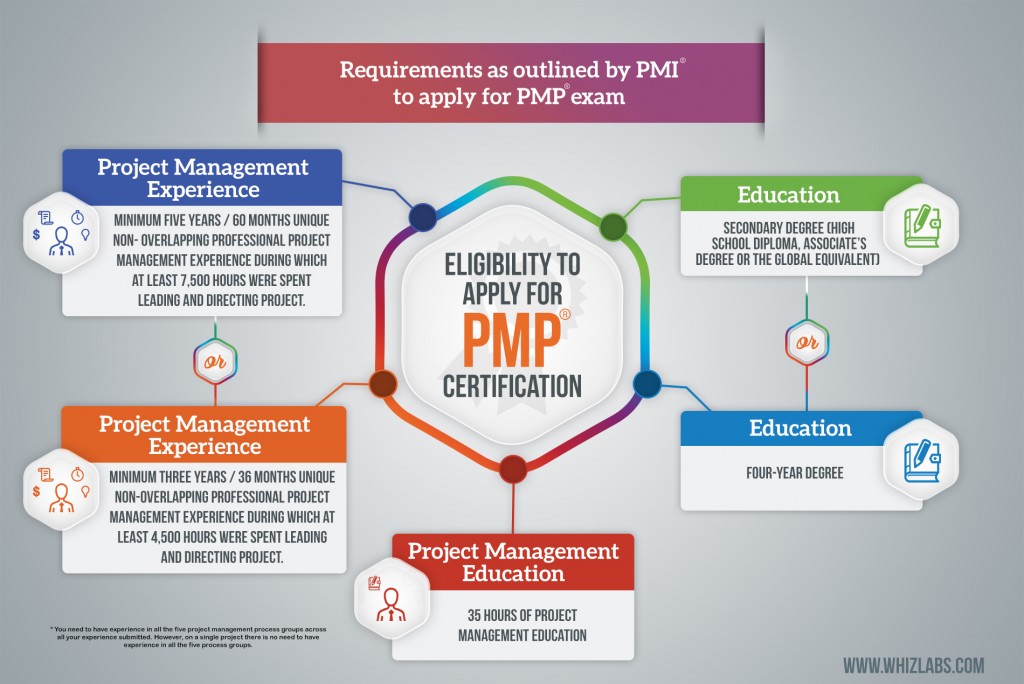
Ah, the PMP. The big kahuna. If you’re aiming for the top tier in project management, the Project Management Professional certification is likely on your radar. But let’s be real, the PMP certification requirements aren’t exactly a walk in the park. They’re designed to Make sure you’ve got the chops.
Understanding the Eligibility Criteria
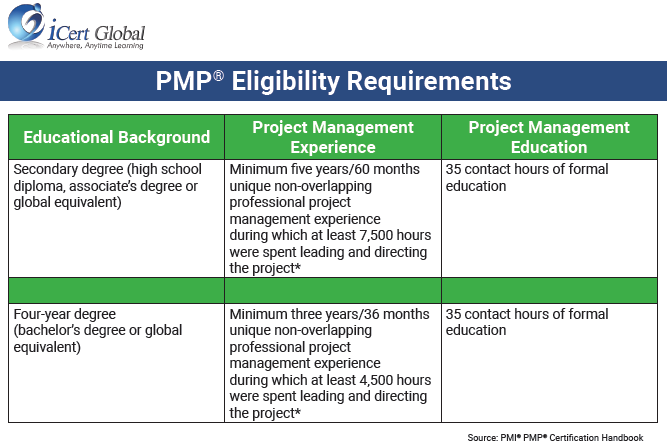
First off, you need experience. A lot of it. Specifically, you’re looking at either a four-year degree plus 4,500 hours leading projects, or a high school diploma (or equivalent) plus 7,500 hours. And that’s not just any hours; these need to be documented, guiding, and directing project work. They’re picky about this. Get your PMP eligibility sorted first.
The Application Process Breakdown
Once you’ve confirmed you meet the experience criteria, it’s time for the application. You’ll submit this through the Project Management Institute (PMI) website. Be thorough. They can audit your application, meaning they might ask for verification from your employers. So, make sure those hours you claim are accurate and verifiable. This isn’t the place to wing it.
Mandatory Project Management Education
Beyond the work experience, you also need formal education in project management. This means 35 hours of training. This could be through courses, workshops, or online training programs. Many folks knock this out with a PMP exam prep course. It’s a Key step, so don’t skip it. This education component shows you’ve formally studied the methodologies.
Handling the Exam and Audit
After your application is approved, you’ll schedule your exam. It’s a beast – 180 questions, multiple-choice, and it’s computer-based. You’ve got 230 minutes to conquer it. And remember that audit? If you’re selected, you’ll need to submit documentation verifying your project experience and education. It sounds daunting, but if you’ve done the work and the training, it’s manageable. This whole process confirms you’re ready for a project management leadership role. You can find more details on this at Coursera’s PMP guide.
Best Entry Level Project Management Certification For Beginners
Source : icertglobal.com
Feeling a bit overwhelmed by the PMP? Totally understandable. For those just starting out, there are fantastic entry-level project management certifications that offer a solid foundation without demanding a decade of experience. Think of these as your training wheels before you go pro.
Certified Associate in Project Management (CAPM)
The CAPM is PMI’s answer for beginners. It’s less stringent on experience, making it perfect for students, recent grads, or career changers. You’ll still need some training hours (23, to be exact), but it’s a much gentler introduction to the concepts. Passing the CAPM demonstrates you understand the project management fundamentals.
Google Project Management Certificate
This one’s exploded in popularity, and for good reason. It’s entirely online, self-paced, and covers everything from basic project management principles to agile methodologies and project management tools. It’s practical, hands-on, and recognized by employers looking for new talent. It’s a really practical project management qualification.
CompTIA Project+ Certification
CompTIA is known for its IT certifications, but Project+ is designed for anyone managing small to medium-sized projects. It focuses on the core principles of project management, regardless of methodology. It’s vendor-neutral, meaning the skills are transferable across industries. This is a solid choice for getting a basic project management credential.
Microsoft Project Fundamentals
If you’re going to be working with Microsoft Project software extensively, getting certified in its fundamentals makes a lot of sense. While not a broad project management certification, it proves you can competently use one of the industry’s leading PM tools. Many companies heavily rely on this Microsoft Project certification.
How Much Does It Cost To Get Certified In Project Management
Source : whizlabs.com
Let’s talk brass tacks. Getting certified isn’t free. The cost to get certified in project management varies wildly depending on the certification and the training you opt for. You’re not just paying for the exam; you’re often paying for training courses, study materials, and membership fees.
Exam Fees: The Core Expense
The biggest chunk is usually the exam fee itself. For the PMP, for example, the fee is $555 for non-PMI members and $435 for members. Those membership fees ($139 annually) can actually save you money if you plan on getting multiple certifications or accessing PMI resources. It’s about calculating the total certification cost.
Training and Study Material Costs
This is where costs can skyrocket or stay modest. A full PMP prep course can range from a few hundred dollars to well over $1,500. Online courses might be cheaper, averaging $200-$500. Textbooks, practice exams, and flashcards add up too. Think about buying used study guides or looking for free project management resources to cut down on expenses.
Membership Fees and Renewal Costs
Many certifying bodies, like PMI, have annual membership fees. These often come with discounts on exams and access to valuable resources. Certifications also expire. Maintaining your credential typically involves earning continuing education units (CEUs) and paying a renewal fee every few years. For the PMP, it’s $150 every three years.
Budgeting for Your Certification Journey
Here’s a rough breakdown to help you budget:
| Certification | Exam Fee (PMI Member) | Estimated Training Cost | Total Estimated Initial Cost |
|---|---|---|---|
| PMP | $435 | $300 – $1,500+ | $735 – $1,935+ |
| CAPM | $225 | $100 – $500 | $325 – $725 |
| Google PM Certificate | /A (Subscription-based) | ~$49/month (Coursera) | $294 (6 months) – Varies |
| CompTIA Project+ | $309 | $50 – $400 | $359 – $709 |
Remember, these are estimates. Your actual project management certification cost might be higher or lower. Always check the official websites for the most current pricing.
How Long Does It Take To Get A Project Management Certificate

Source : careersprints.com
Patience, young grasshopper. The time it takes to earn a project management certificate isn’t just about passing the exam; it’s largely about meeting the prerequisite experience and training hours. This is where the real time commitment lies.
Meeting Experience Hour Requirements
For something like the PMP, accumulating 4,500 or 7,500 hours of project leadership experience can take years. If you’re already working in a role where you’re leading projects, great! You might be closer than you think. If not, you’ll need to strategically position yourself for those opportunities. This is often the longest part of the process.
Completing Educational Hours
The 35 hours of project management education for the PMP, or 23 for the CAPM, can be completed relatively quickly. Many online courses or bootcamps offer these hours in intensive formats, sometimes just a few days or weeks. You can even complete these project management training hours alongside your work.
Study Time for the Exam
Once you meet the prerequisites and apply, the actual studying for the exam is a separate timeline. Most people dedicate anywhere from 100 to 400 hours of study time. This can span a few weeks of intensive cramming or several months of consistent, albeit lighter, preparation. It really depends on your learning style and how much time you can realistically dedicate each week. Think about consistent exam preparation.
The Entire Certification Timeline
So, how long in total?
- For PMP: If you meet the degree requirement, you could potentially be ready in 1-2 years of relevant experience, plus a few weeks for training and studying. If you only have a high school diploma, it’s likely 3-5 years to accumulate the experience.
- For CAPM: Since experience isn’t a primary requirement, you can often complete the training and study within a few months.
- For Google PM Certificate/CompTIA Project+: These are much faster. You can often complete the coursework and be ready for the exam within a few weeks to a couple of months, depending on your pace.
Ultimately, the time to get certified is highly personal. Focus on quality preparation rather than just speed.
Frequently Asked Questions
How long does it take to become PMP certified?
Man, it really depends. Some folks cram and can sit for the exam in a few months if they already have the required experience and education. Others take a year or more, spreading out the studying. You gotta log 35 hours of project management education too, which adds time. Don’t rush it; you want to actually absorb this stuff, not just memorize it for the test.
Is PMP still worth it in 2026?
Absolutely. PMP certification is a golden ticket for a reason. Companies still need solid project managers, and PMP proves you know your stuff. Sure, other certs exist, but PMP is the OG, the most recognized globally. If you want to climb the ladder, it’s a no-brainer.
Can I do PMP for free?
Nope, not really. The exam itself costs money – hundreds of dollars. Plus, you usually need to pay for a project management training course to get those 35 contact hours. While you can find free study materials online, the official path? Costs cash. Think of it as an investment, though. It pays itself back, trust me.
Which certification is best for project management?
For serious, experienced project managers, it’s hands-down the Project Management Professional (PMP). If you’re just starting or in a more agile-focused role, maybe a Certified ScrumMaster (CSM) is better. But for general, broad project management credibility? PMP is king. It’s the industry standard.
What are the prerequisites for PMP certification?
Gotta have a four-year degree and at least three years of experience leading projects, plus 35 hours of project management education. OR, if you don’t have the degree, you need a high school diploma and at least five years of experience leading projects, plus those same 35 hours of education. They really want to see you’ve actually done this stuff.
