PMP Certification Requirements & Step-by-Step Guide: Your Path to Project Management Mastery
Alright, let’s cut to the chase. You’re thinking about that PMP certification, huh? It’s a big deal in the project management world, no doubt. But getting there? It’s not exactly a walk in the park. It requires a solid commitment, some serious documentation, and a willingness to prove you know your stuff inside and out. Forget those fluffy online courses that promise the moon; this is about real-world experience and a rigorous exam. We’re diving deep into exactly what you need to do, no holding back. Consider this your no-nonsense roadmap to conquering the Project Management Professional exam.
Think of it like this: getting your PMP is like climbing a mountain. You can’t just show up at base camp with a pair of sneakers and expect to reach the summit. You need the right gear, proper training, and a clear understanding of the trail ahead. And that’s precisely what we’re going to break down here. So, grab a coffee, get comfortable, and let’s talk about what it really takes to earn those coveted letters after your name.
Why Bother With PMP Certification Anyway?
Source : educba.com
The Credibility Boost You Can’t Buy
Look, anyone can call themselves a project manager. It’s a title. But holding a PMP certification? That’s different. It screams to employers, clients, and even your colleagues that you’ve met a globally recognized standard. It’s a badge of honor, forged in the fires of experience and a demanding exam. This isn’t just another piece of paper; it’s proof.
Opening Doors to Better Opportunities
Let’s talk brass tacks: career advancement. Many of the best project management jobs out there specifically list PMP as a requirement or a strong preference. Companies know what it means. It often translates to higher salaries, more responsibility, and access to projects that are actually interesting and impactful. It’s a competitive edge, plain and simple.
A Universal Language for Project Managers
The world of project management can feel like a jumble of methodologies, tools, and acronyms. The PMP certification, however, grounds you in a common set of principles and practices. It ensures you’re speaking the same language as other certified professionals, regardless of their industry or geographic location. This shared understanding is Crucial for collaboration and efficiency.
Sharpening Your Own Skills
The process of preparing for the PMP exam forces you to solidify your knowledge. You’ll revisit core concepts, learn about new approaches, and honestly, probably realize areas where you can improve. It’s an intense learning curve, yes, but the end result is a more competent, well-rounded project manager. You’ll emerge with a sharper toolkit.
Understanding the Core PMP Eligibility Requirements
The Education Piece: Degrees Matter, Sort Of
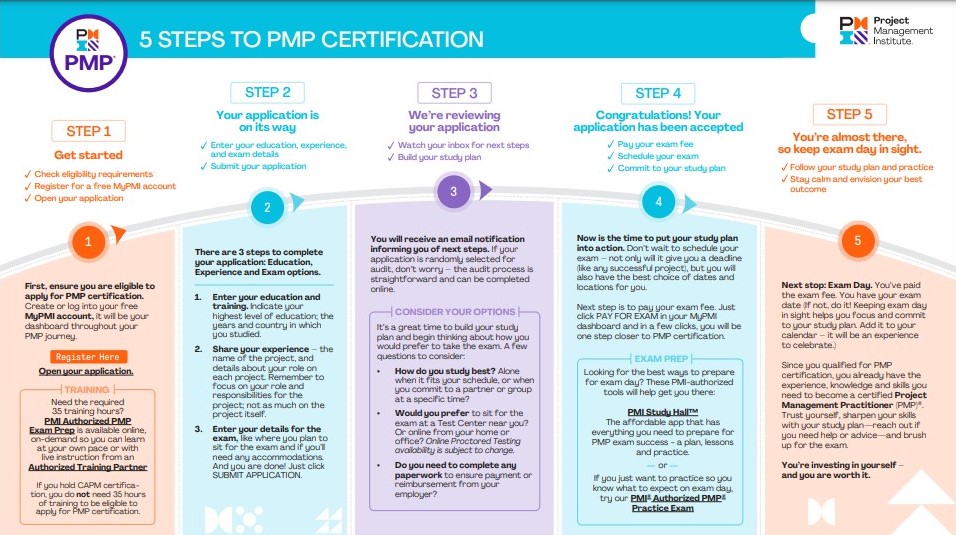
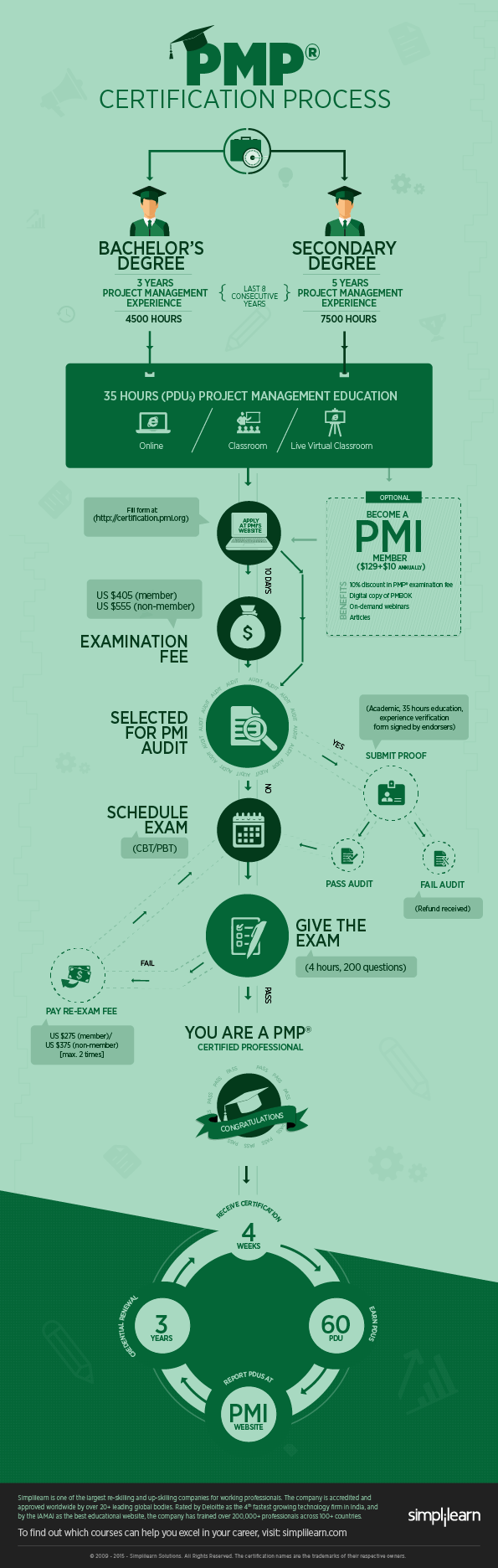
So, PMP isn’t just about years logged. Your educational background plays a role. If you have a four-year degree (or the global equivalent), you’ll need to show at least 36 months leading projects within the last eight years. Think of this as the baseline for those with a solid academic foundation. It’s a prerequisite to proving your practical chops.
Source : spoclearn.com
For the High School Grads and Equivalents
If your highest level of education is a high school diploma or an associate’s degree, don’t sweat it. PMI is more forgiving here. You’ll need at least 60 months of documented project-leading experience within the last eight years. It’s a bit more time, but the goal is the same: prove you’ve actually managed projects effectively.
The Project Experience: The Meat of the Application
This is where the rubber meets the road. The Project Management Institute (PMI) wants to see that you’ve actually led and directed projects. This isn’t just about being on a team; it’s about being in the driver’s seat. You need to detail your responsibilities, the project’s objectives, your role, and how you contributed to achieving those goals. This section is critical and requires Careful detail.
Formal Project Management Education: The 35 Hours
Beyond your degree and work experience, you absolutely need 35 hours of formal project management education. This is non-negotiable. This training must cover specific project management topics. Think courses, workshops, or even online training programs specifically designed to teach project management principles. Many prep courses count towards this requirement, but make sure they are accredited or recognized by PMI.
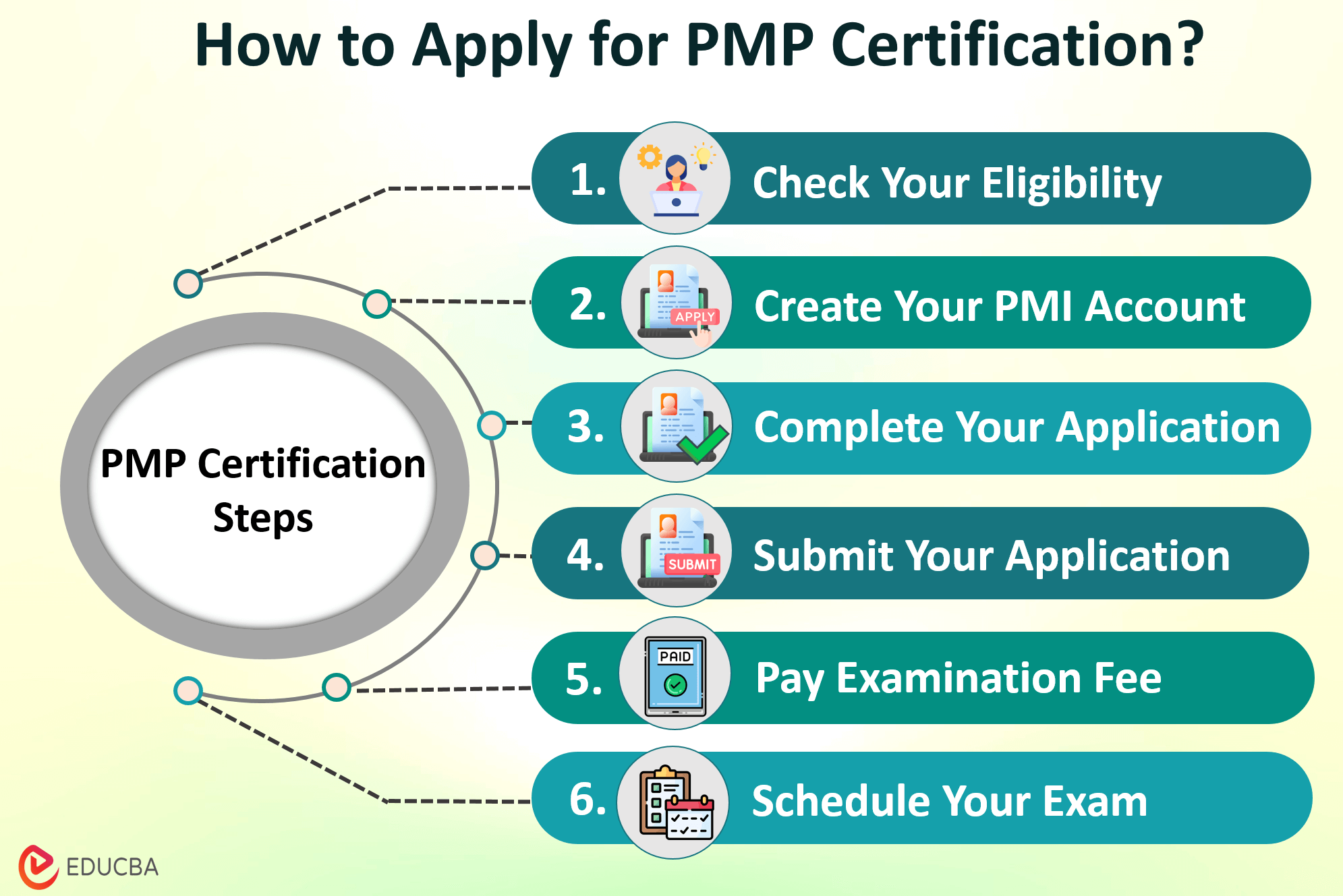
Deconstructing the PMP Application Process: Step-by-Step
Step 1: The PMI Membership Decision
First off, do you join the Project Management Institute (PMI)? It’s not mandatory, but it’s often recommended. Members usually get a discount on the exam fee, and you get access to a ton of resources, including the PMBOK Guide (the bible of project management). It’s an upfront cost, but for many, the savings and resources make it worthwhile. Check out the official PMI website for current membership and exam fees.
Step 2: Documenting Your Project Experience (The Nitty-Gritty)
This is where you’ll spend a significant chunk of time. You need to list out your project experience, ensuring each entry meets the criteria. For each project, you’ll need to provide: project title, project manager, your role, organization, dates of the project, total hours spent on the project, and a brief description of your responsibilities and accomplishments. Be specific. Use action verbs. Quantify results if possible. This is your chance to shine and prove your leadership.
Step 3: Logging Your Formal Education Hours
Next, you’ll document that 35 hours of project management education. You’ll need to list the course provider, course name, dates attended, and the number of hours. Keep records of certificates or completion forms. If you took a course that wasn’t explicitly “project management,” you’ll need to justify how it applies. This requires careful record-keeping and organization.
Step 4: Submitting the Application Online
Once you’ve gathered all your documentation (education and experience), you’ll log into the PMI portal and fill out the online application. Double-check everything. Seriously. Typos, incomplete information, or vague descriptions can lead to delays or rejection. It’s a Full form that requires your full attention. Make sure you’re submitting accurate information.
Step 5: The Audit Possibility (Don’t Panic!)
Here’s a little kicker: PMI randomly audits a percentage of applications. If you’re selected, you’ll need to provide supporting documentation for your project experience and education. This usually involves having your supervisors or clients sign forms verifying your claimed experience. It sounds daunting, but it’s a standard process. Just be prepared and keep good records from the start. It’s rare, but it happens.
The PMP Exam Itself: What to Expect
Format and Structure: It’s Not Your Old School Test
Forget multiple-choice questions that are straightforward. The PMP exam is designed to test your application of knowledge, not just rote memorization. It’s predominantly scenario-based. You’ll be presented with realistic project situations and asked how you, as a project manager, would handle them. It covers predictive (waterfall), agile, and hybrid approaches. You’ll face 180 questions in total, with a mix of multiple-choice, multiple-response, matching, and hotspot questions.
Content Domains: The Holy Trinity of PM
The exam is structured around three main domains, reflecting the current realities of project management:
- People: Focusing on the skills and activities associated with effectively leading a project team. This domain emphasizes soft skills like conflict management, team building, and stakeholder engagement.
- Process: Reinforcing the technical aspects of managing a project. This covers the methodologies and tools used throughout the project lifecycle, from initiation to closing.
- Business Environment: Highlighting the connection between projects and organizational strategy. This domain explores understanding organizational change, compliance, and delivering business value.
Understanding the weightage of each domain is key to your study plan. About half the exam focuses on agile or hybrid approaches, so don’t ignore those!
Exam Length and Breaks
The exam is lengthy. You’ll have 230 minutes to complete it. That’s almost four hours! But don’t get overwhelmed. You are allotted two 10-minute breaks during the exam. The first break occurs after question 60, and the second after question 120. These breaks are Key for refocusing and managing fatigue. You can review your answers from the previous section before taking the break, but once you proceed, you can’t go back.
Passing Score: It’s Not Publicly Disclosed
Here’s a bit of mystery: PMI doesn’t actually publish a specific passing score. They use a psychometric analysis to determine the passing point for each exam form, making it fair. What we do know is that it’s challenging. You need to demonstrate a strong understanding across all domains. Aim for mastery, not just a passing grade. Focus on understanding the why behind the answers.
Source : elearninginfographics.com
Preparing for the PMP Exam: Strategies That Work
Choosing the Right Training Course
That 35-hour requirement? It’s a perfect opportunity to get solid training. Look for courses that are specifically designed for PMP exam preparation. A good course will not only cover the material thoroughly but also provide practice exams and study resources. Consider instructors with real-world experience. Platforms like Coursera offer PMP certification guides and courses that can be a great starting point.
Mastering the PMBOK Guide and Agile Practice Guide
The Project Management Body of Knowledge (PMBOK) Guide is the foundational text. You absolutely must be familiar with it. However, the exam also heavily incorporates agile and hybrid methodologies, so the Agile Practice Guide is equally important. Don’t just read them; study them. Understand the processes, tools, techniques, and their application in different scenarios. These are your study bibles.
Practice, Practice, Practice with Mock Exams
This is non-negotiable. Taking practice exams is arguably the most critical part of your preparation. It helps you get accustomed to the exam format, identify your weak areas, and build stamina. Aim to take as many full-length mock exams as possible. Analyze your results meticulously. Understand why you got questions wrong, not just that you did. This feedback loop is Key.
Forming Study Groups or Finding a Mentor
Sometimes, discussing concepts with others can solidify your understanding. Join study groups, either online or in person. Explaining a concept to someone else is a powerful way to reinforce your own learning. A mentor who has already passed the PMP can offer Crucial insights and guidance, helping you navigate the preparation process more effectively.
The Cost Breakdown: Investing in Your Career
Exam Fees: Member vs. Non-Member
The cost of the PMP exam varies depending on your PMI membership status. As of my last check, non-members pay a higher fee. Becoming a PMI member often provides a discount on the exam that more than covers the cost of membership itself, making it a financially smart move for many. Always check the official PMI website for the most current pricing.
Training Course Costs: A Wide Range
The price of PMP exam prep courses can vary dramatically. Basic online courses might be a few hundred dollars, while intensive boot camps or university-led programs can run into the thousands. Consider what you need: self-paced online modules, instructor-led virtual classes, or in-person training. Factor in the quality of materials, instructor expertise, and pass guarantees (if offered).
Retake Fees: Hope You Don’t Need Them
Should you not pass the exam on your first try, there are fees associated with retaking it. PMI allows you to retake the exam up to three times within a year of your initial application approval. The retake fees are typically lower than the initial exam fee, but again, this is an expense you’d ideally avoid. Thorough preparation is key to passing the first time.
Total Investment: It’s More Than Just Money
The total investment includes not just the monetary costs but also your time and effort. The preparation itself demands hundreds of hours of study. You’re investing in your future earning potential and career growth. Think of it as a strategic career investment rather than just an expense. The ROI can be Large over your career.
Post-PMP Certification: Maintaining Your Credential
The Continuing PMP Journey: PDUs
Once you earn your PMP, you don’t just sit back. To maintain your certification, you need to earn 60 Professional Development Units (PDUs) every three years. These PDUs demonstrate your ongoing commitment to the profession and your continued learning. It keeps your skills sharp and your certification current.
How to Earn PDUs
There are various ways to earn PDUs. You can take courses, attend webinars, participate in project management activities, create content, or give presentations. PMI categorizes PDUs into “Education” and “Giving Back to the Profession.” The key is to track your activities and report them to PMI through their online portal before your renewal date. Stay engaged!
The Renewal Process: Staying Certified
The renewal process involves submitting your PDU claim (ensuring you meet the 60-PDU requirement) and paying a renewal fee. It’s a straightforward process if you’ve been diligent in earning your PDUs throughout the three-year cycle. It’s PMI’s way of ensuring certified professionals remain active and knowledgeable in the ever-evolving field of project management.
Comparing PMP to Other Project Management Certifications
CAPM: The Entry-Level Alternative
If you’re new to project management and don’t yet meet the experience requirements for the PMP, the Certified Associate in Project Management (CAPM) is a great stepping stone. It demonstrates you understand fundamental project management principles, terminology, and processes. It’s a fantastic way to get your foot in the door and build your resume.
.jpg)
Source : icertglobal.com
Agile Certifications: CSM and PMI-ACP
With the rise of agile methodologies, certifications like the Certified ScrumMaster (CSM) and PMI’s own Agile Certified Practitioner (PMI-ACP) have gained significant traction. The CSM focuses specifically on the Scrum framework, while the PMI-ACP offers a broader view of agile approaches. Many project managers hold both PMP and an agile certification to cover all bases.
Specialized Certifications: PMP vs. Niche Expertise
Beyond the generalist PMP, there are certifications for specialized areas like risk management (PMI-Risk Management Professional), scheduling (PMI-SP), or IT project management. These are often pursued after achieving the PMP to demonstrate deeper expertise in a particular domain. The PMP is still the foundational, overarching credential for most.
Which Certification is Right for You?
The “best” certification truly depends on your career stage, experience level, and the industry you’re in. For those aiming for senior project management roles, the PMP remains the gold standard. For beginners, CAPM or CSM might be more appropriate. For those deeply embedded in agile environments, PMI-ACP or CSM are Needed. It’s about aligning your credentials with your career aspirations.
Final Thoughts: Is the PMP Certification Worth the Hustle?
The ROI is Real
Let’s be honest, getting the PMP certification is a significant undertaking. It demands time, money, and a whole lot of mental energy. But the return on investment? It’s Large. From increased earning potential to better job prospects and enhanced credibility, the PMP pays dividends throughout your career. It’s a career accelerator.
It’s More Than Just a Credential
While the certificate itself is valuable, the real win is the knowledge and discipline you gain during the preparation process. You become a more rounded, capable, and confident project manager. You’ll develop a deeper understanding of project lifecycles, stakeholder management, and risk mitigation. This Full knowledge is what truly sets PMP holders apart.
Commitment is Key
If you’re considering the PMP, understand that commitment is Top. There are no shortcuts to passing this exam. Dedicate the time, follow the steps, and trust the process. The reward for your hard work will be a globally recognized certification that opens doors and validates your expertise in the demanding field of project management. Go get it!
| Requirement Type | Description | Details (Associate’s Degree or High School Diploma) | Details (Four-Year Degree or Global Equivalent) |
|---|---|---|---|
| Project Management Experience | Leading and directing projects | Minimum 60 months within the last 8 years | Minimum 36 months within the last 8 years |
| Project Management Education | Formal training hours | Minimum 35 hours covering specific PM topics | Minimum 35 hours covering specific PM topics |
| Degree Requirement | Educational Attainment | High School Diploma or Associate’s Degree | Four-Year Degree or Global Equivalent |
| Note: All experience must be within the last 8 years. This table provides a high-level overview; refer to PMI for precise definitions. | |||
Frequently Asked Questions
What are the basic PMP certification requirements?
Because you gotta have some experience, right? You’ll need either a four-year degree plus 4,500 hours leading projects, or if you only have a high school diploma, it’s 7,500 hours leading projects. Plus, you need 35 hours of project management education or PMP training. Easy peasy, kinda.
How long does the PMP exam take and what’s the format?
But it’s a beast! The exam is 230 minutes long, with two 10-minute breaks. It’s all multiple-choice questions, around 180 of them, covering different approaches to project management.
What’s the step-by-step process to apply for the PMP exam?
First, you gotta create an account on the PMI website. Then, fill out that application detailing your project experience and education. After submission, PMI reviews it, and if approved, you can then schedule your exam. Easy to say, harder to do, you know?
How much does the PMP certification cost?
It varies a bit, but generally, it’s around $555 for non-PMI members and $405 for PMI members. Think of it as an investment in your career advancement. Plus, there are fees for retakes if you need ’em.
What kind of project management education is accepted for the PMP application?
Because the goal is to show you know your stuff. It can be formal courses, workshops, or even online training programs specifically focused on project management principles and practices. Just make sure they meet the 35-hour requirement and you have proof!
