Alright, let’s cut to the chase. You need CPR and First Aid certification, and you want the best. Not just any card will do, right? You’re looking for that gold standard, the one that employers actually respect and that gives you real confidence. That means we’re talking AHA approved. Forget those sketchy online-only places that hand out certificates faster than you can blink. We’re diving deep into what makes a class truly top-notch, focusing on the heavy hitters in the CPR and First Aid game.
Why the American Heart Association is the Undisputed Champ
Look, when it comes to saving lives, there’s no room for cutting corners. The American Heart Association (AHA) has been the Standard for decades. They set the guidelines, they do the research, and their training is literally the most recognized and trusted globally.
The Science Behind the Standards
It’s not just guesswork. The AHA bases its CPR guidelines on rigorous scientific research. They constantly update their protocols as new evidence emerges, ensuring that anyone trained by them is learning the most effective techniques possible. It’s a commitment to science that you just don’t find everywhere else.
Global Recognition and Employer Trust
It. If you’re a hiring manager, especially in healthcare, childcare, or any field where emergencies are a real possibility, what certification are you going to trust? It’s the AHA card, hands down. This recognition isn’t accidental; it’s built on a reputation for quality and effectiveness. You can find more about their incredible work at cpr.heart.org/en/.
Full Curriculum, Not Just the Basics
AHA courses go beyond just chest compressions. They cover a wide range of scenarios, from choking emergencies to severe bleeding, shock, and basic first aid essentials. It’s a Overall approach to emergency preparedness.
Decoding AHA Course Types: Finding Your Perfect Fit

Source : campbellcprclasses.com
So, you’re sold on the AHA. Great. Now, what kind of class do you actually need? It’s not one-size-fits-all. Depending on your job or volunteer role, you’ll need a different level of certification. Don’t just grab the first one you see.
BLS: The Healthcare Professional’s Staple
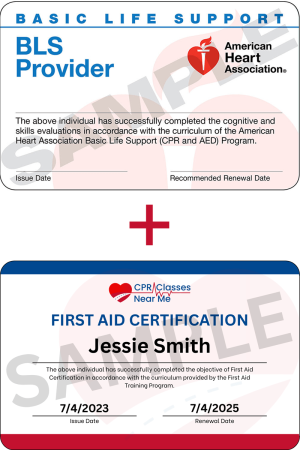
If you’re in healthcare – a nurse, doctor, EMT, dental assistant, physical therapist, or even a medical student – you’re almost certainly going to need the Basic Life Support (BLS) certification. This is the big one for medical professionals. It covers high-quality CPR for adults, children, and infants, along with the use of an AED and relieving choking. It’s detailed and demanding.
Source : cprclassesnearme.com
Heartsaver CPR/AED: For the Everyday Hero
Not in the medical field? No problem. The Heartsaver series is designed for the general public, including teachers, coaches, daycare providers, corporate employees, and anyone who wants to be prepared. These courses are still AHA approved and cover Needed CPR and AED skills, plus basic first aid in many cases. It’s about being ready for the unexpected in your community or workplace.
Heartsaver First Aid: Beyond Just CPR
Sometimes, CPR is only part of the picture. You might need a certification that specifically covers a broader range of injuries and illnesses. Heartsaver First Aid courses teach you how to respond to medical emergencies like bleeding, burns, broken bones, shock, and more. Often, this is combined with CPR/AED training for a complete emergency response package.
Skills Testing: Blended Learning Option
The AHA also offers a “blended learning” approach. You can complete a portion of the course work online at your own pace (the “e-learning” part) and then attend an in-person session for the hands-on skills testing. This is super convenient if you’re busy, allowing you to knock out the theory at home and just focus on the practical skills when you go to the class. It’s still a full AHA certification upon completion.
What Makes an AHA Class “Good”? It’s All About the Instructor and Practice
You can have the best curriculum in the world, but if the instructor is terrible, the class is a bust. A truly great AHA CPR class goes beyond just checking boxes. It’s about genuine learning and building real confidence.
The Instructor Matters
A good instructor isn’t just reciting facts; they’re engaging. They have real-world experience (bonus points if they’re a seasoned healthcare professional or EMT). They can answer your questions clearly, demonstrate skills effectively, and create a comfortable learning environment where you don’t feel stupid asking “dumb” questions. Look for instructors who are passionate about what they do.
Hands-On Practice is Non-Negotiable
This isn’t a lecture. You need Plenty of time to practice the techniques yourself. That means plenty of opportunities to work on manikins (adult, child, and infant), practice using AED trainers, and get feedback on your technique. The more you practice, the more ingrained the skills become.
Realistic Scenarios and Debriefing
The best classes simulate real-life emergencies. They’ll put you in scenarios that mimic what you might actually encounter. After the scenario, there should be a thorough debrief. What went well? What could be improved? This critical review solidifies your learning and helps you think on your feet.
Small Class Sizes = More Attention
Ever been in a massive lecture hall for a practical skill? Yeah, not ideal. Smaller classes mean the instructor can give more individual attention to each student. You get more personalized feedback on your compressions, your airway management, and your overall response. It’s a significant difference.
Finding AHA Approved Classes Near You: Where to Look
Okay, so you know what you need and what makes a good class. Now, how do you actually find one? It’s easier than you might think, but requires a little digging to Make sure you’re getting the real deal.
The Official AHA Training Center Finder
Your first stop should always be the American Heart Association’s official website. They have a tool where you can search for authorized AHA Training Centers in your area. This is the most reliable way to Make sure you’re signing up for a legitimate course that follows their exact protocols. Don’t mess around with unofficial sources.
Source : cprcertificationphoenix.com
Local Hospitals and Community Centers
Many hospitals run their own AHA-certified training centers or offer classes to the community. Likewise, community centers, fire departments, and even some large businesses often host or provide these courses. These are usually great options with experienced instructors.
Specialized Training Providers
There are also dedicated CPR and First Aid training companies that operate solely to provide these certifications. When searching for these, always double-check that they explicitly state they are an authorized American Heart Association Training Center. A quick Google search for “[Your City] AHA BLS Certification” or “[Your City] Heartsaver First Aid Class” should yield results.
Pros and Cons of Different Training Locations
Let’s break down the typical spots you might find a class:
| Training Location | Pros | Cons | Ideal For |
|---|---|---|---|
| Hospital-Based Centers | – Often have experienced medical instructors. – May offer specialized healthcare-focused courses. – High level of credibility. |
– Can be more expensive. – Schedules might be less flexible. |
Healthcare professionals (Nurses, Doctors, EMTs), medical students. |
| Dedicated CPR Training Companies | – Often have flexible scheduling (evenings/weekends). – May offer competitive pricing. – Focus solely on CPR/First Aid training. |
– Instructor experience can vary widely (verify credentials!). – Need to Make sure they are official AHA providers. |
General public, corporate training, childcare providers, teachers. |
| Community Centers / Fire Departments | – Usually very affordable. – Accessible locations. – Often community-focused. |
– Class frequency might be limited. – Curriculum might be more basic Heartsaver level. |
General public seeking basic preparedness, community members. |
| Online/Blended Learning | – Extremely flexible for the theory portion. – Learn at your own pace. – Can be cost-effective when combined with in-person skills. |
– Requires finding a separate in-person skills session. – Less hands-on instructor interaction during theory. |
Busy individuals needing flexibility, those comfortable with online learning. |
Cost Considerations: What You Should Expect to Pay
Nobody likes surprises, especially when it comes to spending money. The cost of an AHA approved CPR and First Aid class can vary, but knowing the typical range helps you budget and spot potential red flags (like prices that are too good to be true).
Factors Influencing Price
Several things dictate the final cost. The type of certification is a big one – BLS courses for healthcare professionals are usually more expensive than Heartsaver courses due to the advanced content and required materials. Location also plays a role; classes in major metropolitan areas might cost more than those in smaller towns. And, of course, the training provider itself – a hospital might charge more than a community center.
Typical Price Ranges
Generally, you can expect to pay anywhere from $50 to $150 for most AHA certification courses. A basic Heartsaver CPR/AED course might be on the lower end, while a full BLS certification or a Full First Aid/CPR combo course could push towards the higher end. Blended learning courses often have a separate fee for the online portion and the in-person skills check, which can sometimes add up.
Beware of “Too Cheap to Be True” Offers
If you see a class advertised for significantly less than this range, be very cautious. It might not be an official AHA course, or the quality of instruction might be severely lacking. Remember, you’re investing in a skill that could save a life. Don’t skimp on quality when lives are on the line.
Maximizing Your Learning: Tips for Success
You’ve signed up for a class. Now what? How do you make sure you actually retain the information and feel truly prepared? It’s about being an active participant, not just a passive attendee.
Prepare Before You Go
If you choose a blended learning option, actually do the online modules before your skills session. Don’t wait. Review any pre-course materials sent to you. Even for in-person classes, a quick read-up on basic CPR concepts can help you feel more comfortable from the start.
Engage, Ask Questions, Practice
This is Key. Don’t be shy. If you don’t understand something, ask the instructor. Participate actively in drills. Get on the manikins and practice, practice, practice. Volunteer to go first if it helps you get comfortable. The more you put in, the more you’ll get out.
Source : cprmiami.org
Understand the “Why” Behind the Actions
Don’t just memorize steps. Try to understand the reasoning behind each action. Why are we giving rescue breaths? Why is high-quality CPR so important? Understanding the physiology and rationale makes the skills more intuitive and easier to recall under pressure.
Take Notes (But Don’t Overdo It)
Jot down key points, especially things that are unique to the AHA protocols or specific instructor tips. However, don’t spend the whole class with your head buried in a notebook. You need to be watching the demonstrations and practicing the skills.
Beyond the Card: Maintaining Your Skills
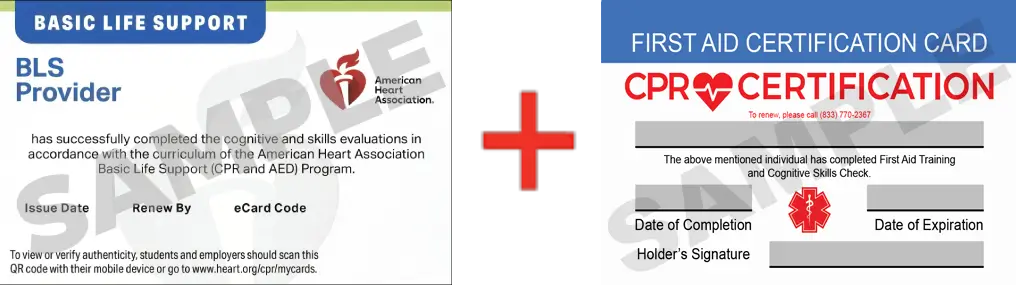
Getting certified is just the first step. CPR and First Aid skills degrade over time if not practiced. The AHA knows this, which is why their certifications have expiration dates – usually two years.
The Importance of Renewal
That expiration date isn’t just bureaucratic red tape. It’s a reminder that medicine and emergency response evolve, and your skills need refreshing. Regular renewal ensures you’re up-to-date with the latest guidelines and keeps your muscle memory sharp.
Choosing Refresher Courses
When it’s time to renew, look for AHA renewal or refresher courses. These are typically shorter than the initial certification course, focusing on updating skills and introducing any new protocols. Again, Make sure you’re going through an authorized AHA provider for your renewal.
Practice Makes Permanent
Even outside of formal renewal classes, consider ways to keep your knowledge fresh. Maybe your workplace offers occasional drills, or you can review AHA videos online. The goal is to be confident and capable when that critical moment arrives. You never know when you’ll be the only one there.
Frequently Asked Questions
What is the most accredited CPR certification?
Because the American Heart Association (AHA) is the gold standard, their certifications are widely recognized and respected. They’re definitely the top dog when it comes to accreditation in the CPR world.
Which is better, BLS or Heartsaver?
It really depends on who you are! For healthcare professionals, BLS (Basic Life Support) is usually the way to go. But if you’re like most people and need a cert for work or just to be prepared, Heartsaver is often the better, more generalized choice.
Why does Heartsaver cost more than BLS?
Honestly, it’s not always that Heartsaver costs more, but sometimes the courses are structured differently, and the Heartsaver curriculum might cover a broader range of scenarios for the general public. Plus, availability and the specific training center can influence pricing.
Are AHA certifications valid online?
You can do a lot of the learning for AHA certs online, which is super convenient! But, for the official certification, you’ll still need to do an in-person skills check. So, it’s a blend, not 100% online for the hands-on part.
How long is an AHA CPR certification valid?
Typically, your AHA CPR certification is good for two years. After that, you’ll need to take a renewal course to keep your skills sharp and your certification current. It’s important to stay up-to-date!
