You never think it’ll happen to you. Or your kid. Or the person next to you at the grocery store. But when the unthinkable strikes, pure panic doesn’t help. Knowing what to do, however? That can literally save a life. Becoming CPR and First Aid certified isn’t just a resume booster; it’s equipping yourself with a superpower, plain and simple.
It. That moment when someone collapses. Or a nasty cut won’t stop bleeding. Having that knowledge, that confidence to step in? Priceless. It’s the difference between “Oh my god, what do I do?” and “Okay, I’ve got this.
Why Bother With Certification, Anyway?
Look, anyone can watch a YouTube video. Anyone can read a pamphlet. But that’s not the same as actual, hands-on training. Certification means you’ve learned from the pros, practiced the techniques, and proven you can handle a crisis.
More Than Just a Piece of Paper
Muscle memory. When adrenaline is pumping, you don’t want to be fumbling for your phone to Google “how to do CPR.” You want your hands to know what to do. That’s where proper training comes in. It drills the steps into you until they’re second nature.
Confidence Under Pressure
Seriously, nothing beats the confidence that comes with knowing you can make a difference. You’re not just a bystander; you’re a potential lifesaver. That’s a powerful feeling, and it’s something you earn through certification.
Legal Protection (Yeah, Really)
It sounds grim, but sometimes people worry about getting sued if they try to help. Having a valid certification can offer some legal protection. Good Samaritan laws exist, but being certified shows you acted responsibly and followed established protocols. It’s a safety net for both you and the person you’re helping.
Where Did CPR Even Come From? A Quick Peek Back

Source : bakersfieldcprcourses.com
This isn’t some newfangled fad. The concept of reviving someone who’s stopped breathing or whose heart has stopped has been around for ages. But modern CPR, the stuff we teach today? That’s got a more recent, and frankly, pretty fascinating history.
The Early Days: Not Exactly High-Tech
Way back when, if someone stopped breathing, doctors might try mouth-to-mouth. Or even more bizarre things. Ancient Egyptians apparently tried blowing smoke into their lungs. Yikes. Not exactly the sterile, systematic approach we have now.
The 1950s: A Revolution Begins
The real breakthrough came in the mid-20th century. Researchers started looking at the heart and lungs systematically. They figured out that chest compressions, when done correctly, could actually pump blood. This was huge. Suddenly, the idea of actively keeping someone alive until medical help arrived became a reality.
Modern CPR & AEDs: The Active Duo
Fast forward to today. We have standardized techniques taught by organizations like the American Heart Association and the American Red Cross. And then came the AEDs – Automated External Defibrillators. These portable devices can shock a heart back into rhythm. Pairing CPR with an AED dramatically increases survival rates. It’s a powerful combination, and knowing how to use both is Key.
Who Needs This Certification? Pretty Much Everyone.

Source : americanhealthtraining.com
Seriously. The list is long. If you think this is just for doctors and nurses, think again. Your average Joe or Jane can and should get this training.
Parents and Caregivers: Non-Negotiable.
If you have kids, this is practically a parental rite of passage. You’re the first line of defense for your own children. Knowing how to respond to choking, drowning, or sudden illness is absolutely Key. You can find great courses through organizations like the American Red Cross.
Workplace Warriors: Protect Your Colleagues.
Lots of jobs require this. Think construction sites, daycare centers, gyms, offices. Employers often see it as a basic safety requirement. It shows you’re a responsible employee who can contribute to a safer work environment.
The Everyday Hero: Because You Never Know.
That neighbor who’s always helping out. The person who volunteers at community events. Anyone who wants to be prepared for the unexpected. You could be at a restaurant, a park, or just walking down the street when an emergency happens. Being certified means you’re ready.
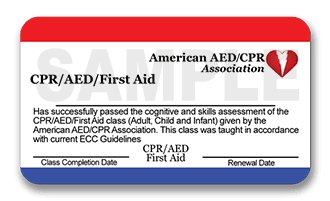
Types of CPR and First Aid Training: What’s the Difference?
Source : aedcpr.com
It’s not a one-size-fits-all deal. There are different levels and focuses depending on your needs. Knowing which one is right for you is the first step.
Basic Life Support (BLS) vs. Heartsaver® CPR
BLS is generally geared towards healthcare professionals. It’s more in-depth. Heartsaver® CPR, on the other hand, is for the general public. It covers the essentials for everyday situations. Think bystander CPR.
First Aid Add-ons: Beyond the Heart
Most CPR courses can be paired with a first aid component. This is where you learn to handle things like cuts, burns, sprains, allergic reactions, and more. It’s like a two-for-one deal on preparedness.
Specialty Certifications
Then you get into the more specialized stuff. Pediatric First Aid is designed for those working with children. Wilderness First Aid prepares you for remote situations. And Aquatic emergencies cover drowning victims. Each has its niche.
Choosing the Right Course: Where to Start Looking

Source : rosevillecprclass.com
Okay, you’re convinced. You need this. Now, how do you actually find a course? It’s easier than you think.
Online vs. In-Person: The Big Debate
You’ll see a lot of online-only options. These are great for the theoretical part, understanding the steps. But let’s be real: CPR and First Aid are skills. You absolutely need hands-on practice. Most reputable certifications require a blended approach: online learning followed by an in-person skills check. Don’t skip the in-person part!
Key Players: Who Offers These Classes?
The big names are the American Heart Association (AHA) and the American Red Cross. Both are excellent and widely recognized. Local hospitals, community centers, fire departments, and even some workplaces offer their courses. Always check if the certification they offer is accepted for your specific needs (like work requirements).
Watch: How to get CPR and First Aid Certification?
What to Look For in a Course
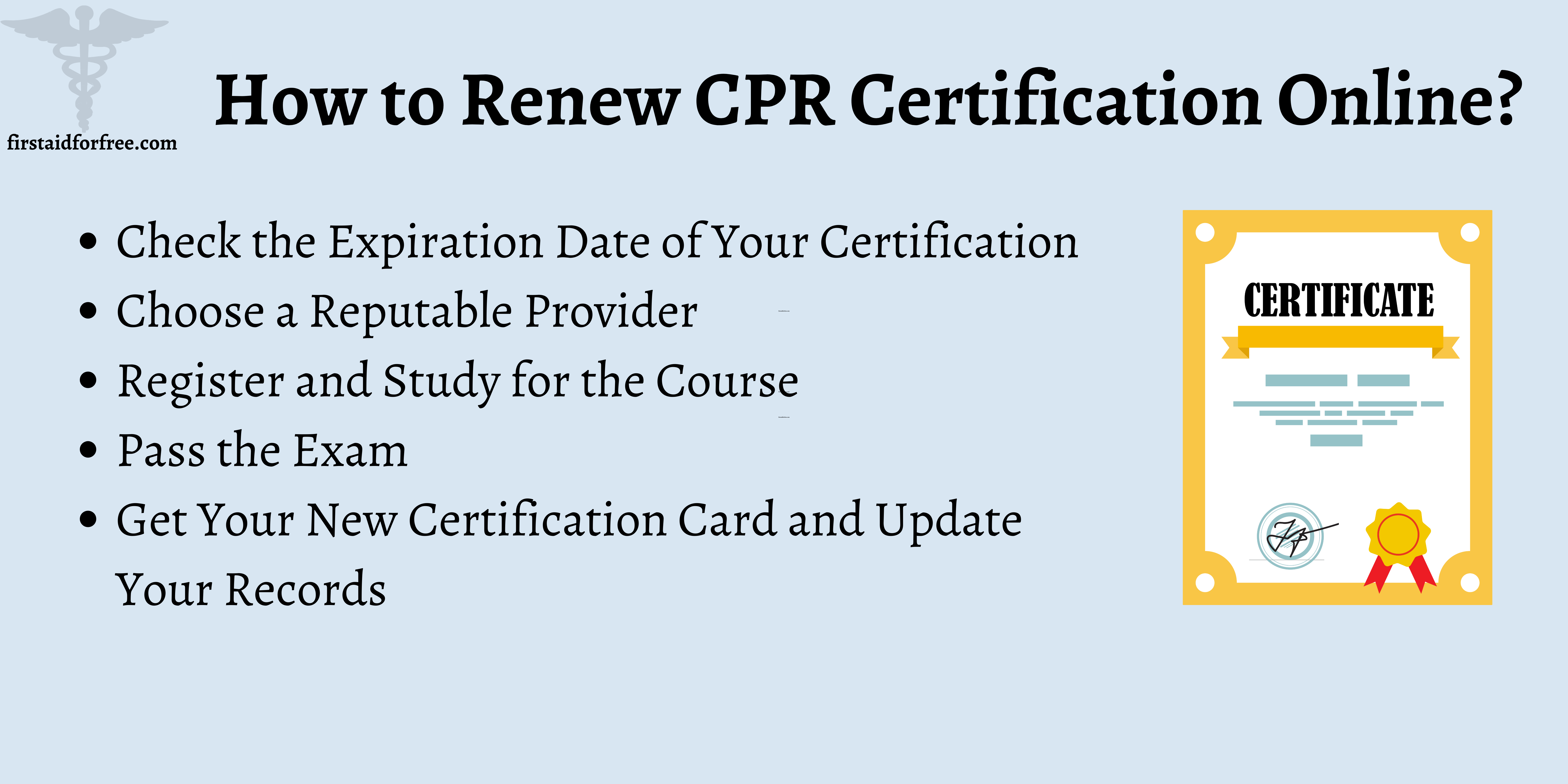
First, make sure it’s hands-on. Second, Make sure the instructors are certified and experienced. Third, check the duration. A good course shouldn’t feel rushed, but it also shouldn’t take all weekend unless it’s a very specialized course. Finally, understand the certification validity period – usually two years. You’ll need to recertify.
The Cost Factor: Is It Expensive?
Source : firstaidforfree.com
Let’s talk brass tacks. How much is this gonna set you back? It varies, but it’s generally pretty affordable for the value you get.
Typical Price Ranges
For a basic CPR and First Aid combination course, you might expect to pay anywhere from $50 to $150. More specialized courses, like BLS for healthcare providers, can be a bit higher, maybe $100-$200.
Getting It Covered (Sometimes!)
Some employers will pay for your certification if it’s required for your job. Check with HR! Some community programs or grants might also offer free or subsidized training. Keep an eye out for those opportunities.
The Value Proposition: You Can’t Put a Price on This
Honestly, compare the cost to the potential impact. A few hundred bucks feels like a bargain when you consider you’re gaining the ability to save a life. It’s an investment in yourself and your community.
So, you’re ready to dive deeper into getting that Needed CPR and First Aid certification, huh? Awesome. Part one was all about the big picture, the ‘why’ and the ‘what.’ Now, let’s get down to the nitty-gritty. We’re talking about the actual ‘how,’ where to find it, how long it sticks, and who needs it most.
How To Become Cpr And First Aid Certified Online For Free

Source : lifelinetrainingllc.org
Let’s cut to the chase: “free” and “certification” rarely play nice together. Most legitimate organizations that issue a valid card need to cover costs. Think instructors, equipment, administrative overhead. It’s not charity work, folks.
Understanding the Limits of Free Online Courses
You can find tons of online courses that teach you CPR and First Aid. They’re great for brushing up or getting a basic understanding. But here’s the kicker: they usually don’t give you an official, accredited certificate. You get a participation trophy, not the real deal. For employers or official requirements, this often won’t cut it. It’s like learning to swim by watching YouTube – you know the theory, but can you actually do it when you’re in the water?
Spotting Reputable Free Training Resources
Now, “free” can sometimes mean a short introductory video or a simulation. Websites like the American Heart Association (AHA) might offer some free educational materials, but the full certification requires hands-on training and assessment. Don’t fall for sites promising a full certification for zero dollars. It’s usually a bait-and-switch. You might get a certificate, but it’s probably worthless.
When “Free” is Actually a Stepping Stone
Some organizations might offer free portions of their training. For example, a local fire department might host a free community awareness event. Or a non-profit could offer a subsidized course for volunteers. These are gems! But they’re rare. Usually, you’ll need to pay for the full, accredited course, even if it’s a lower-cost online option.
Where To Get Cpr And First Aid Certification Near Me
Source : specializedhealthandsafety.com
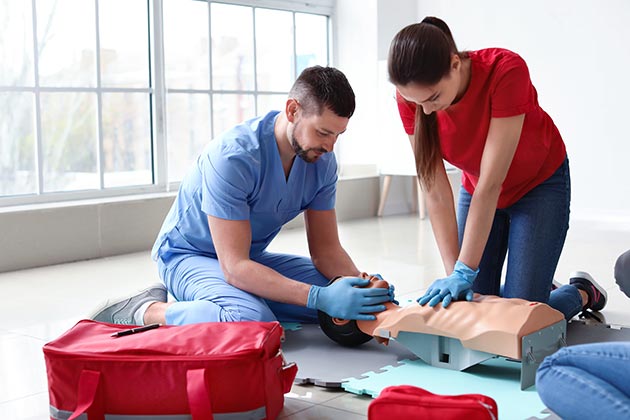
Okay, the “near me” search. This is where you find the rubber-meets-the-road training. Forget those sketchy online-only deals for actual certification; you need a person, a manikin, and a pulse (or lack thereof).
Searching for Local Training Centers
Your best bet is to hit up the big players. Organizations like the American Heart Association and the American Red Cross have sprawling networks. A quick search on their official websites will point you to approved training centers in your area. Look for community centers, hospitals, and even some fire stations that offer classes. These places are usually reliable.
Leveraging Community and Workplace Resources
Don’t forget about your own backyard. Many workplaces offer CPR certification as part of employee training, especially in healthcare, education, or childcare. Ask your HR department! Local community colleges or vocational schools also frequently host these classes. Sometimes they’re open to the public for a fee. It’s a convenient way to get it done.
Considering Mobile or On-Site Training Options
Need training for a group? Some companies offer mobile services where they bring the instructors and equipment to you. This is fantastic for businesses or organizations with multiple people needing certification. It cuts down on travel time and can be more cost-effective for a larger group. Check out services that specialize in workplace first aid training.
How Long Does Cpr And First Aid Certification Last
Source : aedcpr.com
This is a Key point. That shiny card you get isn’t a lifetime pass. It’s more like a driver’s license – it expires, and you need to renew it. Keeping your skills sharp is the whole point, right?
The Standard Expiration Period
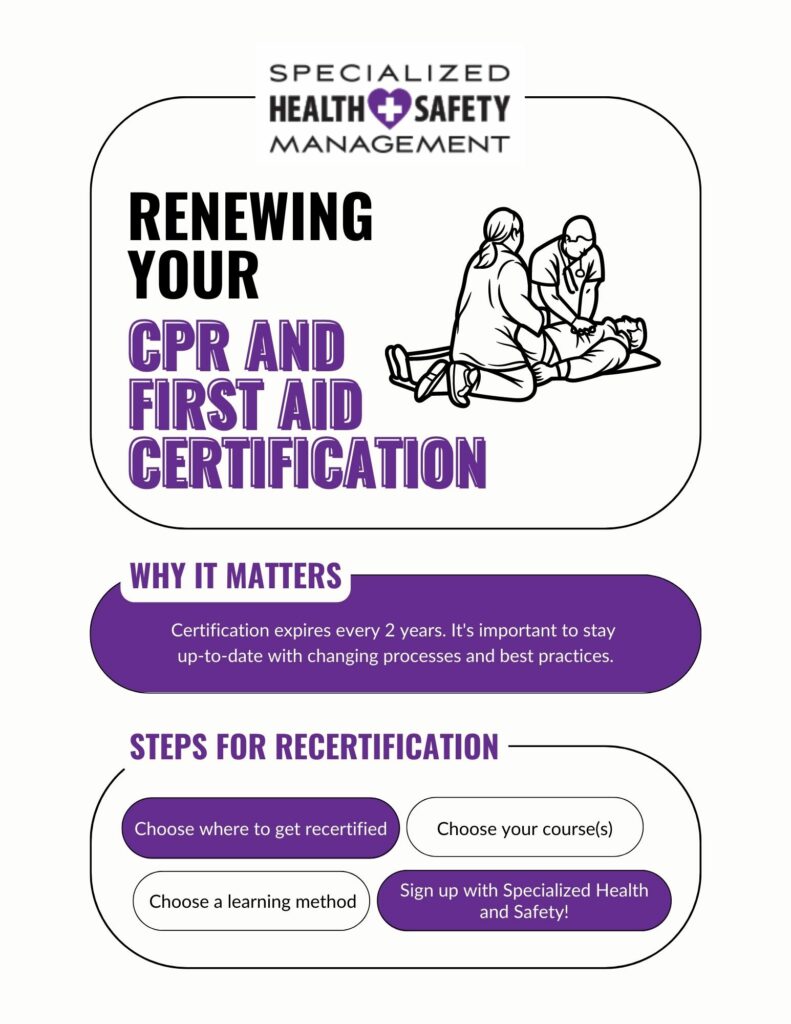
For most CPR and First Aid certifications, the standard validity period is two years. Yep, just two years. This applies whether you took an in-person class or a blended learning course (part online, part in-person skills check). The organizations that issue these cards want to make sure you’re not relying on skills you learned half a decade ago.
Why Regular Renewals Are Needed
Medical guidelines and best practices evolve. What was standard procedure five years ago might be outdated now. Regular renewal courses Make sure you’re trained on the latest techniques and information. Think about it: would you want someone performing CPR on you using techniques from the 1980s? Exactly. It’s about ensuring effective life-saving skills.
Factors Affecting Certification Validity
While two years is the norm, there can be exceptions. Some specialized certifications or employer-specific requirements might demand more frequent renewals. Always check the specific requirements of the certifying body and any organization that requires your certification. Don’t assume; verify!
Best Aha Approved Cpr And First Aid Certification Classes
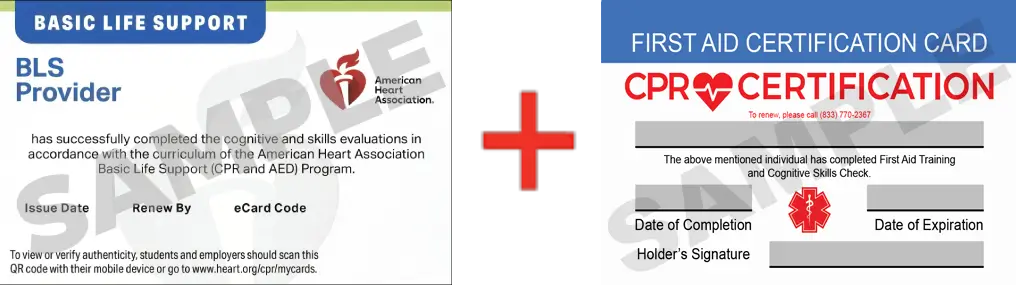
Source : cprmiami.org
When we talk about the gold standard, the American Heart Association (AHA) is right up there. Their training is rigorous, widely recognized, and based on solid science. If you want the best, look for AHA approval.
Benefits of AHA Certified Training
Choosing an AHA-approved course means you’re getting training that meets stringent international guidelines. The AHA is a leader in cardiovascular research and education. Their courses are designed to build confidence and competence in lay rescuers. This certification is often preferred, or even required, in healthcare settings. You can find more information on their official site: American Heart Association CPR.
Finding AHA Classes Near You
The AHA website has a handy “Find a Course” tool. You can filter by location, course type (like Basic Life Support or Heartsaver), and format (instructor-led or blended). Many hospitals, training centers, and even some community organizations are authorized AHA training sites. This is your direct route to quality certification.
Comparing AHA Course Options
AHA offers various courses. Heartsaver is geared towards the general public and those needing a basic level of training. BLS (Basic Life Support) is designed for healthcare professionals. There are also specialized courses for pediatric care and more. Understanding which AHA certification fits your needs is key before you sign up.
How To Become Cpr And First Aid Certified For Daycare Providers
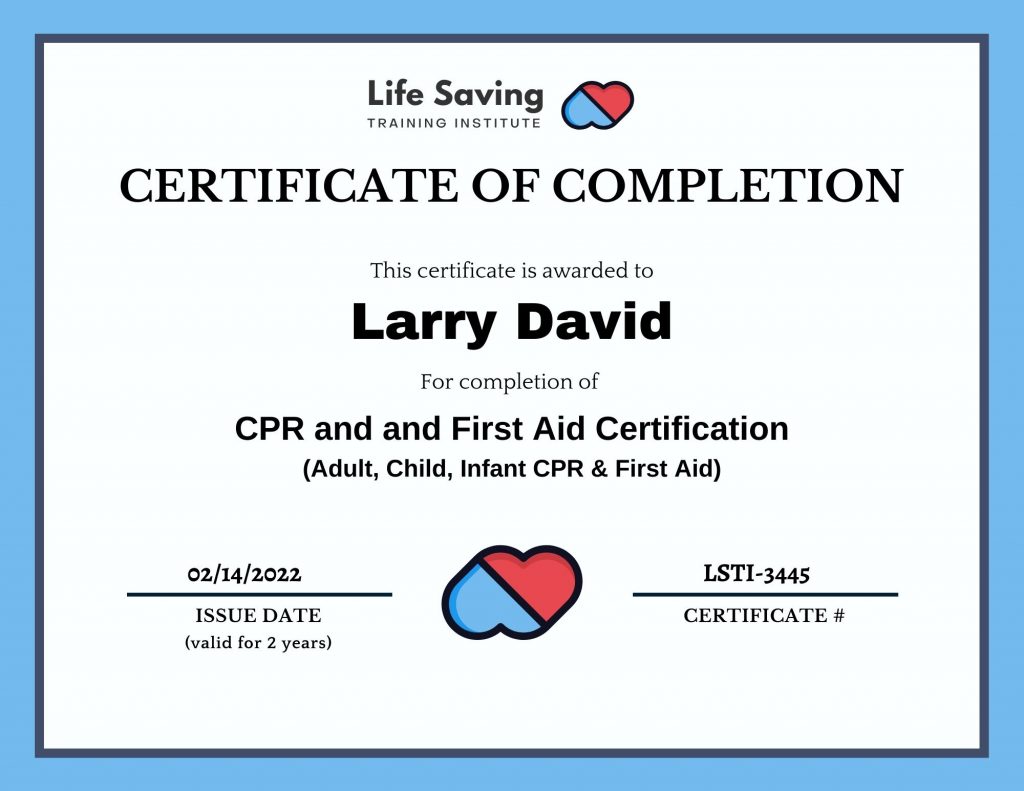
Source : cheap-cpr.com
Alright, if you’re looking after little ones, this isn’t just a good idea; it’s often a legal requirement. Daycare providers have a massive responsibility, and knowing how to handle emergencies with children is Top.
Mandatory Requirements for Childcare Settings
Most states and licensing bodies mandate that anyone working in a daycare or childcare facility must hold current CPR and First Aid certifications. These often need to be specific to pediatric emergencies. Think choking, severe allergic reactions, playground injuries – the kinds of things that can happen when you’re responsible for kids. This ensures child safety is prioritized.
Choosing Pediatric-Focused Training
While general CPR/First Aid is good, you’ll want a course that specifically covers pediatric CPR and first aid. These courses teach you how to perform these life-saving techniques on infants and children, who have different anatomies and common emergencies compared to adults. Look for classes explicitly mentioning “Pediatric CPR” or “Child and Baby CPR.
Documentation and Renewal for Daycare Professionals
Keep Careful records! Your daycare will need proof of your certification, and you’ll need to track expiration dates closely. Renewals are non-negotiable. Missing a renewal date could mean you’re not legally allowed to work until you get recertified. This is a Key aspect of daycare provider compliance.
Here’s a quick breakdown of what a good pediatric CPR/First Aid course covers:
| Topic | Key Skills Covered | Why It’s Key for Daycare |
|---|---|---|
| Infant & Child CPR | Chest compressions, rescue breaths adapted for size. | Sudden cardiac arrest can happen to kids. |
| Choking Response | Back blows, abdominal thrusts (Heimlich maneuver) for different age groups. | Common hazard with young children (toys, food). |
| Allergic Reactions (Anaphylaxis) | Recognizing signs, using an epinephrine auto-injector (EpiPen). | Food allergies are prevalent and can be life-threatening. |
| Bleeding and Wounds | Controlling severe bleeding, bandaging. | Scrapes and cuts are daily occurrences. |
| Burns | First aid for different burn types. | Kids are prone to burns from hot liquids or objects. |
So there you have it. Getting certified is totally doable, but you need to know where to look and what you’re getting into. Don’t cut corners on this stuff; lives could depend on it.
Frequently Asked Questions
How long does it take to be CPR certified?
Honestly, it varies, but most CPR certification courses are pretty quick. We’re talking a few hours, maybe half a day, tops. Some online components can speed things up, but you’ll usually need a hands-on session to get that official card. It’s not a huge time commitment for a skill that could save a life, right?
Is first aid 2 or 3 years?
That’s a great question! Generally, first aid certification is valid for 2 years. Think of it like your driver’s license – you need to renew it periodically to make sure you’re up-to-date with the latest techniques. Some specific workplaces might have different requirements, but 2 years is the standard you’ll see most often.
Is first aid certified the same as CPR certified?
Nope, not exactly the same, though they’re super closely related! CPR training focuses specifically on cardiopulmonary resuscitation – chest compressions and rescue breaths. First aid is broader; it covers how to handle all sorts of emergencies before professional help arrives, like cuts, burns, choking (which CPR also touches on), and more. You can often get them bundled together, though.
What are the requirements to be CPR certified?
It’s pretty accessible. You usually just need to be able to perform the skills required – like good communication and physical ability to do compressions. There aren’t usually super strict academic prerequisites. You’ll need to pay for the CPR class and pass both a written test and a practical skills test. That’s about it!
Can I get CPR and First Aid certified online?
You can definitely do a lot of the learning online – the theory, the videos, the quizzes. Many online CPR courses offer a certification upon completion of the coursework. However, to get a truly recognized certification, especially for work, you’ll almost always need to complete a hands-on skills session with a certified instructor. So, it’s usually a blended approach rather than fully online.
