Don’t Let Your Skills Expire: The Real Deal on CPR & First Aid Certification Lifespans
So, you’ve gone through the course, learned how to do chest compressions like a champ, and know how to slap a bandage on like a pro. Awesome. But here’s the kicker: that shiny CPR and First Aid certification isn’t a lifetime pass. Nope. It’s got an expiration date, and knowing when that is could literally save a life down the road. Let’s cut through the jargon and get to the nitty-gritty about how long this Key training actually lasts.
It’s more than just a piece of paper. It’s about being prepared. Being that person who can step in when everything else goes sideways. But that preparedness? It needs to be current. Outdated knowledge is, frankly, dangerous. So, how long can you count on your training to be effective and recognized?
The Standard Shelf Life: How Long Do Certifications Typically Last?
Source : redcross.org
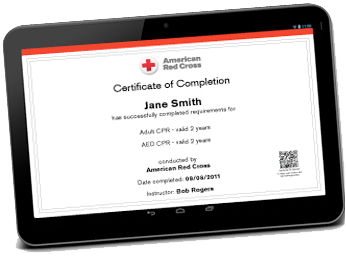
Look, the most common answer you’ll hear, and for good reason, is two years. Most reputable organizations, and yes, even the big players like the American Heart Association and the American Red Cross, set their standard certification validity period at two years.
Why the Two-Year Mark? It’s Not Arbitrary.
This isn’t some random number pulled out of a hat. It’s based on a few critical factors. First, medical guidelines and best practices evolve. What was the gold standard five years ago might be tweaked today based on new research. Think about CPR compression rates or rescue breathing techniques; they’ve seen updates.
Second, skills degrade. You know how quickly you forget a language if you don’t practice? It’s similar with life-saving techniques. Regular renewal ensures you’re not just remembering how to do something, but that you’re doing it correctly and confidently. It keeps those critical skills sharp.
What About Different Providers? Does It Vary Wildly?
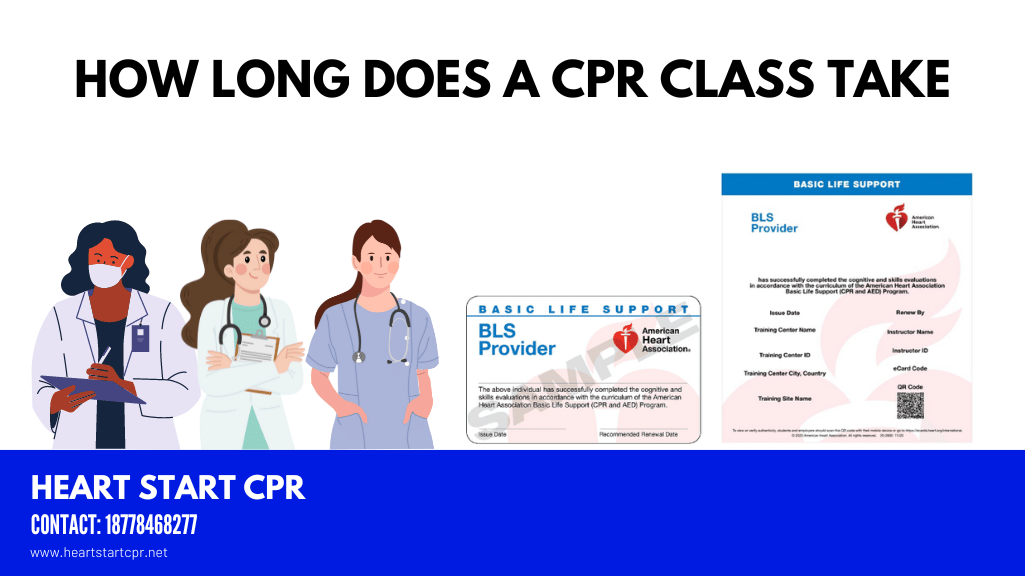
While two years is the overwhelming norm, you might see slight variations depending on the specific organization or the type of course. Some specialized courses, particularly those for healthcare professionals (like Basic Life Support – BLS), might have different renewal cycles. Always check with the certifying body for the exact expiration date on your card.

Source : heartstartcpr.net
But for the vast majority of community and workplace certifications, think two years. It’s the industry standard for a reason. Don’t get caught assuming your training is good forever.
CPR Certification Expiration: The Nitty-Gritty Details
When we talk about CPR certification, we’re generally talking about the training focused on performing cardiopulmonary resuscitation on adults, children, and infants. This is the core skill many people seek when they get certified.
The Clock Starts Ticking: When Does Your Certification Actually Expire?
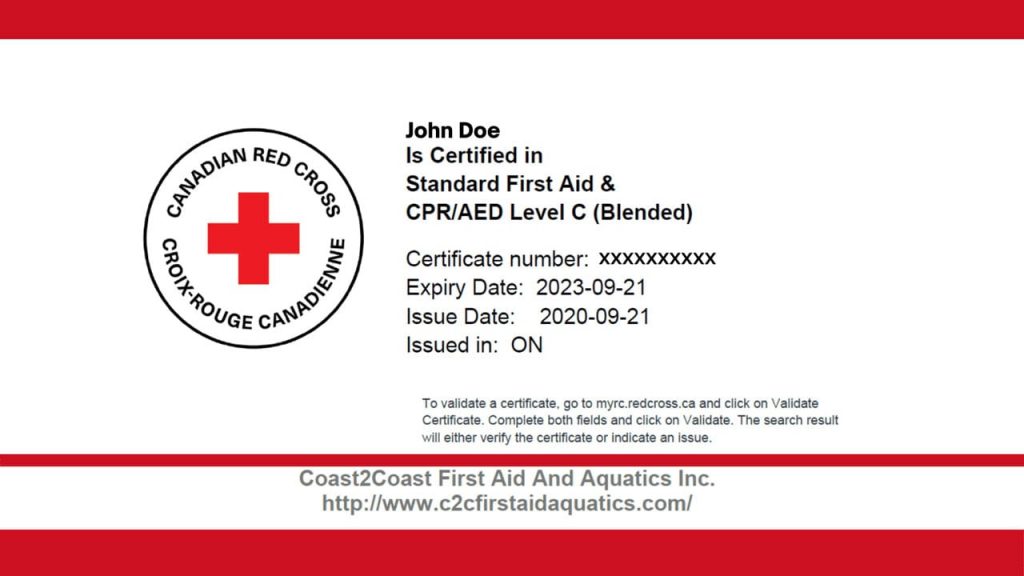
Your certification is typically valid from the date you successfully complete the course and receive your card. The expiration date will be clearly printed on your certification card. It’s usually the same day of the month, two years later. For example, if you got certified on March 15th, 2024, it would expire on March 15th, 2026.
Mark your calendar! Seriously. Set a reminder on your phone, put a note on your fridge, whatever it takes. Missing your renewal window means your certification lapses, and you’ll need to retake the full course.
Why It Matters: Beyond the Piece of Paper
For many jobs, especially in healthcare, childcare, or education, an expired certification means you can’t legally work in that capacity. Employers need to know their staff are up-to-date with the latest protocols. It’s a matter of compliance and, more importantly, ensuring the highest level of safety for those they serve.
Daycare center. If a child needs CPR, they need someone whose training is current, not something from 2018. This is where immediate preparedness becomes critical.
First Aid Certification Lifespan: What You Need to Know
First aid certification covers a broader range of injuries and sudden illnesses, from minor cuts and burns to more serious issues like choking or severe allergic reactions. It’s about immediate response before professional medical help arrives.
Is First Aid Training Subject to the Same Rules?
Generally, yes. Just like CPR, most First Aid certifications are also valid for two years. The reasoning is identical: evolving best practices and the need to keep practical skills honed. Protocols for treating burns, managing bleeding, or responding to allergic reactions can be updated based on new medical findings.
Taking a combined CPR and First Aid course means both certifications will likely share the same expiration date, usually two years from the completion date. It simplifies the renewal process.
The Importance of Refresher Courses and Renewals
Even if your certification is still valid, participating in refresher courses or continuing education can be incredibly beneficial. It reinforces what you’ve learned and introduces you to any minor updates that might have occurred. Think of it as preventative maintenance for your life-saving skills.

Source : cprvam.com
Some organizations might offer shorter renewal courses or online components to bridge the gap between full certifications. This makes staying current much easier and often more affordable than retaking the entire initial course.
Renewal vs. Recertification: What’s the Difference?
You’ll hear these terms thrown around, and while they often lead to the same outcome (getting a new card), there can be subtle distinctions depending on the provider.
Understanding the Renewal Process
Renewal typically involves taking a shorter, condensed version of the original course. It’s designed to refresh your knowledge and re-test your practical skills. For example, the American Red Cross offers streamlined renewal options for many of its certifications.
These renewal courses are often quicker and less expensive than the initial certification course. They assume you have a foundational understanding from your previous training and focus on bringing you up to speed with any guideline changes and reinforcing key skills. It’s an efficient way to maintain your valid certification.
Recertification: Sometimes It Means Starting Over
In some contexts, “recertification” might imply that if your certification has lapsed significantly (i.e., it’s expired by more than a few months or a year), you might need to complete the full initial certification course again, rather than just a renewal course. Always check the specific requirements of your certifying body.
This distinction is important! Letting your certification expire past a certain grace period (if one exists) can mean more time and money spent to get back to current status. It highlights the need to track your expiration date diligently.
Factors Influencing Certification Duration
While two years is the standard, not all certifications are created equal. Several factors can influence how long your training is considered valid.
Provider Standards (AHA vs. Red Cross vs. Others)
Major providers like the American Heart Association (AHA) and the American Red Cross typically adhere to the two-year standard for their core CPR and First Aid certifications. However, smaller or specialized training organizations might have different policies.
It’s always wise to confirm the validity period directly with the institution issuing your certification. Don’t assume; verify. This is especially true if you’re getting certified through a local community program or a niche safety training company.
Type of Course: Basic vs. Advanced/Professional
A basic Heartsaver CPR course for the general public might have a two-year validity. But a more advanced course, like BLS (Basic Life Support) or ACLS (Advanced Cardiovascular Life Support) for healthcare professionals, might have different renewal cycles, sometimes even shorter, like one year.
Source : heartstartcpr.net
These advanced courses require a deeper understanding and more complex skill sets, necessitating more frequent updates. The demands of a hospital environment require the most current, rigorously tested skills. Always know which course you’re taking and its specific requirements.
Workplace Requirements: Your Employer Might Have Stricter Rules
Even if your certification card says it’s valid for two years, your employer might require you to renew more frequently. Some workplaces, particularly in high-risk industries or those with stringent safety regulations, mandate annual renewals to Make sure the highest level of preparedness.
It’s Key to understand your employer’s specific policies regarding CPR and First Aid certification. They may have additional training requirements beyond the standard certification, so always check that workplace compliance is met.
The Consequences of an Expired Certification
Letting your CPR and First Aid certification lapse isn’t just an administrative oversight; it can have real-world consequences.
Professional Repercussions: Job Eligibility and Liability
For many professions, an up-to-date certification is a non-negotiable requirement. If your certification expires, you may be removed from work duties requiring it, or worse, face termination. It can also impact your ability to be hired for new positions that require these skills.
From a liability standpoint, acting as a rescuer with an expired certification could potentially raise questions about your qualifications, though Good Samaritan laws often offer protection. Still, having current training is the safest bet both professionally and legally. This is a key reason for timely renewals.
Personal Readiness: Are You Truly Prepared to Help?
Beyond professional needs, there’s the personal aspect. An expired certification might mean your skills are no longer as sharp as they need to be. Protocols change, and your memory might be fuzzy on the finer points. In an actual emergency, hesitation or incorrect actions could have dire results.
Renewing isn’t just about checking a box; it’s about ensuring you can confidently and effectively provide aid when it matters most. It’s about being ready to make a difference.
Keeping Your Skills Current: A Proactive Approach
The best strategy? Don’t wait for your card to expire. Be proactive about maintaining your life-saving skills. Think of it like regular car maintenance – you don’t wait for the engine to seize before getting an oil change.
Mark Your Calendar and Set Reminders
This is the simplest, yet most effective, step. As soon as you get your certification, note the expiration date. Set multiple reminders: a few months before, a month before, and a week before. This ensures you have Plenty of time to find and complete a renewal course without rushing.
Source : c2cfirstaidaquatics.com
Use digital tools! Calendars, task management apps, even simple sticky notes can be lifesavers. Knowing your renewal date well in advance is key.
Explore Renewal Options Early
Many certifying bodies, like the American Red Cross, provide specific renewal courses that are shorter and often more affordable than initial certifications. Check out resources like the American Red Cross CPR renewal page to see available options. Don’t delay; look into these options as soon as your reminder pops up.
Some courses might even blend online learning with a shorter in-person skills session, offering flexibility. Exploring these early ensures you can find a class that fits your schedule and location.
Consider Blended Learning (Online + In-Person)
The rise of blended learning has made recertification incredibly convenient. Many programs now offer a significant portion of the training online, covering theory and knowledge updates, followed by a brief, mandatory in-person session focused purely on practical skills assessment.
This approach saves time while still ensuring you get hands-on practice and evaluation by a certified instructor. It’s a modern solution for keeping Key skills up-to-date efficiently.
Table: CPR & First Aid Certification Lifespans
| Certification Type | Typical Validity Period | Renewal Frequency | Common Providers | Notes |
|---|---|---|---|---|
| Standard CPR (Adult/Child/Infant) | 2 Years | Every 2 Years | AHA, Red Cross,ASHI | Expiration date on card is key. |
| Standard First Aid | 2 Years | Every 2 Years | AHA, Red Cross,ASHI | Often combined with CPR. |
| Basic Life Support (BLS) – Healthcare | 2 Years | Every 2 Years | AHA, Red Cross | Often requires more frequent renewal than basic courses. |
| Advanced Certifications (ACLS, PALS) | 1-2 Years | Annually or Every 2 Years | AHA, Red Cross | Specific requirements vary; check provider guidelines. |
| Workplace-Specific Training | Varies | As required by employer | Employer-mandated | May exceed standard certification periods. Always confirm. |
This table gives you a solid overview, but remember: always check your specific card and the requirements of your training provider and employer. Don’t get caught out!
Frequently Asked Questions
How long does a CPR first aid cert last?
Generally, most CPR and First Aid certifications are valid for two years. It’s super important to keep track of your expiration date because things can change fast, and you’ll want to be ready for any situation.
Is first aid 2 or 3 years?
Most organizations, like the American Heart Association and the Red Cross, set their first aid certification renewal period at two years. A few might offer a three-year cert for specific advanced courses, but two years is the standard you’ll usually see.
Can I renew my first aid and CPR online?
You bet! Many places offer online renewal options for your CPR and First Aid certification. It’s a convenient way to refresh your skills and get your new card without having to attend a full in-person class, though sometimes a skills check is still needed.
Can you work if your CPR certification expires?
It really depends on your job. Many professions, especially those in healthcare or childcare, require your CPR certification to be current. If it expires, you might not be able to perform your duties until you get it renewed. Better safe than sorry!
What happens if my CPR certification expires?
If your CPR certification expires, you’re no longer considered actively certified. This means you can’t legally act as a certified rescuer in an emergency, and it could impact your job if your role requires current certification. You’ll need to take a renewal course to get back up to date.
