Stop Scrambling: Your Go-To Guide for Finding CPR and First Aid Near You
Look, nobody wants to think about emergencies. But let’s be real: life throws curveballs. One minute you’re grabbing coffee, the next someone’s choking. Knowing CPR and first aid isn’t just a nice-to-have skill; it’s a downright lifesaver. So, where do you even start when you need that certification near me?
Forget those stuffy online-only courses that leave you feeling like you’ve learned nothing practical. We’re talking hands-on training, the kind that actually builds confidence. You need to feel prepared, not just click through slides.
The Absolute Essentials: Why Bother With CPR Certification?
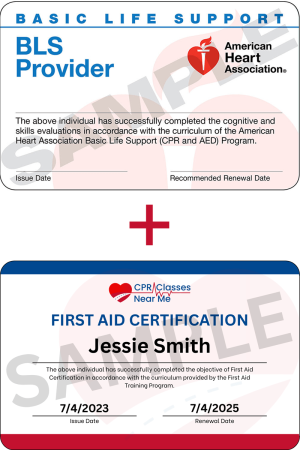
Source : cprclassesnearme.com
Saving a Life Isn’t Optional
Seriously, this is the big one. If you’re around people – and who isn’t? – you could be the one person who knows how to act when the unthinkable happens. Having CPR certification means you’re ready. It’s not just about a card; it’s about critical intervention.
It’s Often Required (Bummer, But True!)
It. Healthcare professionals? Obviously. But what about teachers, daycare workers, coaches, even some office jobs? Many employers need you to have this. It shows you’re taking your responsibility seriously. Don’t get caught out when a job opportunity pops up.
Boost Your Confidence in a Crisis
Walking into an emergency situation can be terrifying. Knowing you’ve had proper training? That’s a different story. You’ll have a clearer head and a plan. This first aid certification gives you the power to act decisively.
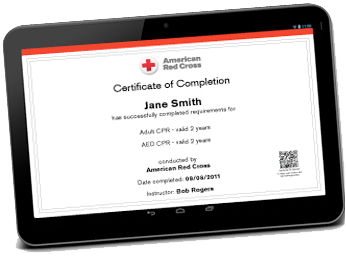
Source : redcross.org
Finding Local Training Centers: Your First Stop
Community Centers and Fire Departments
Don’t underestimate these guys. Your local fire department or community center often hosts CPR and first aid classes. They’re usually affordable and accessible. Plus, you’re supporting a community resource. Check out places like the fire department in Bothell, WA; they offer some great options via their official website for residents.
Hospitals and Healthcare Facilities
Hospitals are hubs of medical knowledge, right? Many offer community classes. These can be excellent, often taught by nurses or paramedics. The downside? They can sometimes be a bit pricier, but the quality is usually top-notch. It’s a solid place to look for certified CPR training.
Private Training Organizations
These are your dedicated CPR and First Aid training companies. They pop up everywhere. Think of the guy running a pizza shop on 4th Street – he might need his staff certified. These places are specialized, offering various course types. Just make sure they’re accredited!
The Big Players: Red Cross and American Heart Association
American Red Cross: A Name You Know
The Red Cross is practically synonymous with first aid. They have classes all over the country. For those in the Seattle area, you can find numerous courses. They offer flexible learning options, including blended online and in-person sessions. Check out specific offerings for the Seattle region through the American Red Cross Washington site.
American Heart Association (AHA): Another Top Contender
The AHA is another major provider, especially for healthcare-level certifications like BLS (Basic Life Support). Many private training centers partner with AHA. If you’re in a medical field or aspire to be, AHA courses are often the standard. They focus heavily on cardiac resuscitation.
Choosing Between Them
Honestly? For basic CPR and First Aid, both are excellent. The core skills are the same. It often comes down to which one has a class that fits your schedule and budget near you. Read the course descriptions carefully to Make sure it meets your needs.
What to Expect in a CPR/First Aid Class

Source : elkgrovecprclasses.com
The Theory: Understanding the Basics
You won’t just be jumping into chest compressions. Classes start with the “why.” Understanding how CPR works, recognizing emergencies, and basic safety precautions are covered first. It’s about building a foundational knowledge base.
The Practice: Getting Hands-On
This is Key. You’ll practice on manikins. Chest compressions, rescue breaths – you’ll do it repeatedly. Instructors guide you on proper hand placement, depth, and rate. This is where practical skills really develop. Don’t skip this part!
First Aid Scenarios
Beyond CPR, you’ll cover common injuries. Think cuts, burns, sprains, choking, even allergic reactions. You’ll learn how to assess the situation and provide immediate care until professional help arrives. This Full training is Crucial.
Course Formats: Finding Your Fit
Traditional In-Person Classes
These are your classic classroom settings. You attend a single session, typically a few hours long, and leave with your certification. Great for those who learn best by doing and interacting directly with an instructor. It’s the most straightforward way to get certified CPR.
Blended Learning (Online + In-Person)
This is super popular now. You complete a portion of the learning online at your own pace (videos, quizzes). Then, you attend a shorter, in-person skills session to demonstrate your practical abilities. It’s efficient and flexible, perfect for busy schedules.
Skills-Only Sessions
If you’ve already done an online course (maybe through your employer or another provider), you can often find in-person sessions just to practice and get your skills officially assessed and certified. This is a quick way to wrap things up.
Cost and Certification Length: What You Need to Know
Typical Costs Involved
Prices can really vary. Expect anywhere from $50 to $150, depending on the provider, location, and type of class. Community centers might be on the lower end, while specialized medical courses could be higher. Look for deals, but prioritize quality training over the cheapest option.

Source : americanhealthtraining.com
How Long is the Certification Valid?
Most standard CPR and First Aid certifications last for two years. After that, you’ll need to take a renewal or refresher course to keep your skills current and your certification active. Recertification is usually shorter and less expensive than the initial course.
Table of Common Certification Providers & Features
| Provider | Typical Cost Range | Certification Length | Course Formats | Focus |
|---|---|---|---|---|
| American Red Cross | $60 – $120 | 2 Years | In-Person, Blended | General Public, Workplace |
| American Heart Association (AHA) | $70 – $140 | 2 Years | In-Person, Blended | Healthcare Professionals, Public (BLS, Heartsaver) |
| Local Fire Depts/Community Centers | $40 – $80 | 2 Years | Primarily In-Person | Community Focused, Basic Life Support |
| Private Training Companies | $50 – $150+ | 2 Years | In-Person, Blended | Varied (Workplace specific, advanced courses) |
Don’t Wait: Get Your CPR and First Aid Certification Today
The Urgency is Real
Seriously, what are you waiting for? Emergencies don’t send RSVP requests. Getting CPR certified and learning basic first aid is one of the most empowering things you can do for yourself and those around you. It takes a few hours, a small investment, and gives you a skill that truly matters.
Make it a Group Thing
Got a book club? A group of friends? A workplace team? Make a day of it! Taking a first aid class together can be a bonding experience. Plus, you’ll all be better prepared to help each other. It’s a win-win.
So, stop putting it off. Find a class near you that fits your schedule and budget. You never know when you’ll be the one to make a difference. That certification near me is closer than you think.
Frequently Asked Questions
What are the common places to get CPR and First Aid certification near me?
You can usually find CPR and First Aid classes at local community centers, hospitals, fire departments, and dedicated training organizations. Many organizations like the American Heart Association or the American Red Cross offer courses. Sometimes, workplaces or schools will host them too!
How long does a CPR and First Aid certification course usually take?
It really varies, but most courses are pretty quick. A basic CPR certification and First Aid combo might take anywhere from 4 to 8 hours, often spread over one or two days. Some might be even faster if they have an online component you do beforehand.
Is CPR and First Aid certification expensive?
Generally, nope! Prices can range from $50 to $150, depending on the provider and the type of course. Sometimes, if your job requires it, your employer might even cover the certification cost. It’s a small price for knowing how to save a life, right?
How often do I need to renew my CPR and First Aid certification?
Most certifications are valid for about two years. So, you’ll need to take a refresher course or recertify pretty regularly. It’s good to keep your first aid skills sharp anyway!
Can I get CPR and First Aid certified online?
You can often complete the knowledge portion of the course online, but you’ll almost always need to do an in-person skills session to get your official CPR and First Aid certification. This hands-on part is super important for learning the actual techniques.
