How Long Does It Take To Get A Project Management Certificate? Let’s Break It Down.
So, you’re eyeing that project management certificate. Good move. It’s like getting a golden ticket in the career world, right? But then the big question hits: how long will this actually take? People throw around terms like PMP, CAPM, and Scrum Master, and suddenly you’re drowning in acronyms and timelines. It’s not just a simple “X weeks and you’re done” situation. Trust me, I’ve seen folks get bogged down by the details, thinking it’s a sprint when it’s really a meticulously planned marathon. Let’s cut through the noise and get real about the time commitment involved.
Forget those fluffy articles that give you vague answers. We’re diving deep, dissecting every step, and giving you the honest truth. Because if you’re going to invest your precious time and hard-earned cash, you deserve to know exactly what you’re getting into. This isn’t just about passing an exam; it’s about equipping yourself with the skills to actually manage projects successfully.
The Big Kahuna: PMP Certification – What’s the Real Deal?
Source : icertglobal.com
When most people talk about a “project management certificate,” they’re often thinking about the gold standard: the Project Management Professional (PMP) certification from the Project Management Institute (PMI). It’s the one that carries serious weight. But getting there? It’s a journey, not a hop, skip, and a jump. You can’t just wing it.
Understanding the PMP Requirements: More Than Just Passing a Test
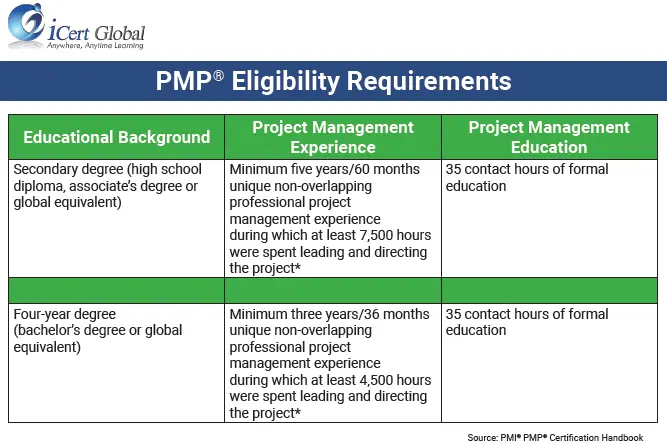
Before you even think about booking a test date, you’ve got to meet PMI’s prerequisites. This is non-negotiable. They want to see that you’ve actually, you know, done project management before. This isn’t for fresh grads straight out of college (unless they have specific educational backgrounds, which we’ll get to).
- Experience is King: For most folks with a bachelor’s degree, you need a minimum of 4,500 hours of leading and directing project work. That’s a hefty chunk of time – think 2-3 years of solid, demonstrable experience.
- Formal Education Counts Too: On top of that experience, you also need 35 hours of formal project management education. This can be courses, workshops, or training programs specifically focused on project management principles.
- Alternative Paths Exist: If you don’t have a bachelor’s degree, the requirements shift. You’ll need a secondary degree (like a high school diploma) and a whopping 7,500 hours leading projects, plus those 35 education hours. See? It matters.
This initial hurdle can be a big one. It’s not just about studying; it’s about having the actual work experience logged and verified. Make sure you’re tracking your projects meticulously.
The Education Hurdle: Those 35 Contact Hours
Okay, so you’ve got the experience. Now for the structured learning. Those 35 hours of education are Key. These aren’t just random webinars; they need to be from reputable providers covering specific project management topics outlined by PMI. Many candidates knock this out relatively quickly through intensive courses.
- Bootcamps & Online Courses: You can find 3-5 day intensive bootcamps that cover these hours. Online courses offer flexibility, letting you complete them at your own pace.
- Cost vs. Time: Factor in the cost. While some courses are affordable, others can be quite pricey. The time to complete them varies greatly – from a week of full-time study to a couple of months of part-time work.
- Provider Matters: Make sure the provider is legitimate and their curriculum aligns with PMI’s standards. Getting this wrong means wasted time and money.
Honestly, most people find getting these 35 hours done is the easiest part time-wise. It’s the experience requirement that truly dictates the timeline for many aspiring PMPs.
The Application Gauntlet: Don’t Mess This Up
Source : knowledgehut.com
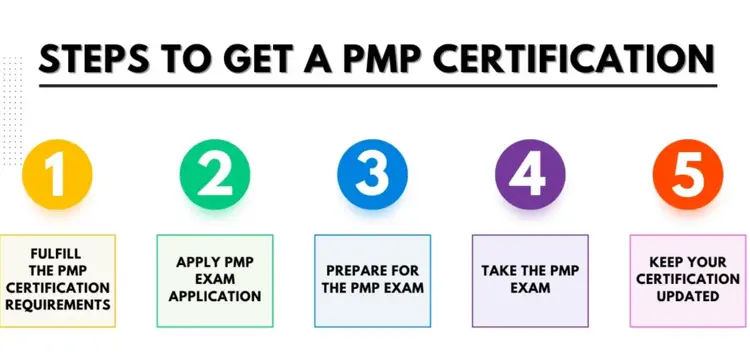
Once you’ve got the experience and education hours sorted, you submit your application to PMI. This isn’t just filling out a form; it’s detailing your project experience. Be precise. PMI audits a percentage of applications, and if yours gets flagged, you’ll need to provide further documentation. This can add significant delays if you’re not prepared.
- Accuracy is Key: Double-check every date, every project role, every responsibility. Vague descriptions are a red flag.
- Audit Potential: Be aware that an audit can happen. They might ask for verification from your past employers or supervisors. Having your documentation ready is Key.
- Review Time: PMI’s review process itself can take 5-10 business days once submitted. If an audit occurs, this can stretch much longer.
Rushing through the application is a recipe for disaster. Give it the attention it deserves; it’s the gatekeeper to your exam.
PMP Exam Prep: The Marathon, Not the Sprint
This is where the bulk of the focused study time happens for most people. The PMP exam is notoriously challenging. It covers a vast amount of material, and you need to understand how to apply the concepts, not just memorize them. How long does this take? It varies wildly.
- Average Study Time: Many sources suggest anywhere from 100 to 350 hours of dedicated study. If you’re studying 10 hours a week, that’s 10 to 35 weeks – roughly 2.5 to 8.5 months.
- Factors Influencing Prep Time: Your background knowledge, how quickly you learn, the quality of your study materials, and the intensity of your study schedule all play a massive role. Some people can cram it into 1-2 months of intense focus, while others spread it out over 6 months or more.
- Practice Exams are Key: You absolutely need to take multiple full-length practice exams. These alone can add dozens of hours to your preparation. They help you build stamina and identify weak areas.
Don’t underestimate this phase. Trying to rush PMP preparation is a common mistake that leads to failure. It’s better to be slightly over-prepared than under-prepared.
Beyond PMP: Other Project Management Certificates
The PMP isn’t the only game in town. Depending on your career goals and industry, other certifications might be more suitable or Act as stepping stones. Let’s look at a couple of popular alternatives and their timeframes.
Certified Associate in Project Management (CAPM): The Entry-Level Option
This is PMI’s certification for those who don’t yet meet the PMP experience requirements. It’s a fantastic way to get your foot in the door and demonstrate foundational knowledge. It’s a lot more accessible.
- Eligibility: Requires a secondary degree and 23 hours of project management education OR 1,500 hours of project experience. Much lower barriers than PMP.
- Study Time: Generally, expect to spend anywhere from 40 to 100 hours studying. This could translate to a few weeks of intensive study or 1-3 months of part-time effort.
- Exam Focus: The CAPM exam is based on PMI’s PMBOK® Guide and focuses more on understanding terminology and basic principles.
For someone starting out, getting a CAPM certificate is significantly faster than aiming straight for the PMP. It’s a smart first step.
Certified ScrumMaster (CSM): Agile in Focus
If you’re interested in agile methodologies, particularly Scrum, the CSM certification is highly sought after. It’s offered by the Scrum Alliance and has a different structure.
- The Course is the Key: Unlike PMP, the CSM requires attending a two-day, 16-hour in-person or live virtual course taught by a Certified Scrum Trainer (CST).
- Post-Course Exam: After the course, you’ll typically take a short online exam. The real learning happens during the interactive course itself.
- Certification Timeline: So, realistically, you’re looking at two full days for the course, plus maybe a few hours for the exam. Once you pass, you’re certified! The certification is typically valid for two years.
This is one of the fastest ways to get a recognized project management-related credential. It’s laser-focused on Scrum principles and practices.
Other Agile Certifications (PSM, SAFe, etc.)
The world of agile is vast. Beyond CSM, you have certifications like the Professional Scrum Master (PSM) from Scrum.org, which has a similar course structure but a different exam and philosophy. Then there are Scaled Agile Framework (SAFe) certifications, which cater to larger enterprise environments.
- PSM: Similar to CSM in concept, often considered more rigorous. Requires attending a course (optional but recommended) and passing a challenging exam. Time commitment is usually a few days of training plus exam prep.
- SAFe Certifications: These often involve multi-day workshops (e.g., leading SAFe, SAFe Scrum Master) and can take 2-3 days of training, followed by an exam. They are geared towards scaling agile practices across an organization.
- Varying Timeframes: Each has its own prerequisites and recommended study times, but generally, agile certifications are quicker to obtain than the PMP due to their focused scope and often shorter training requirements.
If agile is your jam, these can offer quicker certifications than traditional PMP routes, but they serve a different, though related, purpose.
The Nitty-Gritty: Factors That REALLY Affect Your Timeline
Okay, we’ve laid out the general paths. But let’s be real: your personal situation is going to be the biggest determinant of how long it takes. Stop looking for a magic number and start looking at these variables.
Your Current Experience Level and Education
This is the elephant in the room, especially for PMP. Do you already have 5 years of project management under your belt? Great! You’re halfway there. If you’re just starting, you’ve got a longer road ahead. Your existing education also plays a role in meeting those initial PMP hurdles. Don’t try to fudge this; be honest about your background.
Source : novelvista.com
- PMP Entry Barrier: The 4,500 or 7,500 hours of experience is often the longest lead time.
- CAPM Entry Barrier: The 1,500 hours or 23 education hours are much quicker to achieve.
- Agile Entry: Many agile certs require minimal prior experience, focusing instead on training.
You can’t rush real-world experience. If you need more, that’s time you simply have to put in the work.
Your Study Habits and Discipline
Are you a disciplined studier who can dedicate 10-15 hours a week consistently? Or are you someone who needs to cram before the exam? The former is generally more effective and leads to better retention, but the latter might get you certified faster (though possibly with less deep understanding).
- Consistent Effort: Spreading study over 3-6 months is common and effective for PMP.
- Intensive Approach: Some can do it in 1-2 months, but this requires significant daily commitment and can be draining.
- Burnout Risk: Pushing too hard, too fast can lead to burnout. This is counterproductive and can derail your efforts entirely.
Know thyself. Be realistic about your own study style and available time. Don’t compare yourself to others; focus on what works for you.
Choosing the Right Training Provider and Materials
Not all courses are created equal. Some provide excellent materials, engaging instructors, and effective practice exams, while others are… less so. Investing in quality study resources can shorten your learning curve and make the process more efficient.
- Reputation Matters: Look for training providers with high pass rates and positive reviews from past students.
- Full Resources: Good materials include textbooks, video lectures, practice questions, and mock exams that simulate the real test environment.
- Instructor Quality: For courses with live instructors (like CSM or PMP bootcamps), the instructor’s expertise and teaching style are Top.
Don’t skimp here. Quality resources save time and frustration in the long run. It’s an investment in efficiency.
The Application and Audit Process
The PMI application process can add time, especially if you’re selected for a random audit. This isn’t usually a long process, but it can add a week or two (or more if you’re scrambling for documentation).
- Standard Review: Typically takes about a week.
- Audit Delay: If audited, you might need to wait for responses from former employers, adding 1-3 weeks.
- PMI Processing: Even after approval, there’s processing time before you get the green light to schedule.
Factor in a buffer for potential delays in the administrative side of things. It’s better to be pleasantly surprised than frustrated.
A Realistic Timeline Breakdown: Putting It All Together
Let’s get specific. We’ll use the PMP as our primary example since it’s the most involved, but you can adjust these phases for other certifications.
Phase 1: Meeting Prerequisites (The Longest Wait?)
This is highly variable. If you already have 5+ years of project experience, this phase is minimal. If you’re starting out:
- Scenario A (Experienced Pro): 0-3 months (just need to gather documentation).
- Scenario B (Mid-Career): 1-4 years (working towards the required hours).
- Scenario C (Early Career): 3-7+ years (gaining necessary experience).
This phase is the ultimate time gatekeeper for PMP. Don’t skip over it.
Phase 2: The 35 Education Hours & Application Prep
This can often be done concurrently with gaining experience or after you’ve met the bulk of it.
- Timeframe: 1 week to 3 months, depending on course format and pace.
- Application Details: Writing the application itself might take a few dedicated days or spread over a couple of weeks as you gather details.
This part is relatively quick compared to experience gathering or exam prep. You can knock out formal education relatively fast.

Source : pmexperto.com
Phase 3: PMP Exam Study and Preparation
This is the core learning phase. Based on average study times:
- Intensive Study: 4-8 weeks (15-20+ hours/week).
- Moderate Study: 3-6 months (8-12 hours/week).
- Leisurely Study: 6-12 months (3-5 hours/week).
The choice here depends on your learning style, confidence, and schedule. Aiming for around 200 hours of study is a good Standard for many.
Phase 4: Application Review, Audit (if applicable), and Scheduling
Once you hit ‘submit’ on your application:
- Approval: 5-10 business days (standard).
- Audit: Add 1-3 weeks if selected.
- Scheduling Window: You usually have a one-year eligibility period to take the exam once approved.
This phase is mostly out of your hands, but allow for administrative time.
The Grand Total: Putting It On a Timeline
So, how long does it take to get a project management certificate like the PMP?
- For the Experienced Professional: If you have the experience already, you might be looking at 1-4 months from starting your 35 hours/application to passing the exam.
- For the Mid-Career Professional: If you need some more experience hours, plus study, maybe 6 months to 2 years.
- For the Early-Career Professional: This could be a 3-5 year commitment, factoring in gaining the necessary experience first.
And for something like the CSM? It’s literally just a few days from deciding to do it to having the certification, assuming you can get into a course quickly.
Can You Speed Up The Process? Maybe, But Carefully.
Everyone wants to know if there’s a shortcut. While you can’t magically create experience, you can Improve the other parts. Think efficiency, not cutting corners.
Improve Your 35 Education Hours
Don’t just pick the cheapest or fastest course. Pick one that’s high quality and efficient. An intensive 5-day bootcamp might be faster than a slow-paced online course spread over months.
- Intensive Courses: Get the hours done in a week.
- Self-Paced Online: Flexibility, but requires self-discipline to finish quickly.
Get these hours logged without sacrificing understanding. A good course accelerates learning.
Strategic Study Planning
Create a realistic study schedule and stick to it. Break down the material into manageable chunks. Focus on understanding concepts rather than rote memorization. Using effective study techniques (like spaced repetition or active recall) can make your hours more productive.
- Daily Goals: Set achievable daily or weekly study targets.
- Topic Focus: Dedicate specific times to different knowledge areas.
- Active Learning: Don’t just read; do practice questions, explain concepts aloud, create flashcards.
Smart studying beats long, unfocused hours every time. This is where efficiency pays off.
Use Your Network and Mentors
Talk to people who have already earned the certification you’re after. They can offer Crucial advice on study strategies, recommend resources, and even help clarify difficult concepts. A good mentor can significantly shorten your learning curve.
- Ask About Prep: “What study materials did you use?” “How long did you study?”
- Clarify Concepts: “I’m struggling with risk management, any tips?”
- Mock Interviews/Q&A: Some may offer to quiz you or review your understanding.

Source : projectmanagementacademy.net
Don’t spin your wheels reinventing the wheel. Learn from those who’ve done it.
The Bottom Line: Time is Relative, but Planning is Absolute
So, how long does it take? The answer, frustratingly, is: it depends. For a PMP, you’re realistically looking at anywhere from a few months (if you have all your ducks in a row) to several years (if you’re building experience). For agile certs like CSM, think days. For CAPM, maybe a few months of focused study.
The key isn’t a fixed number. It’s about understanding the requirements, assessing your starting point realistically, and creating a solid plan. Don’t let the perceived length deter you. Break it down into manageable phases. The project management certificate you earn will be worth the investment, no matter how long it takes.
Focus on the process, stay disciplined, and celebrate each milestone. Whether it’s getting your 35 hours, passing a practice exam, or finally submitting that application, every step forward counts. Your future project management self will thank you for the effort you put in now.
Comparing Certification Timelines: A Snapshot
To give you a clearer picture, here’s a simplified comparison. Remember, these are estimates and individual experiences will vary.
| Certification | Primary Time Factors | Estimated Min. Time (Post-Decision) | Estimated Max. Time (Post-Decision) | Key Considerations |
|---|---|---|---|---|
| PMP (Project Management Professional) | Experience Hours, Education Hours, Study Time | 1-3 Months | 1-3 Years | Requires significant prior project experience. Study time is intensive. Application/audit can add delays. Assumes experience is already met. |
| CAPM (Certified Associate in Project Management) | Education Hours, Study Time | 3-6 Weeks | 2-4 Months | Entry-level. Lower experience/education requirements. Faster study path. |
| CSM (Certified ScrumMaster) | Course Attendance, Exam | 2-5 Days | 1 Week | Focused on Scrum. Primarily time for a 2-day course plus exam. Minimal prior experience needed. |
| PSM (Professional Scrum Master) | Course (Optional), Study Time, Exam | 1 Week (Self-study + Exam) | 1 Month | Similar to CSM but often considered more rigorous exam. Can self-study effectively. |
| SAFe Certifications (e.g., SAFe Scrum Master) | Course Attendance, Exam | 3-5 Days | 1 Week | Focus on scaling agile. Requires specific multi-day training courses. |
This table should give you a quick visual comparison of the different paths. Notice how the PMP stands apart due to its stringent experience requirements. Other certifications are significantly faster if you don’t need that extensive background validation.
Final Thoughts: Your Journey, Your Timeline
The time it takes to get a project management certificate is a reflection of the certification’s rigor and your personal circumstances. The PMP is a marathon, requiring years of groundwork before the final push. Agile certifications are often sprints, achievable in days or weeks.
Whatever your goal, the most important step is to start planning. Understand the requirements, estimate your timeline realistically, and commit to the process. A well-defined plan is the first step to successfully managing any project, including the project of earning your own certification. Good luck – you’ve got this!
Frequently Asked Questions
How fast can I get a project management certification?
Because it varies like crazy! Some folks knock out a basic cert in a few weeks of intense study, especially if they already have some PM experience. Others take a few months, spreading it out. It really depends on the specific certification and how much time you can dedicate to studying.
What is a PMP salary?
But the PMP salary is pretty sweet, honestly. People often see a significant jump after getting certified. We’re talking averages that can be well over $100k, sometimes pushing $150k or more depending on location, industry, and experience. It’s a solid investment for your earning potential.
Is PMP still worth it in 2026?
Absolutely! PMP is like the gold standard in project management. Even in 2026, companies are still looking for that credential. It shows you’ve got the skills and dedication. So yeah, still totally worth it for career advancement.
How difficult is it to get a project management certificate?
It’s not a walk in the park, but it’s totally doable! You’ll need to put in the study time and really understand the material. Some find the exams challenging, especially the PMP, but with good preparation and maybe a course, most people can pass. It’s more about dedication than pure brainpower, you know? Focus on the project management principles.
What are the prerequisites for a project management certificate?
Because it really depends on the cert. For something like the CAPM, you might just need a high school diploma and some basic project management education. But for the big one, the PMP, you’ll need a bit more – usually a bachelor’s degree plus a good chunk of project management experience, like 3-4 years worth. Always check the specific certification requirements.
