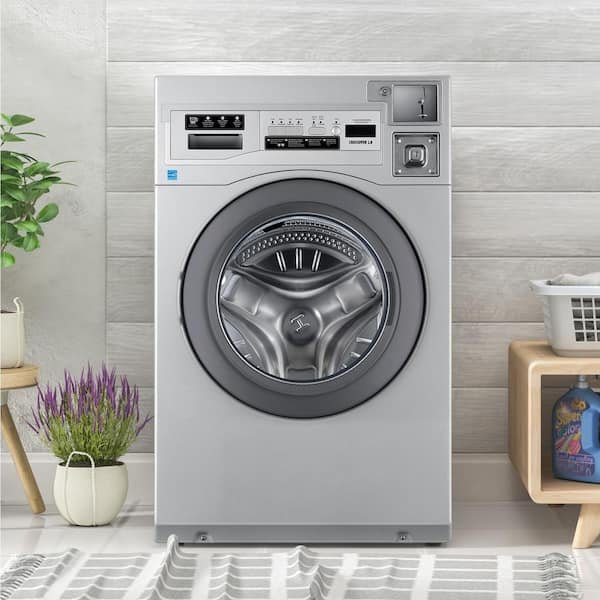
Understanding Washing Machine Amperage
Washing machine amperage shows how much electric current the appliance uses during operation. Most home washers run on a standard voltage, usually 120 volts in the US. The amps measure the flow of electricity needed to power the motor, pump, heater. And control panel. Knowing the average amps washing machine models use helps in choosing proper wiring and circuit breakers.
Industry consensus indicates that typical washing machine amp ratings fall between 5 and 15 amps. For example, a basic model might draw 7 amps. Meanwhile, a high-efficiency or larger machine may use more. You should always check the label on your appliance for exact power ratings. For a deeper understanding of this mechanic, analyzing resources on washing machine amps consumption provides excellent foundational context.
It is helpful to study how it works washing machine motors to understand current draw patterns. These motors cause surges in amps during startup. You can learn more about the electrical design and motor behavior in how it works washing machine. This knowledge aids in selecting the right circuit breaker size and wiring requirements.
Washing Machine Power Usage and Energy Consumption
The power rating of a washing machine is usually given in watts. Watts relate to amps and voltage by the formula watts = amps × volts. For instance, a washer drawing 10 amps at 120 volts uses 1200 watts. This number helps estimate how much energy the machine uses per cycle and overall energy consumption washing machine models have.
Cycle duration and additional features like heaters or steam functions affect power usage too. Heaters require more amps, increasing load amperage during heating phases. High-efficiency washing machines amps are often lower because they use less water and energy. Understanding these details can help reduce utility bills and environmental impact.
Electrical consumption varies by model and settings. A quick wash cycle uses less energy than a heavy-duty cycle. You can monitor your washing machine’s energy use with an electric meter to get an exact reading of amps per cycle washing machine draws.
Washing Machine Electrical Requirements and Safety
Proper washing machine electrical requirements include using the correct voltage and amps for safe operation. Most household washers need a 120-volt power supply with breakers rated between 15 and 20 amps. The typical washing machine amp rating guides electricians and homeowners in wiring and breaker selection.
Using a circuit breaker designed for the washing machine protects the home’s wiring from overload. The breaker trips if the load current exceeds the safe limit. This prevents electrical fires and damage to the appliance. Washers often have a startup surge current that is higher than their running amps. So breakers must handle this briefly.
Washing machine wiring requirements involve using wires rated for the amps the machine draws. Usually, 12-gauge wire works for 20-amp circuits. A dedicated washing machine circuit breaker is best to avoid tripping caused by other household appliances sharing the circuit.
Detailed Amps and Power Data
The table below shows common washing machine motor amps, typical startup currents. And heater amps. This helps visualize the electric load during different cycle phases. It’s important for selecting correct wiring and breakers.
| Component | Average Amps | Startup Surge Amps | Voltage (V) |
|---|---|---|---|
| Motor | 6 – 10 | 12 – 15 | 120 |
| Heater | 8 – 12 | 8 – 12 | 120 |
| Pump | 2 – 4 | 4 – 6 | 120 |
As shown, the motor and heater draw the most amps. Pumps and control panels use less. The surge amps at startup can be double the running amps. So wiring must handle this safely. This data is key for electricians and those installing washers.

Choosing a washing machine with a good energy efficiency rating can lower overall amps needed and power usage. This also helps reduce the strain on home electrical systems and lowers energy bills.
Energy Efficiency and Amps Comparison
Energy-efficient washing machines use advanced motors and better controls to reduce amps and watts. They also shorten cycle duration and optimize heating. The comparison table below highlights the difference in amps per cycle washing machine models use based on their efficiency rating.
Understanding these differences helps buyers choose washers that save money and energy over time.
| Washer Type | Average Running Amps | Cycle Duration (mins) | Energy Efficiency Rating |
|---|---|---|---|
| Standard Washer | 10 – 12 | 45 – 60 | Low |
| High-Efficiency Washer | 5 – 8 | 30 – 45 | High |
| Smart Washer | 4 – 7 | 30 – 40 | Very High |
Smart washers with very high energy efficiency ratings often use the least amps. They also use less water and have modern control panels that optimize power use. This makes them a good choice for environmentally conscious users.
Proper installation with correct wiring and breakers ensures these washers run safely and efficiently. For more about electrical wiring and safety, you may visit dedicated washer machine receptacle discussions.
Installation Tips and Electrical Checklist ✅
Before installing a washing machine, ensure your home’s electrical system meets the machine’s requirements. Follow this checklist to avoid issues:
- ✅ Confirm the voltage matches the washer’s rating (usually 120V).
- ✅ Use a dedicated circuit breaker rated at 15 or 20 amps.
- ✅ Install wiring with at least 12-gauge wire for safety.
- ✅ Check the outlet is properly grounded.
- ✅ Avoid sharing circuits with other heavy appliances.
Following these steps ensures your washer runs efficiently and safely. Improper wiring or breakers can cause frequent trips or damage.
Always consult a licensed electrician for installation if unsure. This protects your home and appliance. The power supply must be stable to avoid damage to motors and control panels.
Conclusion
In 2026, understanding washing machine amps and electrical needs is vital for safe, efficient use. Most washers draw between 5 and 15 amps, with surges during startup. Proper wiring and a dedicated circuit breaker rated for the washer’s load current are essential.
Energy-efficient models reduce amps needed and power usage. Knowing the washing machine power usage helps save money and protect home wiring. Always check the appliance’s label for exact ratings and consult experts when installing.
By following these guidelines, you ensure your washing machine runs safely and efficiently while reducing energy consumption. For practical tips on washing machine care, see our guide on how to clean whirlpool cabrio washing machine.
Frequently Asked Questions
What is the average amps usage of a washing machine?
Most washing machines use between 5 to 15 amps depending on size and features.
Do high-efficiency washing machines use less current?
Yes, high-efficiency washers tend to have lower amp ratings and consume less power.
Why does a washing machine need a dedicated circuit breaker?
A dedicated breaker ensures the washer’s load current is handled safely without tripping household circuits.
What causes a washing machine to draw high startup current?
The motor and pump require a surge of amps at startup to begin spinning and pumping water.
How does the washing machine wattage relate to amps and voltage?
Wattage equals amps times voltage; knowing two can help calculate the other and estimate power usage.

Keith Boyd Is A Seasoned Appliance Care Expert With Over A Decade Of Experience In Home Appliance Maintenance. His Authoritative Insights On Washing Machine Care And Upkeep Are Trusted By Homeowners Nationwide. With A Passion For Educating Others, Keith Shares Valuable Tips That Ensure Your Appliances Run Smoothly For Years To Come.