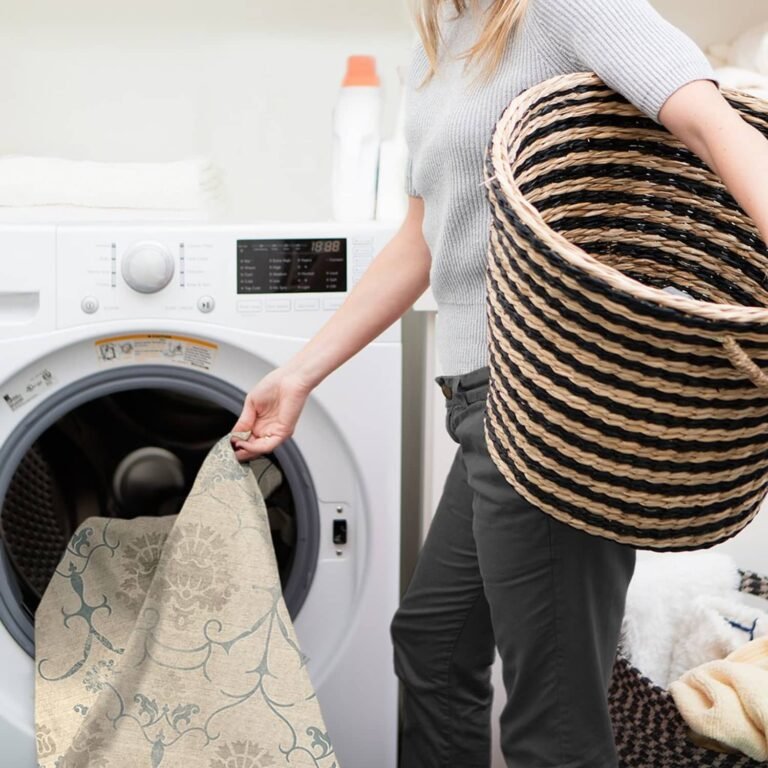
Washing Machine Components
Washing machines have many parts that work together. The motor powers the drum to spin and rotate. The drum is where you put clothes. Water flows in through the water inlet valve controlled by sensors. The detergent dispenser adds soap and fabric softener. The drainage system removes dirty water after washing. The control panel lets you pick washing cycles and settings. Sensors like load and foam sensors help the machine adjust automatically.
Each part plays a key role in the washing process. For example, the motor type affects energy use and noise. In 2026, many machines use inverter technology for smoother and efficient motor control. This lets the drum spin at different speeds during wash and spin cycles.
For a deeper understanding of this mechanic, analyzing resources on washing machine technology provides excellent foundational context.
Washing Machine Cycles Explained
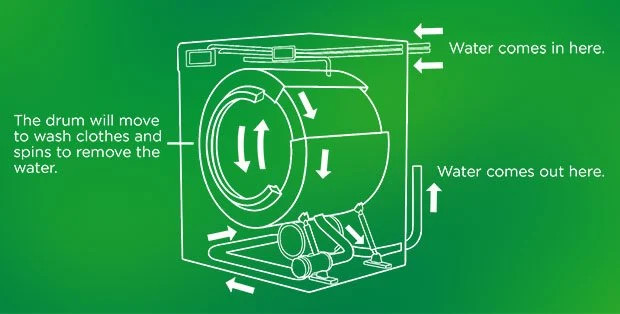
The washing process has four main cycles: wash, rinse, spin, and sometimes soak. The wash cycle uses agitation to clean clothes. Agitation means the drum moves clothes back and forth to loosen dirt. The rinse cycle uses clean water to remove soap. The spin cycle uses centrifugal force to push water out of clothes by spinning the drum fast. Spin speed varies by fabric type.
Modern machines use sensors to adjust water level and spin speed based on the load size. This is called automatic load adjustment. It saves water and energy. Temperature settings can be chosen to clean better or save power. You can also set special cycles for delicates or heavy fabrics.
Choosing the right cycle improves cleaning and protects clothes. It also affects energy efficiency and water use.
Front Load vs Top Load Washing Machines
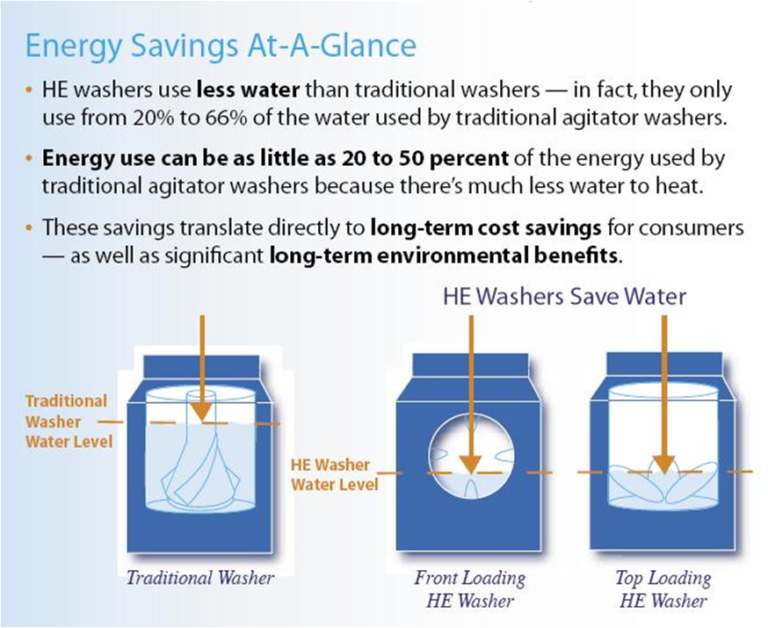
Front load and top load are the two main types of washing machines. Front load machines have a drum that turns like a wheel on its side. They use less water and energy. They are gentler on clothes and offer better cleaning. They use a tumbling action rather than an agitator.
Top load machines have a drum that fills from the top and often use an agitator to move clothes. They wash faster but use more water. Maintenance is usually easier because you do not need to bend down.
Both types have pros and cons. Energy efficiency and capacity are key points to consider. Also, front loaders may need more regular tub cleaning to avoid mold build-up. For tips on cleaning, see our guide on how to clean washing machine top loader.
Washing Machine Automation and Sensors
Automation in washing machines has grown in 2026. Electronic control units manage cycles by reading data from sensors. Load sensors check how much clothes are inside. Water level sensors ensure just enough water is used. Foam sensors detect excess soap suds. This helps avoid overflow and saves detergent.
Some smart washing machines connect to apps. They let you start or change cycles remotely. They also send alerts for maintenance or troubleshooting. Vibration control sensors keep the machine steady during high-speed spin cycles. This reduces noise and wear.
Smart features also include automatic detergent dispensers. These release the right amount of detergent based on load size and soil level. This improves cleaning while cutting waste.
Washing Machine Maintenance Tips
Keeping your washing machine clean helps it last longer. Regular tub cleaning removes dirt and mold. The detergent dispenser should be cleaned too, as residue builds up there. The water inlet valve can get clogged, so check it if water flow slows.
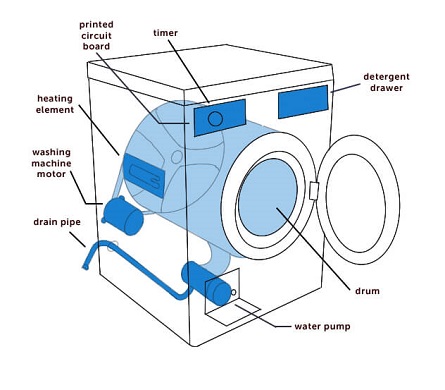
Drain pump and drainage system should be clear to avoid leaks or bad smells. If your machine has filters, clean them often. For a detailed cleaning guide, check out our article on how to clean my washing machine with vinegar.
Sometimes machines need troubleshooting. Common issues include no water intake, slow spinning, or error codes on the digital display. Consult your manual or customer support for fixes. Proper installation also helps prevent problems. Make sure your machine is level and water hoses are secure.
Energy Efficiency in Washing Machines
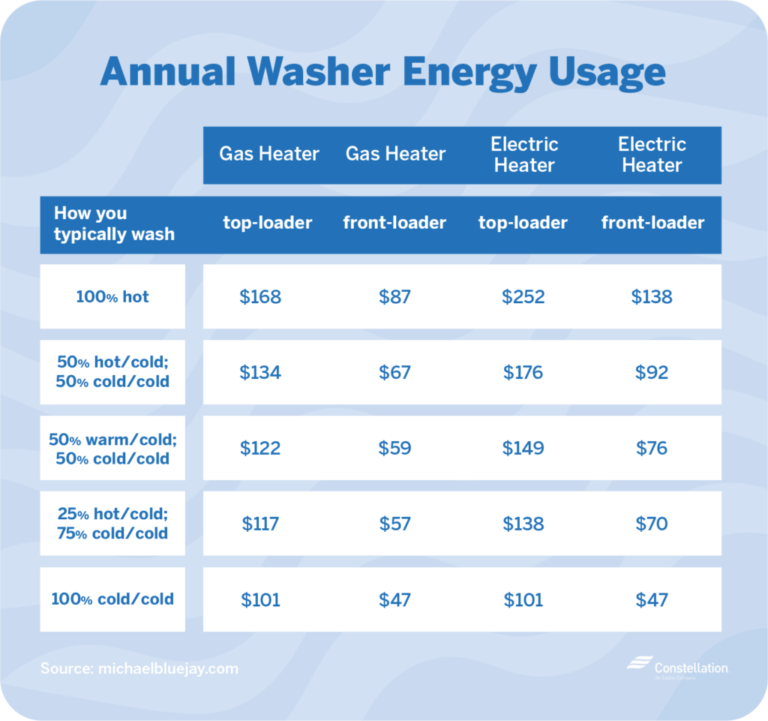
In 2026, energy efficiency is key for washing machines. Inverter technology motors use less power and run quietly. Front load machines generally use less water and electricity than top loaders. Choosing the right cycle and load size saves energy too.
Many machines have energy rating labels to help buyers pick efficient models. Using cold water wash options also cuts energy use. Smart machines can schedule wash times for off-peak electricity hours. This saves money and reduces grid stress.
Energy-efficient machines benefit the environment and your bills. Proper maintenance keeps efficiency high by avoiding blockages and leaks.
Washing Machine Installation and Use
Correct installation is important for safe and efficient use. Place the machine on a flat, stable floor. Connect the water hoses firmly to prevent leaks. The water inlet valve controls water flow from your supply.
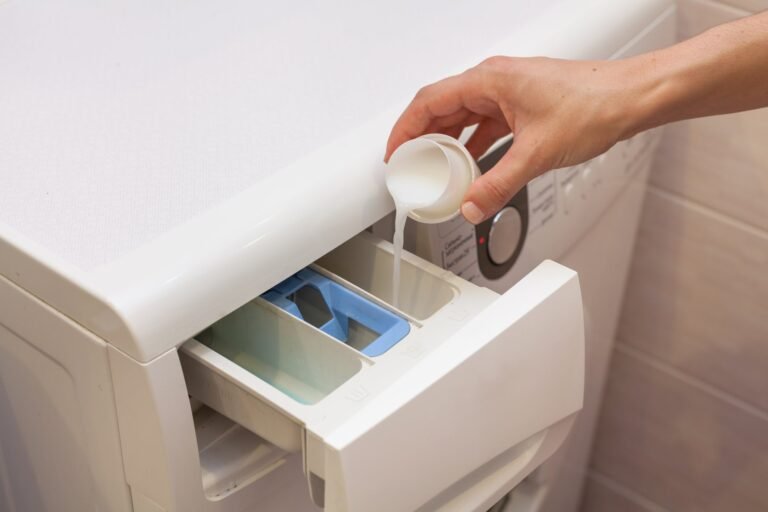
Plug the machine into a grounded outlet. Avoid extension cords. Set the load sensor and soil level settings before starting. Using the detergent dispenser correctly ensures soap is released at the right time during the wash cycle.
For new users, a step-by-step guide can help. First, sort clothes by color and fabric. Second, add detergent to the dispenser. Third, select the proper wash cycle on the control panel. Fourth, start the machine and wait for it to finish. Finally, clean the machine regularly to avoid buildup and odors.
Here is a simple table showing main washing machine cycles and their uses:
| Cycle | Purpose | Typical Spin Speed (RPM) |
|---|---|---|
| Wash | Clean clothes using agitation | 50-100 |
| Rinse | Remove soap residue | 50-100 |
| Spin | Extract water using centrifugal force | 800-1400 |
| Soak | Loosen tough stains | Low |
Understanding these cycles helps you use your machine better to save water and energy.
Common Washing Machine Troubleshooting
If your washing machine does not start, check the power supply and door lock sensor. Water not filling may be due to a clogged water inlet valve or closed tap. If the machine vibrates too much during spin, it might be unbalanced or on an uneven floor.
Error codes on the digital display guide you to specific faults. These can relate to motor failure, water drainage issues, or sensor problems. Refer to your user manual for code meanings. Regularly cleaning the tub and filter reduces errors caused by blockages.
Sometimes the detergent dispenser clogs. Clean it often to avoid soap buildup. If clothes come out too wet, the spin cycle might be faulty. A drain pump check or motor inspection may be needed.
Below is a table of common issues and quick fixes for washing machines:
| Issue | Possible Cause | Quick Fix |
|---|---|---|
| Machine won’t start | Power or door sensor | Check plug, reset door |
| No water fill | Clogged valve or closed tap | Clear valve, open tap |
| Excessive vibration | Uneven floor or load | Level machine, redistribute clothes |
| Soap not dispensing | Clogged dispenser | Clean dispenser |
| Clothes too wet | Spin cycle error | Check drain pump |
For deeper troubleshooting and maintenance advice, learn more about how to clean filter on Electrolux washing machine.
Conclusion
Modern washing machines combine smart tech and solid mechanics. Their components like motors, drums, and sensors work with cycles to clean clothes well. Choosing between front load and top load depends on your needs for speed, energy, and space.
Automation and sensors make machines more efficient and easier to use. Regular cleaning and maintenance keep them running longer and prevent problems. In 2026, energy efficiency is a major focus, with inverter motors and smart cycles saving power and water.
With proper use and care, your washing machine will stay a reliable helper in your home. For cleaning tips and updates, explore our guide on where to put vinegar in washing machine. This helps keep your machine fresh and working at its best.
Understanding how a washing machine works helps you get the most from it. For a detailed overview of the washing process, you can also watch the video on washing machine washing process.
Frequently Asked Questions
What are the main parts of a washing machine?
The main parts include the motor, drum, water inlet valve, detergent dispenser, drainage system, sensors, and the control panel.
How do front load and top load washing machines differ?
Front load machines use a horizontal drum and are more energy-efficient, while top load machines use a vertical drum with an agitator for faster washing.
What is the spin cycle in a washing machine?
The spin cycle uses centrifugal force to remove water from clothes by rotating the drum at high speeds.
How do washing machine sensors improve washing?
Sensors like load sensors and foam sensors adjust water levels and cycle times automatically for better cleaning and efficiency.
How often should I clean my washing machine?
Cleaning the tub and detergent dispenser every month helps prevent mold and odors, keeping your machine working well.

Michael Peterson is a home appliance writer focused on practical washing machine care, maintenance, and troubleshooting. He shares simple, reliable tips to help readers keep their washing machines running efficiently, avoid common problems, and extend appliance life.