Introduction to Washing Ties
Many wonder if ties can go in the washing machine. Ties are often made from delicate fabrics like silk and wool. These fabrics need careful handling to avoid damage. Industry consensus indicates that washing ties in a machine is risky without proper precautions.
For those interested in how to clean ties safely, understanding fabric care is key. This guide covers washing machine settings for ties, hand washing tips, and when dry cleaning is best. For a deeper understanding of this topic, analyzing resources on can you wash ties in the washing machine provides excellent foundational context.
Can Ties Go in the Washing Machine?
Most ties, especially silk ties, should not be washed in a machine. The agitation and spin cycle can harm delicate fabrics. Washing ties without damage requires gentle care. However, some modern ties are labeled machine washable made from polyester or cotton blends.
Check the garment care label before washing. Labels guide if hand wash, dry clean, or machine wash is safe. Ignoring care instructions risks fabric damage and loss of shape.
Washing Machine Settings for Ties
If the tie is machine washable, use the gentlest settings. Cold water and delicate or hand wash cycles reduce fabric stress. A slow spin cycle lowers the risk of wrinkles and damage.
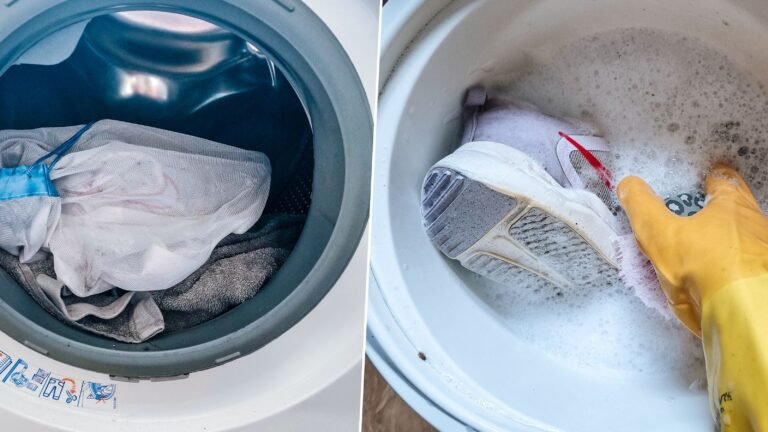
Always place ties in a laundry bag to protect them from the washer’s drum. The laundry bag prevents snagging and twisting during the wash cycle.
Fabric softener is not recommended for silk ties as it can leave residue. Use a mild laundry detergent designed for delicate fabrics.
Hand Washing Ties
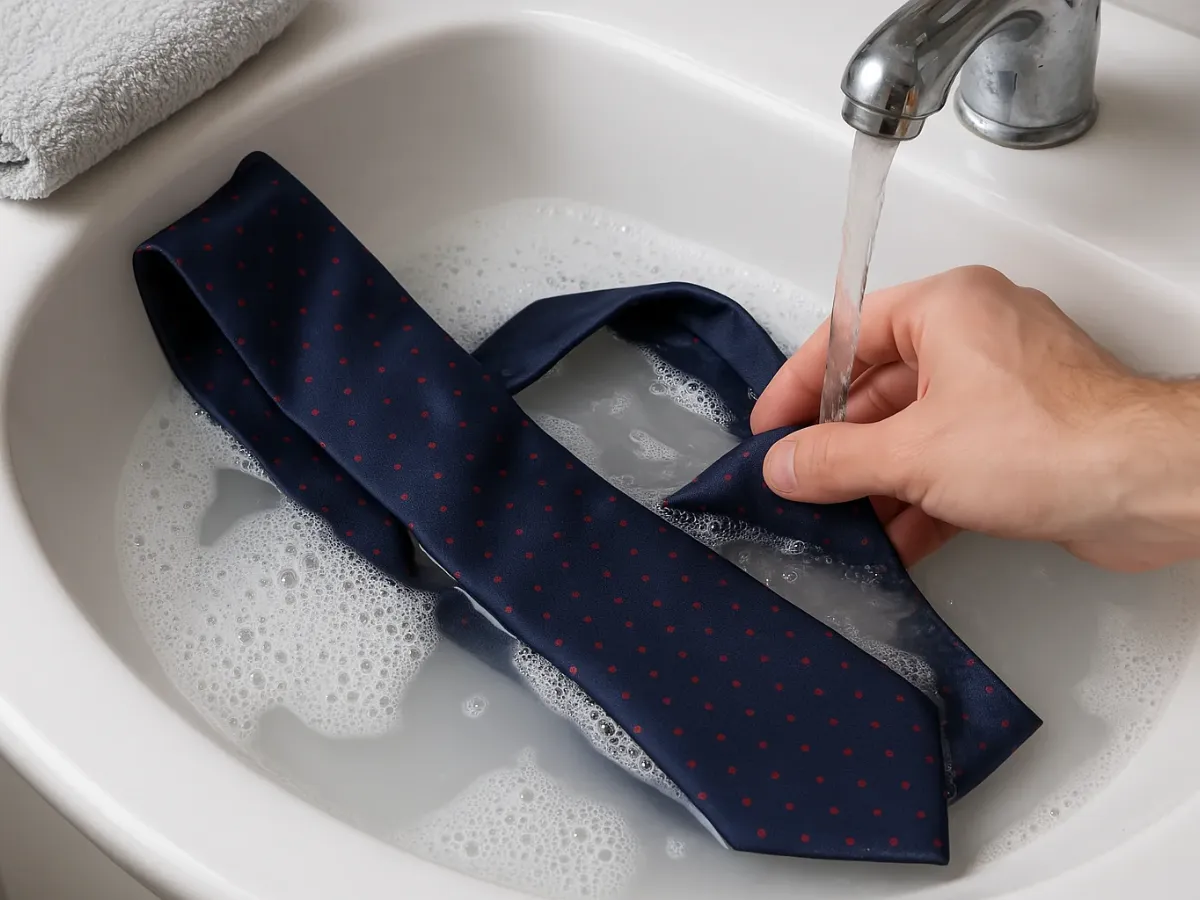
Hand washing is safer for ties, especially silk and wool. Fill a basin with cold water and add a small amount of gentle detergent. Soak the tie briefly and gently move it in the water without wringing.
Rinse with cold water until all soap is gone. Avoid twisting or rubbing hard to keep the fabric intact. Hand washing ties reduces the risk of damage from machine agitation.
Dry Cleaning Ties
Dry cleaning is the safest method for silk and wool ties. It uses solvents instead of water, which protects delicate fibers. Professional cleaners know how to handle tie knots and fabrics carefully.
Industry experts agree that dry cleaning extends tie life and maintains fabric quality better than machine or hand washing.

- Locate a trusted dry cleaner.
- Inform them of fabric type and any stains.
- Allow professional cleaning and pressing.
- Collect and store ties properly after cleaning.
Removing Stains from Ties
For stains, spot cleaning is best. Use a gentle stain remover or detergent. Dab the stain carefully with a soft cloth. Avoid rubbing to prevent fabric damage and color loss.
Test stain remover on a hidden area first. If unsure, consult a professional cleaner to avoid permanent damage.
Drying Ties After Wash
Drying ties properly is essential. Never put them in a dryer. Heat causes fabric shrinkage and wrinkles. Instead, lay the tie flat on a dry towel and roll the towel to press out excess water gently.
Then, lay the tie flat on a clean surface to air dry. Keep it away from direct sunlight to prevent fading. This method preserves tie shape and fabric quality.
Washing vs Dry Cleaning Ties
Choosing between washing and dry cleaning depends on fabric and care label. Washing is cheaper but riskier for delicate ties. Dry cleaning is more costly but safer for silk and wool.
Machine washable ties made from polyester or cotton blends may be cleaned at home with care. For silk and wool ties, dry cleaning is the preferred method to avoid damage and maintain appearance.
| Method | Pros | Cons |
|---|---|---|
| Machine Washing | Convenient, quick, and cost-effective | Risk of fabric damage, not for silk/wool |
| Hand Washing | Gentler on delicate fabrics, low cost | Time-consuming, requires care |
| Dry Cleaning | Safest for delicate fabrics, professional results | Higher cost, need to visit cleaner |
For those interested in washing delicate fabrics at home, exploring tips on how to wash feather pillows in a washing machine can offer useful parallels in gentle fabric care. Visit wash feather pillows washing machine for more insights.
Care for Wool Ties
Wool ties require special attention. Wool fibers can shrink and felt if washed improperly. Hand washing with cold water and wool-specific detergent is best. Avoid hot water and heavy agitation.
Dry cleaning is highly recommended for maintaining the quality of wool ties. This prevents shrinkage and texture changes.
Washing Silk Ties
Silk ties are the most delicate. Washing silk ties in a machine can ruin the fabric and colors. Hand washing with cold water and mild detergent is a safer option but still risky.
Professional dry cleaning remains the best choice for silk ties. It preserves the fabric’s sheen and shape. Avoid any harsh chemicals or bleach.
- ✅ Use cold water only.
- ✅ Never wring or twist.
- ✅ Avoid fabric softener.
- ✅ Air dry flat, no sunlight.
- ✅ Dry clean for best results.
Machine Washable Ties
Some ties are labeled machine washable, often made from polyester or cotton blends. These can be washed on delicate cycles with cold water. Always use a laundry bag to protect the tie.
Use mild detergent and avoid fabric softener. Remove the tie promptly after the cycle to reduce wrinkles. Hang or lay flat to dry.
Tie Washing Hacks
To keep ties looking new, avoid heavy detergents and bleach. Use a mild detergent made for delicate fabrics. Spot clean stains quickly before they set in.
Using a laundry bag in the washing machine is a simple hack to reduce damage. Also, avoid washing ties with heavy items to prevent stretching or crushing.
- Use a mesh laundry bag.
- Choose cold water and gentle cycle.
- Use mild detergent for delicates.
- Spot clean stains immediately.
- Air dry flat, avoid dryers.
Conclusion
Washing ties in a machine is possible but must be done with care. Most silk and wool ties should be dry cleaned or hand washed to avoid damage. Machine washable ties require gentle settings and laundry bags.
Understanding tie care instructions and fabric types is key to maintaining tie quality. Proper stain removal, washing, and drying methods extend tie life. For anyone serious about tie care, dry cleaning remains the safest choice for delicate fabrics in 2026.
For more gentle fabric care tips, including how to wash feather pillows without damaging them, see wash feather pillows washing machine.
Frequently Asked Questions
Can ties be safely washed in a washing machine?
Most ties, especially silk and wool, are not safe for machine washing due to risk of damage. Only some machine washable ties can be cleaned this way.
What are the best washing machine settings for ties?
Use cold water, gentle or delicate cycle, and a low spin speed. Always place ties in a laundry bag to reduce damage.
Is dry cleaning better than washing ties at home?
Dry cleaning is generally safer for delicate silk or wool ties, as it avoids water and agitation that can harm fabric and shape.
How can I remove stains from ties without washing them fully?
Spot clean stains with a gentle detergent or stain remover. Dab carefully and avoid rubbing to protect the fabric.
How should ties be dried after washing?
Lay ties flat on a towel to air dry. Avoid wringing or using a dryer to prevent wrinkles and fabric damage.

Michael Peterson is a home appliance writer focused on practical washing machine care, maintenance, and troubleshooting. He shares simple, reliable tips to help readers keep their washing machines running efficiently, avoid common problems, and extend appliance life.