Understanding Amperage for Washing Machines
Amperage is the measure of electric current flowing to your washing machine. Knowing the right amperage is key for safety and performance. Most washers run on 120 volts in households. But the amps needed can vary by model and size.
The typical washing machine uses about 10 to 15 amps during normal wash cycles. However, the electrical load can spike when the motor starts. This surge, called start-up amps, can be 2 to 3 times the running current. That means a machine rated for 10 amps might draw up to 30 amps at start-up.
For accurate power needs, you should check the washing machine’s electrical specifications. These often list voltage and current details. You can also find the amperage rating on the plug or in the user manual. For a deeper understanding of this mechanic, analyzing resources on washing machine power consumption and amperage provides excellent foundational context.
It’s important to note that washer dryer combos may have different amperage fuse ratings. These models combine two loads. So their electrical needs are higher. Always consult the combo’s specs for correct breaker size and wiring.
To learn more about how to care for your washing machine while maintaining safety, consider reading our guide on how to clean Samsung washing machine front loader.
Washing Machine Electrical Load and Circuit Breakers
The washing machine electrical load is the total current it draws during operation. This load affects the choice of circuit breaker and wiring. A breaker protects your home from electrical fires by shutting off power if the load is too high.
Industry consensus indicates most washers require a dedicated circuit breaker rated for 15 or 20 amps. This dedicated circuit ensures the washing machine has a stable power supply and avoids tripping breakers from other devices sharing the line.
Installing the proper breaker size depends on the washing machine’s amperage rating. For example, a machine drawing 12 amps should have a 15-amp breaker, while one pulling 16 amps may need a 20-amp breaker. This sizing prevents nuisance trips and protects the wiring.
Electrical safety also demands the use of the right fuse or breaker. The fuse rating must match or slightly exceed the washing machine’s maximum amperage. Undersized fuses cause frequent shutdowns, while oversized ones risk overheating.
For more details on dedicated electrical setups, check the discussion on dedicated washer machine receptacle. This resource adds valuable insight on wiring standards.
Electrical Wiring Requirements for Washing Machines
Proper wiring is vital to support the washing machine’s amperage needs. Typically, a 15-amp circuit uses 14-gauge wire, while a 20-amp circuit requires 12-gauge wire. Using thinner wire for higher amps can cause overheating and fire hazards.
The wiring should run through a dedicated circuit to avoid overload from other appliances. This setup improves safety and efficiency. The washing machine plug amperage must also match the circuit to ensure secure connections.
In 2026, energy efficiency standards encourage using wiring and breakers that can handle potential power surges safely. This reduces wear on the motor and extends machine life.
If you want to understand how to calculate amps for your washer, it helps to know the power consumption in watts. Using the formula amps = watts ÷ volts, you can estimate current draw and select the right wiring and breaker.
For an easy example, a 1500-watt washer on 120 volts needs about 12.5 amps. This means a 15-amp breaker and 14-gauge wiring might suffice.
Start-up Amps and Motor Amperage
The washing machine motor often causes the highest amperage spike when starting. These start-up amps can be two to three times the running current. For example, a motor running at 10 amps might draw 20 to 30 amps briefly at start-up.
Understanding start-up amps is vital for selecting the right circuit breaker and wiring. A breaker that matches only running amps may trip when the motor starts. Modern breakers can handle short surges. But it’s best to size circuits accordingly.
The motor amps rating depends on motor size and efficiency. Newer models tend to use less power thanks to better design and energy-saving features. This trend helps reduce household appliance amperage and energy bills.
To improve electrical safety, some washers include soft-start technology. This feature limits start-up amps by gradually increasing motor power, easing the electrical load.

Energy Consumption and Electrical Safety Tips
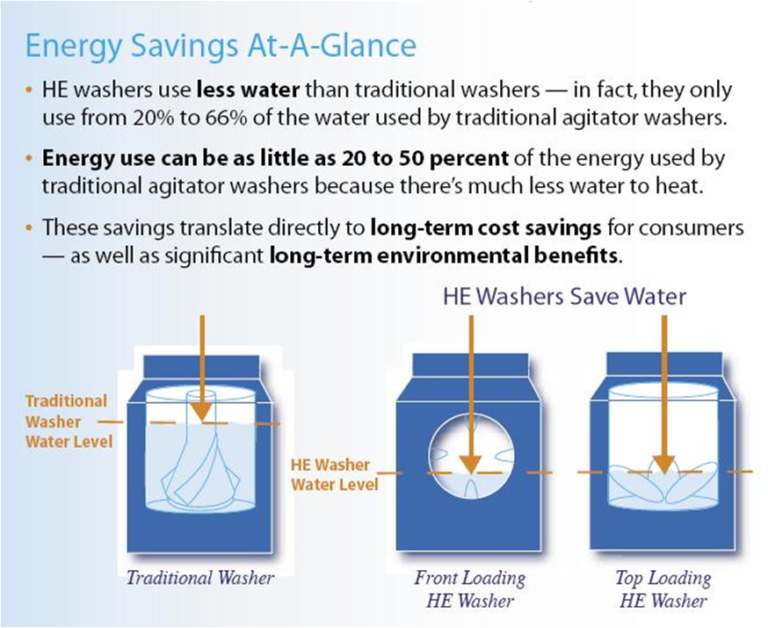
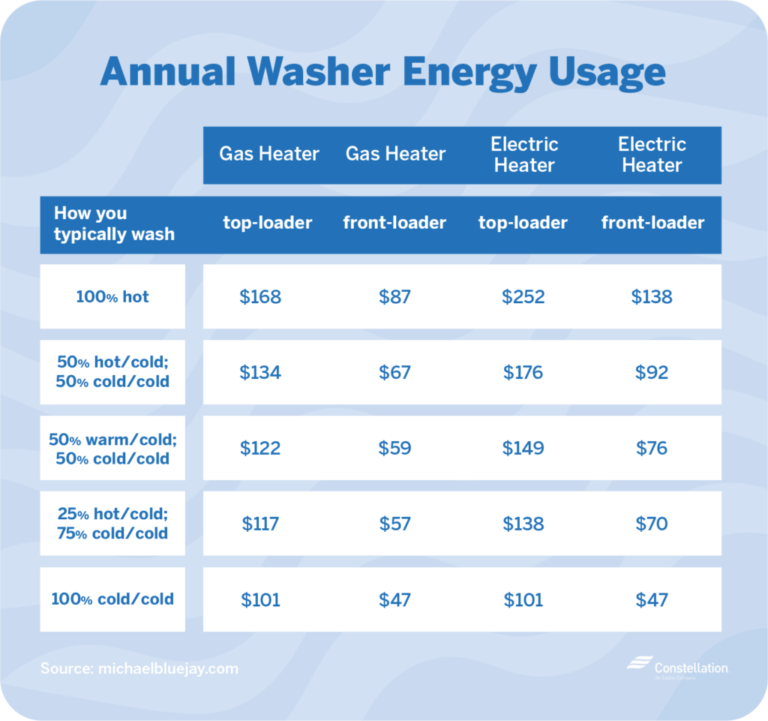
Washing machine energy consumption depends on motor size, cycle length. And water heating. Lower amps and voltage use less energy, saving money. Newer machines meet energy efficiency standards set in 2026.
For safety, never use extension cords or share outlets with other heavy appliances. Always install a dedicated circuit breaker matched to your washer’s amperage rating. This reduces risk of fires and damage.
Regularly check electrical wiring and plugs for wear. Replace frayed wires and loose plugs immediately. Use grounded outlets and ensure proper fuse or breaker size.
For more safety advice, see our article on does a washing machine need a dedicated circuit to understand the importance of dedicated wiring.
Following these tips keeps your washing machine running smoothly and your home safe.
Typical Amps Needed for Washer and Washer-Dryer Combo
Most standalone washing machines draw between 10 and 15 amps. This range covers many household models. The breaker size usually sits at 15 or 20 amps for safety margins.
Washer-dryer combos draw more power due to the added dryer element. These units often require 20 to 30 amps and sometimes a 240-volt supply. Check the combo’s amperage rating carefully before installation.
Using the proper amperage fuse for washing machine combos is vital. A fuse protects the appliance and wiring from overload.
For homeowners with combos, it’s wise to consult an electrician. They can ensure the power supply and breaker are correctly sized.
Below is a table showing typical amperage ratings for common washer types:
| Washer Type | Voltage (V) | Typical Amps | Breaker Size (A) |
|---|---|---|---|
| Standard Washer | 120 | 10-15 | 15 or 20 |
| Washer-Dryer Combo | 120/240 | 20-30 | 20 or 30 |
| Portable Washer | 120 | 5-10 | 15 |
Choosing the right breaker size helps protect your home’s electrical system and keeps your washer safe.
Conclusion
In 2026, understanding the amps needed for your washing machine is essential. Typical washers use 10 to 15 amps, while combos need more power. Always use a dedicated circuit breaker sized to your machine’s amperage rating. Proper electrical wiring and safety measures prevent damage and hazards.
Checking your washer’s electrical specifications and start-up amps helps pick the right setup. Using modern energy-efficient machines and following electrical safety tips keeps your home safe and lowers energy use.
Remember, if unsure about electrical details, consult a professional electrician. Proper installation and maintenance ensure your washing machine works well for years.
For more on power needs, visit how many watts for washing machine to explore wattage details and energy use.
Frequently Asked Questions
What is the typical amperage for a washing machine?
Most washing machines use between 10 to 15 amps during normal operation, but start-up amps can be higher.
Do washing machines need a dedicated circuit breaker?
Yes, industry standards recommend a dedicated 15 or 20-amp circuit breaker for washing machines to handle their electrical load safely.
How do start-up amps differ from running amps in washing machines?
Start-up amps are the initial surge current when the motor starts, often 2-3 times higher than the running amps.
Can I use a standard household outlet for my washing machine?
Usually, washing machines require a dedicated outlet with proper amperage rating; a standard outlet may not suffice.
What electrical wiring is needed for a washing machine?
Washing machines typically need 12-gauge wiring for a 20-amp circuit or 14-gauge for a 15-amp circuit, following local codes.

Michael Peterson is a home appliance writer focused on practical washing machine care, maintenance, and troubleshooting. He shares simple, reliable tips to help readers keep their washing machines running efficiently, avoid common problems, and extend appliance life.