Understanding Bed Bugs and Their Life Cycle
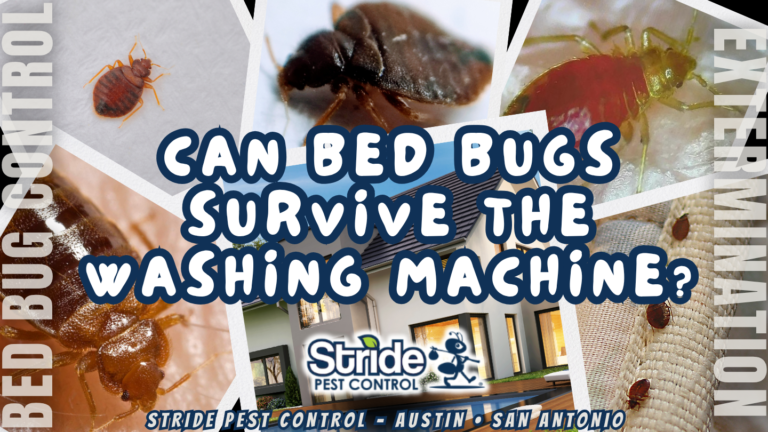
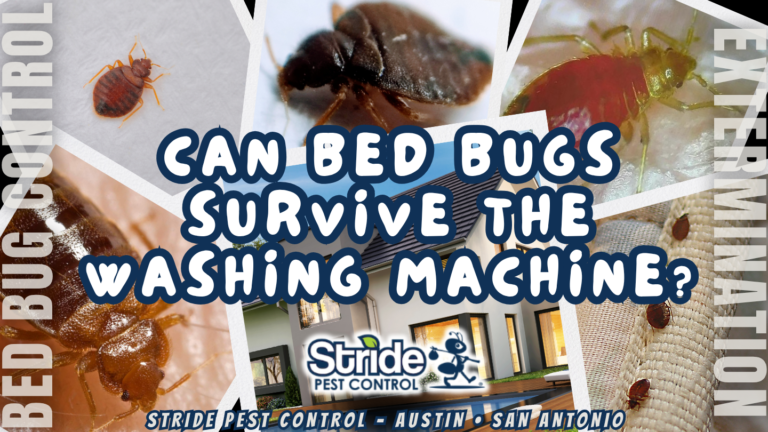
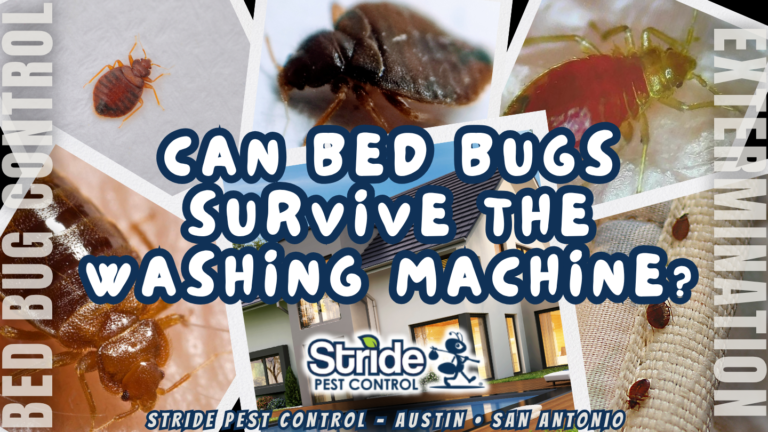
Bed bugs, known scientifically as Cimex lectularius, are small pests that feed on human blood. They go through several life stages: eggs, nymphs, and adults. Each stage has different resistance levels to heat and other treatments. Understanding their life cycle helps in choosing the right extermination method.
Eggs are tiny and sticky, often hidden in crevices. Nymphs hatch and grow by shedding their skin several times before reaching adulthood. Adults can survive for months without feeding, making control challenging. Recognizing these stages is key to effective pest control.
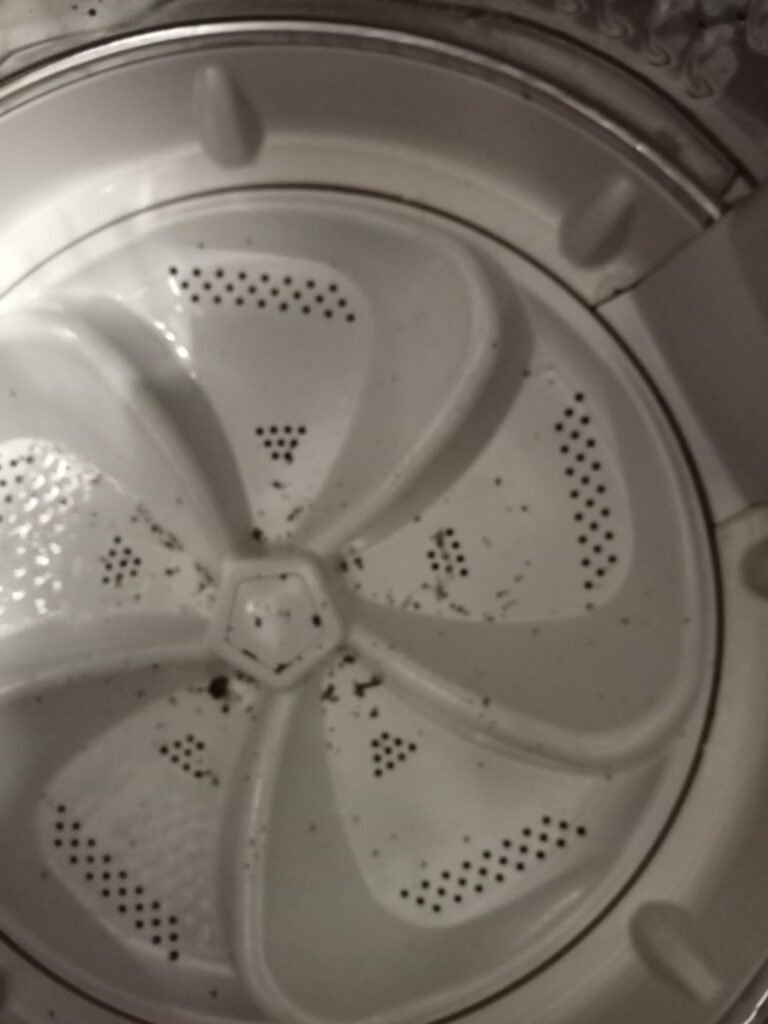
For detailed insight into washing machines’ role in pest control, examining what is drum in washing machine reveals how clothes move during cycles, affecting pest removal.
Laundering Clothes to Kill Bed Bugs
Using a washing machine is a common way to remove bed bugs from clothes. The key is the laundry temperature. Bed bugs die when exposed to heat above their thermal death point, which is around 113°F to 122°F (45°C to 50°C). Washing clothes at temperatures of 120°F or higher is recommended.
However, some bed bug eggs show resistance to heat and can survive short washing cycles. Combining washing with drying on high heat increases the chance of killing both bugs and eggs. Laundering time also matters; longer cycles improve effectiveness.
Handling contaminated laundry carefully prevents spreading the infestation to other areas. Sealing bags and washing items separately is advised.
For a deeper understanding of this mechanic, analyzing resources on washing machines and bed bugs provides excellent foundational context.
Thermal Death Point and Heat Treatment
Bed bugs have a known thermal death point where heat kills them quickly. Studies show the thermal death point ranges from 113°F to 122°F. Exposing bugs to this temperature for several minutes is enough to kill adults and nymphs.
Dryers play a crucial role here. A drying cycle set to high heat can reach temperatures above 130°F, effectively drying and killing bed bugs trapped in fabrics. This heat treatment is considered one of the most effective non-chemical bed bug treatments.
Humidity also affects survival rates. Dry heat is more lethal than moist heat, making dryers especially useful. However, some bed bugs might survive if heat is uneven or time is too short.
Bed Bug Resistance to Heat and Survival Rates
While heat kills most bed bugs, some eggs and bugs can survive if exposed to lower temperatures or shorter times. This resistance requires careful control of laundry cycles and drying time. Washing at low temperatures or quick cycles may not be enough.
Industry consensus indicates that combining washing at 120°F with drying for 30 minutes at high heat gives the best results. Longer drying times reduce survival rates even more. Bed bug hiding places in clothes also affect exposure to heat.
Using laundry cycles that provide thorough agitation helps expose bugs hiding in fabric folds. This combination of temperature and cycle length is critical to reducing survival rates.
| Life Stage | Heat Sensitivity | Survival Rate at 120°F (49°C) |
|---|---|---|
| Eggs | High resistance | Low to moderate survival |
| Nymphs | Moderate resistance | Very low survival |
| Adults | Low resistance | Almost zero survival |
Proper drying can reduce survival to near zero, especially for adults and nymphs. Eggs need longer heat exposure to ensure death.
Effective Pest Control Techniques Beyond Laundry
Besides laundering, other pest control techniques help manage bed bug infestations. Heat treatments using special heaters can raise room temperature to lethal levels. Steam cleaning also kills bugs in furniture and cracks.
Chemical treatments remain common but face challenges due to bed bugs’ growing chemical resistance. Non-chemical methods like heat and laundering are safer and increasingly preferred.
Regular inspection for bed bug infestation signs helps early detection. Look for blood stains, dark spots from bug waste, and shed skins near beds and furniture.
:max_bytes(150000):strip_icc()/Handle-bed-bug-infestation-laundry-2146304-V1-899a4efc4ca54972959fafa4c1263cf4.png "How to Wash and Care for Laundry Infested With Bed Bugs (Figure)")
- ✅ Inspect second-hand furniture before bringing inside.
- ✅ Seal cracks and crevices.
- ✅ Wash travel bags and clothes after trips.
- ✅ Use protective covers on mattresses.
Handling Contaminated Laundry and Preventing Spread
Proper handling of bed bug contaminated laundry stops the spread. Keep infested clothes in sealed bags until washing. Avoid shaking clothes to prevent bugs from spreading.
Washing immediately after infestation reduces bugs. After washing, dry immediately on high heat. Store clean clothes in sealed containers if infestation is ongoing.
Travelers should check and wash clothes after trips to prevent introducing bed bugs. Using heat treatment on travel bags also helps.
| Handling Step | Purpose |
|---|---|
| Seal clothes in plastic bags | Prevent bug spread |
| Wash in hot water (120°F+) | Kill bugs and nymphs |
| Dry on high heat for 30+ mins | Destroy eggs and survivors |
| Store clean clothes sealed | Prevent new infestations |
Careful laundry habits combined with cleaning techniques reduce bed bug survival and reinfestation risks.
Home Remedies and DIY Bed Bug Treatment Tips
Many seek home remedies for bed bugs. While some methods offer relief, none match professional heat treatments or chemical methods. Vacuuming and steam cleaning can reduce bug numbers.
DIY heat treatment by using laundry machines is effective when done properly. Washing with hot water and drying clothes fully on high heat kills most bed bugs. Using dryer sheets does not kill bugs but may help mask odors.
It is crucial to combine methods and not rely on one. For example, washing clothes alone without drying may leave eggs alive.
Conclusion
Bed bugs can survive some washing machine cycles if the temperature or time is too low. However, washing clothes at 120°F or higher, followed by drying on high heat for at least 30 minutes, effectively kills adult bugs, nymphs, and most eggs.
Understanding the bed bug life cycle and their thermal death point guides the use of effective pest control techniques. Handling contaminated laundry carefully and preventing spread is also key.
While bed bugs show some resistance to heat, proper laundering combined with drying provides a strong non-chemical treatment option. For ongoing or severe infestations, professional pest control may be necessary.
For more expert advice on laundry care related to pest control, see our guide on how to wash towels in washing machine and what is drum in washing machine.
For a broader context on washing and pest control, resources on does washing clothes kill bed bugs? offer excellent information on this topic.
Frequently Asked Questions
What washing machine temperature kills bed bugs?
Temperatures of 120°F (49°C) or higher in the washing machine can kill adult bed bugs and nymphs effectively.
Can bed bug eggs survive laundry cycles?
Bed bug eggs are tougher but washing combined with high heat drying usually destroys them.
Is drying clothes enough to kill bed bugs?
Drying clothes on high heat for at least 30 minutes is very effective at killing bed bugs and their eggs.
What are common signs of a bed bug infestation?
Signs include itchy red bites, blood stains on sheets, shed skins, and a musty odor near hiding places.
Are there non-chemical ways to treat bed bugs?
Yes, heat treatments, steam cleaning, and laundering at high temperatures are effective non-chemical methods.

Keith Boyd Is A Seasoned Appliance Care Expert With Over A Decade Of Experience In Home Appliance Maintenance. His Authoritative Insights On Washing Machine Care And Upkeep Are Trusted By Homeowners Nationwide. With A Passion For Educating Others, Keith Shares Valuable Tips That Ensure Your Appliances Run Smoothly For Years To Come.