Understanding Mold in Washing Machines
We have seen mold grow in both front load and top load washing machines. Mold spores love dark, damp spots. The gasket seal and detergent drawer are common places for mold to hide. Mold can cause a smelly washer and even health risks. It is important to know how to clean mold from your washing machine well.
In our experience, good washing machine maintenance tips help a lot in mold prevention. You can also learn how to clean washing machine with vinegar and baking soda for an easy, natural mold cleanup. This keeps your machine fresh and safe for laundry.
Why Mold Forms and Smells in Your Washer
Humidity and leftover detergent residue create the perfect place for mildew to grow. Front load washer mold issues are common because the door gasket seal traps water. When the seal stays wet, mold can grow fast. The detergent drawer also collects soap scum and moisture, which invites mold.
Black mold washing machine problems can cause a bad smell that sticks to clothes. The smell is often from mold spores breaking down detergent and grime. Running a hot water cycle without cleaning makes the problem worse over time.
Tools and Cleaners Needed
We recommend gathering the right tools before starting. You will need:
- ✅ White vinegar or a bleach solution
- ✅ Washing machine cleaner (anti mold washing machine cleaner is best)
- ✅ Old toothbrush or soft brush for gasket seal
- ✅ Microfiber cloth or sponge
- ✅ Gloves to protect your skin
Each cleaner has pros and cons, so choose what works best for you. White vinegar is safe and natural. Bleach is strong and kills mold but needs careful use. Avoid mixing cleaners for safety.
Step-by-Step Guide to Remove Mold From Washer
Follow these steps for the best washer drum mold cleaning results:
- Wear gloves and open the washer door wide to air it out.
- Remove the detergent drawer and soak it in hot water with vinegar or bleach.
- Use a cloth dipped in white vinegar or bleach solution to clean inside the detergent drawer slot.
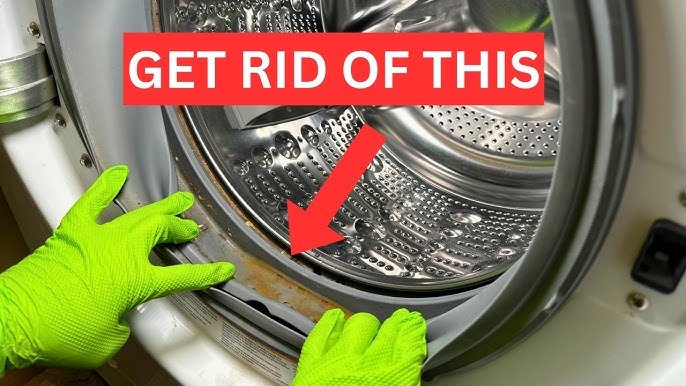
- Inspect the rubber gasket seal around the door. Pull back the seal gently to find mold hidden underneath.
- Scrub the gasket seal with a toothbrush dipped in your chosen cleaner.
- Wipe the gasket dry with a clean cloth.
- Run a hot water cleaning cycle using washing machine cleaner or a cup of white vinegar.
- After the cycle, wipe the drum, door, and gasket dry to stop mold from returning.
We found that running a cleaning cycle washing machine every month keeps mold away. This deep clean front load washer method is very effective for mildew elimination.
Preventing Mold in Your Washing Machine
Prevention is key to avoiding the hassle of mold removal. Here are some top tips we follow:
- Keep the door and detergent drawer open after every wash to dry out moisture.
- Use the right amount of detergent to avoid residue buildup.
- Run a hot water cycle with vinegar or a washing machine cleaner once a month.
- Clean the rubber seal regularly to prevent mold buildup.
- Check for leaks or standing water inside the machine and fix them promptly.
These simple steps help keep your washer fresh and safe. Also, avoid stuffing the washer too full, as this traps moisture.
Health Risks of Mold in Washing Machines
We learned that mold spores released from washing machines can irritate the skin and lungs. People with allergies or asthma may feel worse. Moldy clothes also risk skin rashes or infections. It is best to handle mold removal carefully and keep your laundry area dry.
For detailed mold remediation, you can look into using anti-fungal agents made for home use. But regular cleaning usually solves the problem before it gets serious.
Benefits of Running Cleaning Cycles Regularly
Modern washing machines have cleaning cycles that use hot water and special detergents. Running this cycle monthly removes detergent residue and kills mold spores inside the drum. This reduces bad smells and keeps your washer working well.
:max_bytes(150000):strip_icc()/how-to-clean-mold-out-of-a-washing-machine-5207463-hero-a6d288e8b083441bbb064a5c0e03a9e8.jpg "How to Clean Mold Out of a Washing Machine (Figure)")
We always follow up with wiping down the gasket and door area after the cycle. This extra step stops mold from hiding in small cracks.
| Cleaning Method | Effectiveness | Safety | Cost |
|---|---|---|---|
| White vinegar | Good for mild mold | Safe and natural | Low |
| Bleach solution | Very effective on tough mold | Use with care | Low |
| Washing machine cleaner | Designed for washers | Safe if used as directed | Medium |
For more detailed tips on front loaders, see our guide on how to clean front load washing machine. It has extra advice on tackling gasket mold and seal cleaning.
Cleaning the Detergent Drawer Properly
The detergent drawer often collects soap scum and mold. We always remove it and soak it in hot water mixed with vinegar. After soaking, we scrub it with a brush to get rid of all residue.
Don’t forget to wipe the slot where the drawer fits. Mold can hide there too. Keeping this drawer clean stops mold from spreading in your washer.
Cleaning the Rubber Seal Mold
The rubber seal is a top spot for mold. We have to pull back the seal edges and clean carefully with a brush. Using white vinegar is gentle and kills mold spores well. After cleaning, drying the seal fully is important.
If mold is tough to remove, a bleach solution can be used but only in small amounts and with gloves. This stops damage to the seal and your health.
| Seal Cleaning Tip | Why It Works |
|---|---|
| Use toothbrush to scrub seal | Reaches small cracks and removes mold |
| Apply white vinegar | Kills mold spores naturally |
| Dry seal thoroughly | Prevents mold from growing back |
For more on general washer care, including top loaders, check out our how to clean top loading washing machine article. It covers maintenance schedules that save you time and money.
Final Tips for Washing Machine Mold Prevention
We have found that a good maintenance schedule is key. Check your washer once a month for any signs of mold or bad odors. Clean the gasket seal and detergent drawer regularly.
Use hot water cycles and anti mold washing machine cleaner to keep your washer fresh. Avoid leaving wet clothes inside for too long. Proper laundry hygiene helps keep mold spores away.
- Leave washer door open after use
- Use correct detergent amounts
- Run monthly cleaning cycles
- Clean gasket and drawer often
- Dry washer parts after cleaning
By following these steps, you can stop mold in your washing machine for good. For more tips, community advice on washing machine mold removal can be very helpful.
Frequently Asked Questions
What causes mold to grow in washing machines?
Mold grows due to moisture, detergent buildup, and poor air flow inside the washer, especially around the gasket seal and detergent drawer.
Is bleach safe to use for washing machine mold removal?
Yes, bleach can help kill mold if used carefully. Always follow instructions and never mix bleach with other cleaners.
How often should I clean my washing machine to prevent mold?
It is best to clean your washing machine every 1 to 2 months to stop mold and mildew from growing.
Does vinegar really work to remove washing machine mold?
White vinegar is effective at killing mold spores and deodorizing your washer. It is a natural and safe option for regular cleaning.
Can mold in washing machines affect health?
Yes, mold spores can cause allergies, breathing problems, and skin irritation if not cleaned properly.

Michael Peterson is a home appliance writer focused on practical washing machine care, maintenance, and troubleshooting. He shares simple, reliable tips to help readers keep their washing machines running efficiently, avoid common problems, and extend appliance life.