So You Want to Be an EMDR Therapist? Let’s Talk Online Training.
Forget the stuffy lecture halls and awkward networking events. The world’s changed, hasn’t it? Now, getting trained in some of the most impactful therapeutic modalities can happen right from your own home office. Specifically, diving into EMDR therapy training online is becoming the go-to move for therapists looking to expand their skillset without the usual geographical headaches. It’s not just convenient; it’s smart. Becoming certified in EMDR therapy online is a legitimate pathway, and frankly, it’s revolutionizing how we learn advanced clinical techniques.
But hold on. Before you click that ‘enroll now’ button, there’s a whole lot you need to chew on. This isn’t just about getting a certificate to hang on your wall. It’s about genuinely mastering a powerful approach to healing trauma. We’re talking about deep-dive learning, hands-on practice (yes, even online!), and understanding the nitty-gritty of Dr. Francine Shapiro’s protocols. So, let’s break down exactly how you navigate the maze of EMDR therapy online courses.
The Real Deal: What is EMDR Therapy Training Anyway?
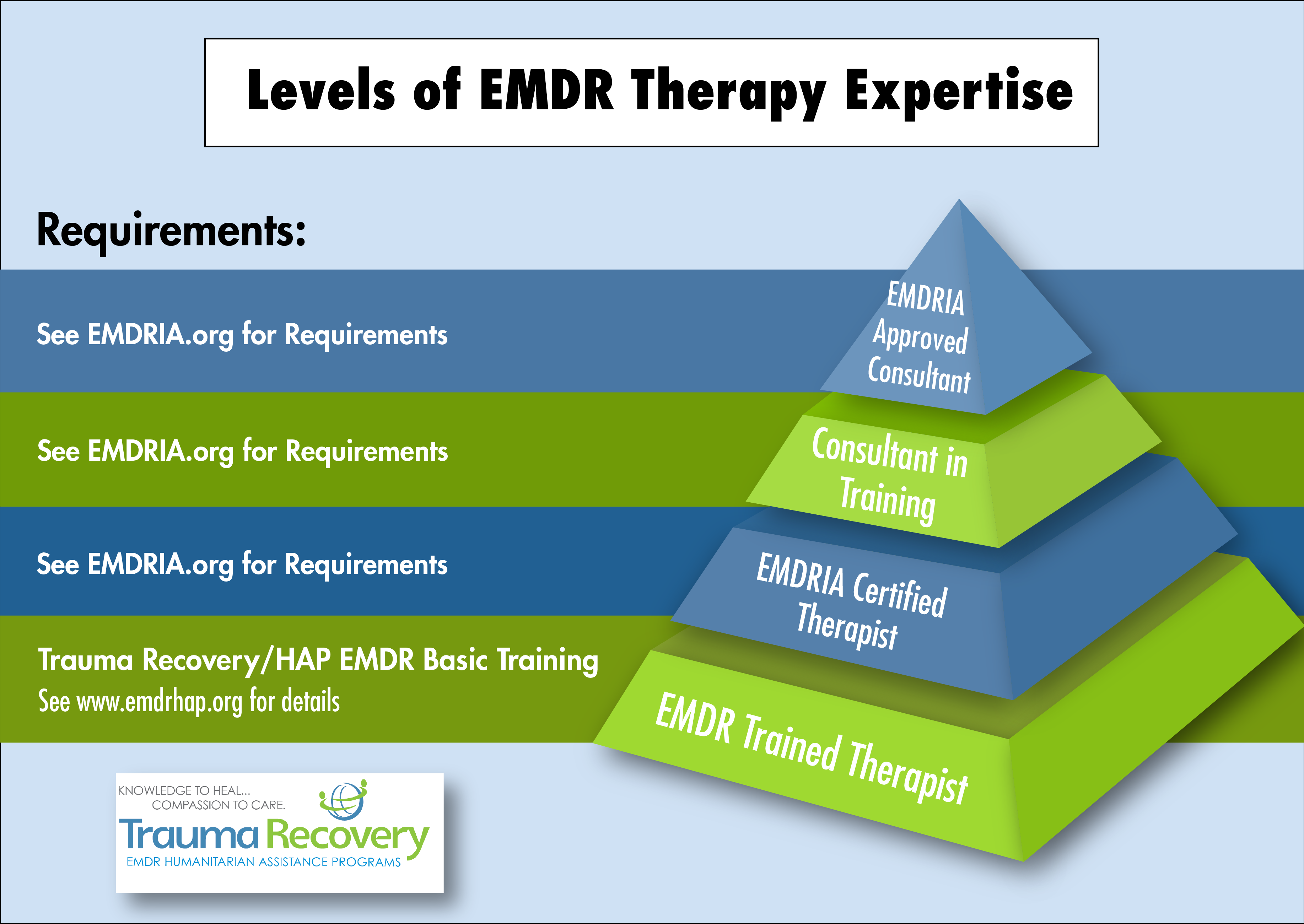
Source : emdrhap.org
Okay, first things first. What are we even talking about when we say “EMDR training”? It’s not just some quick weekend workshop. This is a rigorous, multi-phase process designed to equip you with the clinical competency to effectively use Eye Movement Desensitization and Reprocessing (EMDR). Think of it as learning to pilot a highly sophisticated therapeutic aircraft. You can’t just skim the manual; you need the full flight simulation, ground school, and supervised hours.
Understanding the Core EMDR Protocol
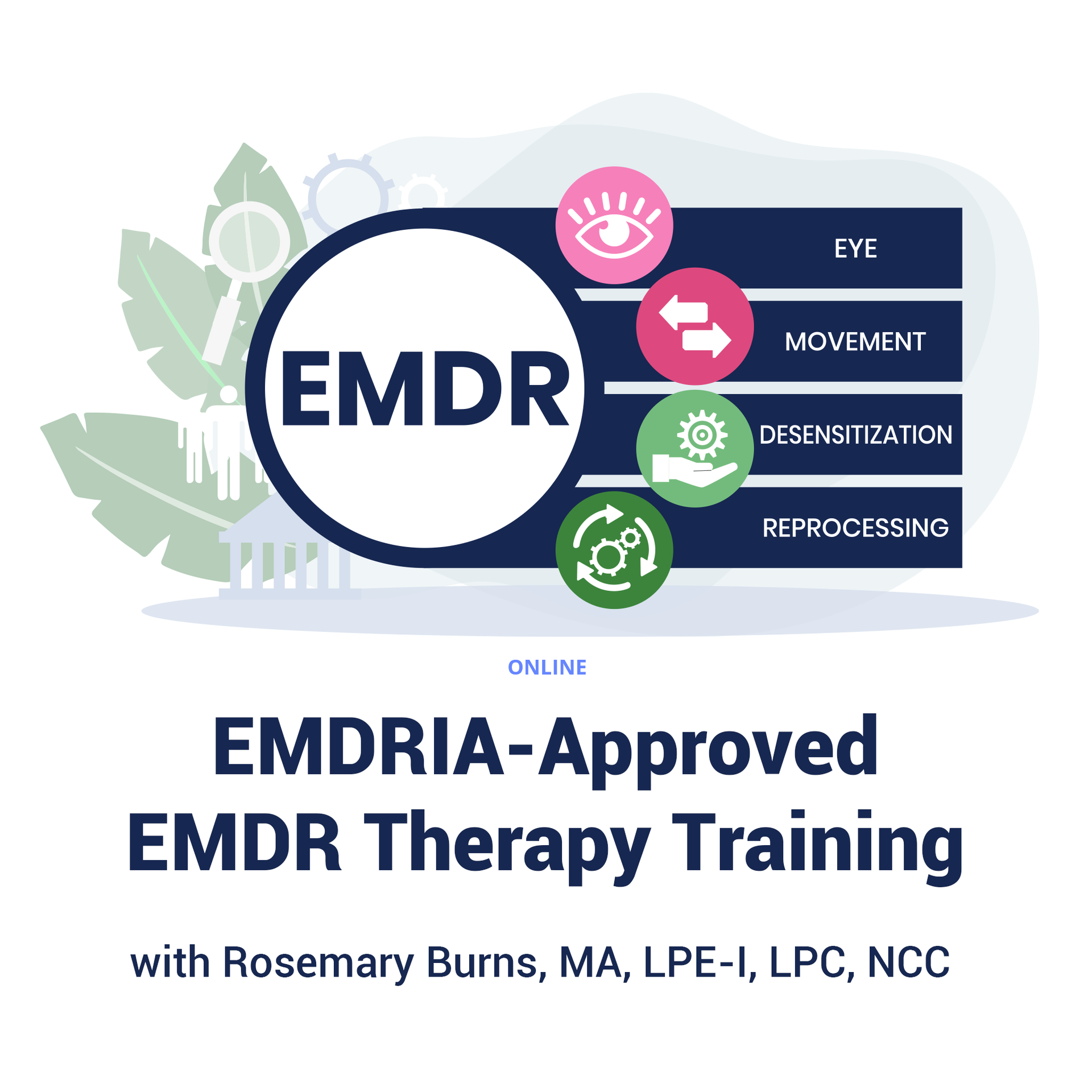
At its heart, EMDR is about processing distressing memories that haven’t been adequately processed by the brain. These stuck memories can manifest in all sorts of ways – anxiety, phobias, PTSD symptoms, you name it. The training focuses on the eight-phase protocol developed by Dr. Shapiro. You’ll learn how to identify target memories, guide clients through bilateral stimulation (which can be visual, auditory, or tactile), and help their brains reprocess these experiences in a healthier way. Mastering the EMDR protocol is absolutely Key.
Why Formal Training is Non-Negotiable
You might be thinking, “I’ve read about EMDR, can’t I just wing it?” Absolutely not. This is where people get it wrong. EMDR is a potent intervention. Misapplying it can be, at best, ineffective and, at worst, potentially re-traumatizing for your client. Formal training ensures you understand the contraindications, the nuances of client screening, and how to manage abreactions (when strong emotions come up intensely). It’s about ethical practice and genuine therapeutic benefit. Don’t cut corners here; ethical EMDR practice demands proper training.

Source : aercs.ca
The Difference Between Training and “Certification”
This is a big one, and frankly, it trips a lot of people up. Most reputable EMDR training programs, like those from the EMDR International Association (EMDRIA) or its accredited providers, offer Full “Basic Training.” Upon completion of this intensive program, you receive a certificate of completion from the training provider. This signifies you’ve undergone the required didactic and experiential learning. True EMDR certification, however, often involves additional steps after the basic training, like supervised practice hours, case consultations, and potentially a written exam. It’s a deeper level of validation. We’ll unpack this distinction further, because frankly, it matters.
Eligibility: Who Can Actually Do This?
Alright, before you get all excited about virtual classrooms and learning bilateral stimulation techniques, let’s pump the brakes. Not everyone can just jump into EMDR therapy training. There are specific requirements, and they’re there for a reason. It’s about ensuring you have the foundational knowledge and professional standing to handle this complex modality. Messing this up means you might spend money and time only to be turned away. That’s a gut punch. Checking EMDR training eligibility is step one.
Mental Health Professionals: The Primary Audience
Generally, the core audience for EMDR training includes licensed mental health professionals. We’re talking about psychologists, psychiatrists, licensed clinical social workers (LCSW), licensed professional counselors (LPC), marriage and family therapists (LMFT), and similar licensed practitioners. The key here is that you hold a license that allows you to practice psychotherapy independently and ethically within your jurisdiction. This license is your foundation. Without it, you’re typically ineligible. Consider your professional licensure the gateway.
Students and Trainees: A Conditional Path
What about those still in training? If you’re a graduate student in a mental health program (like social work, counseling, psychology) or a trainee under supervision, you might be eligible. However, there are usually strict conditions. You’ll likely need to be in a program that confers a graduate degree and be under the direct supervision of a licensed clinician who is themselves trained in EMDR. Some programs require a letter from your supervisor confirming this arrangement. This ensures you’re learning within a safe, supervised framework. EMDR training for students has specific rules.
Specialized Roles and Exceptions
There are some edge cases and specialized training tracks. For instance, certain medical professionals like doctors or nurses who work extensively with trauma populations might be considered, often with additional requirements or supervision. Similarly, some “advanced” EMDR workshops exist for those who have completed basic training, focusing on specific populations like children or complex trauma. But for the foundational EMDR basic training, the focus is firmly on licensed clinicians or those actively working towards licensure under supervision. Always check the specific requirements of the training provider.
Handling the Online Training Field
The shift to online learning has opened up massive opportunities for EMDR certification online. No longer are you tethered to training sites in major cities. You can learn from world-renowned trainers from your armchair. But this digital frontier also has its own set of challenges and considerations. You need to be discerning. Not all online offerings are created equal, and some might not meet the rigorous standards of organizations like EMDRIA.
Accredited vs. Non-Accredited Programs
This is Top. You absolutely want to Make sure that the online EMDR training you choose is accredited by a recognized body, most notably the EMDR International Association (EMDRIA). Training that is EMDRIA-approved means it meets stringent quality standards for content, faculty, and delivery. Non-accredited programs might teach elements of EMDR, but they won’t typically qualify you for official EMDR certification or membership in professional EMDR organizations. Look for phrases like “EMDRIA Approved Training.” This is your stamp of legitimacy. EMDRIA approved training is the gold standard.
Understanding the Online Format: Live vs. Self-Paced
Online EMDR training isn’t monolithic. Some programs are live, synchronous sessions where you participate in real-time via video conferencing, similar to a traditional classroom. You can interact with the trainer and peers. Others might be asynchronous or self-paced, with pre-recorded lectures and materials. While flexible, these often require more self-discipline and may have less direct interaction. Many high-quality programs blend these – live sessions for the core protocols and experiential components, with self-paced modules for foundational knowledge. Online EMDR training formats vary widely.
Source : meridiempsych.com
The “Experiential” Component Online
EMDR is highly experiential. You don’t just learn it; you do it. How does that translate online? Reputable programs structure this carefully. Expect breakout rooms where you practice EMDR techniques with fellow trainees under the watchful eye of trainers or consultants. This often involves video conferencing. You might be paired up, take turns being the “therapist” and “client,” and then receive feedback. It’s surprisingly effective when done well. The key is active participation and skilled facilitation. It’s not passive viewing; it’s interactive EMDR practice.
Finding Reputable Online EMDR Training Providers
Okay, you’re convinced online is the way to go. But where do you actually find these programs? The internet is a vast ocean, and you need a solid map. Several organizations and training institutes are well-regarded in the EMDR community. Do your homework. A little research now saves a lot of headache later. You want to invest in quality, not just a cheap click-through course. Searching for EMDR training providers online requires diligence.
The EMDR Institute: A Pioneer’s Legacy
Founded by Dr. Francine Shapiro herself, the EMDR Institute is one of the original and most respected training organizations. They offer Full training programs, and while historically focused on in-person, they have adapted to offer online and hybrid options. Their commitment is to delivering Dr. Shapiro’s original protocols with fidelity. Training materials are constantly updated by experts, ensuring you get a first-rate, up-to-date experience directly from the source. They pride themselves on faculty who are internationally recognized speakers and authors. You can find detailed information on their offerings, including upcoming schedules and eligibility criteria, directly on their site. Their approach emphasizes the depth and integrity of the original EMDR work. For many, this is the ultimate Standard for EMDR Institute training.
- Focus on Dr. Shapiro’s original protocols.
- Faculty comprised of internationally recognized experts.
- Continuously updated training materials.
- Emphasis on fidelity and engagement in teaching.
EMDR USA: A Hub for Practitioners
EMDR USA is another significant organization that provides resources and training opportunities. They often list approved training programs and trainers, helping you find qualified instructors who offer online courses. Their website can be a valuable resource for vetting programs and understanding the standards expected for effective EMDR practice. They are a Key part of the EMDR ecosystem, supporting clinicians and promoting best practices. Their role is Key in ensuring the quality and accessibility of EMDR training resources. They act as a clearinghouse for much of the Needed information therapists need. They Make sure that practitioners are well-supported throughout their learning journey. This includes connecting them with community and ongoing professional development.
ConnectEMDR: Modern Training Solutions
Institutes like ConnectEMDR are increasingly offering Strong online options. These providers often Use modern technology to deliver engaging and effective virtual training experiences. They understand the need for flexibility and accessibility in today’s world. You’ll find programs designed to meet EMDRIA standards, incorporating live instruction, virtual practice sessions, and Full materials. Their focus is on making the learning process as Smooth and impactful as possible, adapting the traditional methods to a digital environment. They often highlight the ease of access for therapists anywhere, making EMDR basic training online a practical reality. They aim to bridge the gap between traditional learning and the digital age. Their approach is often praised for its innovation.
The Step-by-Step Process: From Enrollment to Completion
Alright, you’ve found a program that looks good. Now what? Becoming certified in EMDR therapy online isn’t just about signing up; it’s a journey with distinct stages. Each step builds on the last, moving you from theoretical understanding to practical application. Don’t just skim this; each part is critical for success. Think of it like building a house – you need a solid foundation and each stage done correctly.
Step 1: Verify Eligibility and Program Accreditation
Before anything else, double-check. Confirm you meet all the eligibility requirements of the specific program (licensure, degree status, supervision, etc.). Simultaneously, verify that the program is EMDRIA-approved or meets equivalent rigorous standards. This is your non-negotiable first step. Investing time and money into an unaccredited program is a waste. Look for clear statements of accreditation on their website. This ensures your training will be recognized. It’s about validating the quality of the EMDR training program you’re considering.
Step 2: Registration and Payment
Once you’ve confirmed eligibility and accreditation, it’s time to register. This typically involves filling out an online application form, submitting proof of licensure or student status, and making the payment. Training fees can be Large, so be prepared. Some programs offer payment plans, which can be helpful. Read the cancellation and refund policies carefully before you pay. Understand what happens if your circumstances change. This stage is about commitment and logistics. Secure your spot in the EMDR training cohort.
Step 3: Completing the Didactic (Learning) Phase
This is the core learning component. For online training, this often involves a combination of live, synchronous video sessions and asynchronous, self-paced modules. You’ll learn the history of EMDR, the theoretical underpinnings, the eight-phase protocol in detail, and specific applications. Pay close attention during live sessions; this is where you can ask questions. The self-paced modules will likely include readings, videos, and perhaps quizzes. Active engagement is key to absorbing the EMDR therapy concepts.
Watch: Becoming an EMDR Therapist 2023
Step 4: The Experiential (Practice) Phase
This is arguably the most Key part. Here, you’ll practice the EMDR protocol with fellow trainees in small breakout groups via video conferencing. You’ll alternate roles as therapist, client, and observer. Trainers and consultants will supervise these sessions, providing feedback and guidance. This hands-on practice is Needed for developing clinical skills and confidence. Don’t be shy; this is your training ground. Mastering EMDR practical skills happens here.
Step 5: Post-Training Requirements and Consultation
Completing the initial training modules isn’t the end. Most accredited programs require post-training work. This often includes a set number of hours of case consultation with an EMDR-trained consultant. You’ll discuss your clinical cases, how you’re applying EMDR, and receive expert guidance. This is Key for refining your technique and ensuring ethical application. Some programs also require additional reading or specific post-basic workshops. Successfully Handling these steps moves you closer to EMDR certification. This phase solidifies your learning.
Cost and Time Commitment: What to Expect
Let’s talk brass tacks. How much does it cost, and how much time will this eat up? Getting properly trained in EMDR therapy, whether online or in person, is a significant investment. It’s not cheap, and it’s definitely not quick. Understanding the scope of this commitment upfront is Key for planning and avoiding disappointment. Don’t underestimate the demands; EMDR training investment is real.
Typical Training Costs
The price tag for a Full EMDR Basic Training (Part 1 and Part 2, plus required consultation hours) can range significantly. You’re often looking at anywhere from $1,200 to $3,000 or even more. This usually covers the didactic training, supervised practice sessions, and sometimes initial consultation hours. Remember, this is just for the basic training. Advanced workshops or specialized training will cost extra. Factor in potential costs for required reading materials or books not included in the training fee. The cost reflects the depth and quality of the EMDR certification process.
Time Investment: Beyond the Classroom Hours
The actual training days (usually 4-5 full days spread over a few weeks or months for online programs) are just the beginning. Beyond the synchronous and asynchronous learning, you need to factor in:
- Reading and Assignments: Completing assigned readings, papers, or exercises.
- Case Consultation: Attending scheduled group or individual consultation sessions. This is often a significant chunk of time, requiring weekly or bi-weekly commitment for several months.
- Supervised Practice: Applying EMDR in your practice with clients and documenting your experiences for consultation.
- Independent Study: Reviewing protocols, watching training videos again, and integrating the material into your thinking.
All told, the entire process from starting the basic training to potentially being eligible for full certification can easily span 6 months to over a year. It requires consistent effort and dedication to complete EMDR training requirements effectively. Don’t expect to squeeze this into your spare evenings alone.
Comparing Online vs. In-Person Costs and Time
Online training often presents a slight cost advantage. You save on travel, accommodation, and potentially meal expenses associated with attending in-person workshops. However, the core tuition fees for accredited programs are often comparable, as the quality of instruction and content remains the same. Time-wise, online training offers immense flexibility. You can attend sessions from anywhere, fitting them around your existing practice and personal life more easily. However, the time commitment for practice, reading, and especially case consultation remains largely the same, regardless of delivery method. The real benefit of online is accessibility, not necessarily a reduction in total effort. It makes flexible EMDR learning a reality.
The Path to Full EMDR Certification
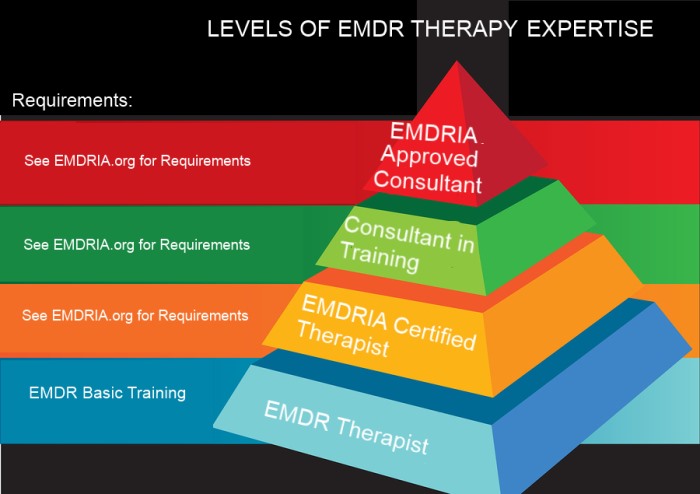
Completing the basic EMDR training is a huge accomplishment, but it’s often just the first major hurdle. If your goal is full, official EMDR certification – signifying a high level of expertise and adherence to standards – there are usually further steps. This is where you move from “trained” to “certified.” It’s a distinction that carries weight in the professional community. Aiming for official EMDR certification is a smart move for serious practitioners.
Basic Training vs. Certified EMDR Therapist
Think of it like this: finishing basic training is like getting your driver’s permit. You’ve learned the rules and had some supervised practice. Becoming a “Certified EMDR Therapist” (often through EMDRIA or similar bodies) is like getting your full driver’s license and then maybe even becoming a certified driving instructor. It requires demonstrating a higher level of proficiency, experience, and ongoing commitment to the modality. The basic training provides the foundation; certification builds the advanced structure. This is a Key difference for EMDR therapist credentialing.
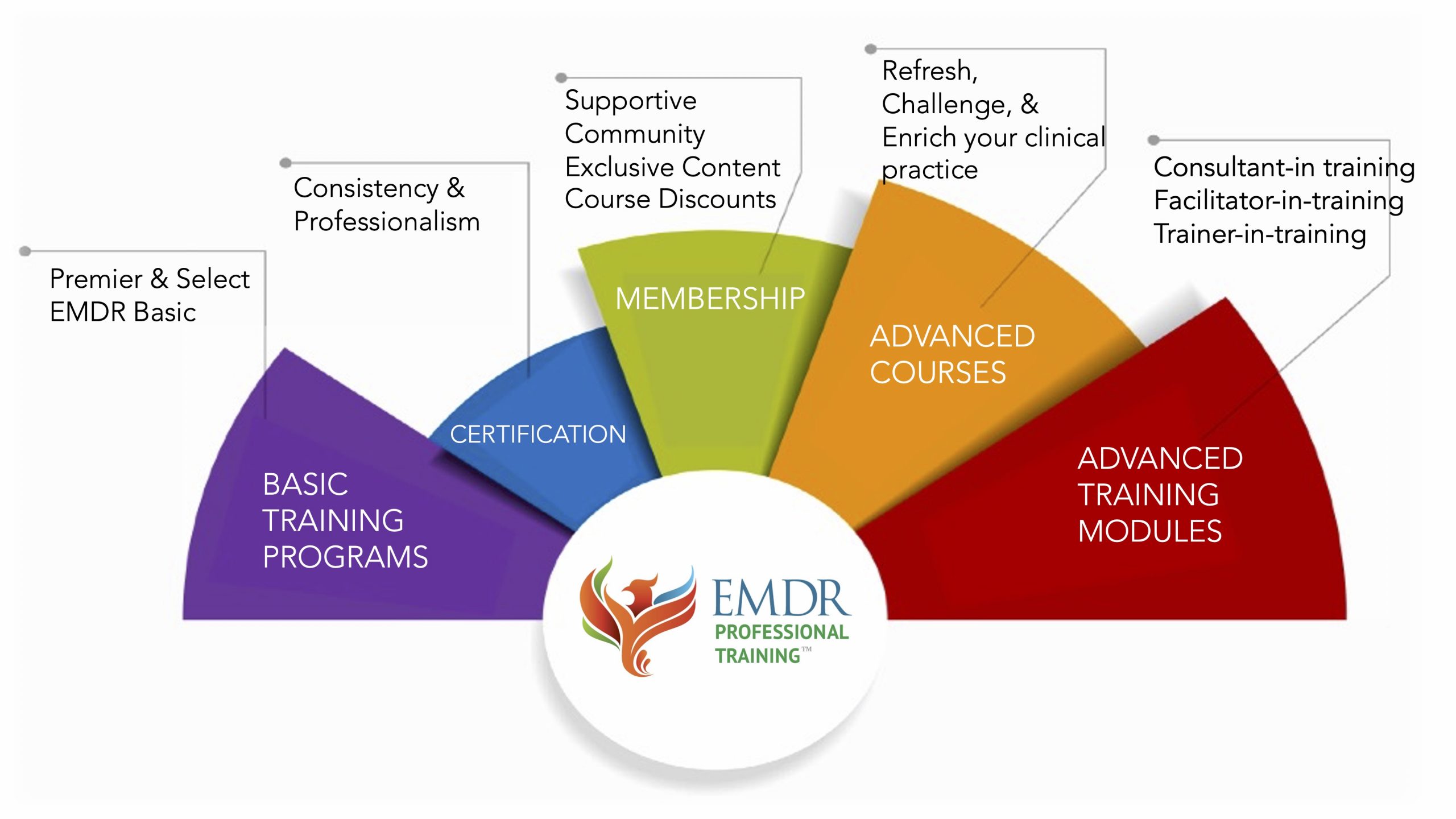
Source : emdrprofessionaltraining.com
Required Hours and Case Consultations
To become a fully certified EMDR therapist, you’ll typically need to accumulate a specific number of hours of EMDR case consultation after completing your basic training. EMDRIA, for example, requires a significant number of hours (often 20+ hours) of consultation specifically focused on EMDR cases with an approved consultant. These consultations help refine your skills, address challenges, and Make sure you’re applying the protocols correctly and ethically across a range of client presentations. This supervised experience is Crucial. These hours are critical for advanced EMDR skill development.
EMDRIA Certification Requirements (Example)
While requirements can evolve, EMDRIA’s certification process generally includes:
- Completion of an EMDRIA-approved Basic Training.
- Documented experience working with clients using EMDR therapy.
- Completion of a specified number of hours of EMDR-focused case consultation with an EMDRIA Approved Consultant.
- A minimum number of clients treated with EMDR (often around 25 clients, with at least 50% of their caseload using EMDR).
- Adherence to EMDRIA’s ethical code.
- Submission of a certification application and fee.
It’s a thorough process designed to Make sure competence and ethical practice. Always check the official EMDRIA website (or your country’s equivalent) for the most current and detailed requirements. This ensures you’re meeting the Standard for becoming an EMDRIA certified therapist.
Benefits of Full Certification
Why go through the extra steps? Full certification lends significant credibility. It signals to clients, colleagues, and referral sources that you have met rigorous standards of training and experience. It can also open doors to advanced training opportunities, leadership roles within EMDR organizations, and even referrals from EMDRIA itself. For many, it represents a deep commitment to mastering EMDR therapy and providing the highest quality of care. It’s about professional validation and advanced practice. The journey to EMDR certified status is rewarding.
Making the Most of Your Online EMDR Training Experience
So, you’re enrolled in an online EMDR training. Awesome! Now, how do you Make sure you get the absolute most out of it? It’s easy to just passively watch videos, but that’s not how you truly master EMDR. You need to be proactive. Treat this online course with the same seriousness and engagement as if you were in a physical classroom. Your clients will thank you for it. Active participation is key to effective online EMDR learning.
Be Present and Engaged During Live Sessions
If your training includes live, synchronous sessions, show up fully. Minimize distractions. Turn your camera on if possible – it helps with connection and engagement. Ask questions! Use the chat function or unmute yourself. Don’t assume you’re the only one with a question; chances are, others are wondering the same thing. Treat these live interactions as your primary opportunity for clarification and connection with the faculty. This is Key for understanding complex EMDR therapy techniques.
Actively Participate in Breakout Rooms
The practice sessions in breakout rooms are gold. Don’t hide in the corner. Volunteer to be the therapist, even if you feel nervous. Observe closely when others are practicing. Take notes. Offer constructive, respectful feedback when appropriate. This active participation is where the real learning and skill development occur. You need to feel the flow, navigate the silences, and practice pacing. It’s about building confidence through doing. Hands-on EMDR practice online is Key.
Connect with Your Cohort
Your fellow trainees are an Crucial resource. Exchange contact information. Form study groups or practice partners outside of the scheduled sessions. Discuss challenging concepts. Share insights. You’re all on this journey together. Building a professional network through your training can lead to future collaborations and support. These connections can be a lifeline, especially when you start implementing EMDR with your own clients. This network supports your EMDR professional development.
Integrate Learning with Your Current Practice
As soon as possible, start applying what you’re learning (within ethical and supervised boundaries, of course). Discuss potential EMDR cases with your consultant. Identify clients who might be suitable candidates once you have completed the required training and supervision. Reflect on how EMDR concepts Match with or challenge your existing therapeutic approaches. The sooner you begin integrating, the more deeply the learning will stick. This practical application reinforces the EMDR training curriculum.
The Future of EMDR Training: Embracing Digital Delivery
Source : emdrtrainingcenter.com
The move towards online EMDR training isn’t just a temporary fix; it’s a fundamental shift. It reflects broader trends in education and professional development. As technology improves and trainers become more Skilled at virtual delivery, online options are likely to become even more sophisticated and prevalent. This accessibility democratizes training, allowing therapists from diverse backgrounds and locations to gain Needed skills. It’s an exciting time for EMDR therapy education.
Increased Accessibility and Reach
Online training breaks down geographical barriers. A therapist in a rural area can now access world-class EMDR instruction without needing to travel hundreds of miles or take extended time off. This broadens the reach of EMDR therapy itself, as more clinicians become equipped to offer it. This increased access is Key for serving communities that may have lacked specialized trauma services. It’s about making high-quality EMDR training accessible to everyone who qualifies.
Technological Advancements in Virtual Learning
We’re seeing continuous innovation in how online learning is delivered. High-definition video, interactive platforms, virtual reality (though still nascent for EMDR), and sophisticated learning management systems are enhancing the virtual classroom experience. These tools help create more engaging and effective learning environments, bridging the gap between in-person and online interaction. The goal is to make the experience as rich and impactful as possible. Technology is reshaping online therapeutic training.
Maintaining Quality and Fidelity Online
The biggest challenge, and the focus for reputable providers, is maintaining the quality and fidelity of the EMDR protocols in an online format. This requires skilled trainers who understand how to adapt experiential exercises and manage virtual group dynamics effectively. Ensuring that trainees develop genuine clinical competency, not just theoretical knowledge, is Top. Organizations like EMDRIA play a critical role in setting and upholding these standards for online EMDR accreditation. The integrity of the method must be preserved.
The Hybrid Model: Best of Both Worlds?
Many anticipate the rise of the hybrid model – a blend of online learning for didactic content and in-person workshops for intensive practice and integration. This approach could offer the flexibility of online learning combined with the unique benefits of face-to-face interaction and deeper community building. As the field evolves, these blended formats may become the norm, offering the most Full and adaptable path for future EMDR training. It represents a thoughtful evolution.
Data Table: Comparing EMDR Training Components
| Component | Description | Typical Format | Importance for Certification | Online vs. In-Person Considerations |
|---|---|---|---|---|
| Didactic Instruction | Learning the theory, history, and protocols of EMDR. | Lectures, readings, videos, presentations. | Needed (Foundation) | Online offers flexibility; In-person offers direct interaction. Both require active learning. |
| Experiential Practice | Practicing EMDR phases with peers under supervision. | Role-playing in pairs/triads, using bilateral stimulation. | Key (Skill Development) | Online uses breakout rooms/video; In-person uses physical proximity. Requires skilled facilitation online. |
| Case Consultation | Discussing clinical cases with an approved EMDR consultant. | Group or individual sessions, often weekly/bi-weekly. | Required for Full Certification (Post-Basic Training) | Online is highly feasible and common; In-person requires meeting availability. Less travel needed online. |
| Supervised Client Work | Applying EMDR with actual clients and debriefing. | Direct clinical practice, documented for consultation. | Required for Full Certification (Accumulated Hours) | Delivery method of training doesn’t change this core clinical requirement. Focus is on client work itself. |
| Knowledge Assessment | Testing understanding of EMDR principles. | Quizzes, exams, case study analyses. | Often part of Basic Training completion. | Easily administered in both online and in-person settings. Online may use digital testing platforms. |
This table highlights that while the delivery method can change (online vs. in-person), the core components and their importance for achieving competency and certification remain consistent. The focus on practical application and supervised experience is non-negotiable for anyone serious about becoming a proficient EMDR therapist. It underscores the depth required for EMDR therapist development.
Frequently Asked Questions
Can you get EMDR certified online?
Yeah, you totally can. Lots of reputable EMDR training programs now offer online or hybrid options. It makes getting certified way more accessible, especially if you can’t travel or have a busy schedule. Just make sure the program is accredited by an official EMDR organization like EMDRIA.
Can EMDR help dysautonomia?
It’s really promising! Because dysautonomia often involves the autonomic nervous system getting stuck in a ‘fight or flight’ mode, EMDR therapy can help retrain those responses. People have reported significant improvements in symptoms by processing the underlying trauma or stress that might be contributing to their condition.
What are the prerequisites for EMDR certification?
Usually, you need to be a licensed mental health professional first. Think therapists, psychologists, social workers, counselors. After that, it’s about completing an approved EMDR training course, which typically involves a certain number of hours of didactic training and supervised practice.
How long does EMDR certification take?
It varies, but generally, the core training is spread out over several months, often in modules. Beyond the initial training, there’s usually a requirement for supervised practice sessions, maybe 10-20 hours, which can add a few more months. So, from start to finish, budget around 6 months to a year to get fully certified in EMDR.
Is online EMDR certification as effective as in-person?
For the most part, yes. The effectiveness really hinges on the quality of the program and your engagement. Good online programs have live, interactive sessions and excellent supervision, so you’re still getting that Key hands-on experience. But, some people just vibe better with in-person, so it depends on your learning style.
