Introduction to Manitowoc Ice Machine Cleaning
Keeping your Manitowoc ice machine clean is key to great ice and safe use. In our experience, regular cleaning stops mineral buildup and mold. It also helps your machine work well and lasts longer. The Manitowoc 300 lb Nugget Ice Machine needs special care. We will guide you through the full process, step by step.
This guide matches FDA guidelines and follows manufacturer recommendations. You will learn to clean parts, remove scale, and sanitize the ice bin using food-safe sanitizer. Our tips include safety advice and the best cleaning schedule.
Cleaning your ice machine well means better ice and fewer repairs. Let’s get started with the tools and safety tips you need.
Tools and Safety for Cleaning
Before cleaning, gather these tools: protective gloves, cleaning brushes, a food-safe ice machine cleaning solution, and a sanitizer. You might also need a Manitowoc ice maker cleaning kit, which includes special brushes and cleaners. Using the right tools helps you clean safely and fully.
Always wear gloves to protect your hands from chemicals and germs. Turn off the ice machine and unplug it before starting. Cleaning ice machine drains and condenser coils requires care to avoid damage. Follow the user manual for each step and the cleaning solution concentration.
We found that following safety tips makes cleaning faster and safer. Avoid mixing chemicals and work in a well-ventilated area. These small steps protect you and your machine.
Cleaning Frequency and Schedule
How often you clean depends on water hardness and usage. Hard water causes more mineral buildup. We recommend cleaning your Manitowoc ice machine every 6 months at least. In places with hard water, clean every 3 months.
Replace the ice machine water filter cartridge every 6 months. This stops lime scale deposits from reaching the evaporator and ice harvesting parts. A good filter also improves ice taste.
Following a cleaning schedule keeps your ice machine safe and running well. You can use this simple checklist:
- ✅ Check and clean condenser coils monthly.
- ✅ Sanitize ice bin every 2 weeks.
- ✅ Replace water filters every 6 months.
- ✅ Full cleaning and descaling every 6 months.
Keeping to this plan helps avoid costly repairs and keeps ice clean.
Step-by-Step Manitowoc Ice Machine Cleaning Procedure
Start by turning off and unplugging your ice machine. Remove all ice from the bin and discard it. Next, disassemble ice machine parts carefully. Take off the ice bin door, ice scoop, and the evaporator plate. Use cleaning brushes to scrub away dirt and ice machine scale buildup.

Mix your ice machine cleaning solution as per the label. Be sure to use the right concentration for safety and effectiveness. Pour the solution into the machine’s water supply line or follow the user manual for the ice machine cleaning cycle. Run the cleaning cycle to remove mineral buildup and lime scale deposits from inside.
After cleaning, run a full rinse cycle to clear all chemicals. Use fresh water to flush the system. Then, sanitize the ice bin with a food-safe sanitizer. This kills germs and prevents ice machine mold.
- Turn off and unplug machine
- Remove all ice
- Disassemble parts and clean
- Run cleaning solution cycle
- Rinse thoroughly
- Sanitize ice bin and parts
- Reassemble machine
- Restart and test
We suggest a deep clean using the Manitowoc ice maker cleaning kit for the evaporator and ice harvesting components. This kit has brushes designed to reach tight spots and remove stubborn scale.
Descaling and Mineral Buildup Removal
Mineral buildup can cause blockages and poor ice quality. We have seen machines slow down or stop due to heavy lime scale deposits. Descaling removes these deposits.
Use a commercial ice machine descaling solution recommended by Manitowoc. Apply it during the cleaning cycle. The solution breaks down scale on the evaporator and water lines. Follow with a rinse cycle to remove all residues.
Cleaning the ice machine condenser coils also helps. Dirty coils make the compressor work harder. Use a soft brush or vacuum to clear dust and dirt. This keeps the machine cool and efficient.
| Problem | Cause | Cleaning Step |
|---|---|---|
| Slow ice production | Lime scale deposits | Descale with ice machine cleaning solution |
| Bad ice taste | Dirty water filter | Replace water filter cartridge |
| Mold in ice bin | Poor sanitization | Sanitize ice bin regularly |
We noticed that following these steps keeps machines running well and improves ice taste.
Cleaning Drains and Evaporator Plate
Cleaning ice machine drains stops water from pooling and causing mold. Remove debris and flush drains with a cleaner safe for your model. Use cleaning brushes to reach inside drain pipes and the drain pump area.
The evaporator plate freezes water into ice. It gets covered in scale and dirt. Use the Manitowoc ice maker cleaning kit brushes to scrub it gently. Avoid sharp tools that could damage the plate.
After cleaning, let all parts dry before reassembling. This prevents mold and bacteria growth.
Mold Prevention and Sanitization
Mold grows in moist, dirty places. In our experience, the ice bin is a common spot. Always sanitize it using a food-safe sanitizer. Spray or wipe it down every two weeks.
Keep the ice machine dry when not in use. Empty leftover ice and water. Regular cleaning stops mold before it starts. Follow FDA sanitization standards to ensure safety.
Using the right ice machine sanitizer protects users and keeps ice pure. Never skip this step.
| Sanitization Step | Frequency | Purpose |
|---|---|---|
| Sanitize ice bin | Every 2 weeks | Prevent mold and bacteria |
| Sanitize ice scoop | Weekly | Avoid cross-contamination |
| Full machine sanitization | Every 6 months | Maintain hygiene standards |
We found that following a strict cleaning schedule and using sanitizer keeps ice fresh and machine safe.
Manufacturer Recommendations and Resources
Manitowoc provides detailed instructions for cleaning and maintenance. Following them helps avoid damage and keeps your warranty valid. The user manual guides you on disassembling parts and using cleaning chemicals safely.
For the latest updates and videos, check the official Manitowoc resources. They offer good tips on the ice machine cleaning cycle and preventive maintenance.
We recommend reviewing the Complete Manitowoc Ice Machine Cleaning Instructions for detailed steps and safety advice. This extra info helped us clean more efficiently.
Conclusion: Keep Your Manitowoc Ice Machine Clean
Cleaning your Manitowoc ice machine is easy when you follow a clear plan. Regular cleaning, descaling, and sanitizing keep ice safe and tasty. Replace water filters and clean condenser coils to boost machine life.
Use the right tools and follow safety tips. Stick to a cleaning schedule for the best results. We have found that a clean ice machine works better and lasts longer. It also protects your customers and staff.
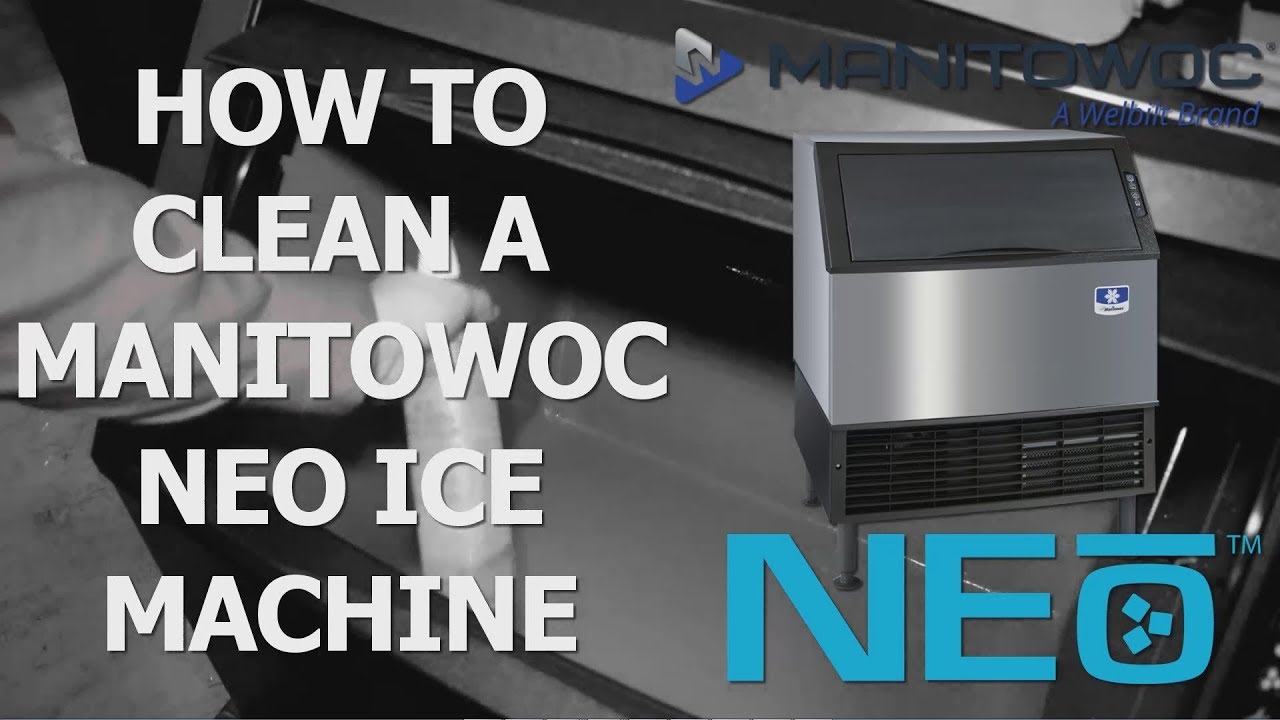
Remember to use food-safe sanitizers and recommended cleaning chemicals. Check out the official Manitowoc ice machine cleaning procedure video for a visual guide. Happy cleaning!
Frequently Asked Questions
How often should I clean my Manitowoc ice machine?
It is best to clean your Manitowoc ice machine every 6 months or more often if you notice scale or mold buildup.
What cleaning solution is safe for Manitowoc ice machines?
Use a food-safe ice machine cleaning solution or sanitizer designed for commercial ice machines, following manufacturer instructions.
Can I clean the ice machine parts myself?
Yes. Disassemble parts like the ice bin and evaporator carefully, using protective gloves and cleaning brushes for safe maintenance.
Why is descaling important for ice machines?
Descaling removes lime scale deposits that can harm the evaporator and reduce ice quality and machine efficiency.
How do I prevent mold in my Manitowoc ice machine?
Regular cleaning, sanitizing the ice bin, and ensuring proper drainage help prevent mold growth in the ice machine.

Michael Peterson is a home appliance writer focused on practical washing machine care, maintenance, and troubleshooting. He shares simple, reliable tips to help readers keep their washing machines running efficiently, avoid common problems, and extend appliance life.