Introduction to Washing Machine Agitator Cleaning
In our experience, cleaning the washing machine agitator is key to keeping clothes fresh. The agitator moves clothes during washing, but it can gather detergent residue and grime. Left unchecked, this buildup can cause mold and bad smells. We found that regular washing machine maintenance helps avoid these problems. Also, cleaning the agitator improves washing performance.
If you want to learn how to clean the agitator and keep your machine fresh, we will guide you step-by-step. We also share tips on removing mold and odor from your machine. Plus, we cover tools and tricks for easy cleaning. This guide works for most agitating washing machine types you find today.
For more ways to keep your laundry space clean, check out our guide on how to clean dishwashing machine. It has useful tips you can apply to washing machines too.
Why Clean the Washing Machine Agitator?
The agitator is the tall part in the washer’s drum that moves clothes by twisting them. Over time, detergent builds up on it. This buildup traps dirt and soap scum, leading to mold and mildew. We noticed our clothes smelled musty until we cleaned the agitator.
Also, the rubber seal and agitator dogs inside can collect grime. Dirty seals let water leak and cause odors. Agitator dogs help the movement but can wear out or get stuck with gunk.
Cleaning removes all these problems and keeps your washer running well. It also stops washing machine agitator malfunctions that waste energy or damage clothes.
Tools and Materials Needed
To clean your agitator, gather these tools:
- ✅ Screwdriver (usually Phillips or flat-head)
- ✅ Cleaning brush (old toothbrush works well)
- ✅ White vinegar
- ✅ Baking soda
- ✅ Soft cloth or sponge
- ✅ Bucket or bowl for soaking parts
We recommend checking your washing machine manual for special tools or steps. If you want to know how to clean washing machine with mold, vinegar and baking soda are the safest choices.
For a full cleaning routine, you might also need a filter cleaner or replacement parts like agitator dogs. We’ll explain that later.
Step-by-Step Guide to Clean the Agitator
Cleaning the agitator is easier than it seems. We follow these simple steps every few months:
- Turn off and unplug the washer. Safety first.
- Remove the fabric softener dispenser. This is usually on top of the agitator. Pull it up gently.
- Unscrew the agitator bolt. Use a screwdriver to remove the bolt under the dispenser.
- Lift out the agitator. Pull it straight up. It might be tight, so wiggle it gently.
- Soak the agitator in vinegar. Fill a bucket with warm water and vinegar. Let it soak 30 minutes.
- Scrub the agitator. Use a brush to remove grime, detergent buildup, and mold.
- Clean the washing machine tub. Wipe inside the drum with vinegar and baking soda to remove residue.
- Clean or replace agitator dogs. These small parts inside the agitator can be cleaned with a brush. Replace if worn out.
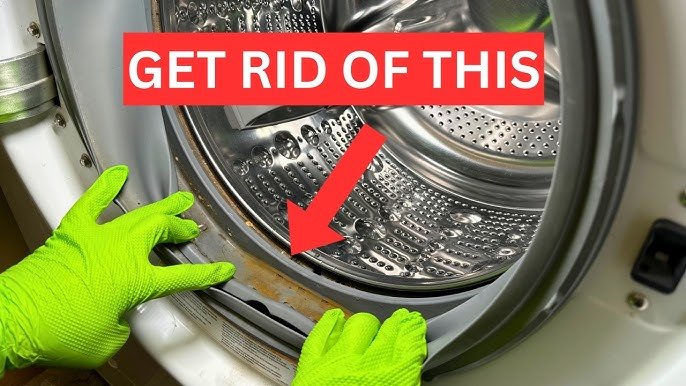
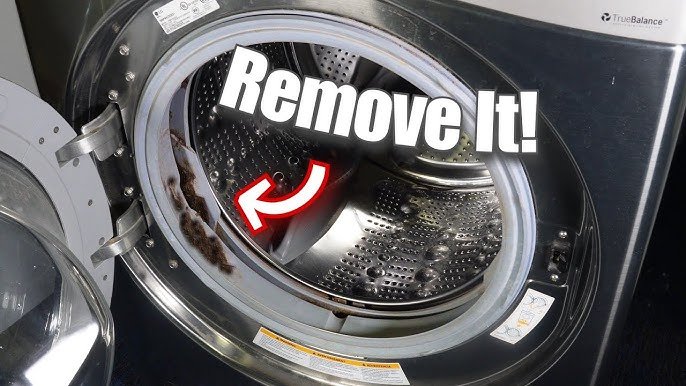
- Clean the rubber seal. Wipe the rubber gasket around the drum with vinegar to remove mold.
- Reassemble the agitator. Put it back and screw the bolt tightly.
- Run a washing machine cleaning cycle. Use hot water and vinegar to disinfect the whole machine.
We found this method very effective at removing bad smells and buildup. If you want more tips on how to clean washing machine with mold, this process covers it well.
Extra Washing Machine Cleaning Tips
Besides cleaning the agitator, keep these tips in mind:
- Use the right amount of laundry detergent. Too much causes buildup.
- Run a hot water cleaning cycle monthly.
- Leave the washer door open after use to dry out the drum.
- Check and clean the detergent dispenser regularly.
- Replace worn agitator parts promptly.
These small steps keep your washing machine fresh and working well for years.
We also recommend cleaning the washing machine agitator brush or any removable parts. A quick brush helps stop grime buildup before it gets bad.
Understanding Washing Machine Agitator Parts
The agitator has several parts that can get dirty or fail:
- Agitator dogs: Small plastic parts that help the agitator move clothes.
- Rubber seals: Stop water from leaking. Can grow mold if dirty.
- Detergent dispenser: Can clog with soap.
- Agitator assembly: The whole agitator unit.
Cleaning or replacing these parts helps avoid malfunctions. We always keep a few spare agitator dogs handy, as they wear out faster than you think.
Below is a quick table showing agitator parts and maintenance tips.
| Part | Issue | Maintenance |
|---|---|---|
| Agitator Dogs | Wear or grime buildup | Clean with brush, replace if worn |
| Rubber Seal | Mold, leaks | Wipe with vinegar regularly |
| Detergent Dispenser | Clogs, residue | Clean monthly with warm water |
| Agitator Assembly | Grime buildup | Soak and scrub with vinegar |
Cleaning these parts keeps the machine running smoothly and prevents odors.
Manual Agitation Cleaning and Maintenance
Some washing machines have manual agitation settings or you might want to do some hand cleaning. When we test manual agitation cleaning, we find it helps loosen buildup inside the agitator.
:max_bytes(150000):strip_icc()/how-to-remove-agitator-from-washing-machine-5211908-hero-1d1327a42ed94962af915e32891c5ab1.jpg "How to Remove the Agitator From a Washing Machine (Figure)")
To do this, remove the agitator and soak it in vinegar. Then, scrub with a brush while rotating the agitator to clean all sides. This method removes grime stuck deep in the parts.
After manual cleaning, reassemble and run a full cleaning cycle with hot water and vinegar to disinfect.
Washing Machine Odor Removal Tricks
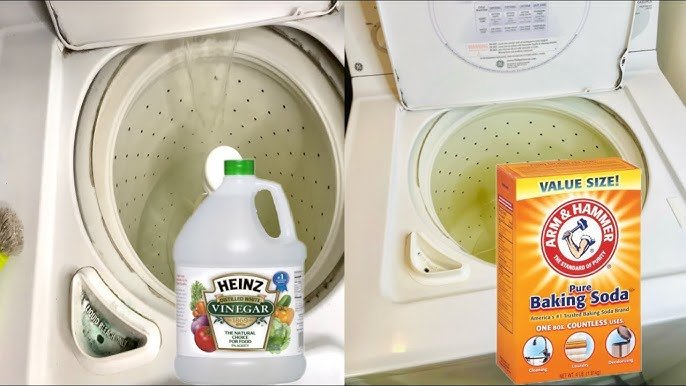
Our biggest success in odor removal came from using vinegar and baking soda. Vinegar breaks down mold and detergent residue. Baking soda absorbs bad smells.
Mix half a cup of baking soda with two cups of vinegar. Add this to the washing machine drum and run a hot water cycle without clothes. This cleans the agitator and drum well.
Also, wiping the rubber seal with vinegar after each wash helps stop mold growth and keeps the machine smelling fresh.
For detailed advice, you can read more about how to clean washing machine with vinegar and baking soda. It shows how to fight odor and buildup effectively.
Common Washing Machine Agitator Problems
We have seen these common agitator issues:
- Detergent buildup: Causes poor agitation and smells.
- Broken agitator dogs: Leads to noisy or weak movement.
- Mold on seals: Makes odors and leaks.
- Loose agitator: Can damage the drum.
Regular cleaning and maintenance avoid these problems. If your agitator malfunctions, check the parts and clean thoroughly before replacing anything.
Here is a comparison table of agitator issues and fixes.
| Problem | Cause | Solution |
|---|---|---|
| Detergent Buildup | Too much soap, no cleaning | Clean agitator with vinegar, reduce detergent |
| Broken Dogs | Wear and tear | Replace agitator dogs |
| Mold on Seals | Moisture buildup | Wipe seals with vinegar regularly |
| Loose Agitator | Loose bolt | Tighten agitator bolt |
Routine Washing Machine Maintenance Schedule
We follow this schedule to keep our washing machine clean and working:
- Weekly: Wipe rubber seals and detergent dispenser.
- Monthly: Clean agitator by removing and scrubbing it.
- Monthly: Run a hot water cleaning cycle with vinegar.
- Every 6 months: Check agitator dogs and replace if needed.
- Yearly: Inspect all seals and bolts.
This simple routine prevents buildup and keeps washing machines fresh. It saves money by avoiding repairs.
Below is a checklist you can follow.
| Task | Frequency | Details |
|---|---|---|
| Wipe Seals & Dispenser | Weekly | Use vinegar and cloth |
| Clean Agitator | Monthly | Remove, soak, scrub |
| Run Cleaning Cycle | Monthly | Use hot water & vinegar |
| Check Agitator Dogs | Every 6 Months | Clean or replace as needed |
| Inspect Seals & Bolts | Yearly | Tighten and replace if worn |
Following this plan helps your washing machine last longer and smell good.
Final Thoughts on Cleaning Washing Machine Agitator
We have found that cleaning the washing machine agitator is simple and very helpful. It stops mold, odor, and buildup that harm your laundry. Using vinegar and baking soda is safe and effective. Regular maintenance keeps your washer working well and saves money on repairs.
Remember to check your washing machine manual before disassembling parts. If you follow our step-by-step guide and tips, your clothes will smell fresh, and your machine will last for years.
For other washing machine cleaning ideas, you might want to read about how to clean top loading washing machine. It complements agitator cleaning well.
🚀 Beginner Tip: Always unplug your washing machine before cleaning the agitator to avoid any accidents. Use a gentle brush to protect plastic parts.
Frequently Asked Questions
Why should I clean the washing machine agitator regularly?
Cleaning the agitator helps remove detergent buildup, mold, and grime that can cause odors and reduce washing efficiency.
How do I remove the agitator safely for cleaning?
You usually need to unscrew the cap on the agitator top, then use a screwdriver to remove the bolt holding it in place. Always check your washing machine manual.
Can vinegar clean the agitator effectively?
Yes, vinegar is great for breaking down detergent residue and removing mold and mildew from the agitator and washing machine tub.
What tools do I need to clean the agitator dogs?
A small cleaning brush, screwdriver, and vinegar or baking soda can help clean or replace agitator dogs that control agitation.
How often should I run a washing machine cleaning cycle?
Running a cleaning cycle once a month helps keep the agitator, drum, and seals free from buildup and odors.

Michael Peterson is a home appliance writer focused on practical washing machine care, maintenance, and troubleshooting. He shares simple, reliable tips to help readers keep their washing machines running efficiently, avoid common problems, and extend appliance life.