The Ultimate Guide to Getting Certified in Chair Yoga and Group Exercise for Seniors
Alright, let’s cut to the chase. You’re thinking about diving into the world of senior fitness, specifically chair yoga and group exercise. Smart move. It’s a booming field, and honestly, it’s incredibly rewarding. But getting that official certification? That’s where things can get a little muddy. Forget the generic, fluffy stuff you see everywhere. We’re going deep here, talking about what you really need to know to become a trusted, skilled instructor. This isn’t just about ticking boxes; it’s about genuinely preparing yourself to make a real difference in the lives of older adults.
It. We’re talking about improving mobility, boosting mental clarity, and fostering community for a generation that often gets overlooked. It’s powerful work. And to do it right, you need more than just a basic understanding. You need a solid foundation, practical skills, and the confidence that comes from proper training. So, buckle up. We’re about to break down exactly how to get yourself certified, without the fluff, and with plenty of real-world advice.
Why Dive into Senior Fitness Instruction? The Undeniable Demand
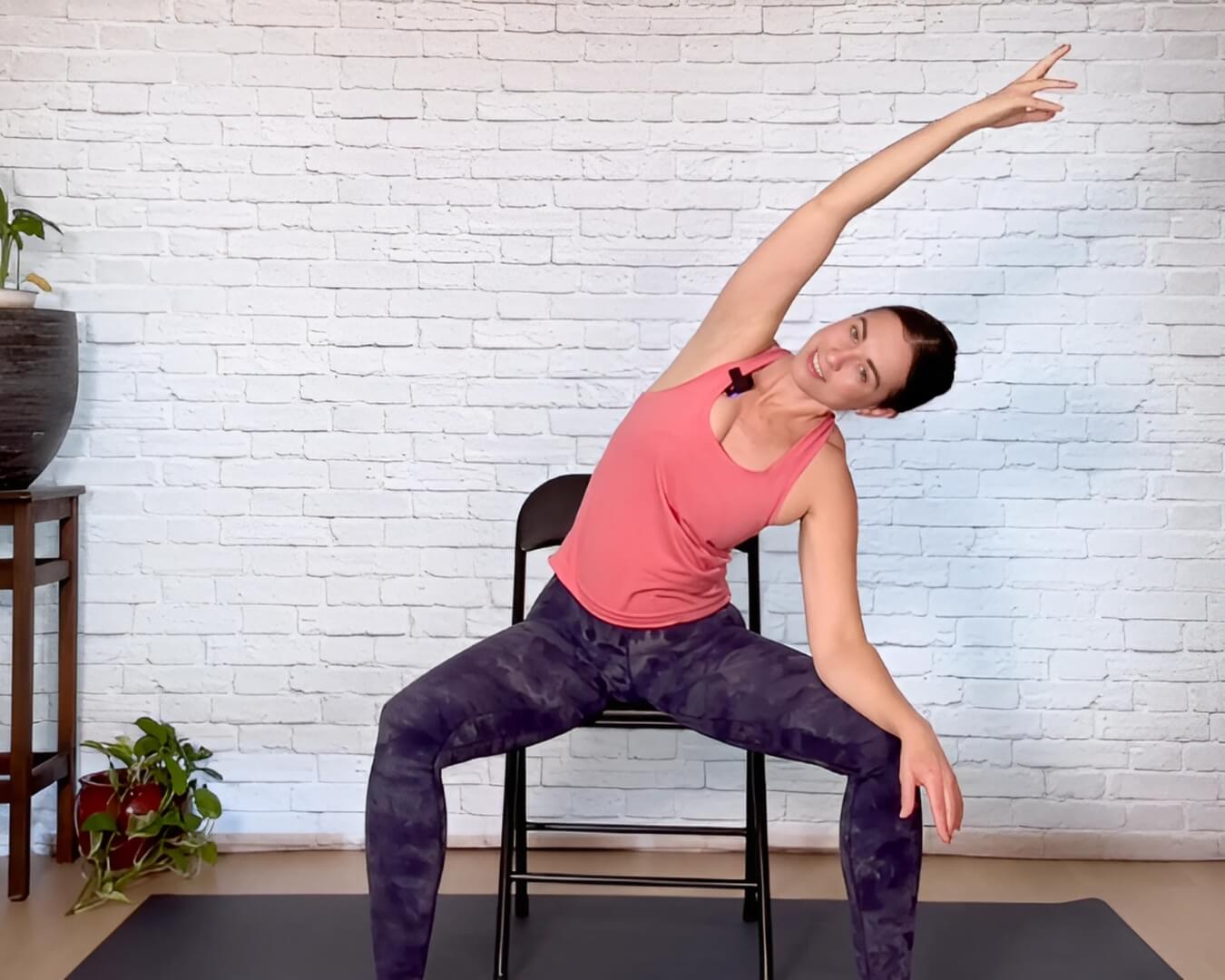
Source : asanaathome.com
The Silver Tsunami is Real, Folks
Seriously, look around. The population of older adults is exploding. And guess what? These folks aren’t just sitting around waiting for the end. They want to stay active, engaged, and independent for as long as possible. This growing demographic means an undeniable surge in demand for specialized fitness programs. It’s not a trend; it’s a demographic shift. And it’s creating massive opportunities for skilled instructors. You’re not just entering a niche; you’re stepping into a Key service area.
More Than Just Exercise: It’s About Quality of Life
Chair yoga and senior group exercise aren’t just about burning calories or touching your toes. For many seniors, it’s about maintaining the ability to play with grandkids, live independently, or simply feel connected to others. It’s about preserving dignity and enhancing well-being. When you teach a senior how to improve their balance or reduce joint pain, you’re giving them back a piece of their freedom. That’s the stuff that truly matters, right? It’s a profound impact you can make.
The Financial Upside of Specialization
Let’s not pretend money isn’t a factor. Becoming a certified specialist in senior fitness can open up doors to higher-paying positions and allow you to command better rates. Gyms, community centers, retirement homes – they all need qualified instructors. Plus, think about the potential for private training sessions or even starting your own specialized classes. Specialization equals increased earning potential. It’s simple economics when you offer a valuable, in-demand skill set. This is where your expertise really pays off.
Personal Fulfillment: Teaching What You Love
And then there’s the pure joy of it. If you have a passion for yoga or group fitness, and a heart for working with seniors, this is the perfect Meeting point. Imagine spending your days doing something you genuinely love, making a tangible positive impact on people’s lives. It’s not just a job; it’s a calling for many. The feedback you get, the progress you witness – it’s incredibly fulfilling. It beats staring at a spreadsheet any day of the week, guaranteed.
Understanding the Different Types of Certifications Available

Source : groupxtraining.com
Chair Yoga Specific Certifications
This is where we get targeted. You can find certifications that focus exclusively on chair yoga. These programs dive deep into the unique adaptations needed for seniors or individuals with mobility limitations. You’ll learn modifications for various conditions, safe sequencing, and how to create a supportive, accessible environment. These aren’t watered-down general yoga certs; they’re tailored for this specific population and practice. For instance, a good program will cover things like adapting poses for osteoporosis or arthritis, which general yoga training might barely touch upon.
General Senior Fitness Certifications
Then you have broader senior fitness certifications. These cover a wider range of exercise modalities suitable for older adults, potentially including things like strength training, balance exercises, flexibility work, and sometimes even basic aerobic conditioning. While valuable, they might not offer the in-depth chair yoga instruction you’re looking for. Think of it as a great overview, but perhaps not the specialized dive you need if chair yoga is your primary focus. It’s a good starting point if you’re exploring the whole field.
Group Exercise Certifications with Senior Specialization
Some major fitness organizations offer group exercise certifications that have an optional or required specialization track for older adults. These can be excellent if you want a well-rounded understanding of leading various types of group classes, with specific modules on senior considerations. You might learn about leading a low-impact cardio class or a gentle strength class, in addition to yoga. This provides versatility, allowing you to offer more than just one type of session.
Hybrid or Full Programs
The best options, in my opinion, are often the hybrid programs. These might combine a foundational yoga teacher training with a dedicated module or a separate certification specifically for seniors and chair yoga. Alternatively, some programs are designed from the ground up to cover both general group exercise principles and specialized senior adaptations, including chair yoga. This offers the most bang for your buck and ensures you have a Strong skill set. You’re building a more Full professional profile this way.
Key Components of a Reputable Chair Yoga Certification Program
Curriculum Depth and Breadth
What are they actually teaching you? A good program won’t just show you a few seated poses. It needs to cover anatomy and physiology relevant to aging bodies, common senior health conditions (like arthritis, osteoporosis, heart disease, diabetes), contraindications for certain movements, and extensive modification techniques. You should also expect modules on sequencing, class planning, and effective communication strategies for seniors. Look for programs that offer at least a 60-hour training, like the offerings from places like American Yoga Academy. They understand that mastery takes time and depth. Seriously, a quick weekend workshop isn’t going to cut it for proper certification.
Hands-On Practice and Teaching Experience
Theory is one thing, but practice is everything. Does the program include opportunities for supervised teaching practice? Can you practice on peers or, even better, observed sessions with actual seniors? This practical application is Key. You need to feel the flow, get feedback, and build confidence in your ability to cue and adapt in real-time. A certification without practical components is like learning to swim by reading a book – utterly useless when you hit the water. Real-world application is non-negotiable.
Qualified Instructors and Accreditation
Who is teaching the course? Are they experienced yoga therapists or certified senior fitness specialists with a proven track record? Research the lead instructors. Also, check if the program is accredited by a recognized yoga alliance or fitness organization. While not always mandatory, accreditation often signifies a certain level of quality and standardization. It adds a layer of credibility that’s hard to ignore when you’re trying to build your reputation. You want to learn from the best, not some random person who decided to put together a course last week.
Understanding Safety and Modifications
This is Top. Senior yoga requires an intense focus on safety. The program must thoroughly cover how to assess risk, recognize contraindications, and provide safe, effective modifications for a wide range of physical limitations and conditions. You need to know when not to do a pose, or how to change it entirely. This includes understanding proper use of props like chairs, blocks, and straps. A program that glosses over safety protocols is a massive red flag. Your clients’ well-being is your primary responsibility.
Post-Certification Support
What happens after you pass? Do you get access to a community forum, ongoing mentorship, or resources for finding teaching opportunities? Some reputable programs offer continued support, which is Crucial as you start your career. This could include business tips, marketing advice, or advanced training opportunities. It shows the provider is invested in your long-term success, not just in collecting tuition fees. It’s like having a support system in your corner.
Choosing the Right Certification Path: A Practical Breakdown
Option 1: Dedicated Chair Yoga Teacher Training
If your heart is set on chair yoga, a specialized program is the way to go. These often range from 20 to 60 hours. For example, look at the Full 60-hour chair yoga teacher training programs. They offer the deepest dive into the specifics you need. You’ll emerge with highly specialized knowledge, making you the go-to person for chair yoga instruction. This is great for niche studios, retirement communities, or even private clients needing this specific modality. You become a true expert in your field.
Option 2: Expanding a 200-Hour Yoga Teacher Training (YTT)
Already have a 200-hour YTT? Fantastic. Many training providers offer advanced modules or workshops specifically on adaptive yoga, senior yoga, or chair yoga. You can often find these as standalone courses or add-ons. This builds upon your existing foundation. It’s a cost-effective way to gain specialization if you already possess basic yoga teaching skills. However, Make sure the “senior” component is Strong and not just a footnote. You need dedicated senior content, not just a mention.

Source : sunnyhealthfitness.com
Option 3: Senior Fitness Specialist Certification
Consider a broader certification if you want to lead various senior group fitness classes. Organizations like ACE (American Council on Exercise) or AFAA (Athletics and Fitness Association of America) offer reputable senior fitness specialist certifications. These provide a Full understanding of exercise physiology for aging adults. They may include sections on chair-based exercises, but you might need to supplement this with specific chair yoga training if that’s your main focus. It’s a versatile option for a broader scope.
Option 4: Hybrid and Online vs. In-Person
The convenience of online learning is undeniable. Many excellent chair yoga and senior fitness programs are now offered online, allowing you to learn at your own pace. However, for hands-on skills like yoga, in-person training often provides Crucial direct feedback and practice. Some programs offer a hybrid model – online theory with required in-person practice sessions. Weigh the pros and cons: online offers flexibility and cost savings, while in-person offers immersive learning and direct mentorship. For chair yoga, seeing the nuances of movement and support is often best experienced live.
The Certification Process: What to Expect Step-by-Step
Research and Selection
First things first: dive into research. Look at different program curricula, instructor qualifications, costs, and schedules. Read reviews. Compare the content of various trainings – does it Match with your goals? Are they focused solely on chair yoga, or do they offer broader senior fitness training? Don’t just pick the cheapest or the closest. Choose the program that offers the most Full and relevant education for your intended teaching practice. This initial step is Key for setting yourself up for success.
Application and Enrollment
Once you’ve chosen your program, you’ll typically need to fill out an application. Some programs might have prerequisites, like a basic yoga certification or a certain number of years of fitness experience. Be prepared to pay the tuition fees. Understand the payment plans, refund policies, and any required materials (like textbooks or props). Make sure you have a clear understanding of all the terms and conditions before you commit. It’s a significant investment, so clarity is key.
Completing the Coursework
This is where the real work happens! You’ll engage with the course material, which might include lectures, reading assignments, video tutorials, and practical exercises. Some programs are intensive, requiring full-time commitment over a week or two, while others are spread out over several weeks or months. Participate actively, ask questions, and really absorb the information. This is your time to build your knowledge base and skill set. Don’t just passively consume; actively learn.
Practical Application and Assessment
Most reputable certifications will require some form of practical assessment. This could involve demonstrating your ability to teach a chair yoga sequence, leading a mock group exercise class for seniors, or submitting a detailed lesson plan. You might also need to pass a written exam covering anatomy, safety, and teaching principles. This is your chance to show what you’ve learned and prove your competency. It’s designed to Make sure you’re ready to teach safely and effectively.
Receiving Your Certification
Congratulations! Upon successful completion of all requirements, you’ll receive your official certification. This document is your credential. It signifies that you have met the standards set by the training provider. Keep it safe and be prepared to present it when applying for jobs or teaching positions. Now you can officially call yourself a certified instructor. It’s a proud moment and the culmination of your hard work.
Pricing and Investment: What to Budget For
The Range of Certification Costs
Prices can vary wildly. A basic 20-hour online chair yoga certificate might be a few hundred dollars. More Full 60-hour programs, especially those with in-person components or from well-established organizations, could range from $500 to $1500 or even more. Broader senior fitness specialist certifications often fall into a similar price bracket. It’s an investment in your career, so view it that way. Don’t just look at the sticker price; consider the value and depth of the training provided.
Factor in Additional Costs
Don’t forget about potential extras. You might need to purchase required textbooks, specialized props (like resistance bands or light weights if it’s a broader senior fitness course), or even travel and accommodation if you opt for an in-person training. Some certifications also require ongoing continuing education credits (CECs or CEUs) to maintain your status, which can involve additional costs down the line. Budgeting for these ancillary expenses will prevent surprises.
Return on Investment (ROI) Potential
How quickly you can recoup your investment. A specialized certification can make you highly marketable. If you secure a position at a senior living facility paying, say, $30-$50 per class, or gain a few private clients at $75-$100 per session, your ROI can be surprisingly fast. The demand is high, and qualified instructors are sought after. Calculate your potential earnings based on local rates and the number of classes or clients you aim to secure. A smart investment pays dividends.
Watch: Online Chair Yoga Teacher Training and Certification Program …
Is Cheaper Always Better? (Spoiler: No)
Resist the urge to go for the absolute cheapest option. Often, low-cost certifications lack depth, quality instruction, or adequate practical components. You might end up with a piece of paper that doesn’t truly prepare you for the realities of teaching seniors. A truly valuable certification should feel rigorous and Full. Investing a bit more in a well-respected program will pay off immensely in terms of your confidence, skills, and long-term career prospects. Quality matters most here.
Where to Find and Apply for Certifications
Online Yoga and Fitness Platforms
Websites dedicated to yoga and fitness education are goldmines. Platforms like Yoga International, GAIA, or specialized certification bodies often list dozens of courses. You can filter by specialization (chair yoga, senior fitness) and format (online, in-person, hybrid). Look for established names and read the course descriptions meticulously. Websites often have instructor bios and student reviews, which are incredibly helpful. This is your starting point for discovering diverse options.
Yoga Alliance Registered Schools
While Yoga Alliance primarily registers 200-hour and 300-hour foundational trainings, many Registered Yoga Schools (RYS) also offer specialized continuing education modules or workshops. Check the ‘Continuing Education’ or ‘Workshops’ sections of RYS websites. They often have experienced instructors who teach these specialized topics. You might find excellent chair yoga or adaptive yoga courses here that complement your existing training. It’s a good place to look for quality instruction.
Reputable Fitness Organizations
Organizations like ACE, NASM (National Academy of Sports Medicine), and AFAA are leaders in fitness education. They offer certifications and continuing education courses focused on various populations, including seniors. Their programs are typically science-based and well-respected in the industry. If you’re aiming for broader group exercise roles, their senior fitness certifications are a strong contender. They provide a solid, credible foundation.
Directly Through Training Providers
Sometimes, the best way is to go straight to the source. Many independent yoga studios, yoga therapists, or fitness professionals who specialize in senior fitness offer their own training programs. This might be smaller, more intimate, and offer highly personalized instruction. For example, you can find specific trainings like those offered by American Yoga Academy directly on their website. Doing your homework to find these specialized providers can lead you to hidden gems.
Crafting Your Resume and Marketing Your New Skills
Highlighting Your Specific Certification
On your resume, make your new certification front and center. Don’t just list it vaguely. Specify the name of the certification, the issuing organization, and the number of hours completed. For example: “Certified Chair Yoga Instructor (60-Hour Training), American Yoga Academy.” If you completed a senior fitness specialist certification, list that clearly too. Use strong action verbs to describe the skills you gained. This clearly signals your specialized expertise to potential employers.
Tailoring Your Experience Section
Even if your previous experience wasn’t directly in senior fitness, find ways to highlight transferable skills. Did you work with diverse populations? Do you have experience in group facilitation or customer service? Emphasize your ability to adapt, communicate effectively, and create a welcoming environment. If you completed any practical training hours or volunteer work as part of your certification, list that experience prominently. It shows initiative and practical application.
Creating a Professional Bio or
In addition to your resume, craft a compelling professional bio or for online profiles (like LinkedIn) or potential job applications. This is where you can inject more personality and passion. Talk about why you’re drawn to teaching seniors and the benefits you aim to bring through chair yoga and group exercise. Mention your specific certifications and your commitment to providing safe, effective, and enjoyable classes. Let your enthusiasm shine through.
Leveraging Social Media and Networking
Once certified, use social media to promote your skills and classes. Share tips relevant to senior fitness, post short videos of accessible exercises (with appropriate disclaimers), and announce your availability. Network with professionals in the senior care industry – doctors, physical therapists, community center managers. Attend local health fairs or senior events. Building connections is key to finding teaching opportunities and clients. Your network is your net worth.
The Long Game: Continuing Education and Professional Growth
Stay Current with Best Practices
The field of senior fitness and adaptive yoga is always evolving. New research emerges, and best practices change. Committing to ongoing learning is Needed. This means attending workshops, taking advanced training modules, and staying informed about new adaptations or modifications for specific conditions. Never stop being a student. Your commitment to continuous learning directly benefits your clients and elevates your professional standing.
Source : theyogipreneur.com
Expand Your Skillset
Consider adding complementary certifications over time. Perhaps you want to get trained in gentle yoga, therapeutic yoga, or even specific areas like fall prevention or mindfulness for seniors. The more tools you have in your toolbox, the more versatile and valuable you become. This can open up even more diverse teaching settings, from hospitals to wellness centers. Think about acquiring additional credentials that Match with your evolving interests.
Seek Mentorship and Community
Connect with other senior fitness instructors or experienced yoga therapists. Find mentors who can offer guidance and support. Join professional organizations or online forums where you can share experiences, ask questions, and learn from peers. A strong professional community can provide Crucial insights, encouragement, and even job leads. Don’t underestimate the power of shared knowledge and support. It’s a Key part of long-term career satisfaction.
Gather Feedback and Adapt
Regularly solicit feedback from your participants. What do they enjoy? What could be improved? Are there specific needs or requests you can address? Use this feedback to refine your teaching style, adapt your class content, and Make sure you’re meeting the needs of your specific student population. Being responsive and willing to adapt is a hallmark of a truly excellent instructor. Your clients will appreciate your attentiveness.
A Comparison of Top Certification Providers
Choosing the right provider is critical. Not all certifications are created equal. Here’s a look at some factors to consider when comparing programs. Remember, the “best” is subjective and depends on your specific goals, but objective criteria help.
| Provider | Typical Focus | Format Options | Estimated Cost Range | Key Strengths | Potential Considerations |
|---|---|---|---|---|---|
| American Yoga Academy | Specialized Chair Yoga (e.g., 60-hour) | Online & Hybrid | $$$ (approx. $700-$1200) | Deep dive into chair yoga specifics, Full curriculum, reputable provider. | May require existing yoga foundation for some advanced offerings. |
| ACE (American Council on Exercise) | Senior Fitness Specialist | Primarily Online | $$ (approx. $400-$700) | Science-based, widely recognized, covers broad senior fitness aspects. | Less focused specifically on yoga; may need supplemental chair yoga training. |
| Yoga Alliance Registered Schools (Various) | Continuing Education Modules (Adaptive, Senior Yoga) | In-person, Online, Hybrid | $-$$$ (Varies greatly by program length/provider) | Builds on existing YTT, diverse instructors, flexible options. | Quality and depth can vary significantly; Make sure the focus is truly on seniors. |
| Independent Professionals/Studios | Specialized Chair Yoga, Senior Flow | Often In-person or small Online groups | $$ (Varies, often $500+) | Potentially intimate learning, specialized expertise, community focus. | May lack formal accreditation; requires thorough vetting of instructor credentials. |
This table gives you a snapshot, but remember to always dig deeper into the specific curriculum and instructor qualifications for any program you’re considering. The best certification aligns with your specific career aspirations and learning style.
Final Thoughts: Your Journey Starts Now
Look, getting certified in chair yoga and senior group exercise isn’t just about adding another line to your resume. It’s about equipping yourself to serve a population that genuinely needs your skills and compassion. It’s about becoming a confident, competent, and effective instructor who can truly improve lives. The demand is there, the need is great, and the personal rewards are immense. Don’t let the process seem daunting. Break it down, do your research, choose a quality program, and commit to the journey. Your future students are waiting. Go make a difference!
Frequently Asked Questions
How long does it take to become a chair yoga instructor?
Honestly, it varies. Some programs are super intensive and can be done in a weekend, like a quick chair yoga certification. Others are more Full, maybe involving online modules and in-person practice, which could take a few weeks or even a couple of months. Depends on how deep you waa go and the group exercise certification you’re aiming for.
What is the average pay for a yoga teacher?
Man, this is all over the place! If you’re just starting out or teaching at a community center, you might be looking at maybe $20-$40 an hour. But if you’re teaching at a high-end studio, private sessions, or specializing in something like yoga for seniors, you could easily pull in $50-$100+ per hour. Experience and your niche really matter for that senior fitness instructor pay.
What are the benefits of getting certified in chair yoga and group exercise for seniors?
Big time! Getting certified not only makes you super credible but also gives you the skills to safely and effectively lead classes for older adults. You learn modifications, how to handle common health issues, and build confidence. Plus, it opens up more job opportunities in gyms, senior living facilities, and community centers looking for qualified senior exercise professionals. It’s a win-win for you and the seniors you’ll help get moving!
Are there specific requirements to get certified?
Usually, yeah. Most reputable programs will want you to have a basic understanding of anatomy and fitness principles. Some might require a current CPR/AED certification before you can even start the program. And obviously, you’ll need to be passionate about working with older adults and have a genuine interest in their well-being. Think of it as building a solid foundation for your senior wellness career.
Where can I find reputable chair yoga and group exercise certification programs for seniors?
Good question! Look for organizations that specialize in fitness for older adults or have specific modules for senior programming. Online platforms like ACE Fitness, NASM, or even specialized yoga organizations often have these courses. Reviews and testimonials from past participants are golden. Don’t be afraid to reach out to the program providers and ask tons of questions about their curriculum and instructor qualifications to Make sure it’s a legit group fitness certification for seniors.
