How To Start A Cpr Certification Business From Home
Look, you’re tired of the nine-to-five grind. The cubicle walls are closing in, and you’re dreaming of something more – something with purpose, something you can run from your own damn house. What if I told you that starting a CPR certification business from home could be that golden ticket?
It’s not just a pipe dream. People need these skills. Urgently. And guess what? They’re willing to pay for reliable, accessible training. Forget the complicated corporate ladder. This is about building something real, on your terms.
Why Now is the Time to Launch Your CPR Business

Source : amazon.com
The Ever-Growing Demand for CPR Skills
Seriously, think about it. How many people do you know who are actually certified in CPR? Not enough. Yet, schools, businesses, childcare facilities, even gyms, are legally or ethically required to have certified personnel on staff. This creates a massive, consistent need for qualified instructors.
Every day, lives are on the line. Having people trained to respond in emergencies isn’t a luxury; it’s a fundamental necessity. This demand isn’t going anywhere. In fact, it’s only growing as awareness increases.
The “Work From Home” Revolution
We’ve all seen it. The pandemic kicked the legs out from under traditional offices. Now, people are embracing the flexibility of remote work and entrepreneurship. Starting a CPR business from home perfectly aligns with this seismic shift.
You get to ditch the commute, set your own hours, and be there for your family. It’s about reclaiming your time and your life, not just earning a paycheck. This flexibility is a huge draw for potential students too.
Low Startup Costs, High Potential Profit
Compared to many other businesses, launching a CPR certification service from your home base is incredibly cost-effective. You don’t need a sprawling retail space or a huge inventory. Your primary investment is in your training, certifications, and some Needed equipment.
Source : redcross.org
It: once you’re certified and have your gear, your overhead is minimal. Marketing, scheduling, and teaching – it can all be managed from your computer. The profit margins can be quite healthy, especially as you build your reputation.
Getting Your Ducks in a Row: The Prerequisites
Becoming a Certified CPR Instructor
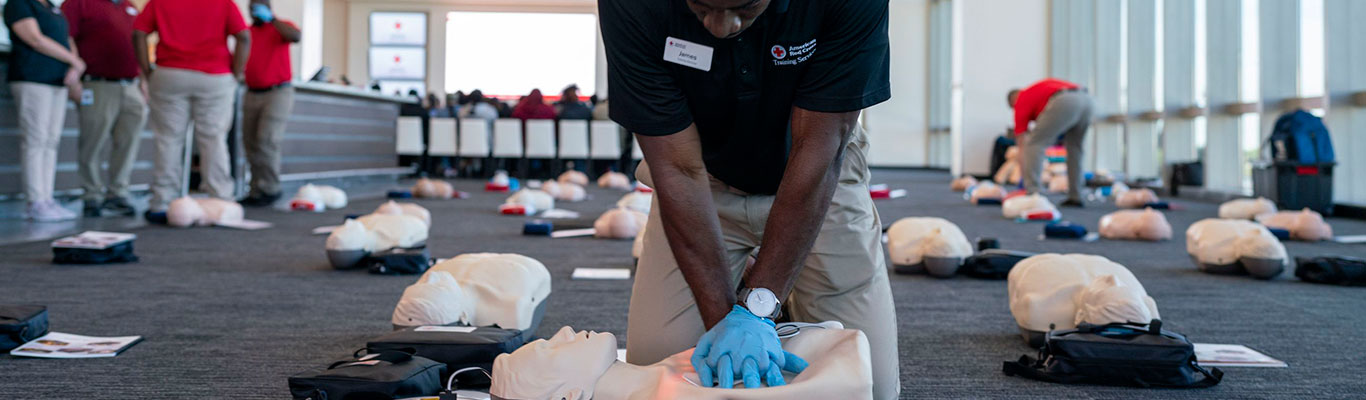
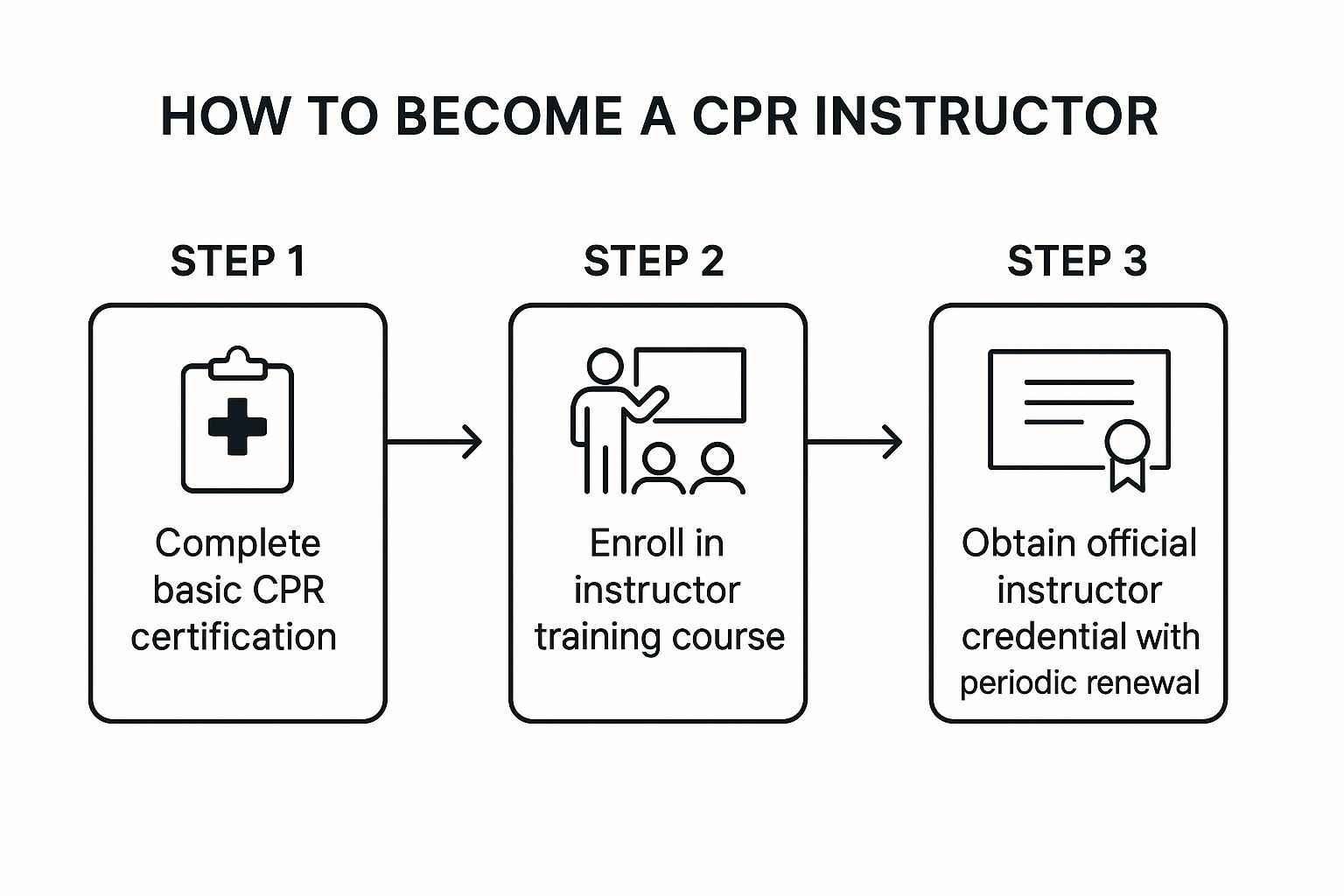
This is non-negotiable. You can’t teach CPR without being a certified instructor yourself. Most major organizations, like the American Heart Association (AHA) or the American Red Cross, offer instructor courses.
These courses are rigorous. They Make sure you not only know the material inside and out but can also effectively teach it to others. You’ll need to maintain your own certifications and stay updated on the latest guidelines. It’s a serious commitment, but Key for credibility. Researching pathways like those offered by the American Red Cross is a smart first step.
Choosing Your Training Organization
Which certification body will you Match with? AHA and Red Cross are the big players, but others exist. Consider which one has the best reputation in your local area and offers the best support for instructors.
Each organization has its own curriculum, materials, and instructor requirements. Think about which one resonates most with your teaching style and target audience. This decision impacts your course content and the validity of your certifications.
Needed Equipment and Supplies
You’ll need more than just a manikin (though that’s Key!). Think about CPR manikins (adult, child, infant sizes are ideal), AED training devices, pocket masks, and sanitation supplies. You’ll also need presentation materials if you plan on doing classroom-style training.
Don’t skimp here. Quality equipment makes for a better learning experience and reflects positively on your professionalism. Investing in good training kits is key for any home-based CPR business.
Setting Up Your Home-Based Operations
Designating Your Training Space
Does your home have a dedicated space suitable for teaching? It doesn’t need to be huge, but it should be clean, quiet, and well-lit. Think about a spare bedroom, a finished basement area, or even a large living room space that can be temporarily cleared.
Make sure you have enough room for participants to practice skills safely and comfortably. Accessibility is also a factor; consider if students with mobility issues can access your training area. A professional setup is key for building trust in your business.
Leveraging Technology for a Home Business
Your home office is your command center. You’ll need a reliable computer, internet access, and a printer. Scheduling software can be a lifesaver, helping you manage bookings, send reminders, and track certifications. Tools like Bookeo can streamline this process significantly.
Online payment gateways make it easy for clients to pay upfront, securing their spot and simplifying your finances. Think about video conferencing tools too, for potential hybrid training models or administrative meetings.
Source : readyresponsepa.com
Insurance and Legalities: Don’t Skip This!
This is where many aspiring entrepreneurs stumble. You absolutely need liability insurance. Accidents can happen, even with the best training. Protecting yourself and your business is Top. Consult with an insurance agent who understands small businesses, especially those operating from home.
You’ll also need to consider business licenses and permits. Requirements vary wildly by city, county, and state. Check with your local government offices to Make sure you’re operating legally. This is Key for establishing a legitimate CPR certification business.
Crafting Your Business Plan and Strategy
Identifying Your Target Market
Who are you trying to reach? New parents? Daycare providers? Construction workers? Corporate employees? Fitness enthusiasts? Pinpointing your ideal student helps you tailor your marketing and course offerings.
Consider offering specialized courses. Maybe a “Pediatric CPR for Parents” class or a “Workplace Safety CPR” session for local businesses. Understanding your audience is the bedrock of effective business planning.
Pricing Your Courses Profitably
Research what other instructors in your area are charging. Factor in your costs: instructor fees, materials, insurance, marketing, and your time. Don’t undervalue yourself, but be competitive.
Consider tiered pricing. Offer basic CPR, or add First Aid and AED certifications for a slightly higher fee. Package deals for businesses needing multiple certifications can also be lucrative. Smart pricing is Needed for a successful CPR business.
Developing Your Curriculum and Delivery
While you’ll follow the guidelines of your chosen training organization, you can still add your own flair. Incorporate real-life scenarios, local emergency examples, and engaging teaching methods. Make it memorable, not just rote memorization.
Different delivery formats. Will you offer only in-person classes? Blended learning (online theory followed by in-person skills practice)? Mobile training where you go to businesses? Offering flexibility can attract more clients. This is a key part of differentiating your CPR training service.
Marketing Your Home-Based CPR Business Effectively
Building an Online Presence
A simple, professional website is a must. It should clearly outline your services, course schedules, pricing, and contact information. Include testimonials from satisfied students as you get them.
Use social media platforms like Facebook and Instagram. Post engaging content about the importance of CPR, share success stories (with permission, of course!), and announce upcoming class dates. Local community groups online are a goldmine. Getting your name out there is key for marketing your business.

Source : youtube.com
Local Outreach and Partnerships
Connect with local businesses, community centers, schools, and doctor’s offices. Offer to host introductory “CPR awareness” sessions. Partner with them to offer exclusive discounts to their employees or members.
Consider reaching out to real estate agents – new homeowners often appreciate knowing basic safety skills. Even local gyms and yoga studios are great places to connect with people who might be interested in first aid certification.
Leveraging Word-of-Mouth Referrals
Happy students are your best advertisement. Encourage them to leave reviews online and tell their friends and family about their positive experience. Consider a referral program – offer a small discount to both the referrer and the new student.
Great customer service goes a long way. Being friendly, professional, and making the learning experience enjoyable will naturally lead to people talking about your business. This organic growth is Crucial for any startup CPR business.
Handling the Operational Day-to-Day
Managing Your Schedule and Bookings
Consistency is Key. Stick to your published schedule as much as possible. Use your scheduling software to its full potential to avoid double-bookings or missed appointments. Clear communication about start times and locations is Needed.
Have a clear cancellation and rescheduling policy. This manages expectations and protects your income. Being organized from day one prevents headaches later. Effective scheduling is critical.
Delivering High-Quality Training Sessions
Be punctual, prepared, and enthusiastic. Make the learning environment welcoming and engaging. Encourage questions and participation. Remember, you’re teaching life-saving skills, so professionalism matters.
Provide clear, concise instructions. Use your manikins and equipment effectively. Most importantly, Make sure every student leaves feeling confident in their ability to act in an emergency. Your goal is to create confident responders, not just certify people. This commitment is what makes a CPR business thrive.
Handling Certification and Record-Keeping
Make sure you issue official certification cards promptly after a student successfully completes the course. Maintain Careful records of who you’ve trained, when they were certified, and when their recertification is due.
This organized record-keeping is not only good practice but often a requirement of the certifying bodies. It also allows you to proactively reach out for recertification courses, generating repeat business. Proper record-keeping pays off.
Scaling and Growing Your CPR Business
Expanding Your Service Offerings
Once you’ve established a solid base, consider adding related services. First Aid, Bloodborne Pathogens, Babysitting Certification, even basic wilderness first aid are potential additions. Think about what your community needs.
Watch: How To Start a CPR Training Company
You could also offer corporate training packages, customized to a company’s specific risks or needs. This opens up a whole new revenue stream and diversifies your client base. Expanding your CPR business services is a natural progression.
Training Additional Instructors
If demand truly explodes, you might consider training and certifying other instructors under your umbrella. This allows you to scale your reach significantly without being the sole bottleneck. You’d need to Make sure they meet the high standards you’ve set.
This is a big step, requiring more administrative oversight and adherence to specific training organization rules. But it’s a powerful way to grow your impact and revenue. It’s how you build a larger CPR training enterprise.
Exploring Mobile Training Options
Getting out of the house can be a great growth strategy. Invest in a van or larger vehicle equipped with all your training gear. This allows you to bring the training directly to businesses, schools, or community groups at their locations.
Mobile training offers Best convenience for clients and can command higher fees. It positions you as a go-to resource for on-site certification needs. Many successful businesses, like those discussed in guides on starting your CPR side hustle, Use this approach.
Key Success Factors for Your Home Business
Starting a CPR certification business from home isn’t just about knowing CPR; it’s about running a business. It requires dedication, organization, and a genuine desire to teach. It’s demanding, sure, but the rewards – both financial and personal – can be immense.
Focus on quality instruction, excellent customer service, and smart marketing. Treat it like a real business from day one, and you’ll be well on your way to building a successful and fulfilling venture right from your own living room. Building a successful CPR business takes work, but it’s absolutely achievable.
Table: Comparing CPR Certification Organizations
| Organization | Typical Course Offerings | Instructor Requirements | Pros | Cons |
|---|---|---|---|---|
| American Heart Association (AHA) | BLS, ACLS, PALS, Heartsaver CPR/AED/First Aid | Rigorous instructor course, ongoing monitoring | Widely recognized, strong online presence, extensive materials | Can be perceived as more complex, higher instructor costs sometimes |
| American Red Cross | CPR/AED/First Aid, Basic Life Support, Aquatic/Camp | Instructor course, specific prerequisites | Strong brand recognition, good for community outreach, varied training options | May have slightly different recognition in certain medical settings compared to AHA |
| National Safety Council (NSC) | CPR/AED, First Aid, Opioid Overdose Reversal | Instructor certification process | Growing recognition, focus on workplace safety | Less ubiquitous than AHA or Red Cross in some regions |
| Emergency Care & Safety Institute (ECSI) | CPR, First Aid, Wilderness First Aid | Instructor training and certification | Often integrated with educational institutions, good for specific niches | May require affiliation with a licensed training center |
Frequently Asked Questions
How much does a CPR instructor make per class?
It reallyvaries, but you could make anywhere from $50 to $200 per class, sometimes even more depending on how many students you have and what organization you’re affiliated with. It’s not a bad side hustle, honestly.
Is there a demand for CPR instructors?
Oh,absolutely. Think about it – healthcare professionals, daycare workers, teachers, even just regular folks wanting to be prepared. There’s always a need forCPR certification.
What equipment do I need to start a CPR business from home?
You’ll need manikins (adult, child, and infant are good to have), barrier devices like pocket masks, maybe amanikin cleaning kit, and of course, your instructor manuals andcertification cards.
Do I need to be certified to teach CPR?
Yes,you definitely need to be certified as a CPR instructor through a recognized organization like the American Heart Association or the American Red Cross. They have specificinstructor courses you have to take and pass.
How can I market my home-based CPR business?
Start local!Online ads, social media groups (especially parent groups), local community centers, andnetworking with businesses that might need CPR training are great places to start. Word-of-mouth is powerful too.
