How Much Does It Cost To Become Certified To Teach CPR?
So, you’re thinking about becoming a CPR instructor? That’s awesome. Seriously, the world needs more people who can step up and teach life-saving skills. But let’s cut to the chase: what’s this whole thing going to set you back financially? It’s not just about the initial course fee, oh no. There are layers to this, like an onion, but hopefully less tear-inducing.
Forget those cookie-cutter answers you might find elsewhere. Becoming a certified CPR instructor is more than just a checkbox; it’s an investment. And like any smart investment, you gotta know the numbers. We’re talking about the real cost to become a CPR teacher, not just some fuzzy estimate.
Let’s break down what really goes into the price tag, from the training itself to the ongoing stuff you’ll need to keep your certification humming along. It’s a journey, for sure, and understanding the financial map is your first Key step.
The Big Picture: What Influences CPR Instructor Costs?
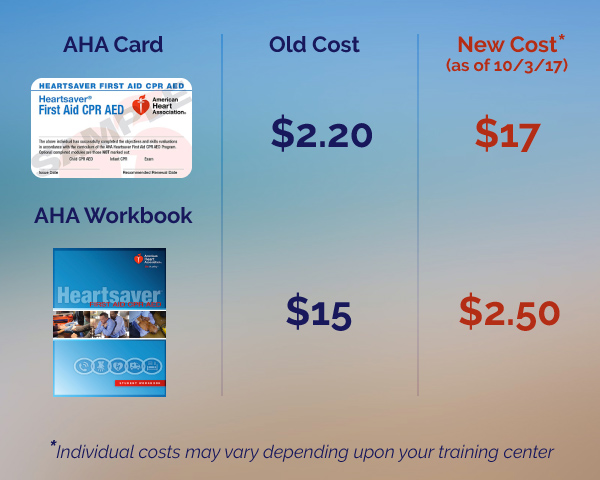
Source : cprcertified.com
Okay, first off, understand that there isn’t a single, flat fee for everyone. Think of it like buying a car – you’ve got different makes, models, and features, right? Same deal here. Several factors are going to tweak the final number you see on that invoice.
Choosing Your Certifying Organization
This is probably the biggest one. Major players like the American Heart Association (AHA) and the American Red Cross have different training programs and associated costs. They’re not exactly competing on price, more on their established methods and reach. You’ll find that some organizations are known for being a bit pricier but might offer more Full materials.
Then you have smaller, perhaps regional training centers or organizations. Their instructor certification costs might be lower, but you’ll want to check their reputation and the recognition of their certifications. A certification that’s widely accepted is usually worth the slightly higher initial outlay.
Type of CPR Certification You Want to Teach
Are you just looking to teach basic adult CPR, or do you want to cover everything from infant CPR to advanced cardiac life support (ACLS) and pediatric advanced life support (PALS)? The more advanced the certification you aim for, the more specialized (and often more expensive) the instructor training will be. Teaching basic first aid and CPR is one thing; teaching advanced life support for healthcare professionals is quite another beast entirely.
Target audience. Are you aiming for parents at home, corporate employees, or healthcare providers? Your choice here directly impacts the price of CPR instructor training. More specialized courses often require a deeper dive during the instructor training, hence the higher cost.
Location and Training Format
Where you take your training matters. Prices can vary significantly based on the cost of living in a particular area and the overhead of the training center. A class held in a major city might cost more than one in a smaller town. Also, consider the format: online, in-person, or a blended approach. Fully in-person courses might sometimes come with a higher price tag due to facility costs, but they offer direct, hands-on interaction.
Online components can sometimes reduce the overall cost, but you might miss out on some of the in-person practice. Conversely, an all-online course might seem cheaper upfront, but is it truly as effective? It’s a trade-off. You’re paying for convenience versus intensive, direct instruction. Remember, in-person CPR instructor training often commands a premium.
Breaking Down the Costs: What You’ll Actually Pay For

Source : cprpittsburgh.org
Let’s get granular. When you sign up for an instructor course, it’s not just a single payment. There are several components that make up the total financial picture. You’re paying for knowledge, materials, and the right to teach.
Course Fees: The Obvious One
This is the sticker price, plain and simple. The fee covers the instructor’s time, the curriculum materials provided by the certifying body, and the administrative costs of running the course. For a basic CPR/AED/First Aid instructor course, you might expect to see fees ranging anywhere from $150 to $500, sometimes more.
For more advanced certifications like ACLS or PALS instructor courses, the price can jump significantly, often into the $500-$1000+ range. This isn’t pocket change, but remember you’re aiming to become a professional educator.
Required Training Materials and Books
Almost every certifying organization will require you to purchase specific instructor manuals, student materials, and sometimes even access to online resources. These aren’t cheap, and they are Needed for you to teach the course correctly and for your students to learn effectively. You absolutely cannot skimp on these. Think of them as your teaching toolkit.
For example, the AHA requires specific instructor binders and materials. These can add another $50 to $150 (or more) on top of the course fee. Some organizations offer digital versions, which might save a bit, but many instructors prefer the tangible copies. Having the latest CPR instructor manual is non-negotiable.
Application and Administration Fees
After you complete your instructor training, there’s often a separate fee to officially become affiliated with the certifying organization (like becoming an authorized AHA Training Center Instructor). This fee covers the background checks, administrative processing, and the issuance of your official instructor card or ID. It’s a one-time fee, usually, but it’s part of the overall startup cost.
This administrative fee can range from $20 to $100, depending on the organization. It’s small in the grand scheme, but it’s another line item to add to your budget. You’re essentially paying for the credibility and network that comes with being part of a major training program. Don’t overlook these instructor affiliation fees.
Hidden Costs and Ongoing Expenses
Think the initial course fee is the end of the story? Not quite. To be a fully functional and respected CPR instructor, there are other costs that creep in. Some are one-time purchases, while others are recurring.
Equipment for Teaching
You can’t teach CPR effectively without the right equipment. This includes manikins (adult, child, and infant), AED training devices, barrier devices (like pocket masks or face shields), and potentially even training kits for bandages and splints if you’re teaching first aid too. This is where the cost can really add up.
A decent set of adult and child manikins alone can cost several hundred dollars. Add in an AED trainer, and you’re easily looking at $500 to $1,500 just for the basics. If you plan on teaching larger classes, you might need multiple sets. Owning your CPR training equipment is a significant investment.
Recertification Requirements
Your instructor certification won’t last forever. Most organizations require you to recertify every two years. This typically involves taking a shorter update course, paying recertification fees, and sometimes demonstrating ongoing teaching activity (e.g., teaching a minimum number of student courses per year). This ensures you stay current with the latest guidelines and techniques.
The cost for recertification can vary but expect to pay somewhere in the $100-$300 range every couple of years, plus the cost of any updated materials. So, factor in these ongoing instructor costs. It’s the price of staying relevant and qualified.
Insurance and Business Costs
If you plan on running your own CPR training business (and many instructors do), you’ll need to consider liability insurance. This protects you in case of accidents or issues during your classes. Depending on your coverage, this can be a few hundred dollars a year. You might also have costs associated with marketing, website hosting, and administrative supplies.
Don’t forget about potential background check fees if you plan to teach for specific organizations or in certain regulated environments. These business-related expenses are Key for protecting yourself and your venture. Running a CPR teaching business involves more than just teaching.
Example Cost Breakdown: A Typical Scenario
Let’s put some numbers to it. Imagine you want to become an American Heart Association Basic Life Support (BLS) Instructor. This is a super common certification for healthcare providers and others.
- AHA BLS Instructor Course Fee: Anywhere from $250 – $500 (This varies by Training Center)
- Required AHA BLS Instructor Manual & Materials: Approximately $75 – $150 (for the physical book and student materials)
- Potential Training Center Administrative/Affiliation Fee: $50 – $100
- Initial Equipment Purchase (if starting from scratch): $700 – $1,500 (for 1-2 manikins, an AED trainer, pocket masks)
- First Two Years’ Recertification Fund: Set aside ~$200
So, for that first couple of years, if you’re buying your own equipment, you’re looking at a total initial investment of roughly $1,275 to $2,450. Ouch. But remember, that equipment is a long-term asset!
If you were just getting certified and planned to use equipment owned by an existing training center, your upfront cost could be much lower, perhaps just $375 – $750 for the course, materials, and affiliation. It really depends on your chosen path and business model.
Online vs. In-Person: Does It Affect the Price?
The digital age has certainly impacted how CPR instructor training is delivered. You often have choices, and these choices can influence the cost, as well as the learning experience.
Source : firstresponse-ed.com
Fully Online Instructor Courses
Some organizations offer fully online instructor courses. These are often cheaper because they eliminate the overhead of physical classroom space and instructor time for in-person sessions. You might complete modules, watch videos, and take tests online. The American Red Cross offers various instructor training formats, including online components, which can sometimes be more budget-friendly. You can find out more about their instructor training options here: Red Cross instructor training.
However, a fully online format might not be ideal for everyone. Practical skills like chest compressions and ventilation technique are best learned and perfected with hands-on feedback from a live instructor. The cost of online CPR instructor training is often lower, but evaluate if it meets your learning style.
Blended Learning Approaches
Many popular programs, like those from the American Heart Association, Use a blended learning approach. This typically involves an online didactic portion where you learn the theory and protocols, followed by an in-person skills session and instructor validation. This can be a good balance of cost-effectiveness and practical, hands-on training.
The cost for blended learning can be comparable to traditional in-person courses, or sometimes slightly less, depending on how the training center structures their fees. It offers flexibility while still ensuring critical skills are properly taught. This is a very common model for courses like the AHA BLS instructor class.
Traditional In-Person Courses
These are the classic classroom-style courses. You’ll spend a full day or two with a master instructor, learning the curriculum, practicing teaching techniques, and undergoing evaluation. They often provide the most immersive learning experience, with direct feedback and group interaction.
These can sometimes be the most expensive option due to the resources required. However, for many, the intensive, hands-on nature of in-person instructor certification is Crucial for building confidence and competence.
Saving Money: Smart Strategies for Aspiring Instructors
Okay, the costs are real, but don’t let them scare you off if you’re passionate about teaching CPR. There are definitely ways to be smart about your spending.
Shop Around and Compare Prices
Don’t just sign up for the first course you find. Different training centers, even those offering certifications from the same organization (like AHA), can set their own prices. Call around, check websites, and compare the total package: course fee, materials, and any hidden charges. A little research can save you a noticeable chunk of change.
Look for deals or promotions, especially if you’re flexible on dates or locations. Sometimes, smaller, independent training centers might offer more competitive pricing than larger, well-established ones. It’s worth the effort to compare CPR instructor course costs.
Consider Bridging or Crossover Courses
Are you already a certified instructor for another organization (e.g., Red Cross First Aid instructor)? Many organizations offer “bridging” or “crossover” courses that allow you to become certified to teach their specific programs more quickly and often at a reduced cost. For example, the American Red Cross has easy bridging options for instructors.
These courses focus on the differences in curriculum, policies, and procedures between organizations. They’re designed to Use your existing teaching skills. This is a fantastic way to expand your teaching capabilities without starting completely from scratch. Many instructors find these crossover instructor programs highly cost-effective.
Buy Used Equipment or Share Costs
If you need to buy your own training equipment, consider purchasing used manikins or AED trainers from reputable sources. You can often find good quality equipment at a fraction of the new price. Alternatively, team up with other aspiring instructors in your area and share the cost of purchasing equipment.
Pooling resources means you can afford higher-quality equipment than if you bought it all yourself. You can then arrange a schedule for who uses the equipment when. This is a smart strategy for managing the cost of CPR training equipment.
A Look at Specific Organizations and Their Pricing Structures
Let’s get a bit more specific about the major players and how they structure their instructor training costs. While exact prices fluctuate and vary by local provider, understanding their models is key.
American Heart Association (AHA)
The AHA is a dominant force, especially in healthcare settings. Their instructor courses, like the BLS, ACLS, and PALS instructor certifications, are typically rigorous. They usually involve a prerequisite online component (e-learning) followed by an in-person skills check and instructor course.
The cost is often bundled by the AHA-affiliated Training Centers (TCs). You’ll pay a fee for the BLS Provider course (if needed as a prerequisite), the online BLS Instructor Essentials course, and then the in-person BLS Instructor Course. Add in the cost of the official AHA Instructor Manual. Expect the total to be in the mid-hundreds ($300-$600+) for BLS, and significantly more for ACLS/PALS. You can find specific course details on sites offering AHA BLS instructor training.
American Red Cross
The Red Cross offers a variety of instructor pathways. They also use a blended learning approach for many of their courses. Their instructor courses might cover First Aid, CPR, and AED. They emphasize flexibility, offering in-person, online, and blended formats. You can explore their offerings here: American Red Cross instructor training.
Pricing for Red Cross instructor courses can be competitive. You might find instructor courses ranging from $150-$400, depending on the specific certification and the training provider. They also have “bridging” courses for instructors certified by other organizations, which can be more affordable.
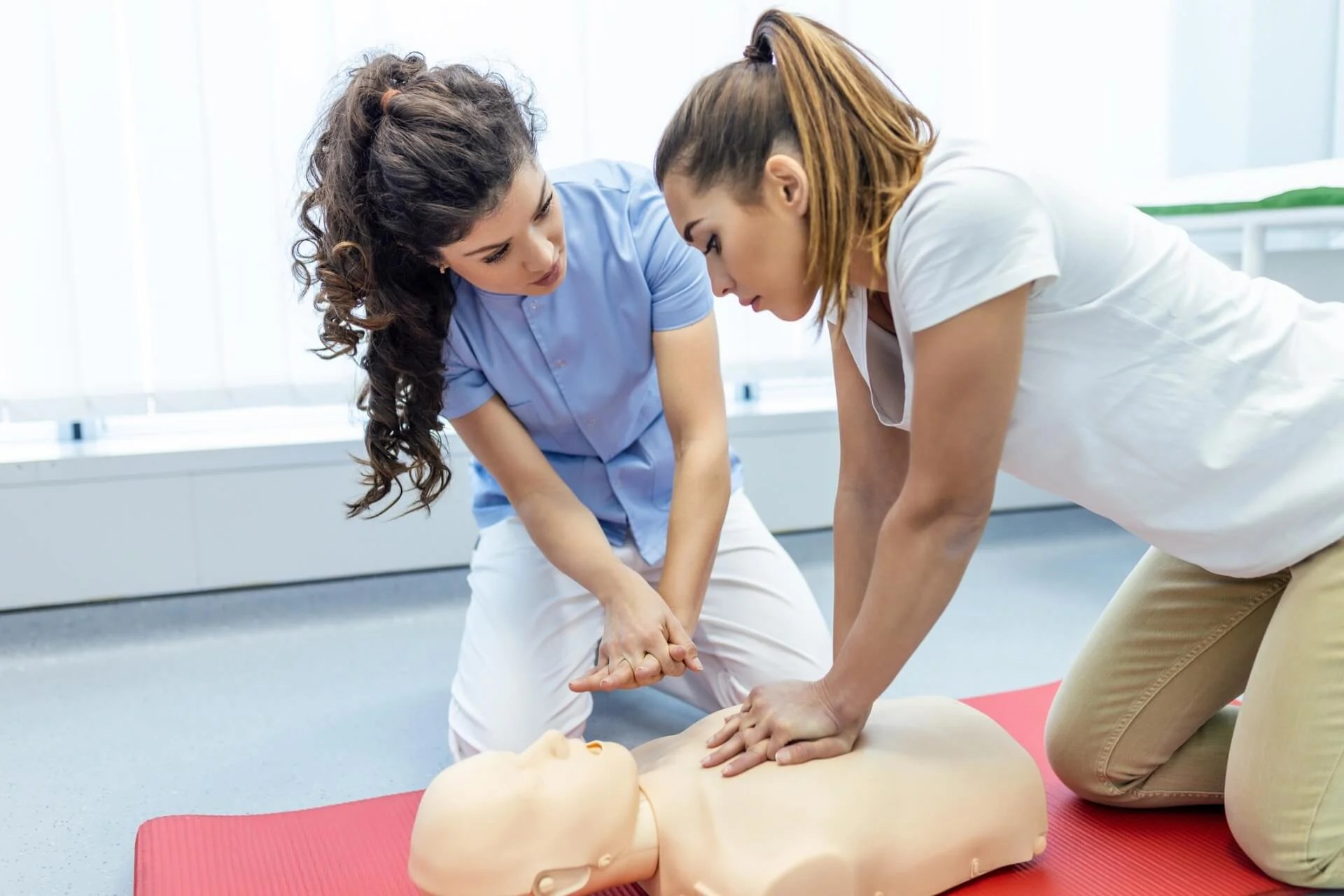
Source : cpr1.com
Other Organizations (e.g., ECSI, Medic First Aid)
Beyond the two giants, other reputable organizations offer CPR instructor certifications. Emergency Care & Safety Institute (ECSI) and Medic First Aid are examples. These organizations often provide Strong training programs, sometimes with a slightly different focus or price point.
Their instructor course fees might fall within a similar range, perhaps $200-$500. It’s always a good idea to research the reputation and recognition of any organization before committing. Understanding the cost of ECSI instructor certification, for instance, is important if that’s your preferred route.
Making the Financial Decision: Is It Worth It?
Let’s be real. Becoming a CPR instructor isn’t the cheapest weekend workshop you’ll ever attend. The initial investment, especially if you need to buy equipment, can seem daunting. But you have to look at the bigger picture.
The Value Proposition: More Than Just Money
What are you really paying for? You’re investing in the ability to save lives. You’re gaining a valuable skill set that’s in high demand. And you’re opening doors to potential income, whether it’s a side hustle or a full-time business. The “cost” is an investment in your own capacity to make a tangible difference.
Impact you can have. You could be the person teaching a group of daycare workers Key infant CPR, or training a corporate team on how to respond during a medical emergency. That’s priceless. The return on investment for CPR instructors goes far beyond dollars and cents.
Calculating Your Potential Earnings
The earning potential for CPR instructors varies wildly. If you teach for an established training center, you might earn an hourly wage, typically ranging from $20 to $50 per hour, depending on your experience, location, and the type of course. If you run your own business, your earnings depend on your ability to market, schedule classes, and manage costs.
Let’s say you teach just two BLS classes a month, with 10 students each, at $50 per student. That’s $1,000 in revenue per month. After covering material costs and potentially other overhead, your profit could easily cover your initial investment within a year or two, especially if you already have equipment. The earning potential as a CPR instructor is quite solid.
Final Thoughts on Affordability
The cost to become a certified CPR instructor is a hurdle, but it’s a manageable one for most people serious about teaching. By comparing options, considering bridging courses, and being strategic about equipment purchases, you can significantly reduce the financial burden. The key is to view it as an investment in a rewarding and potentially profitable skill.
Don’t let the numbers paralyze you. Focus on the value you’ll bring and the difference you’ll make. The path to becoming a CPR instructor is accessible, and the cost is justified by the skills you’ll gain and the lives you’ll impact. It’s a seriously worthwhile career investment.
| Cost Component | Estimated Low End | Estimated High End | Notes |
|---|---|---|---|
| Instructor Course Fee | $150 | $600 | Varies by organization and location (AHA often higher) |
| Required Manuals & Materials | $50 | $150 | Needed for teaching; digital may be cheaper |
| Admin/Affiliation Fees | $20 | $100 | One-time fee for official status |
| Basic Equipment (Manikins, AED Trainer, Masks) – If purchased | $700 | $1,500+ | Significant one-time investment; Needed for independent teaching |
| Recertification Fund (for 2 years) | $100 | $300 | Required to maintain active instructor status |
| TOTAL ESTIMATED INITIAL INVESTMENT (Without Equipment) | $320 | $1,150 | If using shared or facility-owned equipment |
| TOTAL ESTIMATED INITIAL INVESTMENT (With New Equipment) | $1,020 | $2,650+ | For independent instructors needing full setup |
Frequently Asked Questions
How much does it cost to be a certified CPR instructor?
Because it varies, but generally, expect to shell out anywhere from $100 to $500. This covers the training course itself, materials, and your certification card. Sometimes you’ll need to buy a CPR instructor kit too, which can add a bit to the upfront cost.
Is being a CPR instructor profitable?
It can be, for sure! But it really depends on how much you teach and what you charge. You could make a decent side hustle out of it, or if you go full-time, potentially a good living. Think about it, CPR certification is always in demand.
How long does it take to become certified to teach CPR?
Usually, it’s a pretty quick process. Most programs can get you certified in about a day or two. Some might be spread out over a few days, but it’s not a long commitment. You’ll do a mix of online and in-person training for your instructor certification.
Is there a demand for CPR instructors?
Oh yeah, absolutely. Because workplaces, schools, and healthcare facilities all need people certified in CPR. Plus, with all the public awareness campaigns, more individuals are looking to get trained. So, there’s definitely a good job market for CPR instructors.
What are the requirements to become a CPR instructor?
First off, you gotta be proficient in CPR yourself, obviously. You’ll need a current CPR certification. Then, you’ll complete an instructor course, pass a skills check, and usually a written test. Some organizations might have a few other prerequisites, but those are the main ones for getting your CPR teaching credentials.
