Understanding Soil Level on Washing Machines
The soil level on a washing machine shows how dirty your clothes are. It helps the machine decide how long to wash and how much water to use. Setting the right soil level can save water and clean clothes better. In 2026, many washers have easy soil level options to choose from, like light, normal, or heavy soil.
Choosing the right soil level also affects the amount of laundry detergent used. If the soil level is too low for dirty clothes, stains might not come out well. If it’s too high for clean clothes, you waste water and detergent. For a deeper understanding of this mechanic, analyzing resources on washing machine soil level meaning provides excellent foundational context.
Many front-load washers and top-load washers now come with soil level sensors. These sensors can detect how dirty the laundry is and adjust the wash cycle automatically. This technology helps with better stain removal and reduces water use.
Soil Level Options and Settings
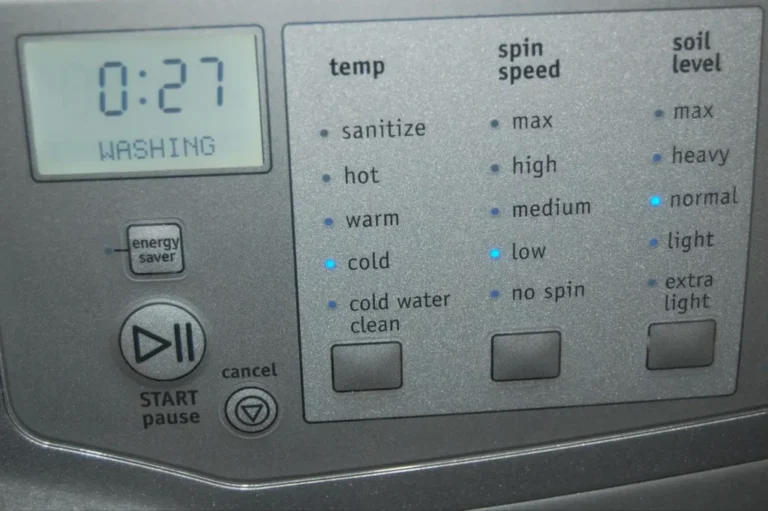
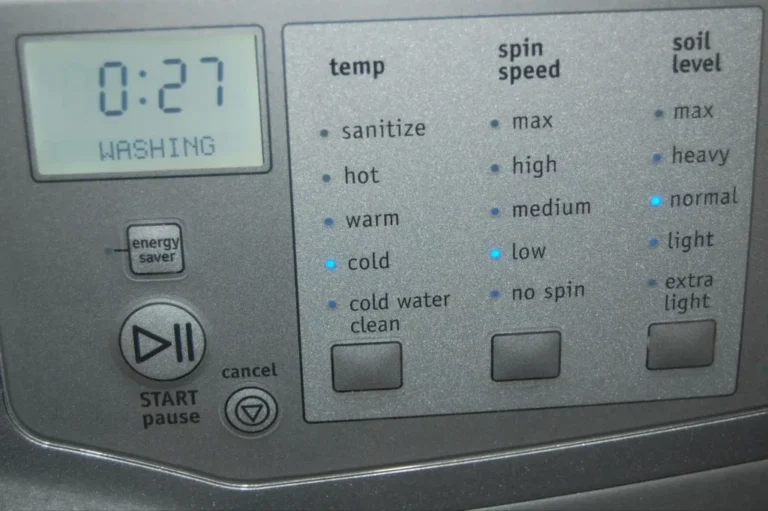
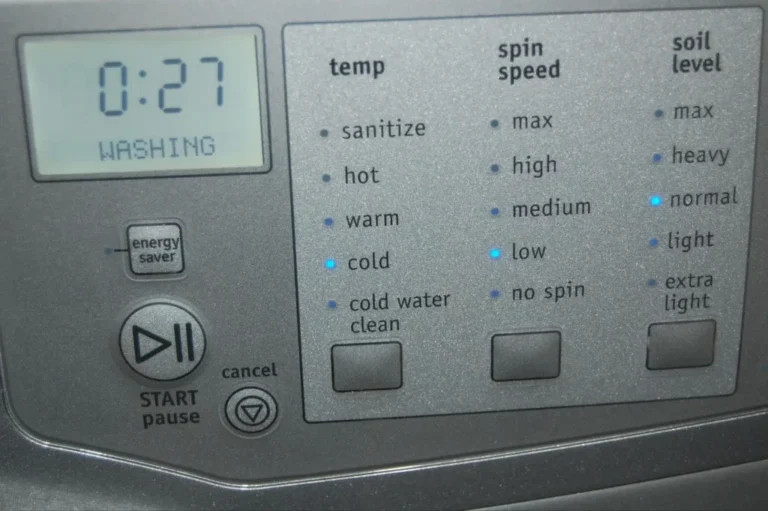
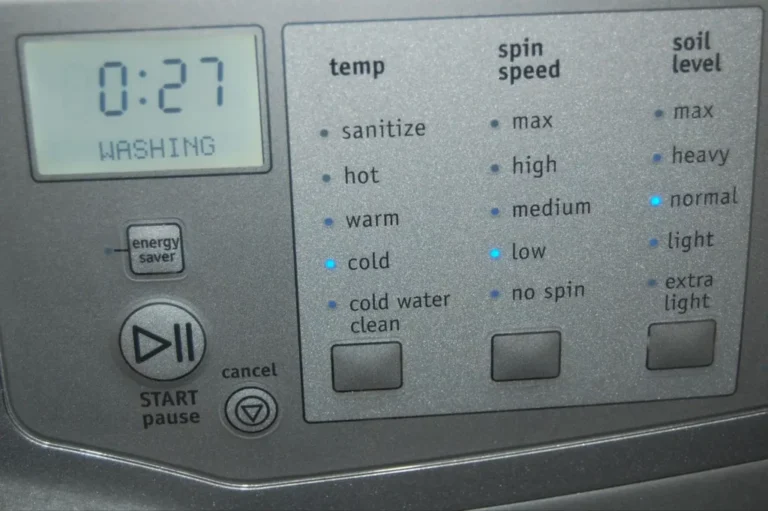
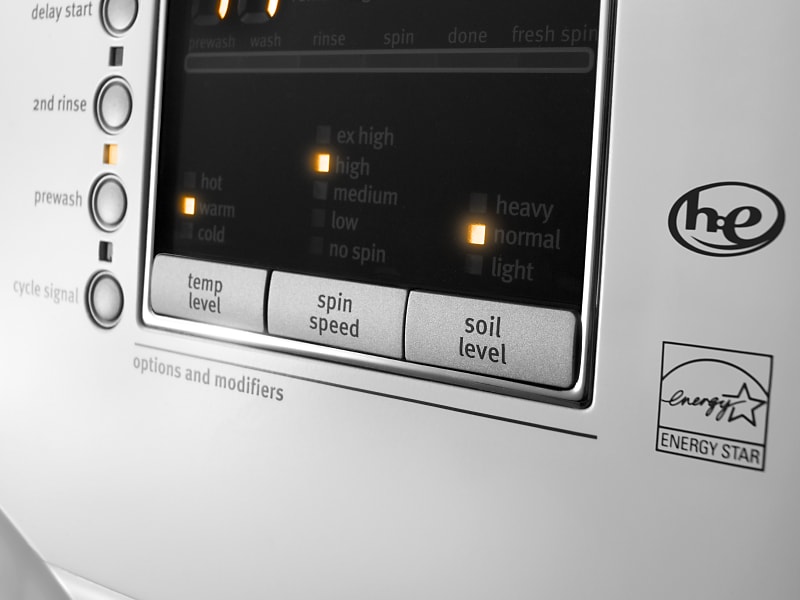
Most washing machines have three main soil level options: light, normal, and heavy. Light soil is for clothes that are not very dirty. Normal soil is for everyday laundry. Heavy soil is for very dirty clothes with tough stains. Some washers also offer a pre-wash cycle for heavy soil to help remove deep dirt.
Adjusting the soil level washer setting is simple. You select the level before starting the wash cycle. Some models allow cycle customization soil to fit your laundry needs better. For example, you can add extra rinse cycles soil if you have sensitive skin or want to remove more detergent.
Here is a quick guide on soil level options:
- ✅ Light Soil: Short wash time, less water, less detergent.
- ✅ Normal Soil: Standard wash time and water use.
- ✅ Heavy Soil: Longer wash time, more water, more detergent.
Using the correct soil level saves water and energy. It also protects your clothes from damage due to over-washing.
Impact of Soil Level on Washing Machine Performance
The soil level setting impacts water consumption. Higher soil levels use more water to soak and rinse clothes better. This helps remove stains and dirt more effectively. Lower soil levels use less water, which is good for lightly soiled clothes.
Soil level also affects the wash cycle length. Heavy soil wash cycle settings extend the washing time. This lets the detergent work longer on stains. Shorter cycles for light soil save time and energy.
Detergent amount soil is linked to soil level. More soil means more detergent is needed to clean well. Using too much detergent can leave residues. Using too little can leave stains behind.
Soil Level in Front-Load vs. Top-Load Machines
Front load washing machines often have advanced soil level sensor washing machine technology. These sensors adjust the water and cycle automatically for the soil level detected. This makes front-load washers very efficient at cleaning and saving water.
Top load washer soil level settings are usually manual. You pick the soil level before starting the cycle. Some newer top-load models also have automatic soil detection. Both types benefit from proper soil level selection guide to get the best results.
In general, front-load washers use less water and are gentler on clothes. Setting the right soil level on either machine type helps balance cleaning power and water use.
How to Adjust Soil Level for Optimal Cleaning
To adjust soil level washer for best results, consider these points. First, check how dirty your clothes are. If they have mud, grass, or heavy stains, choose heavy soil. For daily worn clothes, normal soil works well. For lightly worn or delicate items, pick light soil.
Also, consider the fabric type and wash temperature. Some fabrics need gentle washing even if dirty. You can customize wash cycle settings soil to protect clothes while cleaning.
Remember that using too high soil level for light dirt wastes water and energy. Too low soil level for dirty clothes may not clean well. Adjusting soil level helps get the right balance.
For more tips on wash cycle settings and fabric care, see our guide on what soil level washing machine.
Washing Machine Rinse and Pre-Wash Cycles Related to Soil Level
Rinse cycles soil are important for removing detergent and dirt. Heavily soiled clothes often need extra rinse cycles to clear all residues. Many machines let you add extra rinse cycles soil to protect sensitive skin and improve cleanliness.
Pre-wash cycles help loosen tough dirt. If your laundry is very dirty, selecting a pre-wash cycle with heavy soil setting improves stain removal. This step uses extra water but can save time on the main wash.
Choosing the right rinse and pre-wash settings based on soil level helps keep clothes cleaner and fresher.
Tips for Efficient Soil Level Use
Here are some simple tips for using soil level settings well:
- Match soil level to actual dirtiness of clothes.
- Use heavy soil setting only when needed to save water.
- Adjust detergent amount soil based on soil level and load size.
- Consider fabric type and avoid harsh cycles on delicate clothes.
- Use automatic soil level detection if your washer has it for best results.
These steps help your washing machine work efficiently and keep clothes in good shape.
For a beginner, understanding soil level is key to better laundry care and saving on utilities. 🚀

Summary Table: Soil Level Settings and Effects
| Soil Level | Water Use | Detergent Amount | Wash Time | Best For |
|---|---|---|---|---|
| Light | Low | Low | Short | Delicate, lightly soiled |
| Normal | Medium | Medium | Standard | Everyday laundry |
| Heavy | High | High | Long | Heavily soiled, stains |
Choosing the right soil level helps you save water and energy. It also improves washing results. Use this table as a quick guide when setting your washer.
Modern washers may add automatic soil detection to choose these settings for you. This technology adjusts water, time, and detergent for optimal cleaning.
Comparison of Soil Level Sensors vs Manual Settings
| Feature | Soil Level Sensor | Manual Soil Level Setting |
|---|---|---|
| Detection | Automatic dirt sensing | User selects level |
| Water Usage | Optimized for load | Depends on user choice |
| Cleaning Efficiency | High, adapts to soil | Good if set correctly |
| User Effort | Low | Moderate |
| Cost | Higher washer cost | Lower washer cost |
Soil level sensors add convenience and efficiency. But manual soil level selection works well if you choose carefully. Both methods benefit from understanding soil level impact washing.
Detergent and Water Usage Linked to Soil Level
Soil level affects how much detergent and water your washing machine uses. Heavy soil settings use more water to soak and rinse. They also need more detergent to break down dirt.
Using the right amount of detergent is important to avoid residue buildup. Too much detergent wastes money and can harm clothes. Too little detergent means stains may not be removed.
Water consumption soil level varies by washer type. Front load washers usually use less water than top load washers. Adjust the soil level wisely to balance cleaning with water savings.
Final Thoughts
Understanding soil level washing machine settings helps you get cleaner clothes with less waste. Adjust the soil level based on how dirty your laundry is. Use sensors if available for easy optimization. Pay attention to detergent amounts and rinse cycles for best results.
Proper soil level use saves water, energy, and detergent. It also protects fabrics and boosts stain removal. For many laundry tips, check our guide on what does delicate mean washing machine. This can help you choose the right settings for all your laundry.
In 2026, smart washing machines continue to advance. But knowing soil level basics remains key for great home laundry care.
Frequently Asked Questions
What is soil level on a washing machine?
Soil level indicates how dirty your laundry is and helps the washer adjust the wash time and water usage for better cleaning.
How do I adjust the soil level on my washer?
You can set the soil level manually on most washers by choosing light, normal, or heavy soil settings depending on how dirty your clothes are.
Does soil level affect water consumption?
Yes, higher soil levels generally use more water and longer cycles to clean heavily soiled clothes effectively.
What is automatic soil level detection?
Some modern washing machines have sensors that detect soil level automatically and adjust the wash cycle for optimal cleaning and water use.
Can soil level settings help with stain removal?
Yes, choosing the correct soil level ensures the washing machine uses the right cycle and detergent amount for better stain removal.

Keith Boyd Is A Seasoned Appliance Care Expert With Over A Decade Of Experience In Home Appliance Maintenance. His Authoritative Insights On Washing Machine Care And Upkeep Are Trusted By Homeowners Nationwide. With A Passion For Educating Others, Keith Shares Valuable Tips That Ensure Your Appliances Run Smoothly For Years To Come.