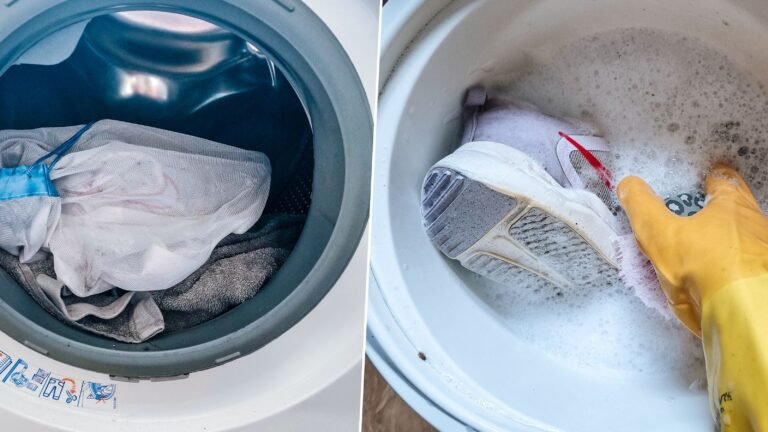
Introduction to Ticks and Washing
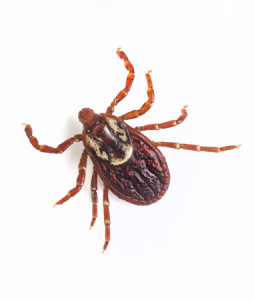
Ticks, such as Ixodes scapularis, are tiny bugs that can carry diseases. Many people wonder if washing clothes in a machine can kill these pests. Understanding the tick life cycle and washing effects helps manage tick risks. This article covers how ticks survive laundry and offers tips on effective tick removal from clothing.
For a deeper understanding of this mechanic, analyzing resources on do ticks die in the washing machine provides excellent foundational context. Also, see our guide on can silk machine washed for fabric care tips related to delicate outdoor clothing.
Proper washing machine settings and laundry habits play a key role in tick removal and death. Below, we explore the science behind this and practical advice.
Tick Survival in Laundry: What Science Says
Ticks have a tough tick exoskeleton that protects them. This makes them resistant to many washing conditions. Studies show that ticks often survive standard cold or warm water cycles. The humidity effects and dehydration during washing can harm ticks. But not always kill them.
Ticks, especially tick nymph and tick larvae, cling tightly to fabric. The wash water agitation and spin cycle can remove many ticks from clothes. However, some may remain on fabric after washing, risking reattachment.
Low washing temperatures under 40°C usually do not kill ticks. Heat exposure above certain temperature thresholds is needed for tick mortality. This is why washing alone sometimes fails to fully eliminate ticks from clothing.
Washing Machine Effectiveness Against Ticks
The effectiveness depends on water temperature, cycle duration, detergent use. And fabric type. Washing at or above 54°C (130°F) is recommended for killing ticks. Longer laundry cycle duration also helps by increasing heat and agitation time.
Detergents assist in washing but have limited impact on tick survival since ticks resist many chemicals. However, some disinfectant agents added to laundry may improve tick elimination. Fabrics like cotton allow better water penetration, aiding tick kill, compared to thick or waterproof materials.
Using the right laundry machine settings, including hot water wash and full spin cycles, improves removal and mortality of ticks. Cold water or quick cycles are less effective.
Additional tips for tick control in laundry are discussed below.
Laundry Tips for Tick Prevention
To reduce ticks on clothing and household linens, follow these simple steps:
- ✅ Wash outdoor clothing and pet bedding in hot water (54°C or higher).
- ✅ Use a full wash cycle with strong agitation and spin.
- ✅ Dry clothes on high heat for at least 10 minutes to kill remaining ticks.
- ✅ Use laundry detergents that contain disinfecting agents if possible.
- ✅ Clean washing machine filters regularly to avoid tick buildup.
These steps help break the tick life cycle and lower tick survival rates post washing. Outdoor clothing care is especially important for those in tick-prone areas.
Proper care and washing reduce risks of tick-borne diseases prevention, such as Lyme disease and tick-borne encephalitis.
Ticks and Dryer Heat: Why It Matters
The dryer plays a critical role in tick elimination. Heat exposure from the dryer can kill ticks that survive washing. Heat causes dehydration and damages the tick exoskeleton, leading to death.

Drying clothes on high heat for 10 minutes or more is an effective method to disinfect clothes from ticks. This is especially useful for thick fabrics where washing alone may fail.
Ticks do not survive well in dry, hot environments. Controlling humidity and using dryer heat are key to ensuring ticks do not remain on clothes or household linens.
Ticks on Pet Bedding and Fabric Care
Pets can bring ticks into the home on their bedding and clothes. Washing pet bedding frequently using hot water and drying on high heat helps prevent tick infestations.
Some fabrics resist washing effects. For example, waterproof or heavy fabrics may protect ticks. Washing these items with extra heat and longer cycles is advised.
Regularly cleaning pet areas and handling outdoor clothing with care limits tick attachment and reduces tick survival in the household.
Tick Removal from Clothing and Fabric Types
Ticks attach strongly to fabric fibers. Natural fibers like cotton or wool allow better water and detergent action. Synthetic fibers may trap ticks more easily.
Using vigorous agitation in the washing machine helps dislodge ticks. The spin cycle forces water out, carrying ticks with it. However, some ticks may cling tightly and survive.
Inspect clothes after washing and drying. Removing ticks manually if found is a good practice. This combined approach improves tick control.
Disinfecting Clothes from Ticks: Methods and Effectiveness
Besides washing and drying, disinfecting clothes with special agents can aid tick kill. Adding bleach or tick-specific disinfectants to the wash can improve outcomes.
However, harsh chemicals may damage fabrics or irritate skin. Use disinfectants carefully and follow instructions. Heat remains the most reliable tick elimination method.
In some cases, professional tick infestation treatment for household items may be needed if ticks persist despite laundry efforts.
Tick Survival in Laundry: Key Factors
| Factor | Effect on Ticks | Recommendation |
|---|---|---|
| Water Temperature | Below 40°C: High tick survival Above 54°C: Tick mortality increases |
Use hot water (≥54°C) for washing |
| Laundry Cycle Duration | Short cycles may not kill ticks Longer cycles increase kill rate |
Use full, longer wash cycles |
| Spin Cycle | Removes some ticks physically Does not kill ticks alone |
Use strong spin to aid removal |
| Dryer Heat | Kills ticks effectively | Dry on high heat ≥10 minutes |
| Detergents | Limited tick kill effect | Use disinfectant detergents if safe |
Following these factors helps improve the chances of killing ticks during laundry.
Proper washing machine use and fabric care can reduce tick survival and risk of re-infestation.
Step-by-Step Guide: How to Wash Clothes to Kill Ticks
- Separate outdoor and pet bedding from other laundry.
- Set washing machine to hot water cycle (at least 54°C).
- Add detergent, preferably one with disinfectant agents.
- Use full wash and spin cycles for strong agitation and tick removal.
- Transfer clothes immediately to the dryer.
- Dry on high heat for 10-15 minutes to kill remaining ticks.
- Inspect clothes for ticks after drying and remove any found.
- Clean washing machine filters to avoid tick buildup.
Following these steps ensures proper tick control in laundry routines.
Remember, ticks are tough and require heat and time to kill effectively.
Comparison Table: Washing vs Drying Tick Kill Rates
| Method | Tick Kill Rate | Notes |
|---|---|---|
| Washing in Cold Water | Low (<20%) | Ticks often survive due to exoskeleton and low heat |
| Washing in Hot Water (≥54°C) | Moderate (50-70%) | Heat helps but some ticks cling to thick fabrics |
| Drying on High Heat (≥10 min) | High (90-100%) | Heat exposure kills ticks by dehydration and exoskeleton damage |
| Manual Tick Removal Post-Wash | Variable | Helps remove survivors but requires inspection |
Drying is the most effective step to kill ticks. Washing alone may not be enough, especially for tough fabrics.
Conclusion: Best Practices for Tick Control in Laundry
Industry consensus indicates that washing alone does not reliably kill all ticks. The tough tick exoskeleton and tick resistance to water make this challenging. However, washing with hot water and longer cycles removes many ticks.
Dryer heat is critical. Using high heat for at least 10 minutes kills most ticks. Combining washing, drying. And manual inspection offers the best control.
Regular laundry of outdoor clothing and pet bedding at high temperatures reduces tick survival rates post washing. This helps prevent tick-borne diseases like erythema migrans and tick-borne encephalitis.
For ongoing prevention, clean washing machine filters and maintain humidity control in your laundry area.
Following these expert recommendations ensures safer tick management at home.
For broader context on tick removal and drying, see detailed guides on Do Ticks Survive the Dryer? How to Kill Ticks on Clothes.
Frequently Asked Questions
Do ticks die in the washing machine?
Ticks can survive some washing cycles, especially if the water temperature is low. High heat and longer cycles improve tick mortality.
What washing temperature kills ticks effectively?
Washing clothes in water heated to at least 54°C (130°F) is generally needed to kill ticks.
Can ticks survive the spin cycle of a washing machine?
The spin cycle alone is not enough to kill ticks, but it helps remove ticks from clothes by force.
Does dryer heat kill ticks on clothing?
Yes, dryer heat is very effective. Drying clothes on high heat for 10 minutes or more can kill ticks left after washing.
How can I prevent ticks from infesting my household linens?
Regular washing at high temperatures, drying on high heat, and cleaning pet bedding can help prevent tick infestations.

Michael Peterson is a home appliance writer focused on practical washing machine care, maintenance, and troubleshooting. He shares simple, reliable tips to help readers keep their washing machines running efficiently, avoid common problems, and extend appliance life.