What Is Soil Level on a Washing Machine?
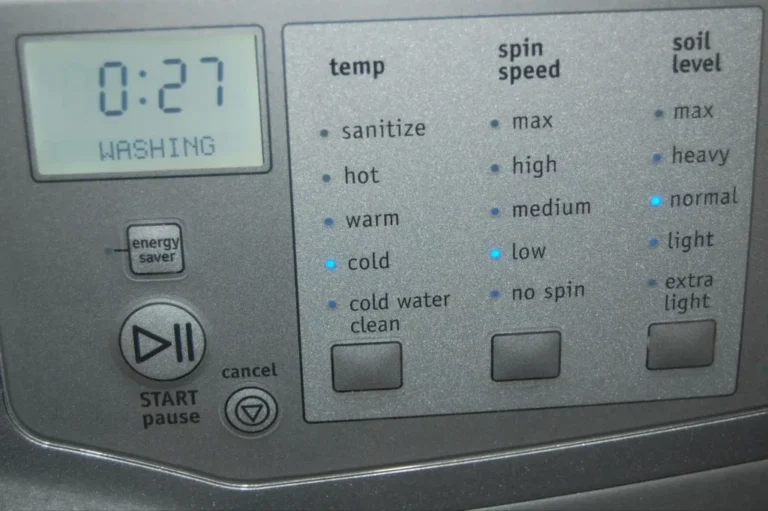
The soil level on a washing machine shows how dirty your clothes are. It lets the washer know the amount of dirt or stains on your laundry. This helps the machine pick the right wash cycle to clean your items well. For example, a heavy soil level means clothes are very dirty, so the machine uses more water and time.
Understanding soil settings is key to good laundry care. By selecting the right soil degree, you save energy and avoid over-washing. You can learn more about this in the detailed guide on what does soil level mean on a washer machine.
Also, some modern washers have a soil sensor. This sensor measures the dirt amount during the load and adjusts the wash automatically. This feature improves washing efficiency and helps you save detergent and water.
Common Soil Degree Settings on Washers
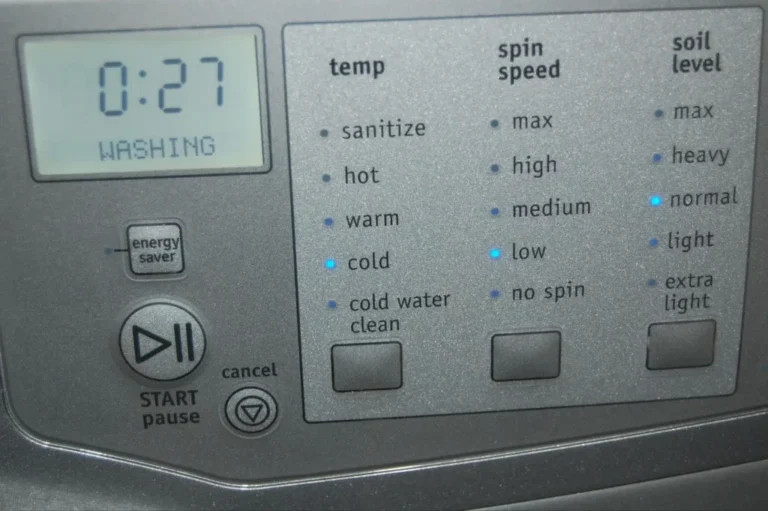
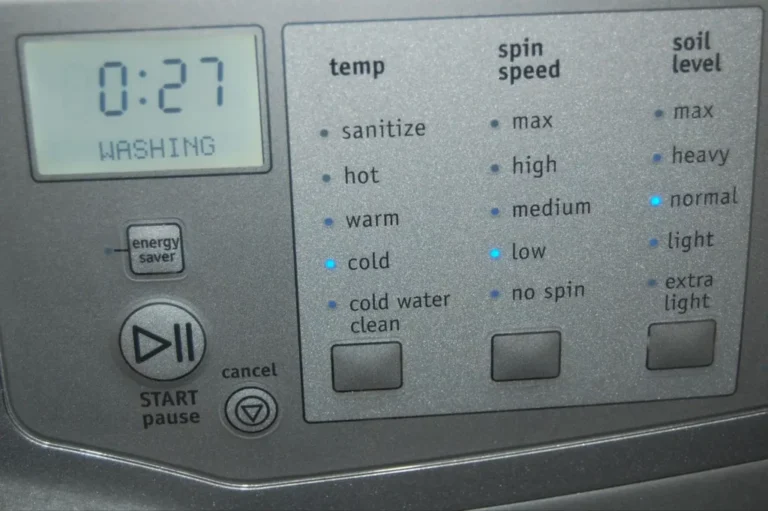
Most washing machines offer several soil classification options. These soil degree settings help you match the wash intensity to your fabric soil level. Common options include light, normal, and heavy soil. Some washers even have extra settings like medium or extra heavy soil.
Each soil level changes the wash time, water use, and detergent amount. Heavy soil settings use longer wash time and more detergent. Light soil uses less water and shorter cycles. Choosing the right soil amount laundry setting improves cleaning and saves resources.
For those with smart washers, the cleaning cycle soil sensor can detect the laundry soil degree for you. This sensor reads the dirtiness during the wash and adjusts the program to the best soil amount.
How Soil Level Affects Washing Parameters
Setting the correct soil level changes many washing machine functions. It controls wash time, temperature setting, spin speed, and rinse cycles. For example, heavy soil level means the machine might use a hotter temperature and longer wash time.
Detergent dosage is also linked to the soil setting. More dirt needs more detergent to break down stains. Light soil needs less detergent, helping prevent residue on clothes. Adjusting detergent dosage based on soil level is smart laundry care.
Spin speed can be reduced for heavily soiled clothes to protect fabric, while lightly soiled loads can spin faster. The rinse cycle might be extended with heavy soil to remove all dirt and detergent residues.
| Soil Level | Wash Time | Detergent Amount | Temperature | Spin Speed |
|---|---|---|---|---|
| Light | Short | Low | Cold/Warm | High |
| Normal | Medium | Medium | Warm | Medium |
| Heavy | Long | High | Hot | Low |
This table shows how the soil setting adjusts wash cycle soil amount. Matching these settings to your laundry soil level boosts washing machine dirt detection and cleaning power.
Adjusting Soil Settings for Different Fabrics
Not all fabrics can handle the same soil degree settings. Delicate fabrics need gentler wash cycles even if very dirty. Heavy fabrics like denim can take longer wash times and higher temperatures for tough stains.
Using the right soil option washing machine setting with fabric type helps keep clothes safe. For example, set light soil for delicate fabrics with mild stains. Use heavy soil for cotton or linens with heavy dirt or stains.
Refer to laundry care symbols on your clothes for fabric soil level advice. Combining fabric type and laundry soil concept helps pick the best washing program for your load.
Soil Sensors and Automatic Soil Detection
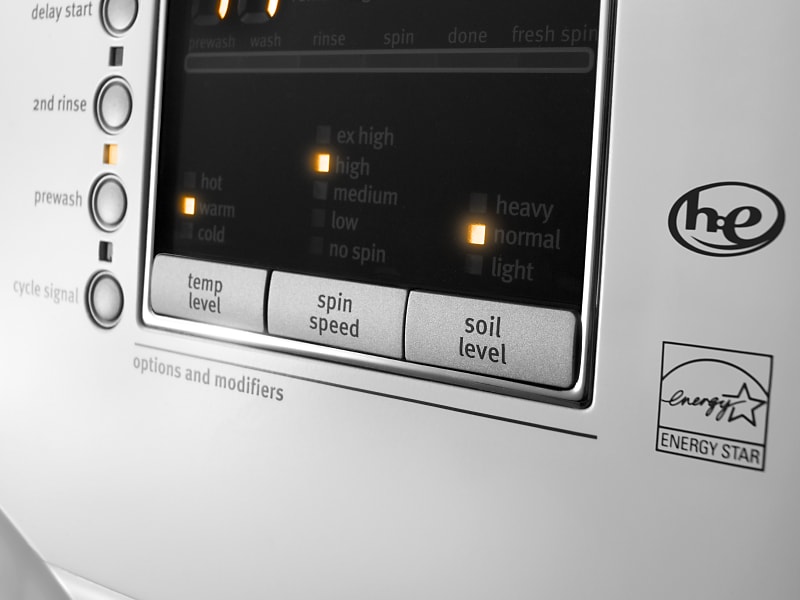
Many 2026 washing machines now include soil sensors. These sensors scan the wash load to detect dirt amount. This lets the machine change wash cycle soil amount on the fly. You don’t need to pick soil settings manually.
Soil sensors can read water cloudiness or dirt particles. They improve washing machine dirt detection and adapt rinse cycle length. This leads to better stain removal degree and wash intensity soil level control.
Automatic soil detection saves water, energy, and detergent. It also helps protect fabrics by avoiding over-washing. However, manual soil setting options remain useful when precise control is needed.
| Feature | Soil Sensor | Manual Soil Setting |
|---|---|---|
| Detection Method | Automatic dirt sensing | User selects soil level |
| Wash Adjustment | Dynamic wash cycle changes | Fixed wash cycle based on setting |
| Energy Use | Optimized | May overuse if incorrect |
| Ease of Use | High | Medium |
For a deeper understanding of this mechanic, analyzing resources on soil level on a washing machine by Maytag provides excellent foundational context.
Tips for Choosing the Right Soil Level
Choosing the right soil level means knowing your load’s dirtiness. Check clothes for visible stains or heavy dirt. Also, consider the load size; larger loads may need higher soil settings for thorough cleaning.
Here is a quick checklist to select the right soil setting:
- ✅ Light soil: Few stains, lightly worn clothes
- ✅ Normal soil: Everyday dirt, moderate stains
- ✅ Heavy soil: Mud, grease, or tough stains
Using pre-wash options with heavy soil can improve cleaning. Always check your machine manual for soil setting instructions. This helps avoid energy waste and improves washing efficiency.
• Inspect clothes for dirt
• Match soil setting to stain intensity
• Use pre-wash for tough stains
• Adjust detergent dosage
• Follow fabric care symbols
Conclusion: Mastering Soil Settings Improves Laundry
Understanding what soil means on a washing machine is key to great laundry results. The soil level tells the machine how dirty clothes are. This guides wash cycle times, detergent use, and water temperature.
Using the right soil setting saves energy and protects your clothes. Sensors add smart soil detection for automatic adjustment. Always match soil degree settings with fabric type and dirtiness for best care.
To learn more about related laundry tips and machine features, check out the article on can you machine wash linen for more fabric care advice.
| Benefit | Details |
|---|---|
| Better Cleaning | Adjusts wash to dirt level for thorough stain removal |
| Energy Saving | Prevents over-washing and excess water use |
| Fabric Care | Protects delicate fabrics with gentler cycles |
| Detergent Efficiency | Matches detergent dose to soil amount |
| Convenience | Soil sensors automate wash adjustments |
Frequently Asked Questions
What is soil level on a washing machine?
Soil level refers to how dirty your laundry is and helps the machine adjust the wash settings accordingly.
How does soil setting affect the wash cycle?
The soil setting changes wash time, water amount, and detergent dose to clean clothes better based on dirtiness.
Can I adjust detergent dosage based on soil level?
Yes, higher soil levels usually require more detergent, while low soil levels need less to avoid residue.
Do all washing machines have soil sensors?
No, some models have manual soil level settings, while others use sensors to detect dirt automatically.
What happens if I choose the wrong soil setting?
Choosing a soil level too low can leave clothes dirty; too high can waste water and energy.

Keith Boyd Is A Seasoned Appliance Care Expert With Over A Decade Of Experience In Home Appliance Maintenance. His Authoritative Insights On Washing Machine Care And Upkeep Are Trusted By Homeowners Nationwide. With A Passion For Educating Others, Keith Shares Valuable Tips That Ensure Your Appliances Run Smoothly For Years To Come.