Understanding Washing Machine Spin Speed
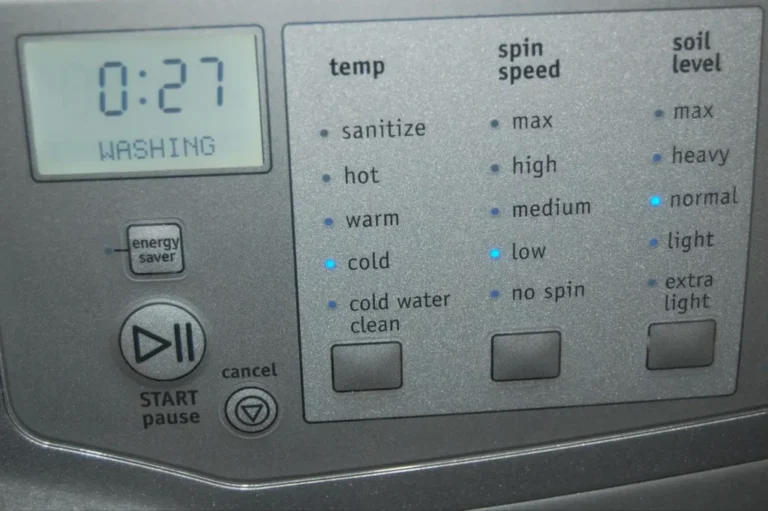
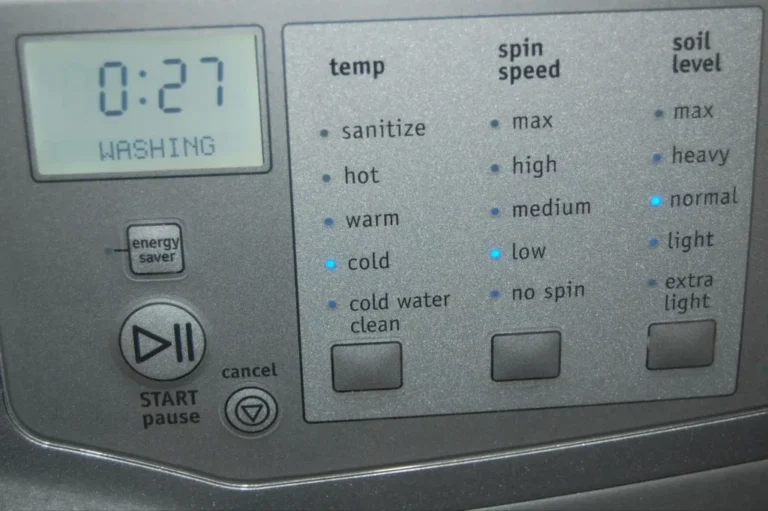
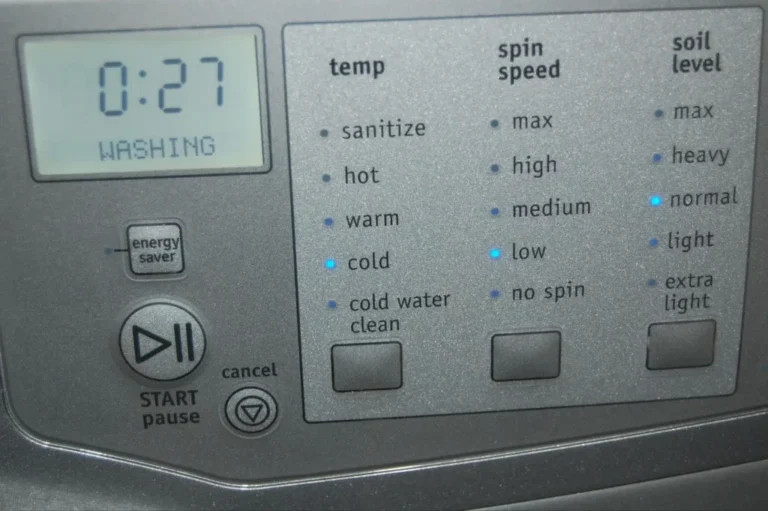
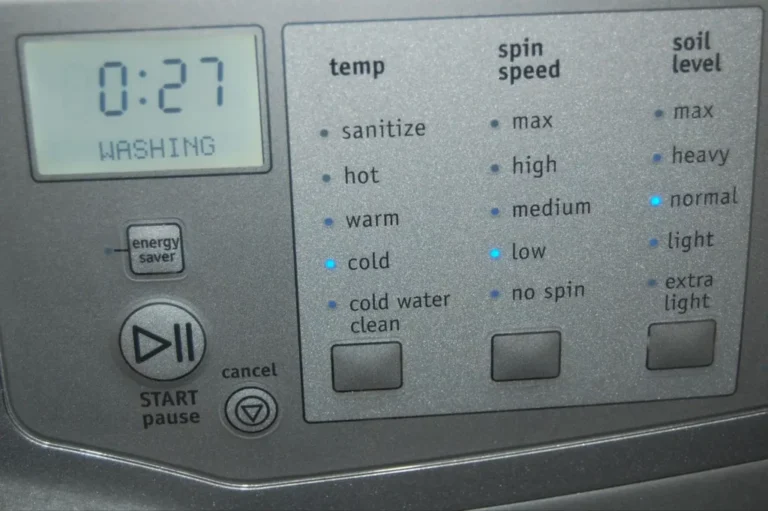
The spin speed of a washing machine is measured in revolutions per minute (RPM). It shows how fast the drum spins during the spin cycle. In 2026, washing machines can reach up to 1800 RPM. This speed uses centrifugal force to pull water out of clothes. The higher the RPM, the drier your clothes will be at the end of the cycle.
Spin speed impacts how much water is removed and how long clothes take to dry. However, very high speeds can increase noise and vibration. Modern machines use vibration control and load sensors to keep noise levels low. For example, a front load washer may spin faster and quieter than a top load washer.
For a deeper understanding of this mechanic, analyzing resources on washing machine spin speed impact provides excellent foundational context.
Spin speed automation is a key feature in 2026 washing machines. It adjusts RPM based on fabric type and load weight. This helps protect clothes while saving energy.
| Spin Speed (RPM) | Water Extraction Efficiency | Noise Level (Decibels) |
|---|---|---|
| 800 | Low | 45 |
| 1200 | Medium | 50 |
| 1600 | High | 55 |
| 1800 (Max) | Very High | 60 |
Spin speed is linked to energy consumption. Faster spins use more power but can reduce drying time, saving energy overall. Energy efficiency ratings now consider spin speed performance along with wash cycles and motor types.
Industry consensus indicates that choosing the right RPM based on fabric type is crucial. Synthetic fabrics need gentler spins, while cotton can handle higher speeds. This balance extends the washing machine lifespan and keeps clothes looking new.
Spin Speed vs Fabric Care
High-speed spin cycles are great for cotton and heavy fabrics. They pull more water out, making drying faster and cheaper. But delicate fabrics like silk or wool need lower RPMs to avoid damage.

Fabric care spin speed settings let users choose the right speed. In 2026, most washers have automatic spin adjustment. This uses load sensors to detect fabric type and weight. Then, it picks the best spin speed to protect clothes.
Choosing the wrong spin speed can cause fabric damage. Too fast, and clothes may stretch or tear. Too slow, and water stays in clothes, making drying hard. The goal is to balance water extraction speed and fabric safety.
Many users wonder about the best way to spin hats or delicate items. Learning how do you wash hat washing machine can help you protect these items while cleaning them well.
| Fabric Type | Recommended Spin Speed (RPM) | Drying Efficiency | Fabric Damage Risk |
|---|---|---|---|
| Cotton | 1200-1600 | High | Low |
| Synthetic | 800-1200 | Medium | Low |
| Silk/Wool | 400-800 | Low | Medium |
| Delicate | 400 | Low | High |
Experts recommend using fast spin mode only for sturdy fabrics. For delicate items, use gentler wash and spin settings to avoid wrinkles and tears. This careful approach is part of washing machine maintenance to keep your machine and clothes in top shape.
Front Load vs Top Load: Spin Speed Differences
Front load washers usually spin faster than top load washers. This is due to design and motor inverter technology. Front loaders can reach up to 1800 RPM, while top loaders often max out around 1200 RPM.
The higher spin speeds in front load washers lead to better water extraction. This boosts laundry drying efficiency and reduces energy use in dryers. Also, front loaders tend to have better vibration control, lowering noise levels during fast spins.
Top load washers with agitators spin more slowly but wash clothes quickly. They may use more water and energy overall. Still, many users prefer them for bulky items and heavy soil loads.
When deciding between these types, consider your laundry needs and space. For tips on keeping your washer clean and efficient, see our guide on how to clean laundry machine.
| Washer Type | Max Spin Speed (RPM) | Energy Use (kWh per cycle) | Noise Level (dB) | Water Extraction |
|---|---|---|---|---|
| Front Load | 1800 | 0.8 | 50 | Very High |
| Top Load | 1200 | 1.2 | 55 | Medium |
Energy consumption washing machine depends on motor types too. Inverter motors used in front loaders are more efficient and quieter. This tech reduces wear and tear and improves washing performance in 2026 models.
Spin Cycle Duration and Energy Use
Spin cycle duration affects power use and clothes dryness. Typical spin cycles last 5 to 15 minutes. Longer spins remove more water but use more energy. Shorter spins save power but leave clothes wetter.
Modern washing machines balance spin speed and duration using smart controls. Load sensors detect how wet clothes are and adjust spin time. This saves energy while keeping drying times short.
Efficient washing machines in 2026 use less than one kWh per wash. They combine fast spin modes with shorter cycles to save power. This helps reduce household energy bills and environmental impact.
Noise level decibels during spin can reach 60 dB at max RPM. Vibration control tech is essential to keep machines stable and quiet. Proper maintenance also helps avoid noisy spins.
Below is a simple guide explaining how to adjust your spinner for best results:
📌 Step-by-Step Guide to Adjust Spin Settings
- Check fabric care labels.
- Select appropriate wash and spin settings.
- Use automatic spin adjustment if available.
- Monitor noise and vibration during spin.
- Clean filters and balance loads regularly.
Following these steps extends your washing machine lifespan and keeps clothes fresh.
Conclusion
Spin speed in washing machines is a key factor in cleaning efficiency and drying ease. In 2026, machines reach up to 1800 RPM with smart spin speed automation to protect fabrics. Front load washers usually spin faster and use less energy than top loaders.
Choosing the right spin speed depends on fabric type and load size. High speed spin cycles speed up drying but may risk fabric damage if used incorrectly. Spin cycle duration and noise levels are also important for user comfort and energy use.
Maintaining your washing machine and using correct wash and spin settings ensures better laundry care and longer machine life. For more advice on laundry care, see our article on washing machine cleaning tips.
⭐ Expert Insight
Industry experts agree that balanced spin speed and cycle duration are vital for modern washing machines. The technology in 2026 focuses on reducing water and energy use without compromising fabric care.
Frequently Asked Questions
What is the typical RPM range for washing machines?
Most washing machines spin between 800 and 1600 RPM, with high-speed cycles reaching up to 1800 RPM in 2026 models.
How does spin speed affect drying time?
Higher spin speeds extract more water, reducing drying time and energy use for dryers or line drying.
Are front load washers better for spin speed than top load washers?
Front load washers often achieve higher RPMs with less vibration, making them more efficient in water extraction.
Can high spin speeds damage clothes?
Yes, very high spin speeds can harm delicate fabrics. Modern washers use spin speed automation to protect fabrics.
How long does the spin cycle usually last?
Spin cycle duration varies but typically lasts between 5 to 15 minutes depending on the load and selected settings.

Keith Boyd Is A Seasoned Appliance Care Expert With Over A Decade Of Experience In Home Appliance Maintenance. His Authoritative Insights On Washing Machine Care And Upkeep Are Trusted By Homeowners Nationwide. With A Passion For Educating Others, Keith Shares Valuable Tips That Ensure Your Appliances Run Smoothly For Years To Come.