How Often to Wash Towels for Best Results
Washing towels regularly is key to keeping them clean and fresh. Experts suggest washing bath towels every three to four uses. This schedule balances hygiene and fabric care. Overwashing can wear out fibers. Meanwhile, underwashing leads to odor buildup and bacteria growth.
For microfiber towels or gym towels, washing after each use is best. These towels trap sweat and oils more than cotton towels. Proper washing frequency maintains their absorbency and softness. If towels smell musty, it means they need cleaning even if not visibly dirty.
For a deeper understanding of towel maintenance, analyzing resources on how to wash towels washing machine provides excellent foundational context.
Best Washing Machine Settings for Towels
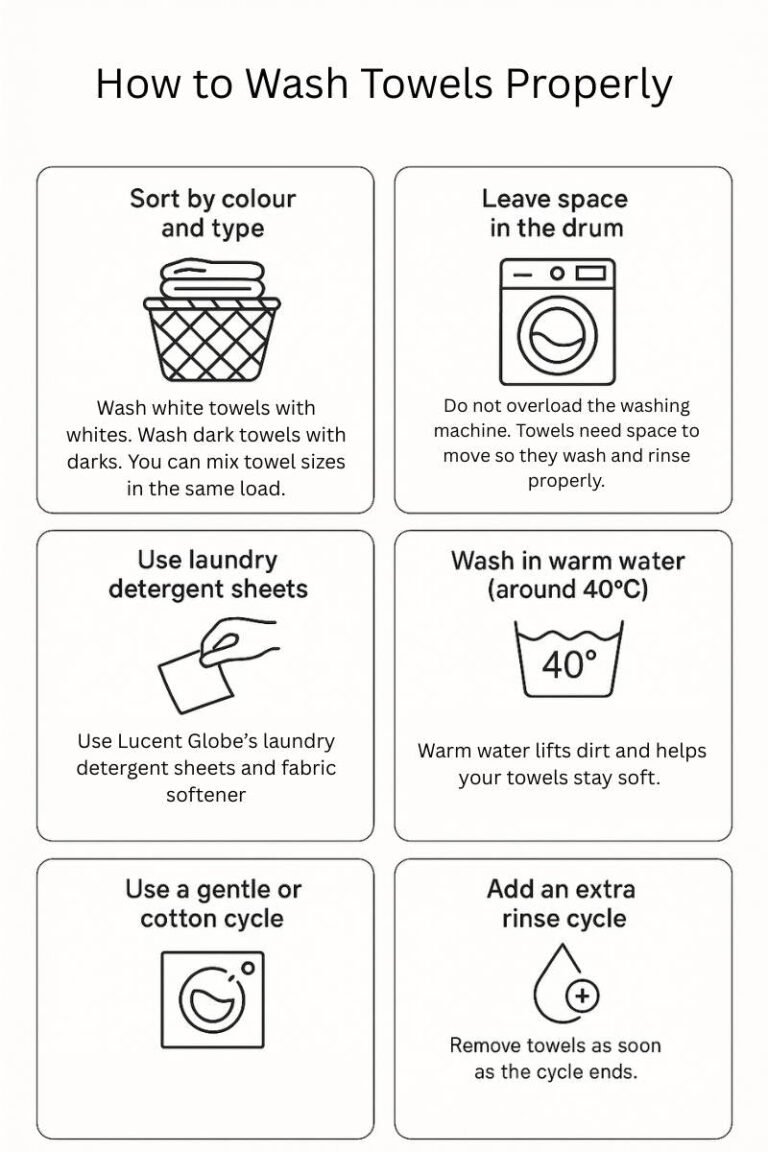
Industry consensus indicates using warm or hot water for washing towels. Hot water helps sanitize and remove oils, dirt. And odors effectively. However, very hot water might cause some cotton towel shrinkage. So check care labels. Microfiber towels usually require warm water to avoid damage.
Select the normal or heavy-duty washing machine cycle to give towels a thorough clean. Gentle cycles may not remove all grime, especially with thicker towels. For delicate microfiber towels, a gentle cycle with warm water works well.
Spin speed should be moderate to high to remove excess water but not so fast that it harms towel fibers. Load towels loosely to allow water and detergent to circulate well.
Using the right detergent is critical. Choose detergents designed for towels or heavy fabrics to maintain fluffiness and remove odors. Avoid excessive detergent. This can cause lint buildup and reduce absorbency.
Check this table for a quick reference on washing settings by towel type:
| Towel Type | Water Temp | Cycle | Spin Speed |
|---|---|---|---|
| Cotton Towels | Warm to Hot | Normal/Heavy Duty | High |
| Microfiber Towels | Warm | Gentle | Medium |
| Colored Towels | Warm | Normal | Medium |
It’s important to avoid overloading the washing machine. Towels need room to move. A filling level of about 75% of machine capacity is ideal for towels washing load size.
Why Wash New Towels First?
New towels often have finishing chemicals that reduce absorbency. Washing them before use removes these residues and softens the fibers. It also prevents color fading when washed with other items later.
Wash new towels separately using warm water and a detergent for towels. Avoid fabric softeners on the first wash to keep fibers open for better water absorption.
For detailed guidance on prepping towels, exploring advice on washing towels effectively is recommended.
Removing Odor from Towels
Odor in towels usually comes from bacteria and mold trapped in fibers. Hot water towels washing helps kill these microbes. Using a detergent with odor-fighting enzymes improves results.
Adding half a cup of white vinegar during the rinse cycle is a natural way to remove smells and soften towels without using fabric softener. Avoid overusing fabric softener as it can trap odors and coat towel fibers.
Dry towels thoroughly after washing to prevent mildew growth. For some tips on deodorizing towels before washing, check the next section.
Dryer vs Air Dry Towels: Which is Better?
Drying towels affects their softness and lifespan. Dryers keep towels fluffy by loosening fibers with heat and tumbling. However, high dryer heat can cause towel shrinkage and fiber damage over time.
Air drying is gentler on towels and saves energy. It reduces lint buildup and slows wear. The downside is towels may feel stiff and take longer to dry, especially in humid climates. Hanging towels in sunlight helps kill bacteria naturally.
Many experts recommend using the dryer on a low or medium heat setting and finishing with air drying to maintain towel absorbency and softness.
Preventing Towel Wear While Washing
To extend towel life, avoid washing towels with rough fabrics like jeans or items with zippers. These can snag and wear down towel fibers. Use mesh laundry bags for delicate microfiber towels to prevent friction damage.
Do not use too much detergent or fabric softener. Excess detergent leaves residue and fabric softener coats fibers, reducing absorbency and causing buildup. Clean your washing machine filter regularly to avoid lint buildup on towels.
Using a washing machine gentle cycle towels option for delicate towels can reduce fiber stress and prolong lifespan.

Fabric Softener and Towels: What to Know
Fabric softener can make towels feel soft initially but may reduce their water absorbency. It coats towel fibers with a thin film that repels water. Use fabric softener sparingly or skip it altogether for bath towels.
For microfiber towels, avoid fabric softeners completely as they can damage the fibers and reduce cleaning effectiveness. Instead, use white vinegar as a natural softener alternative.
Remember to always check your towel’s care label for fabric softener recommendations to maintain proper towels fabric care.
Towel Sanitization Washing Tips
Sanitizing towels is important, especially if used in bathrooms or gyms. Hot water towels washing with a detergent that contains disinfecting agents helps kill germs effectively. Adding bleach for white towels also boosts sanitization.
To sanitize without bleach, use a washing machine cycle with water above 60°C (140°F) if the fabric allows. This temperature kills most bacteria and viruses. Always follow care instructions to avoid damage.
Dry towels completely in the dryer or outside in the sun to keep them sanitary and fresh.
Below is a comparison of sanitizing methods for towels:
| Method | Temperature | Detergent | Effectiveness |
|---|---|---|---|
| Hot Water Wash | 60-90°C | Standard detergent | High |
| Bleach Addition | Any (check label) | Bleach + detergent | Very High (whites only) |
| Vinegar Rinse | Warm | Detergent + vinegar | Moderate |
| Cold Water Wash | Cold | Special detergent | Low to Moderate |
Ideal Towels Washing Load Size
Washing too many towels at once reduces cleaning quality. Towels need space to move and wash properly. The best practice is to fill the washing machine about 75% full with towels. This allows enough water flow and friction to clean fibers well.
For large loads, consider splitting towels into two cycles. Overloading can cause detergent buildup, lint issues. And uneven washing.
Adjust detergent amount according to load size and water hardness. Overuse of detergent harms towel fibers and washing machine filters.
Washing Microfiber Towels in the Machine
Microfiber towels need special care in the washing machine. Use a gentle cycle with warm water and a mild detergent free of fabric softeners and bleach. Avoid washing with lint-producing fabrics to keep microfiber clean and effective.
Dry microfiber towels on low heat or air dry to maintain fiber integrity. High heat damages the synthetic fibers and reduces lifespan.
Regularly clean your washing machine to prevent lint accumulation that can stick to microfiber towels. You can learn more about washing microfiber towels safely from specialized guides.
Conclusion: Mastering Towels Washing for Softness and Cleanliness
Washing towels effectively in 2026 means understanding fabric type, machine settings. And detergent use. Washing new towels first, using warm or hot water. And selecting the right washing cycle ensure deep cleaning and sanitization. Avoid overloading and fabric softener overuse to maintain towel absorbency and softness.
Choosing between dryer and air drying depends on your priorities for softness and energy use. Proper towel maintenance extends life and keeps towels fluffy and fresh. These expert tips help you care for towels and get the best from your washing machine.
For a broader perspective on keeping towels fluffy and clean, see the resource on washing towels – how to keep your towels fluffy and clean!
Additionally, understanding do all washing machines have a filter helps maintain your appliance for optimal towel washing. Also, knowing what soil level washing machine means can improve your laundry results by choosing the right settings.
Frequently Asked Questions
How often should towels be washed?
Towels should be washed after 3 to 4 uses to prevent odor and bacteria buildup, ensuring they stay fresh and clean.
What is the best washing machine setting for towels?
Use a warm or hot water setting with a normal or heavy-duty cycle to clean towels effectively without damaging fibers.
Is it better to air dry or use a dryer for towels?
Dryers help keep towels soft and fluffy, but air drying can preserve towel fibers longer and reduce energy use.
Can fabric softener be used when washing towels?
Using fabric softener occasionally is fine, but frequent use can reduce towel absorbency by coating fibers.
How to remove odor from towels?
Wash towels with hot water and use detergent designed for odor removal. Adding white vinegar during the rinse cycle also helps.

Michael Peterson is a home appliance writer focused on practical washing machine care, maintenance, and troubleshooting. He shares simple, reliable tips to help readers keep their washing machines running efficiently, avoid common problems, and extend appliance life.