Understanding Washing Machine Spin Speed
Washing machines spin at different speeds, measured in revolutions per minute (RPM). This speed shows how many times the drum turns each minute. Spin speed affects how wet clothes are at the end of the cycle. Faster spins push out more water, helping clothes dry faster.
For a solid grasp on how spin speed translates to real-world effects, it’s useful to see how RPM converts to miles per hour (MPH). This speed in MPH tells us how fast the outer edge of the drum moves. Industry experts agree that knowing this helps buyers choose the right machine for their needs and fabric care.
To learn more about washing machine spin speeds and their practical impact, exploring detailed analyses on washing machine spin velocity provides excellent insights.
🚀 Beginner Tip: Washing machine spin speed controls water extraction, which affects drying time and energy use.
How to Convert RPM to MPH in Washing Machines
Calculating washing machine spin speed in MPH starts with the RPM and the drum’s circumference. The drum circumference is the distance around the drum’s edge. Multiplying this by RPM gives the distance the drum surface moves each minute.
Next, convert this distance to miles per hour by dividing by the number of feet in a mile and minutes in an hour. This formula helps visualize how fast clothes move during the spin cycle.
Industry consensus indicates that most washing machines spin between 800 and 1600 RPM. With an average drum diameter of about 20 inches, the spin speed at the drum edge can reach close to 50 MPH for high-speed machines.
| RPM | Drum Diameter (inches) | Drum Circumference (inches) | Spin Speed (MPH) |
|---|---|---|---|
| 800 | 20 | 62.8 | 29.3 |
| 1200 | 20 | 62.8 | 44.0 |
| 1600 | 20 | 62.8 | 58.7 |
🔢 Step-by-Step Guide: To calculate spin speed in MPH:
- Find the drum diameter.
- Calculate circumference: Diameter × π (3.14).
- Multiply circumference by RPM to get inches per minute.
- Convert inches per minute to miles per hour.
For a deeper understanding of this mechanic, analyzing resources on washing machine spin speed in MPH provides excellent foundational context.
Spin Speed and Fabric Care
The speed of the spin cycle can affect fabric wear. Higher spin speeds mean more force on clothes. This can cause more wear and tear, especially on delicate fabrics. Choosing the right spin speed is important to protect your laundry.
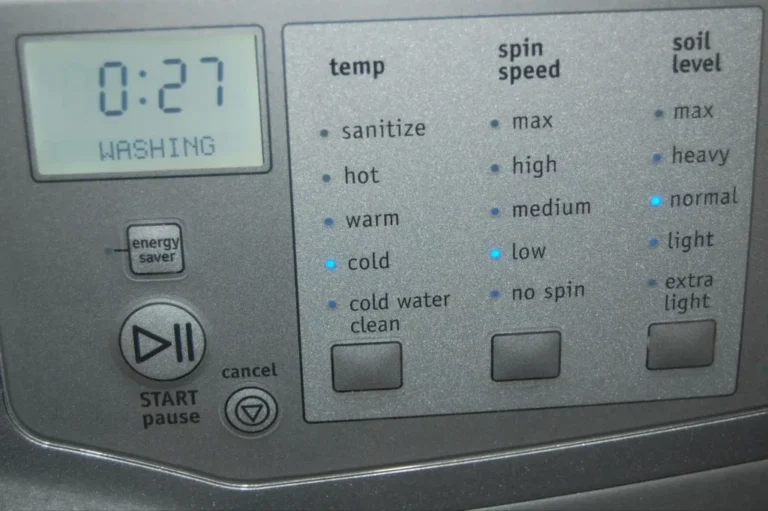
Modern washing machines allow users to adjust spin speed settings. For delicate fabrics, a low or medium spin speed is best. For heavy fabrics like towels or jeans, higher spin speeds help remove water faster without much damage.
⭐ Expert Insight: Using the optimal washing machine spin speed balances cleaning power and fabric care, extending the life of clothes.
✅ Checklist for fabric care:
- ✅ Check fabric care labels.
- ✅ Select appropriate spin speed.
- ✅ Avoid very high RPM for delicate items.
- ✅ Use gentle cycles when needed.
Balancing spin speed with fabric type prevents damage and keeps clothes looking new longer.
Impact of Spin Speed on Drying Time
Higher spin speeds remove more water from clothes. This reduces the time needed for drying. Clothes with less water dry faster, saving energy and effort. This is important for households using dryers or air drying clothes indoors.
However, very high speeds can cause fabric to crease or stretch. It may also increase noise levels and energy use during the spin cycle. Choosing a high speed spin washing machine with good spin speed control helps manage these effects.
⚖️ Pros & Cons of High Spin Speeds:
- Better water extraction
- Faster drying time
- Energy savings on drying
Cons:
- Potential fabric damage
- More noise
- Higher motor power use
Analyzing the data reveals that the best approach is to select spin speeds based on laundry type and drying needs.
Washing Machine Spin Speed Comparison in 2026
Washing machines vary widely in their spin speed and features. Some high-end models reach 1600 RPM or more. Entry-level machines may spin at 800 RPM. The drum diameter also varies, affecting the final MPH at the drum edge.
Comparing machines helps buyers find a model that suits their laundry habits and fabric care needs. Machines with adjustable spin speed settings provide better flexibility.
| Model | Max RPM | Drum Diameter (inches) | Spin Speed at Drum Edge (MPH) |
|---|---|---|---|
| SpeedQueen Ultra | 1200 | 22 | 52.2 |
| Whirlpool EcoSpin | 1400 | 20 | 51.8 |
| LG TurboWash | 1600 | 19 | 51.2 |
| Samsung SmartSpin | 1000 | 20 | 36.5 |
✅ Check the spin speed range and drum size when choosing a washing machine for your home.
For more on choosing machines, see clean filter of Samsung washing machine, a key maintenance step for spin cycle efficiency.
Conclusion
Understanding washing machine spin speed in MPH helps users pick the right cycle for their laundry. Conversion from RPM to MPH depends on drum size and speed. Higher spin speeds improve water extraction and reduce drying time but may risk fabric wear.
Modern machines offer spin cycle speed settings to balance cleaning, drying efficiency, and fabric care. Selecting the optimal washing machine spin speed based on fabric type ensures longer-lasting clothes and energy savings.
In 2026, washing machines continue to evolve with smarter spin speed controls and better design. Knowledge of spin speed and its effects remains key for smart laundry choices.
🚀 Quick Fact: Average washing machine spin speeds range from 800 to 1600 RPM, roughly 30 to 60 MPH at the drum edge.
📑 Quick Facts Box:
- Spin speed is measured in RPM (revolutions per minute).
- MPH conversion depends on drum diameter.
- High spin speeds extract more water.
- Optimal spin speed protects fabrics.
- Spin speed affects drying time and energy use.
Frequently Asked Questions
What is the typical spin speed of a washing machine?
Most washing machines spin between 800 and 1600 revolutions per minute (RPM), which translates roughly to 20 to 50 miles per hour (MPH) depending on the drum size.
How do you convert washing machine RPM to MPH?
To convert RPM to MPH, multiply the drum circumference by RPM, then convert the distance per minute to miles per hour. The formula considers drum size and spin velocity.
Does a higher spin speed damage clothes?
High spin speeds can increase wear and tear on fabrics. Selecting the optimal spin speed based on fabric type helps protect clothes while improving water extraction.
How does spin speed affect drying time?
Higher spin speeds extract more water, reducing drying time. However, extremely high speeds may cause fabric damage, so balance is key for efficiency and care.
Are high speed spin washing machines more energy efficient?
Yes, faster spin speeds reduce drying time and energy used by dryers, enhancing overall energy efficiency despite potentially higher motor power during spinning.

Keith Boyd Is A Seasoned Appliance Care Expert With Over A Decade Of Experience In Home Appliance Maintenance. His Authoritative Insights On Washing Machine Care And Upkeep Are Trusted By Homeowners Nationwide. With A Passion For Educating Others, Keith Shares Valuable Tips That Ensure Your Appliances Run Smoothly For Years To Come.