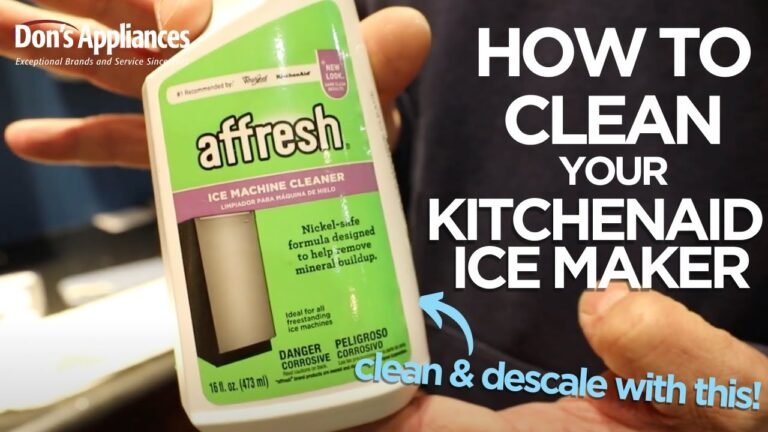
Introduction to Ice O Matic Ice Machine Cleaning
Keeping your Ice O Matic ice machine clean is key for fresh and safe ice. Regular cleaning helps avoid scale buildup and bacteria growth. This guide explains the proper ice machine cleaning process and maintenance tips.
Industry experts recommend following a strict ice machine cleaning schedule. For more detailed guidance, resources like Ice-O-Matic official site offer useful instructions.
Why Clean Your Ice Machine?
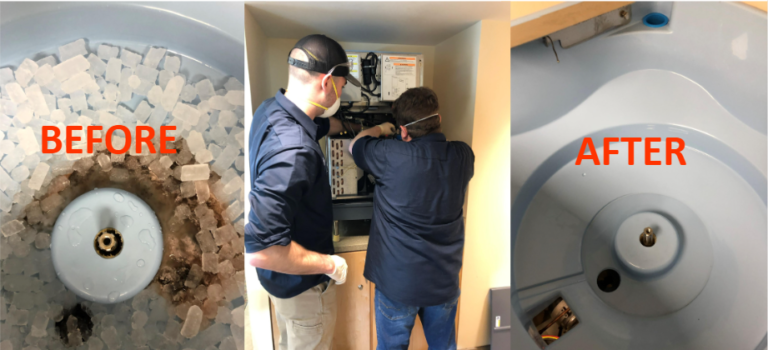
Ice machines can build up lime scale and dirt. This leads to contamination and poor ice quality. Bacteria can grow in dirty water lines and ice bins. Cleaning prevents this and keeps your machine running well.
Ignoring cleaning lowers ice output and can cause costly repairs. Cleaning removes deposits on the condenser coils and inside parts, improving efficiency and safety.
Following manufacturer guidelines ensures safe cleaning and avoids damage. Proper maintenance also protects your investment in a commercial kitchen.
Ice O Matic Ice Machine Cleaning Process
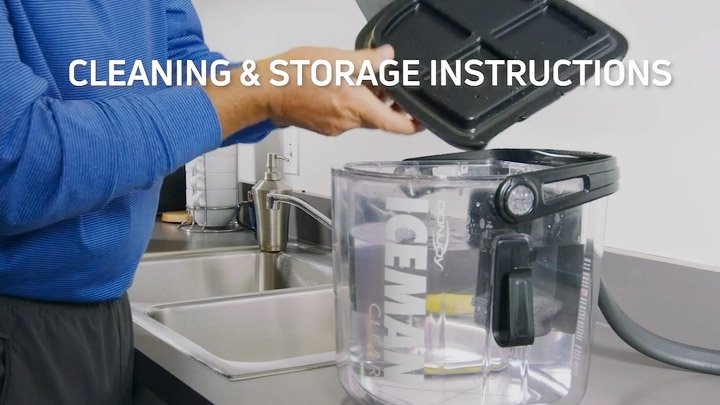
Start by turning off and unplugging the machine. Remove ice and drain water. Use an ice machine cleaning kit with a safe cleaning solution or a mild vinegar mix.
Clean the water lines, ice bin. And hopper with the solution. Scrub all surfaces gently to remove scale and slime. Rinse thoroughly to avoid chemical residue.
Sanitize the machine parts to kill any bacteria. Replace the ice machine filter as needed. Let the machine dry before turning it back on.
For a deeper understanding of this mechanic, analyzing resources on Ice-O-Matic Cleaning Instructions provides excellent foundational context.
Step-by-Step Ice O Matic Cleaning
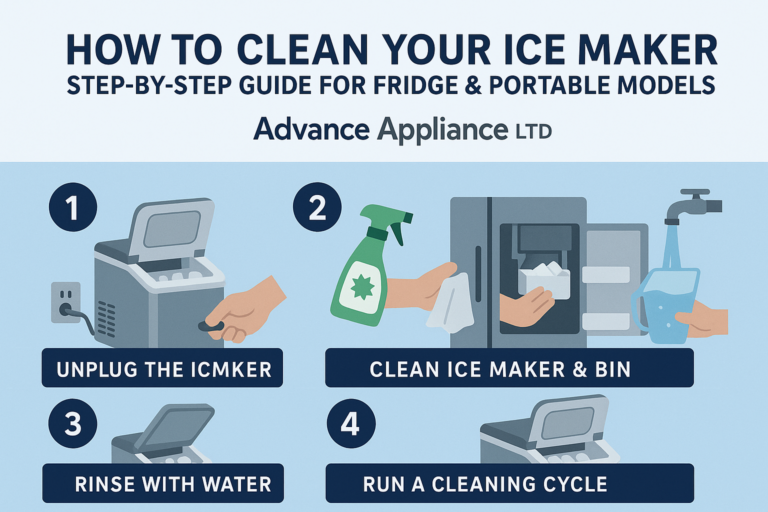
- Turn off and unplug the ice machine.
- Remove all ice and drain water.
- Apply cleaning solution to water lines and parts.
- Scrub ice bin and hopper surfaces.
- Rinse parts thoroughly with clean water.
- Sanitize components with approved sanitizer.
- Replace water filter if due.
- Reassemble and dry machine before use.
Following these steps regularly avoids major problems and keeps ice fresh and safe.
Removing Scale from Ice Maker
Scale forms from minerals in water. It can block water flow and reduce ice quality. Use a descaling ice machine parts solution made for ice makers.
Apply the solution as per instructions. Let it sit to dissolve lime scale. Then scrub and rinse well. Avoid harsh chemicals that can harm machine parts.
Regular descaling extends the machine’s life and keeps ice pure. Keep an eye out for signs ice machine needs cleaning, such as slow ice production or odd tastes.
Pros and Cons of Vinegar for Cleaning
- ✅ Pros: Affordable, natural, effective on light scale.
- ✅ Cons: May damage seals if used too often, slower than commercial descalers.
While vinegar is common, sticking to manufacturer-approved products is safest for your ice machine.
Sanitizing Ice Machine Components
Sanitizing removes germs that cause contamination. Use food-safe sanitizers on the ice bin, hopper. And water lines. Follow contact time instructions for best results.
Always rinse after sanitizing to ensure no chemical taste remains. Clean and sanitize prevent bacteria buildup and keep ice safe for customers.
Proper sanitizing is part of the best practices for ice machine hygiene. It is especially important in commercial kitchens.
Frequency of Ice Machine Cleaning
Industry consensus indicates cleaning every 3 to 6 months is ideal. However, heavy use or hard water may require more frequent cleaning.
Set a maintenance schedule that fits your environment. Replace the water filter regularly to support this schedule. A clean filter reduces scale and improves water quality.
Check the machine often. Signs like slow ice production or odd smells mean it’s time to clean. Keeping up with cleaning avoids costly fixes later.

How to Clean Ice Machine Condenser
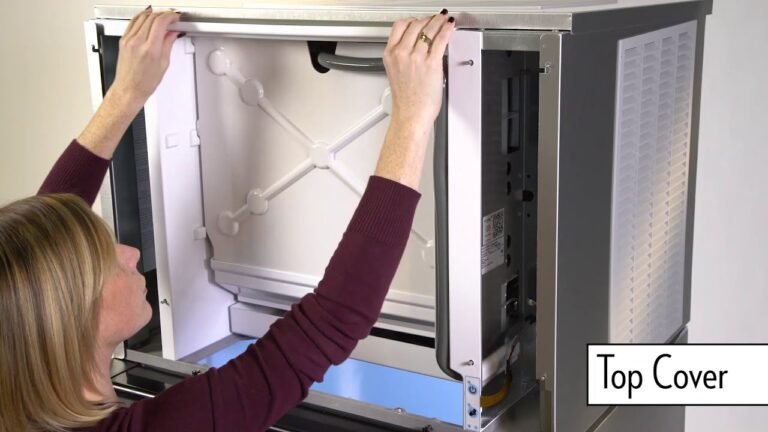
The condenser coils must be clean to keep the machine cool. Dust and grime reduce efficiency and can cause overheating.
Turn off the machine and vacuum or brush the coils gently. Avoid bending the fins. Clean coils increase ice production and save energy.
Include coil cleaning in your regular maintenance routine to prevent failures and keep your ice machine running smoothly.
| Component | Cleaning Frequency | Notes |
|---|---|---|
| Ice Bin and Hopper | Monthly | Prevent contamination |
| Water Lines and Filter | Every 3 months | Replace filter regularly |
| Descaling Parts | Every 6 months | Depends on water hardness |
| Condenser Coils | Quarterly | Keep coils free of dust |
Keeping this schedule helps maintain ice quality and machine health. Adjust based on your usage and water conditions.
Using a professional ice machine cleaning service once a year can also help ensure thorough maintenance. They have special tools and chemicals to clean hard-to-reach parts safely.
Ice Machine Cleaning Safety Tips
Always unplug the machine before cleaning to avoid electric shock. Use gloves and eye protection when handling cleaners and sanitizers.
Follow all label instructions and manufacturer guidelines. Avoid mixing different cleaning chemicals to prevent harmful reactions.
Never use bleach or harsh chemicals unless recommended. Use only safe cleaning products for ice machines to avoid damage and contamination.
Ice Machine Cleaning Safety Checklist
- Unplug machine before cleaning
- Wear protective gloves and goggles
- Use manufacturer-approved cleaning solutions
- Rinse thoroughly after cleaning
- Follow contact times for sanitizers
Adhering to these tips keeps you safe and your ice machine in top shape.
Conclusion
Cleaning your Ice O Matic ice machine is essential for safe, fresh ice and machine longevity. Follow a regular cleaning schedule that includes descaling, sanitizing. And condenser care.
Use safe products and follow manufacturer instructions carefully. Replace water filters on time to improve water quality and reduce scale buildup.
Proper maintenance prevents contamination and costly repairs. For ongoing success, consider professional cleaning services yearly. Your ice machine will work better and your customers will enjoy cleaner, safer ice.
For further tips on how often to clean commercial ice machine and best practices, check our detailed guide on recommended cleaning frequency.
| Solution Type | Effectiveness | Safety | Cost |
|---|---|---|---|
| Commercial Descaler | High | High (if used properly) | Moderate |
| White Vinegar | Medium | Medium (can damage seals) | Low |
| Bleach (Not Recommended) | High | Low (corrosive) | Low |
Choosing the right cleaner protects your machine and ensures effective scale removal.
Remember, keeping your ice machine clean is part of overall commercial kitchen hygiene. It safeguards public health and your business reputation.
| Sign | Cause | Action |
|---|---|---|
| Slow Ice Production | Scale buildup | Descale and clean machine |
| Unusual Ice Taste or Smell | Bacteria or contamination | Sanitize and clean water lines |
| Ice Machine Overheating | Dirty condenser coils | Clean coils and vents |
| Visible Deposits or Dirt | Lime scale or slime | Scrub ice bin and hopper |
Act quickly when you see these signs to maintain ice quality and machine health.
Frequently Asked Questions
How often should I clean my Ice O Matic ice machine?
You should clean your Ice O Matic ice machine every 3 to 6 months, or more often if you notice scale buildup or ice contamination.
What is the best way to remove scale from an ice maker?
Use a manufacturer-recommended descaling solution or a safe vinegar mixture to dissolve lime scale and mineral deposits.
Can I use vinegar to clean my Ice O Matic ice machine?
Yes, vinegar can be used to clean some parts, but always check manufacturer guidelines to avoid damage and ensure safe cleaning.
Why is sanitizing ice machine components important?
Sanitizing removes bacteria and prevents contamination, keeping the ice safe for consumption and maintaining machine performance.
Should I replace the ice machine water filter regularly?
Yes, replacing the water filter as per the cleaning schedule improves ice quality and prolongs the life of your ice machine.

Keith Boyd Is A Seasoned Appliance Care Expert With Over A Decade Of Experience In Home Appliance Maintenance. His Authoritative Insights On Washing Machine Care And Upkeep Are Trusted By Homeowners Nationwide. With A Passion For Educating Others, Keith Shares Valuable Tips That Ensure Your Appliances Run Smoothly For Years To Come.