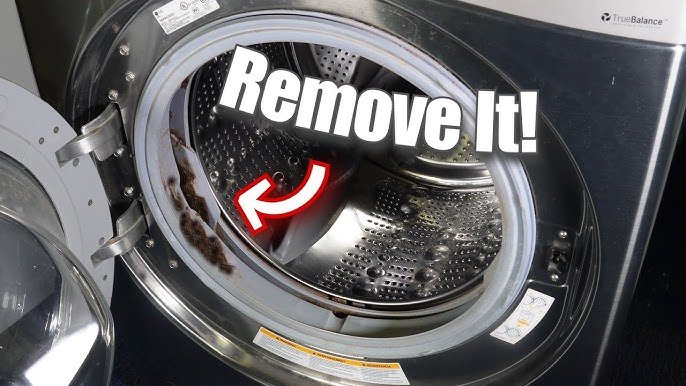
Understanding the Washing Machine Agitator
The agitator is the center post in many top-load washers. It moves clothes during wash cycles. Over time, detergent residue, fabric softener. And dirt build up on and inside it. This buildup can cause odors and mold growth. Keeping the agitator clean is key for fresh laundry and machine health.
Industry consensus indicates that maintaining your agitator’s hygiene helps avoid smell issues. Cleaning the agitator regularly prevents mildew and keeps the washing machine drum fresh. For a deeper understanding of this mechanic, analyzing resources on cleaning inside of washing machine agitator provides excellent foundational context.
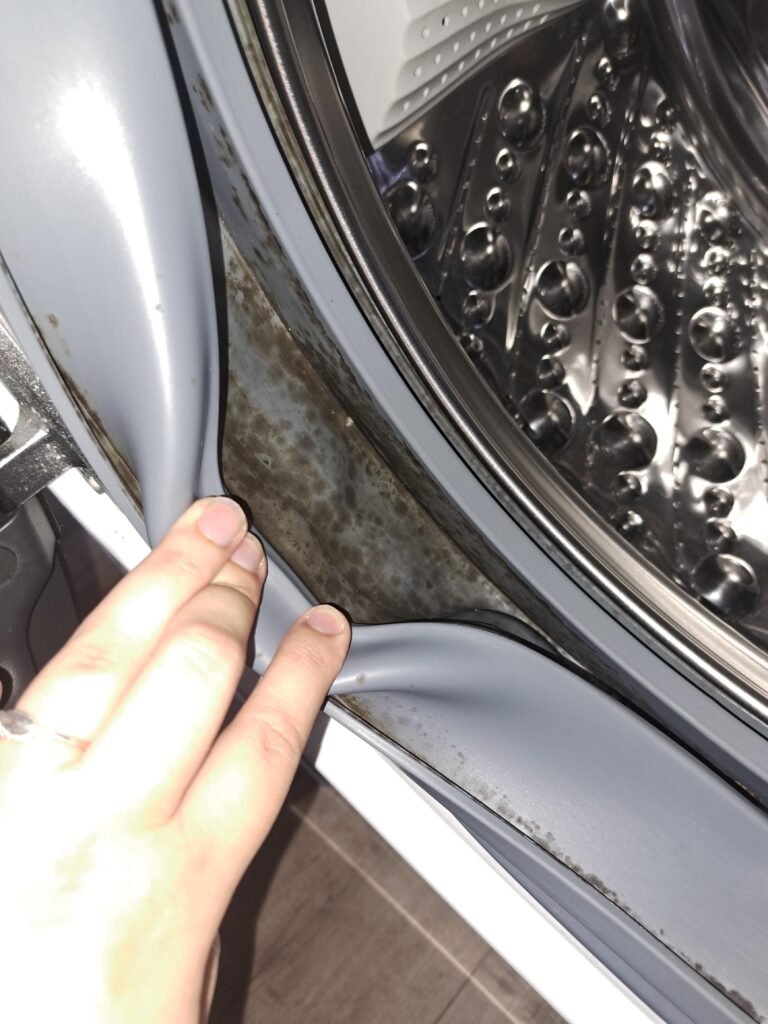
Routine washing machine care also extends to seals and rubber gaskets around the agitator. These spots often trap grime and mildew.
Preparing for Agitator Cleaning
Before cleaning, unplug your washing machine to avoid shocks. Remove any clothes or items inside the drum. Gather cleaning supplies like white vinegar, baking soda, a cleaning brush. And towels. If you plan to disassemble the agitator, have a screwdriver ready.
Check your washing machine’s manual for specific agitator removal steps. Disassembly helps remove hidden mold and detergent buildup. If unsure, cleaning without tools is also effective for surface grime and odors.
Removing and Cleaning the Agitator
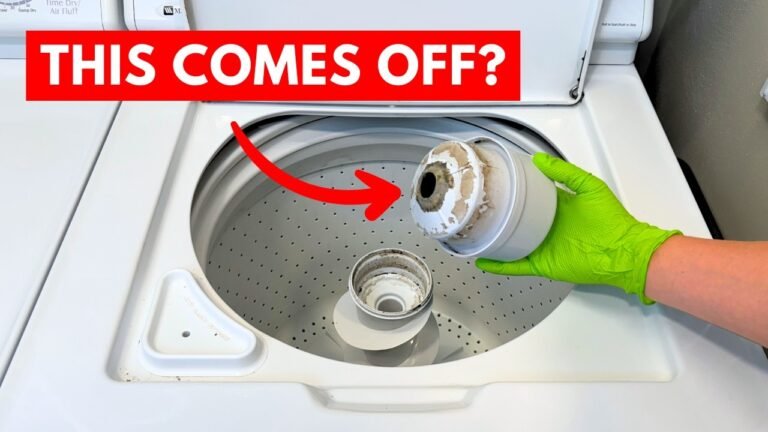
To disassemble agitator washing machine parts safely, locate the bolt or screw at the center base. Use a screwdriver to remove it. Then gently pull the agitator out. Some models have a cap that needs to come off first.
Once removed, soak the agitator in a mixture of warm water and vinegar for 30 minutes. This helps loosen detergent residue and kills mold. Scrub the agitator with a cleaning brush, paying close attention to crevices and fabric softener buildup. Rinse thoroughly with water.
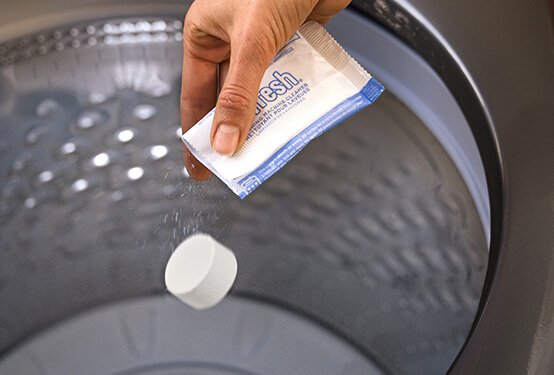
If you want to clean the agitator without tools, run a cleaning cycle with vinegar and baking soda. Add two cups of white vinegar and half a cup of baking soda to the drum. Let the machine run on hot water. This cleans the agitator internally and removes odors.
Washing machine internal cleaning helps eliminate mildew and keeps the agitation mechanism free from grime.
For detailed help on cleaning the agitator, the Whirlpool guide on cleaning a washing machine agitator offers clear steps.

Cleaning Other Washing Machine Parts
Don’t forget the washing machine drum and detergent dispenser. Detergent residue often builds up here. Use a cloth and vinegar solution to wipe these areas. Clean rubber gaskets and seals around the door and agitator base to remove mold and mildew.
Keep the lint trap clean to avoid clogs and odors. Regularly check hoses and water inlet valves for blockages. These parts affect water flow and cleaning power.
| Washing Machine Part | Common Issue | Cleaning Solution |
|---|---|---|
| Agitator | Detergent buildup, mold | Vinegar soak, brushing |
| Drum | Residue, odors | Vinegar & baking soda cycle |
| Rubber Gasket | Mold, mildew | Bleach or vinegar wipe |
Cleaning washing machine parts regularly helps keep your laundry fresh and your machine running well.
Tips to Remove Washing Machine Odors
Persistent odors often come from mildew inside the agitator or drum. To get rid of washing machine smell, run a monthly cleaning cycle with high water temperature. Use natural cleaners like vinegar and baking soda for safe mold removal.
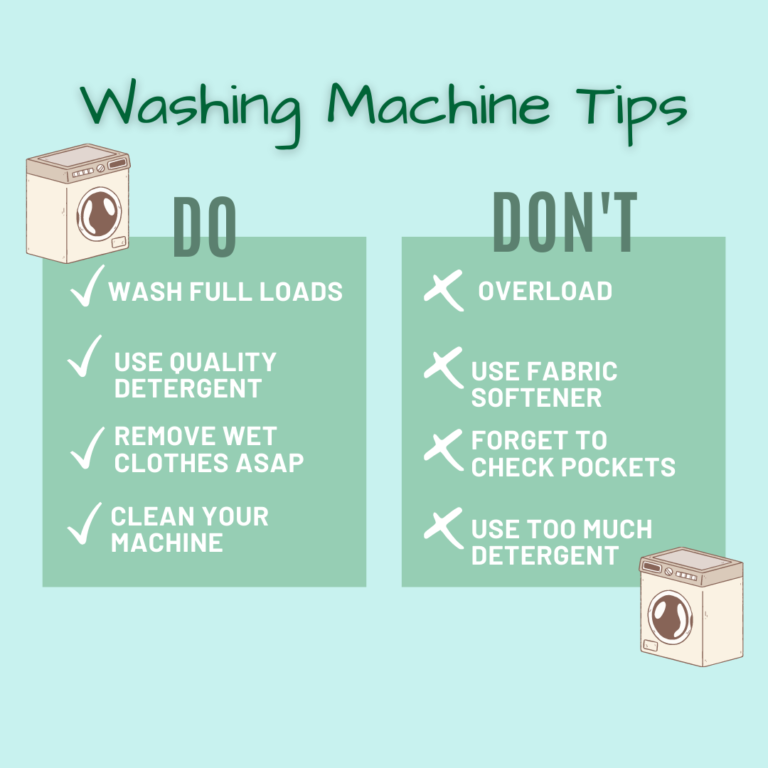
After cleaning, leave the door open to let the drum dry. This stops mildew growth. Also, avoid using too much detergent or fabric softener, which cause buildup and odors. Instead, follow manufacturer guidelines for detergent amounts.
Here is a checklist of quick odor-fighting tips:
- ✅ Run a hot water cleaning cycle monthly
- ✅ Use vinegar and baking soda mix
- ✅ Wipe seals and rubber gaskets
- ✅ Leave door open after use
- ✅ Clean lint trap regularly
Agitation Mechanism Maintenance
The agitation mechanism needs care to keep working smoothly. Check the agitator for cracks or loose parts. Tighten screws if needed. Lubricate moving parts if your model allows it, using recommended products.
Regular maintenance avoids costly repairs. Follow a maintenance schedule to clean internal parts every few months. This prevents detergent residue and mold from damaging the mechanism.

Industry experts recommend combining DIY washing machine cleaning with professional check-ups for best results.
Safe DIY Cleaning Solutions
Home solutions like white vinegar and baking soda work well on washing machine mold removal. Vinegar kills bacteria and loosens residue. Baking soda deodorizes and acts as a mild scrub.
Mix half a cup of baking soda with two cups of vinegar for a cleaning cycle. Let the machine run on the hottest setting. This method is safe for most machines and eco-friendly.
If you want to remove residue from agitator fabric softener areas, use a soft brush dipped in vinegar. Avoid harsh chemicals that might damage rubber gaskets or seals.
For more on safe cleaning solutions, see the guide on how to clean agitator in washing machine.
Conclusion
Cleaning inside your washing machine agitator is essential. It removes mold, mildew, detergent buildup. And odors. Use simple tools and safe solutions like vinegar and baking soda. Disassemble the agitator carefully if needed, following your manual.
Regular washing machine maintenance keeps your laundry fresh and your machine lasting longer. Remember to clean seals, drum. And lint traps as part of your routine care. By following expert tips and using effective cleaning cycles, you can maintain a hygienic and odor-free washing machine in 2026 and beyond.
Start your cleaning routine today and enjoy fresher clothes and a healthier home.
Frequently Asked Questions
Why is it important to clean the washing machine agitator?
Cleaning the agitator removes mold, mildew, and detergent buildup that cause odors and reduce washing efficiency.
Can I clean the agitator without tools?
Yes, many parts of the agitator can be cleaned using household items like vinegar, baking soda, and a cleaning brush without disassembly.
How often should I clean the washing machine agitator?
Experts recommend cleaning the agitator every 3 to 6 months, depending on use and water hardness, to maintain good hygiene.
What is the best cleaning solution for washing machine mold?
A mixture of white vinegar and baking soda is highly effective for removing mold and mildew inside the agitator and drum.
Is it safe to disassemble the agitator for cleaning?
Yes, but only if you follow the manufacturer’s instructions and use proper tools. Improper disassembly can damage the mechanism.

Michael Peterson is a home appliance writer focused on practical washing machine care, maintenance, and troubleshooting. He shares simple, reliable tips to help readers keep their washing machines running efficiently, avoid common problems, and extend appliance life.