Optimal Washing Machine Settings for Towels
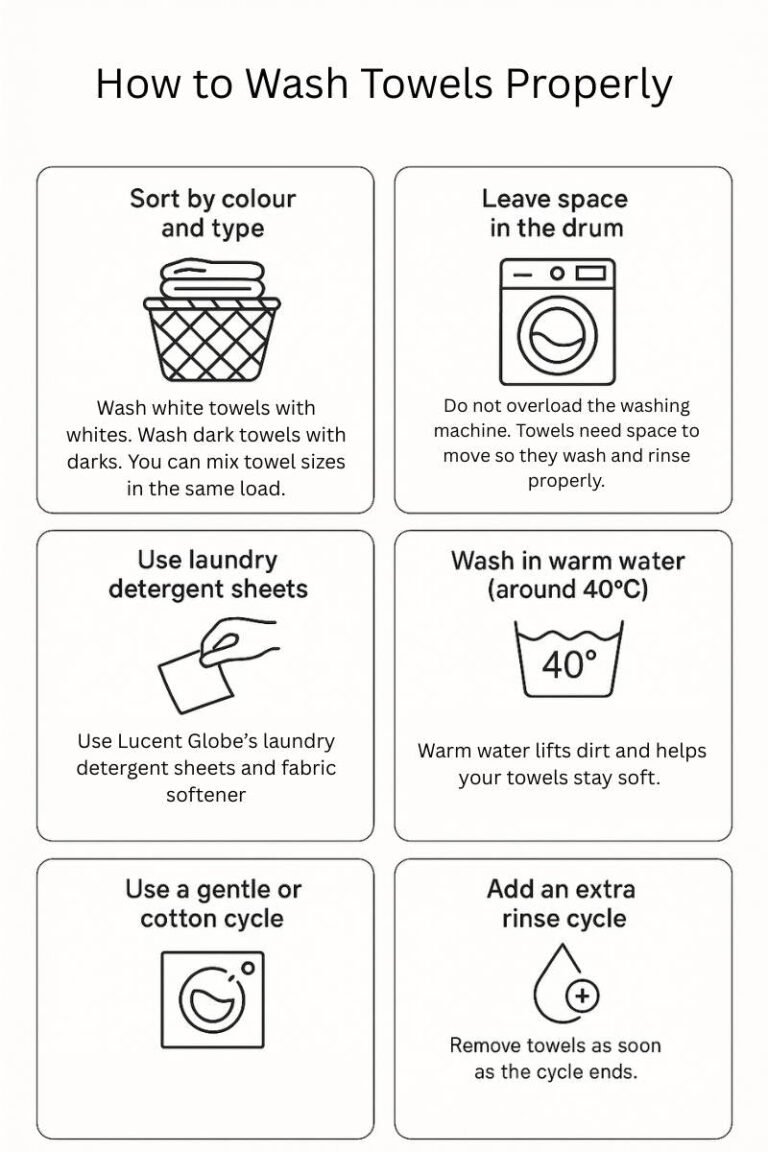
To wash towels properly, start by selecting the right washing machine settings. Most modern machines have a towel cycle designed to clean thick cotton fibers well. Use this setting if available. It usually includes a longer wash time and higher water temperature to remove dirt and bacteria.
Choose a warm water temperature between 40 to 60 degrees Celsius. Warm water helps kill germs and removes oils without harming towel fibers. Avoid very hot water unless towels are white and heavily soiled, as it can weaken fibers over time.
Spin cycle speed matters too. A higher spin speed removes more water. This shortens drying time. But ensure the speed does not damage delicate towels like microfiber or synthetic blends.
For more on washing machine functions, explore this detailed guide on the washing machine drum. It explains how the drum movement helps clean fabrics efficiently.
🚀 Beginner Tip: Always check your washing machine manual for specific towel wash advice to get the best results.
Choosing the Best Detergent for Towels
Detergent choice is key for clean, soft towels. Experts recommend using a mild liquid detergent without added fabric softeners. These detergents clean well without leaving residue on fibers.
Use the right detergent amount. Too much detergent leaves buildup that traps odor and reduces towel absorbency. Follow detergent package instructions and adjust for load size and water hardness.
For heavily soiled towels, a detergent with stain removal enzymes is helpful. Avoid bleach for colored towels as it can cause fading and fiber damage.
For a deep dive into detergent types and amounts, see this resource about how to clean washing machine mold smell. It covers detergent effects on machine and fabric health.
Washing Towels Separately and How Often
Always wash towels separately from clothes. Towels shed lint that can stick to other fabrics. Washing them alone prevents lint transfer and improves cleaning.
Washing towels too often wears out fibers. Industry consensus suggests washing towels after 3-4 uses, or weekly, to keep them fresh without excess damage.
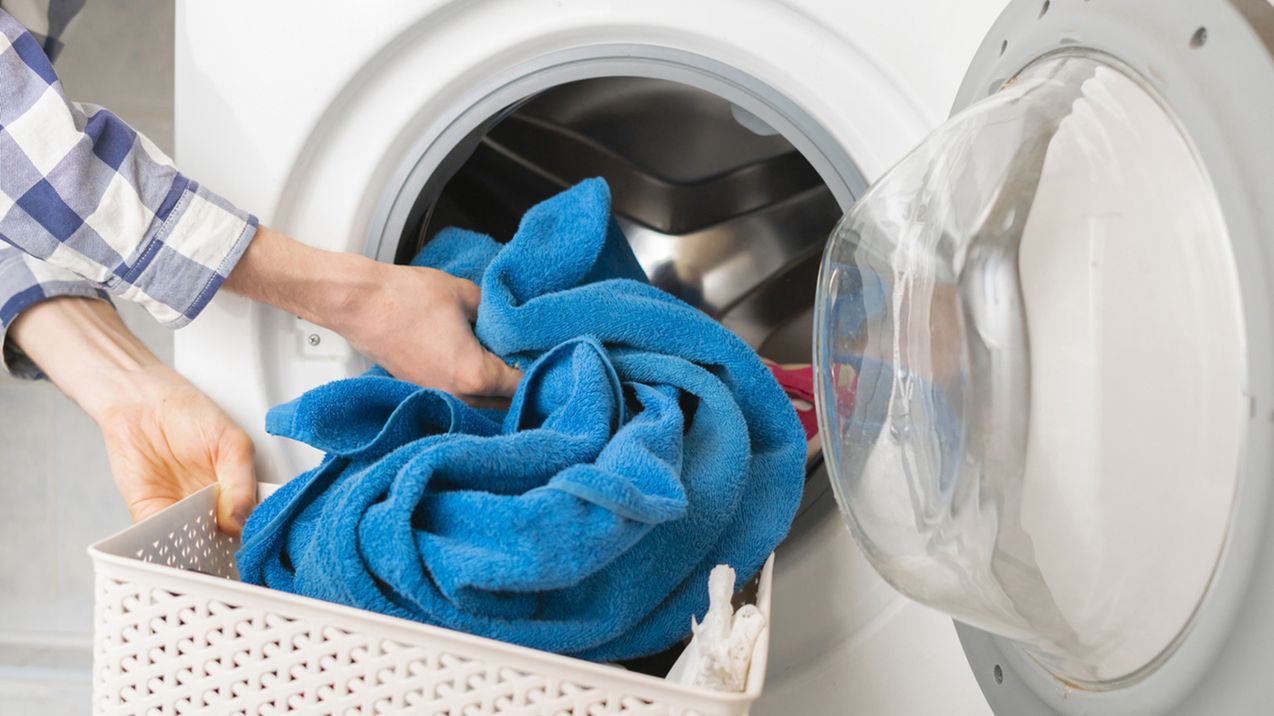
:max_bytes(150000):strip_icc()/how-to-wash-towels-01-5665690-90548468a8ba4e868d4baf22cb129a9e.jpg "How to Wash Towels to Keep Them Soft and Smelling Fresh (Figure)")
Heavy duty washes are ideal for towels since they remove oils and bacteria effectively. Use the washing machine’s heavy duty or cotton cycle if available.
💬 Expert Insight: Overloading the washing machine reduces cleaning power. Keep loads medium size for thorough washing and rinsing.
How to Avoid Towel Lint
Towel lint can be a nuisance. To reduce lint, avoid mixing towels with lint-producing fabrics. Also, shake towels before placing them in the washer to loosen loose fibers.
Use the correct washing machine cycle designed for towels, as this controls agitation to prevent excess lint release. Clean the lint filter on your machine regularly to maintain efficiency.
Using too much detergent can cause lint buildup. So measure carefully. Skip fabric softener. This can add to lint problems.
For deeper tips from users, check out the towel washing routine shared on Reddit Cleaning Tips.
Towel Drying Tips and Softening Towels
Proper drying keeps towels soft and fluffy. After washing, shake towels to loosen fibers and then dry them on a drying rack or tumble dryer at medium heat.
Avoid high dryer heat. This can weaken fibers and cause shrinkage. Line drying in sun also helps sanitize towels naturally.
Fabric softener is not recommended for towels as it coats fibers and reduces absorbency. Instead, add half a cup of white vinegar to the rinse cycle to soften towels and remove odors.
⭐ Expert Insight: Avoid ironing towels. Heat can crush towel loops, making them rough.
Removing Towel Odor and Maintaining Hygiene
Towel odor often comes from bacteria and detergent residue. Use warm water wash cycles and avoid detergent overload to prevent smells.
Sanitize towels occasionally by adding a cup of bleach for white towels or using a laundry sanitizer product for colored towels. This kills odor-causing bacteria.

Dry towels thoroughly after washing to stop mildew growth. Store them in a dry place.
For detailed towel care instructions and sanitizing processes, visit Whirlpool’s towel washing guide.
Washing White Towels
White towels need special care to stay bright. Use warm or hot water cycles with non-chlorine bleach or oxygen-based whitening agents to keep whites fresh.
Avoid mixing white towels with colored fabrics to prevent color transfer. Wash whites separately with heavy duty settings.
Below is a table summarizing washing settings for different towel types:
| Towel Type | Water Temp | Cycle | Detergent |
|---|---|---|---|
| Cotton Towels | Warm (40-60°C) | Towel/Heavy Duty | Mild liquid detergent |
| White Towels | Hot (60°C+) | Heavy Duty | Mild detergent + bleach |
| Microfiber Towels | Cold to warm (30-40°C) | Gentle | Liquid detergent, no softener |
Remember, follow manufacturer washing instructions on towel labels for best results.
Preventing Towel Wear and Tear
To keep towels lasting longer, avoid harsh bleach and fabric softeners. Wash towels in medium loads and choose the right cycle to reduce friction.
Turn towels inside out if possible to protect fibers. Remove stains quickly using mild stain removers compatible with towels.
Do not overload your washing machine. Overloading stresses towel fibers and reduces cleaning effectiveness.
✅ Checklist for Towel Care:
- ✅ Wash towels separately
- ✅ Use warm water and mild detergent
- ✅ Skip fabric softener
- ✅ Dry towels fully before storing
- ✅ Use heavy duty cycles for deep cleaning
Common Towel Washing Myths Debunked
One myth says fabric softener makes towels softer. Actually, softener coats fibers and lowers absorbency. Vinegar is a better softening alternative.
Another myth is washing towels in cold water saves energy without issues. While cold water saves energy, it may not kill bacteria or remove oils well. Warm water is better for hygiene.
Washing towels less often to save wear is false too. Dirty towels hold bacteria and odors. So washing every few uses is important for health.
For a wider perspective on towel washing tips, watch this How to Wash White Towels video.
Summary of Best Towel Washing Practices
Washing towels well means using the correct machine settings, detergent. And washing frequency. Warm water, mild detergent. And heavy duty cycles clean best. Avoid fabric softeners to keep towels absorbent.
Dry towels properly to avoid odors and fiber damage. Separate towels from clothes and do not overload the washer. Occasionally sanitize to keep towels fresh and hygienic.
Following these towel care instructions will extend towel life and keep them soft and clean for daily use.
| Step | Action |
|---|---|
| 1 | Sort towels by color and fabric type |
| 2 | Choose warm water and towel or heavy duty cycle |
| 3 | Use mild liquid detergent, avoid fabric softener |
| 4 | Wash towels separately from clothes |
| 5 | Dry towels fully on drying rack or medium heat |
Always read towel washing labels and your washing machine manual. For more ideas on keeping your washing machine fresh and efficient, see this article on cleaning washing machine mold smell.
| Tip | Reason |
|---|---|
| Use vinegar in rinse cycle | Softens towels and removes odors |
| Wash towels every 3-4 uses | Maintains hygiene and freshness |
| Avoid fabric softener | Preserves towel absorbency |
| Dry towels completely | Prevents mildew and odor |
| Do not overload washer | Ensures thorough cleaning |
Frequently Asked Questions
What is the best detergent for towels?
The best detergent for towels is one that is gentle yet effective at cleaning, preferably liquid detergent with no added fabric softeners or scents to keep fibers soft and absorbent.
How often should towels be washed?
Towels should be washed every three to four uses or weekly to maintain hygiene and prevent odor buildup.
Can fabric softener be used on towels?
Using fabric softener on towels is not recommended as it can reduce absorbency by coating towel fibers.
What washing temperature is best for towels?
A warm water cycle around 40–60°C (104–140°F) is best to clean towels effectively without damaging the fibers.
How can I avoid towel lint in the wash?
To avoid lint, wash towels separately, avoid overloading the machine, and use the proper washing machine settings for towels.

Michael Peterson is a home appliance writer focused on practical washing machine care, maintenance, and troubleshooting. He shares simple, reliable tips to help readers keep their washing machines running efficiently, avoid common problems, and extend appliance life.