Understanding Wool Fiber Characteristics
Wool is a natural fiber known for its warmth and softness. Its structure has tiny scales that can catch when agitated. This can lead to felting, where fibers mat together and shrink. That is why care is key when washing wool to keep its look and feel.
Wool also absorbs moisture well but can lose shape if washed too harshly. Knowing these traits helps in picking the right washing method and settings to avoid damage.
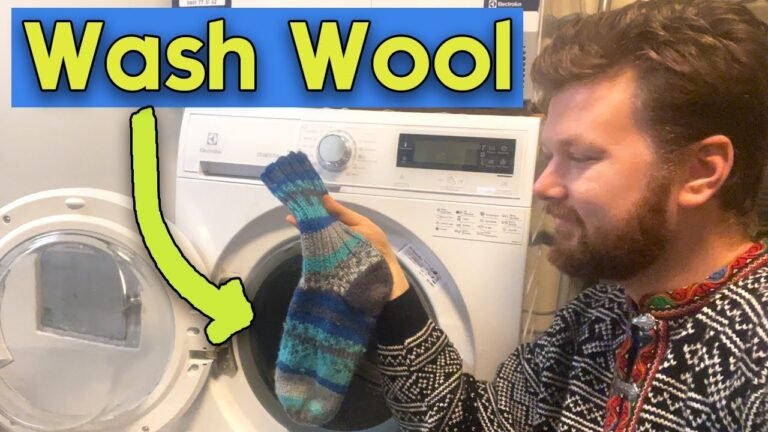
For a deeper understanding of this mechanic, analyzing resources on how to wash wool provides excellent foundational context.
Machine Wash Wool Cycle: What You Need to Know
Many modern washing machines feature a dedicated wool or delicate cycle. This cycle uses gentle agitation and cold water to limit damage. It is designed to protect wool fibers from harsh movements that cause felting and shrinkage.
Using this cycle with a wool-safe detergent can make machine washing wool safer. However, it is vital to check the garment’s laundry label. Some wool garments still require hand washing or dry cleaning despite having machine-washable blends.
In fact, industry consensus indicates that following the official laundry instructions is the best practice for wool fabric maintenance. For more on related delicate fabric washing, see our guide on can u wash pillows washing machine.
Choosing the Right Wool Detergent Types
Wool fibers need special care with detergents. Regular detergents can be too harsh and strip natural oils. Wool detergents are gentle and help keep fibers soft and intact. They also avoid residue buildup, which can harm wool’s breathability.
Using a suitable wool detergent is one of the best practices for wool laundry. Avoid using fabric softeners as they can coat and weaken fibers, leading to quicker wear.
Always measure detergent properly and avoid overloading the washing machine to keep wool garments safe.
Temperature for Washing Wool: Why Cold is Best
Heat is a main cause of wool shrinkage and felting. When wool is exposed to hot water, fibers swell and lock together. This causes wool shrinkage and makes the garment stiff.
Cold water keeps fibers stable and reduces stress. It also helps keep colors bright. Always select cold or cool water settings for washing wool in machines or by hand.
Using warm or hot water is a common wool washing myth that leads to ruined garments. Stick to cold water for the best results.
Hand Washing Wool Sweaters: When Machine Wash Isn’t Enough
Hand washing remains the safest method for pure wool sweaters. It allows gentle soaking and avoids the machine’s spinning forces. Gently press the water through the fabric without wringing.
Use cold water and wool detergent. Rinse carefully and avoid twisting the sweater. This method reduces shrinkage and felting risks while extending wool clothing lifespan.
Hand washing is ideal for delicate or vintage wool items where machine washing is not recommended.
Dry Cleaning Wool: Pros and Cons
Dry cleaning is often chosen for expensive or structured wool garments. It uses solvents instead of water to clean. This avoids shrinkage and felting.
However, dry cleaning can be costly and uses chemicals that may harm the environment. It also may not remove all stains as well as washing. For many wool blends, machine washing on a wool cycle is a good alternative.
Choosing between dry cleaning and machine wash depends on the wool fabric care label and garment’s use.
Wool Shrinkage Prevention Tips
Preventing wool shrinkage requires controlling water temperature, agitation, and drying methods. Use cold water and gentle cycles in machines.
Do not overload the washer as this can cause rough movements. Avoid hot dryers; instead, air dry wool flat on a towel to keep shape. Follow garment instructions closely.
Industry experts advise prompt removal from the machine to avoid wrinkles and fiber stress.
Best Wool Washing Machine Settings
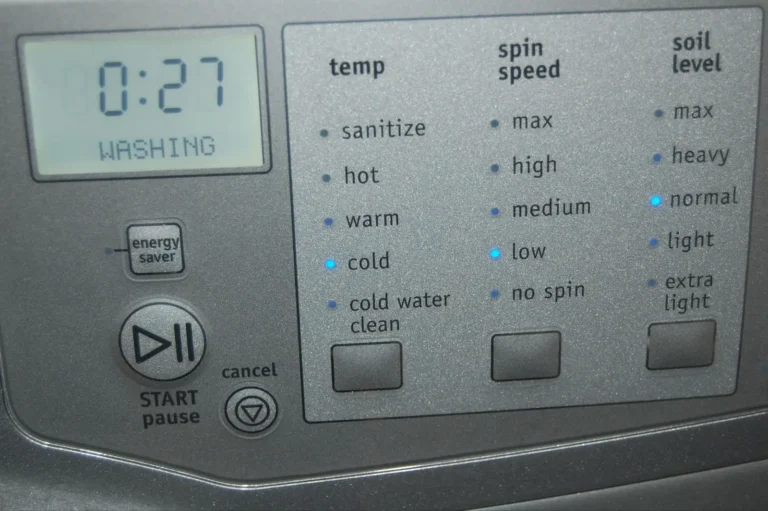
Modern washers offer various settings for delicate fabrics. For wool, select the wool or delicate cycle. Set water to cold and spin speed to low or no spin.
Use gentle agitation to avoid felting. Add wool detergent to the proper dispenser. Avoid fabric softener unless the label allows it.
These settings help extend the wool garment’s lifespan and keep fabric soft.
Wool Garment Drying Methods
Drying wool correctly is as important as washing. Avoid tumble dryers as heat shrinks wool. Instead, lay garments flat on a dry towel.
Shape the wool garment gently to its original form. Air dry away from direct sunlight or heat sources to prevent color fading.
Proper drying prevents wool felting causes and maintains fabric softness and shape.
Machine Washable Wool Blends
Some wool blends mix natural and synthetic fibers. These blends can often handle machine washing better than pure wool.
Always check the care label. Use cold water and the wool cycle. These blends provide easier care with less risk of shrinkage.
Machine washable wool blends are popular for everyday wear due to their easy maintenance.
| Type of Wool | Machine Washable? | Recommended Care |
|---|---|---|
| 100% Wool | Sometimes | Wool cycle, cold water, wool detergent or hand wash |
| Wool Blends (with synthetics) | Usually | Wool or delicate cycle, cold water, wool detergent |
| Delicate Wool (Cashmere, Merino) | No | Hand wash or dry clean only |
Following these guidelines helps maintain wool fabric care and garment quality.
For more on wool washing machine settings and detailed care, see our article about can i wash stuffed animals machine for delicate fabric tips.
Common Wool Washing Myths
Many believe wool must always be dry cleaned or hand washed. While this is true for some, machine washing on the right cycle is safe for many wool blends.
Another myth is that fabric softener helps wool. In reality, it harms fibers and reduces wool’s natural properties.
Understanding wool fiber characteristics helps dispel these myths and guides safe washing practices.
Conclusion
Can wool be machine washed? The answer depends on the wool type and garment instructions. Pure wool needs careful handling, often best hand washed or dry cleaned. Machine wash wool cycle with cold water and wool detergent works well for machine washable wool blends.
Key wool care tips include using cold water, gentle agitation, and air drying flat. Avoid fabric softeners and hot temperatures to prevent shrinkage and felting. Following laundry instructions on labels ensures your wool garments last longer and stay soft.
For safe wool care, always check the label, use the right settings, and treat wool gently. This expert approach helps you enjoy wool’s comfort and style while keeping it in top shape.
Frequently Asked Questions
Is it safe to machine wash 100% wool?
Machine washing 100% wool can be risky. Use a wool or delicate cycle with cold water and gentle detergent to reduce shrinkage and felting risks.
What temperature is best for washing wool in a machine?
Cold water is best for washing wool in a machine. It helps prevent shrinkage and felting by avoiding heat stress on fibers.
Can fabric softener be used when washing wool?
It is best to avoid fabric softeners with wool. They can coat fibers and reduce breathability. Use wool-specific detergents instead.
How should machine washable wool blends be cared for?
Machine washable wool blends often handle gentle agitation and cold water well. Follow the garment’s laundry label and use wool-safe detergent.
When is dry cleaning preferred over machine washing wool?
Dry cleaning is preferred for delicate wool items or those with complex designs to avoid shrinkage and felting caused by water and agitation.

Keith Boyd Is A Seasoned Appliance Care Expert With Over A Decade Of Experience In Home Appliance Maintenance. His Authoritative Insights On Washing Machine Care And Upkeep Are Trusted By Homeowners Nationwide. With A Passion For Educating Others, Keith Shares Valuable Tips That Ensure Your Appliances Run Smoothly For Years To Come.