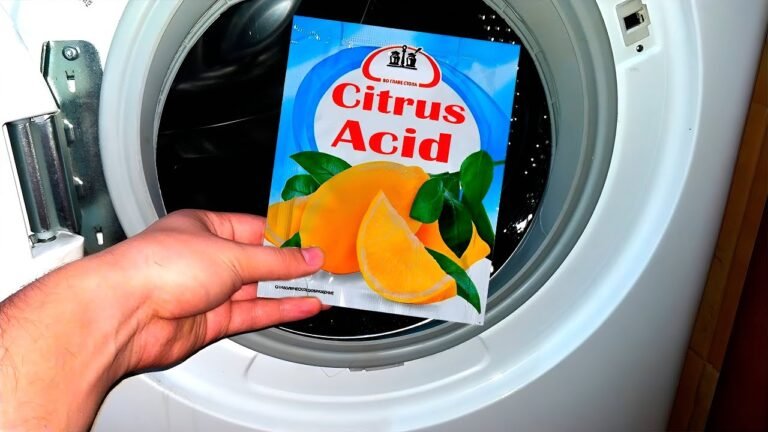
Why Clean Your Whirlpool Top Load Washer?
In our experience, a clean washing machine works better and smells fresher. Over time, soap scum, fabric softener residue, and mold can build up inside your Whirlpool top load washer. This buildup causes odors and may affect how well your clothes get clean. Doing regular laundry appliance maintenance keeps your washer running smoothly and your laundry fresh.
We found that cleaning your washer also saves energy. A clean machine uses less power and water because it works more efficiently. Plus, it can last longer when you take care of it well. For those who want to learn more about natural cleaning methods, we recommend checking out this guide on how to clean washing machine with vinegar.
Now, let’s dive into the simple steps to deep clean your Whirlpool top load washing machine.
How Often Should You Clean Your Washer?
We suggest cleaning your washer every 4 weeks or monthly. If you use your machine a lot or wash heavy-duty items, clean it more often. This stops mold and mildew before they get bad. Some people like to clean after every 10 loads, which also works well.
Keep an eye on your washer for any bad smells or visible dirt. These signs mean it’s time for a cleaning. Regular maintenance avoids big problems later.
Step-by-Step Guide to Clean Your Whirlpool Top Load Washer
We have tested many ways to clean our Whirlpool washer. Here is the best method that uses items you probably have at home.
- Empty the washer drum completely.
- Set your washer to the hottest water setting and the largest load size.
- Add 4 cups of white vinegar directly into the drum.
- Start the wash cycle and let it run for 1 to 2 minutes to mix the vinegar with water.
- Pause the cycle and let it sit for an hour to break down mold and soap scum.
- After an hour, restart the cycle and let it finish.
- Once done, add 1 cup of baking soda to the drum and run another hot water cycle.
- After the cycle, wipe down the inside of the drum, the agitator, and the lid with a clean cloth.
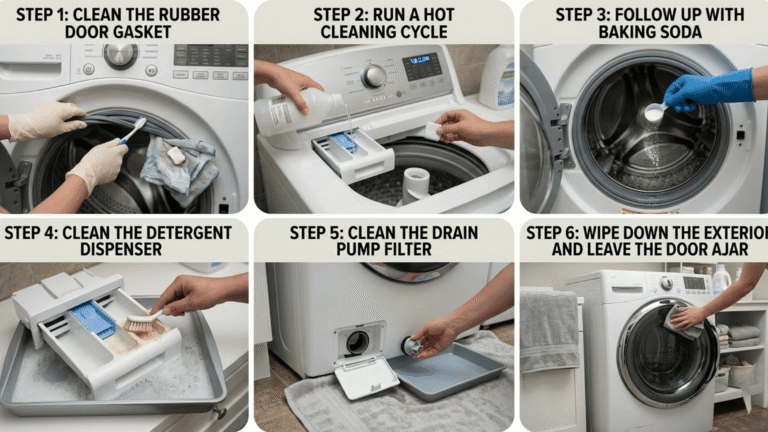
- Check and clean the lint filter and detergent dispenser to remove residue.
This method helps sanitize the washing machine tub and remove odors. Vinegar kills mold and mildew, while baking soda breaks down leftover detergent buildup.
For extra tough mold, gently scrub the washing machine drum and gaskets using a soft brush with vinegar. Always check your washing machine manual for any special care tips.
Tips to Prevent Mold and Odor in Your Washer
We have found these tips helpful to keep mold and odors away:
- ✅ Leave the lid open after every wash to air dry the drum.
- ✅ Use the right amount of detergent to avoid buildup.
- ✅ Clean the lint filter and detergent dispenser regularly.
- ✅ Run a hot water cleaning cycle monthly, even if you don’t see dirt.
- ✅ Wipe down washer gaskets and seals to stop mold growth.
These simple steps help your washing machine stay fresh and clean longer. They also improve its energy efficiency.
Best Whirlpool Washer Cleaning Products
Besides DIY solutions like vinegar and baking soda, there are special cleaning agents made for Whirlpool washers. We tried a few and found some work better than others.
Look for products that remove detergent buildup, sanitize the drum, and control mold. Many come with easy instructions for using during a cleaning cycle.
Remember to follow the product label carefully to protect your washer’s parts and keep it running well.
Washing Machine Cleaning Frequency Tips
Here is a quick guide we made for how often to clean different parts of your Whirlpool top loader:
| Washer Part | Recommended Cleaning Frequency |
|---|---|
| Drum and Tub | Monthly |
| Detergent Dispenser | Every 2 Weeks |
| Lint Filter | After Every 5 Loads |
| Washer Gaskets and Seals | Monthly |
Following this schedule keeps your washer in top shape. If you notice strong odors or mold, clean those parts more often.
Next, let’s look at some hacks to make cleaning even easier.
Washing Machine Cleaning Hacks We Love
We tested several hacks that save time and boost cleaning power:
- Add a cup of hydrogen peroxide with vinegar for extra mold killing.
- Use a toothbrush to reach tight spots in the detergent dispenser and seals.
- Run an extra rinse cycle after cleaning to wash away all residue.
- Use energy efficient washer cleaning cycles when available to save water and power.
These hacks help your Whirlpool washer stay clean with less effort.

Be sure to check your washer’s cycle settings for a special cleaning mode. Many Whirlpool washers have one that works with hot water and extra rinses.
Energy Efficient Cleaning Tips
In 2026, many washers are built to save energy. We found that using energy efficient cleaning cycles reduces water and power use. These cycles run longer with lower temperatures but still remove buildup well.
Using natural cleaners like vinegar also supports green living. They avoid harsh chemicals and are safe for your clothes and the environment.
Try to do full loads to save water and energy during cleaning and regular washes.
Common Cleaning Problems and How To Fix Them
Sometimes, you may face issues even after cleaning. Here are the common problems we saw and how to fix them:
| Problem | Cause | Fix |
|---|---|---|
| Persistent Odors | Mold in seals or drum | Scrub seals with vinegar; run extra cleaning cycles |
| Detergent Buildup | Using too much soap or wrong type | Use high efficiency detergent; clean dispenser often |
| Slow Drain | Clogged lint filter or drain hose | Clean lint filter; check and clear drain hose |
Knowing these fixes saves you time and keeps your washer working well.
Another key part of cleaning is taking care of the lint filter.
How to Clean the Lint Filter on Your Whirlpool Washer
We always check and clean the lint filter regularly. It stops lint and dirt from clogging your washer parts.
To clean the lint filter:
- Locate the lint filter as per your washer manual.
- Remove the filter gently.
- Rinse it under running water to clear lint and debris.
- Use a soft brush if needed to remove buildup.
- Put the filter back securely.
Cleaning the lint filter helps your washer drain well and reduces odors.
Final Thoughts on Whirlpool Top Loader Care
Keeping your Whirlpool top load washer clean is simple but important. We found that regular cleaning with vinegar and baking soda, plus monthly maintenance, stops mold and odors. It also helps your machine last longer and work better.
Try to follow the cleaning frequency table and use energy efficient cycles when possible. Don’t forget to clean the lint filter and detergent dispenser too.
For more detailed cleaning tips and user experiences, see the helpful community advice on Whirlpool top washer cleaning on Reddit.
Extra Resources and Visual Summary
Here is a quick visual table summarizing DIY cleaning ingredients we use:
| Ingredient | Purpose | How to Use |
|---|---|---|
| White Vinegar | Disinfects, removes mold | 4 cups in hot water cycle |
| Baking Soda | Breaks down detergent buildup | 1 cup in second hot cycle |
| Hydrogen Peroxide | Kills stubborn mold | Add with vinegar for tough spots |
Using these natural cleaners makes your washer safe and fresh. Remember to leave the lid open between washes to air dry.
We hope this guide helps you keep your Whirlpool top load washing machine clean and smelling great for many years.
Frequently Asked Questions
How often should I clean my Whirlpool top load washer?
For best results, clean your washer at least once a month to prevent mold, mildew, and detergent buildup.
Can I use vinegar to clean my washing machine?
Yes, white vinegar is a natural and effective cleaner that helps remove odors and kill mold in your washing machine tub.
What causes washing machine odors?
Odors often come from mold, mildew, soap scum, and leftover detergent or fabric softener residue inside the drum and seals.
Is it safe to run a hot water wash cycle to clean the washer?
Yes, running a cleaning cycle with hot water helps break down buildup and sanitize the washing machine drum.
How do I remove mold from my Whirlpool washer?
Use a mixture of white vinegar and baking soda with a cleaning cycle, and wipe down seals and detergent dispensers to remove mold.

Michael Peterson is a home appliance writer focused on practical washing machine care, maintenance, and troubleshooting. He shares simple, reliable tips to help readers keep their washing machines running efficiently, avoid common problems, and extend appliance life.