Understanding Musty Smells in Washing Machines
Musty smells in washing machines come from mold and mildew buildup inside the drum, gasket, or filter. These grow due to moisture accumulation and leftover detergent residue. Both front load and top load washers can develop this problem if not cleaned regularly.
Industry consensus indicates that poor water drainage and limited air circulation play key roles in this issue. Mold loves damp, dark places like the washing machine gasket or door seal. Understanding these causes is the first step to fixing the odor and keeping your washer fresh.
For a deeper understanding of this mechanic, analyzing resources on how to clean mildew from washing machine provides excellent foundational context.
Regular washing machine maintenance routine is vital to prevent musty smells and keep your laundry clean and fresh.
Initial Cleaning Steps to Remove Odors
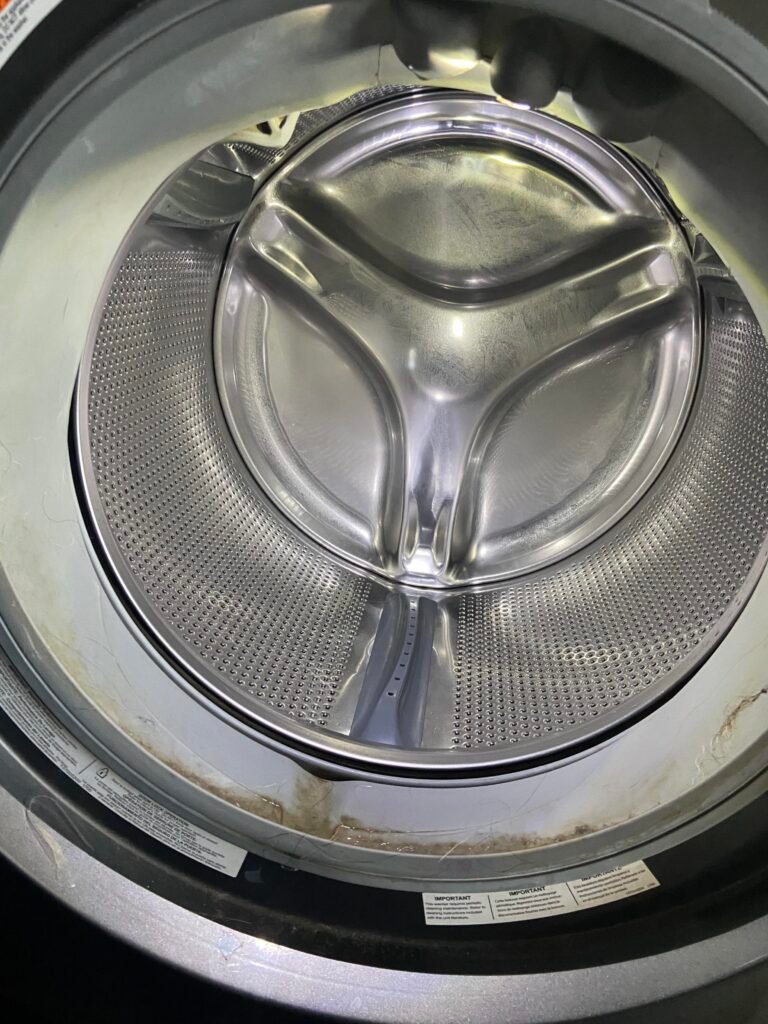
Begin by wiping down the washing machine gasket and door seal. Use a cloth soaked in a mix of white vinegar and water to clean grime and visible mold. This step helps remove the worst of mildew and soap scum buildup.
Next, clean the detergent dispenser drawer. Detergent residue can trap moisture and cause smells. Remove the drawer if possible and wash it with warm water and mild detergent. Dry it completely before reinserting.
Cleaning the washing machine filter is also important. It traps lint and debris that can cause odors if not cleared. Check your machine’s manual for the filter location and instructions. You can find detailed tips on how to clean filter on samsung washing machine for similar models.
Deep Cleaning Methods for Mold and Mildew
To tackle deeper mold and mildew, run a hot water cleaning cycle using natural agents. White vinegar and baking soda are effective and safe cleaners. Add 2 cups of white vinegar into the drum and run a hot water cycle without clothes.
After the vinegar cycle, sprinkle half a cup of baking soda inside the drum and run another hot cycle. This combination helps break down detergent residue and neutralize odors.
Important: Avoid mixing vinegar and bleach as it can produce harmful gases. Using bleach alone can be effective but must be done carefully according to manufacturer guidelines.
For a detailed approach on using vinegar and baking soda together, you can explore the guide on how to clean washing machine with vinegar and baking soda.
Cleaning Tips for Front Load vs Top Load Washers
Front load washers often develop mold around the washer door seal or gasket. Clean the gasket carefully using a cloth dipped in white vinegar. Pull back the seal to remove hidden mold and soap scum. Leave the door open after each wash to improve air circulation and reduce moisture.
Top load washers usually have less mold buildup but may accumulate soap scum and grime inside the drum and agitator. Clean the agitator by running a hot cycle with vinegar or a washing machine cleaner. Wipe down the drum and detergent compartments regularly.
Here is a simple comparison for cleaning front load and top load washers:
| Cleaning Aspect | Front Load Washer | Top Load Washer |
|---|---|---|
| Common Odor Source | Gasket mold and detergent residue | Soap scum and drum grime |
| Key Cleaning Step | Clean gasket and leave door open | Run hot water cycle with cleaner |
| Air Circulation | Keep door slightly open after use | Usually better air flow inside drum |
Regular washing machine drum cleaning tips improve the lifespan of both types and prevent musty smells.

Preventing Future Washing Machine Odor
Consistent washing machine maintenance routine is vital to stop odors from coming back. Always use the right amount of detergent to avoid residue buildup. Too much soap can leave deposits that feed mold and mildew.
After each wash, keep the washer drum and gasket dry. Leave the door or lid open to let air flow inside. This helps reduce moisture accumulation, the main cause of musty smells.
Regularly clean the washing machine filter and drain hose to ensure proper water drainage. This prevents water from sitting inside and causing odors. Using natural deodorizing agents like white vinegar monthly can keep the machine fresh.
Below is a checklist to maintain a fresh smelling washer:
- ✅ Use correct detergent amount
- ✅ Run monthly cleaning cycles with vinegar
- ✅ Wipe gasket and detergent drawer regularly
- ✅ Keep door open after use
- ✅ Clean washing machine filter every 3 months
- ✅ Use hot water cycles to kill bacteria
Safe Usage of Cleaning Agents in Washers
White vinegar and baking soda are safe and effective for most washing machines. They remove soap scum and kill mold naturally. Always run a full rinse cycle after using these agents to clear residue.
Bleach is powerful for killing mold but can be harsh on washers and the environment. Use it only when necessary and follow all safety instructions. Avoid mixing bleach with vinegar or other cleaners.
Drying washing machine parts after cleaning is important. Wipe seals, gaskets. And detergent trays dry to reduce moisture. This simple step helps prevent mold growth.
Always check your washing machine manual for recommended cleaning products and procedures to avoid damage.
Conclusion
Removing musty smells from your washing machine requires regular cleaning and moisture control. Start by wiping down the gasket and detergent drawer, then run hot water cycles with white vinegar and baking soda to clean the drum deeply.
Both front load and top load washers need special attention to their parts to prevent mold and mildew. Keep the door open after use and clean the filter regularly to improve air circulation and drainage.
Using natural cleaning agents safely and maintaining a routine will keep your washer fresh and odor-free. Implement these expert tips to fix washing machine odors and prevent them from coming back.
For broader context on mold-related odors, checking resources on how to fix a washer that smells like mildew offers excellent guidance.
Frequently Asked Questions
Why does my washing machine smell musty?
A musty smell in your washing machine usually comes from mold and mildew that grows due to moisture buildup, detergent residue, and poor air circulation inside the machine.
How often should I clean my washing machine to prevent odors?
It is best to clean your washing machine every 1 to 3 months, depending on use, to prevent mold, mildew, and detergent buildup that cause odors.
Can I use bleach to clean my washing machine?
Yes, bleach is effective for killing mold and mildew in washing machines, but it should be used carefully and rinsed well to avoid damage and harmful fumes.
What is the best way to freshen my front load washer?
To freshen a front load washer, clean the door gasket, run a hot water cycle with white vinegar and baking soda, and leave the door open after use to reduce moisture.
How do I clean the washing machine filter?
Locate your washing machine filter, usually at the bottom front or back. Remove it carefully, clean out lint and debris, rinse it under running water, and replace it properly.

Michael Peterson is a home appliance writer focused on practical washing machine care, maintenance, and troubleshooting. He shares simple, reliable tips to help readers keep their washing machines running efficiently, avoid common problems, and extend appliance life.