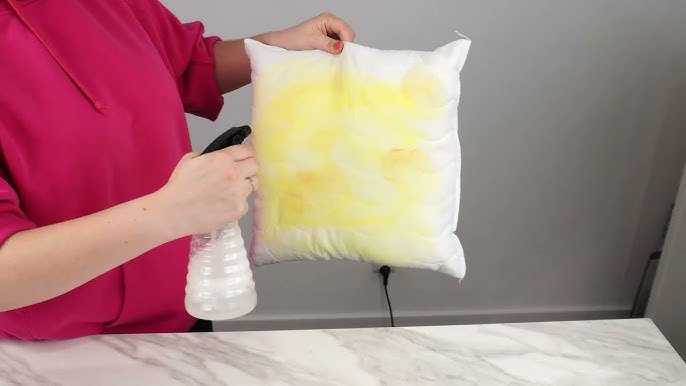
Introduction to Hand Washing Clothes
In 2026, many of us look for eco-friendly laundry options. Hand washing clothes is a reliable way to clean garments without a machine. We have found that washing clothes by hand saves energy and water. It is also handy when traveling or camping. Learning manual clothes washing tools and techniques can make this process easy and effective.
For those curious about cleaning clothes without a machine, our guide covers all you need. We share our experience with DIY laundry techniques, stain removal by hand, and clothes drying without machine methods. Plus, we cover natural detergents for laundry and portable laundry methods for on-the-go use. If you want to master laundry care without appliances, this article is for you.
We also recommend checking how to clean top loading washing machine for those who still use machines but want to maintain them well. This knowledge pairs well with hand washing skills to keep all laundry clean and fresh.
Basic Steps for Washing Clothes by Hand
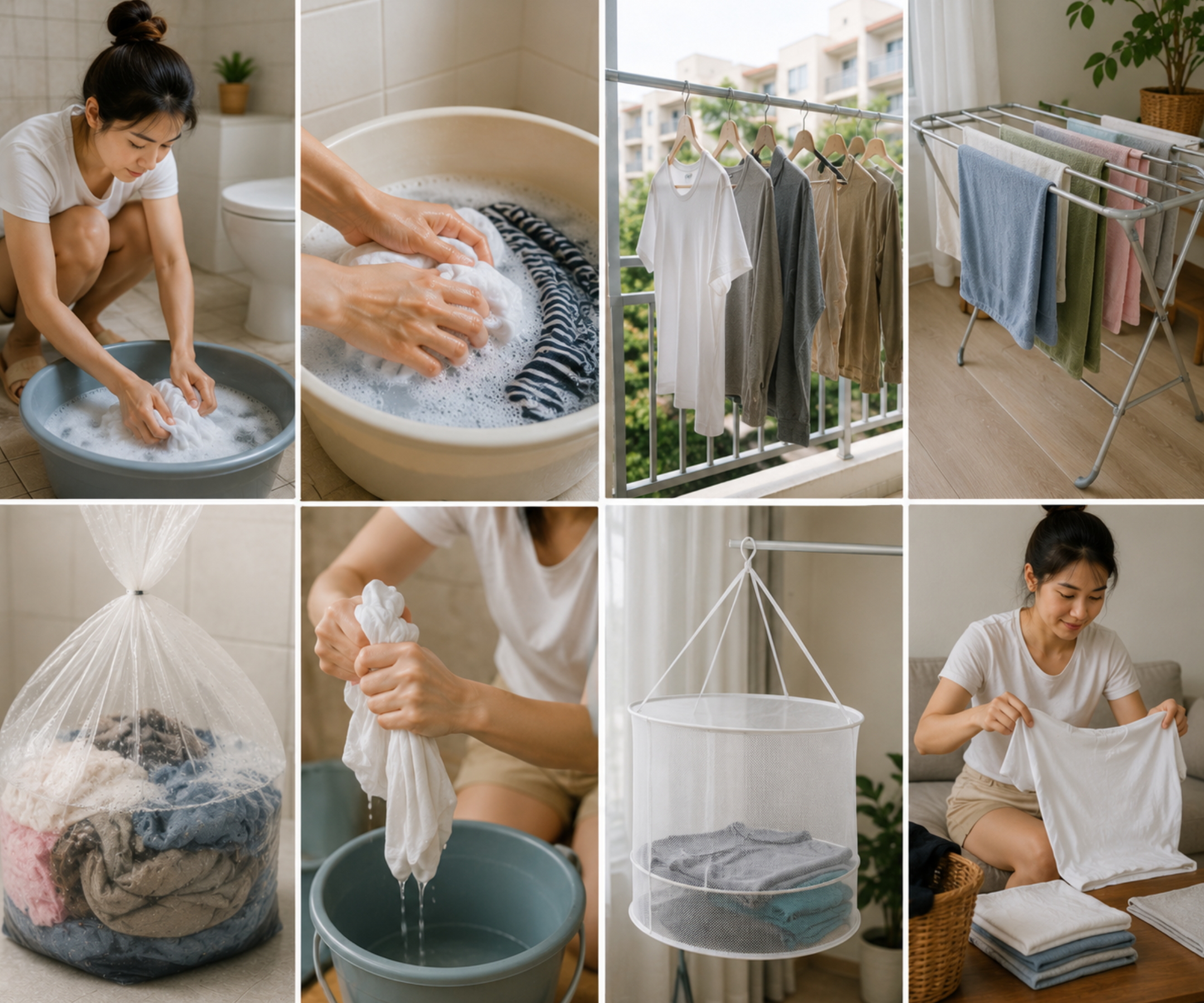
We start by filling a bucket or sink with water. The water temperature matters: cold water works for delicate fabrics, while warm water helps remove stains better. Adding a small amount of hand wash detergent or natural soap creates a cleaning solution. We prefer mild detergents to protect clothes and skin.
Next, soak the clothes for 10 to 15 minutes. This loosens dirt and grime. After soaking, manual agitation is key. We rub, scrub, and squeeze clothes gently against each other or use a scrubbing brush for tough stains. Clothes wringing helps remove excess water before drying.
We found that using a laundry ball or washboard speeds up the scrubbing process. These tools create friction that cleans fabric deeply. After rinsing clothes in clean water, we hang them on a clothesline or drying rack to dry naturally.
Essential Tools for Manual Clothes Washing
Having the right tools makes hand washing easier. A bucket or portable washing basin holds water and detergent. A scrubbing brush or washboard helps clean stubborn stains. Laundry balls are a great eco-friendly option to boost cleaning power without chemicals.
We also use microfiber cloths to gently scrub delicate fabrics. For drying, a clothesline or drying rack works best. These tools let clothes air dry evenly without damage. Carrying portable washing tools is perfect for travel laundry solutions and camping laundry hacks.
Using these simple tools helps us keep clothes fresh even without machines. They also reduce water usage for hand washing compared to big loads in washers.
| Tool | Use | Benefits |
|---|---|---|
| Bucket | Hold water and soap | Portable and easy to clean |
| Scrubbing Brush | Remove tough stains | Effective manual agitation |
| Washboard | Manual scrubbing surface | Speeds up cleaning |
| Laundry Ball | Enhance detergent action | Eco-friendly, chemical-free |
| Drying Rack | Air dry clothes | Prevents fabric damage |
We often recommend these tools for those new to no machine laundry tips. They make the process smooth and efficient.

Beyond tools, choosing the right detergent is key. Let’s see what types work best for hand washing.
Best Detergents for Hand Washing Clothes
We have tried many detergent types and found natural soaps and mild hand wash detergents are best. These clean well without harsh chemicals that can harm skin or fabric. Some natural detergents include soap nuts and plant-based soaps.
Fabric softeners can be added if desired, but we prefer bleach substitutes like baking soda or white vinegar. These are safer and eco-friendly options. For stain remover, lemon juice works well when rubbed gently into spots before washing.
Using the right detergent type helps protect cotton fabric and other materials. It also reduces water pollution, supporting green laundry care. For more ideas, read tips for washing clothes at home without washer from real users who share their hand wash detergent types and tricks.
Effective Techniques for Stain Removal by Hand
Stain removal is often tricky without a machine. We have found that soaking clothes in warm water with detergent helps most stains loosen. For tough spots, we use a scrubbing brush or microfiber cloth to rub the stain gently.
Applying a homemade stain remover like a paste of baking soda and water works great on grease or dirt. For ink or wine stains, lemon juice and salt can break down the marks. After treating stains, rinse clothes well before the full wash.
Patience is key. Sometimes repeating the soak and scrub cycle gives the best results. We have also used portable washing tools to add manual agitation for stubborn stains.
Clothes Drying and Care Without Machines
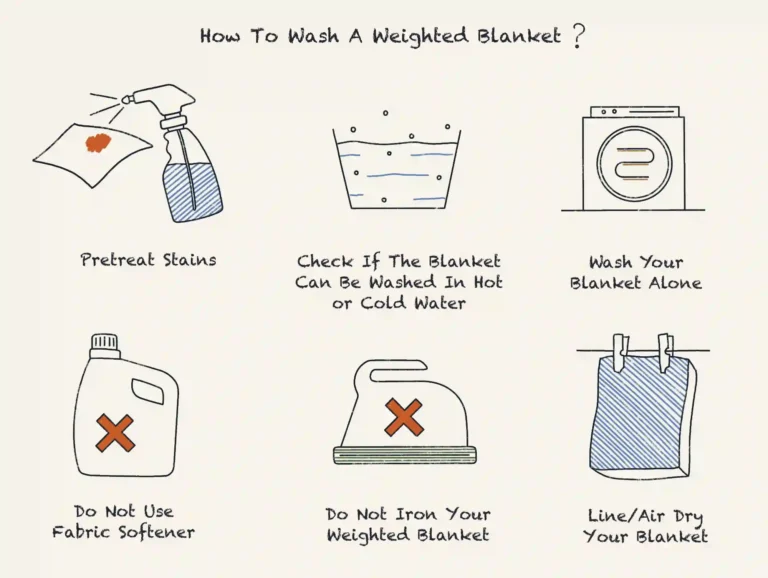
Once clothes are washed, drying is the next step. We hang clothes on a clothesline or a drying rack. Drying in the sun helps kill germs and freshens fabric. Avoid direct heat for delicate clothes to prevent damage.
We recommend wringing clothes gently to avoid stretching. Using a microfiber cloth to press out water also works well. After drying, folding and ironing clothes keeps them neat and wrinkle-free.

We found that air drying suits most fabrics and saves energy. It also fits well with eco-friendly laundry options and reduces wear on clothing.
| Drying Method | Pros | Cons |
|---|---|---|
| Clothesline | Natural drying, fresh smell | Weather dependent |
| Drying Rack | Indoor use possible | Slower drying time |
| Flat Drying | Protects fabric shape | Needs space, longer time |
Following these drying tips helps maintain fabric quality and prolong garment life.
Travel and Camping Laundry Solutions
When on the road or camping, we rely on portable laundry methods. A small collapsible bucket or basin fits in any bag. Using natural soap bars or hand wash detergent packs helps keep clothes clean without heavy liquids.
Manual washing tools like a compact washboard or laundry ball make scrubbing easy even in limited space. We hang clothes on a portable drying rack or string a clothesline between trees. These travel laundry solutions keep us fresh anywhere.
For quick drying, we use microfiber towels to press out water before hanging. These camping laundry hacks save time and water, essential for outdoor living.
Water Usage and Environmental Impact
Hand washing clothes uses less water than machines when done right. We measured water usage for hand washing a typical load—about 4 gallons compared to 15 gallons in machines. This saves water and energy.
Choosing natural detergents and bleach substitutes reduces chemical runoff. We also avoid over-soaping, which cuts down on rinsing water. These eco-friendly laundry options help protect our planet.
For those interested in green laundry care, learning how to clean front load washing machine properly complements hand washing skills to keep all laundry eco-friendly.
| Method | Water Used (Gallons) | Energy Use |
|---|---|---|
| Hand Washing | 4 | None |
| Top Loading Machine | 15 | High |
| Front Loading Machine | 10 | Medium |
Balancing water and energy use keeps laundry sustainable and cost-effective.
Summary and Final Tips
In our experience, cleaning clothes without a washing machine is easy with the right tools and methods. Hand washing clothes, using natural detergents, and drying naturally saves resources and keeps clothes fresh.
Portable laundry methods make travel and camping laundry stress-free. Stain removal by hand is best done gently and patiently with homemade solutions. Remember to wring clothes carefully and fold or iron after drying for best care.
We hope our guide inspires you to try these laundry alternatives. For more detailed cleaning tips, you can explore how to clean top loading washing machine and how to clean front load washing machine to keep all your laundry clean in 2026 and beyond.
Learning to wash clothes without a machine connects us with simple, green living. It is a skill worth mastering for any lifestyle.
For more real user ideas on cleaning clothes by hand, check out this detailed tips for washing clothes at home without washer.
Frequently Asked Questions
Can I wash all fabrics by hand?
Most fabrics like cotton and polyester can be hand washed. However, delicate materials like silk or wool may need special care or dry cleaning alternatives.
What detergents are best for hand washing clothes?
Mild liquid detergents, natural soaps, and specialized hand wash detergents work best because they clean well without harsh chemicals.
How much water is needed for hand washing clothes?
Using a bucket or sink, about 3 to 5 gallons of water is enough to soak and wash a small load of clothes by hand.
What tools help with manual clothes washing?
Common tools include a washboard, scrubbing brush, laundry ball, and a portable washing basin or bucket.
How do I dry clothes without a machine?
Clothes can be hung on a clothesline or drying rack, or laid flat on a clean surface to air dry naturally.

Michael Peterson is a home appliance writer focused on practical washing machine care, maintenance, and troubleshooting. He shares simple, reliable tips to help readers keep their washing machines running efficiently, avoid common problems, and extend appliance life.