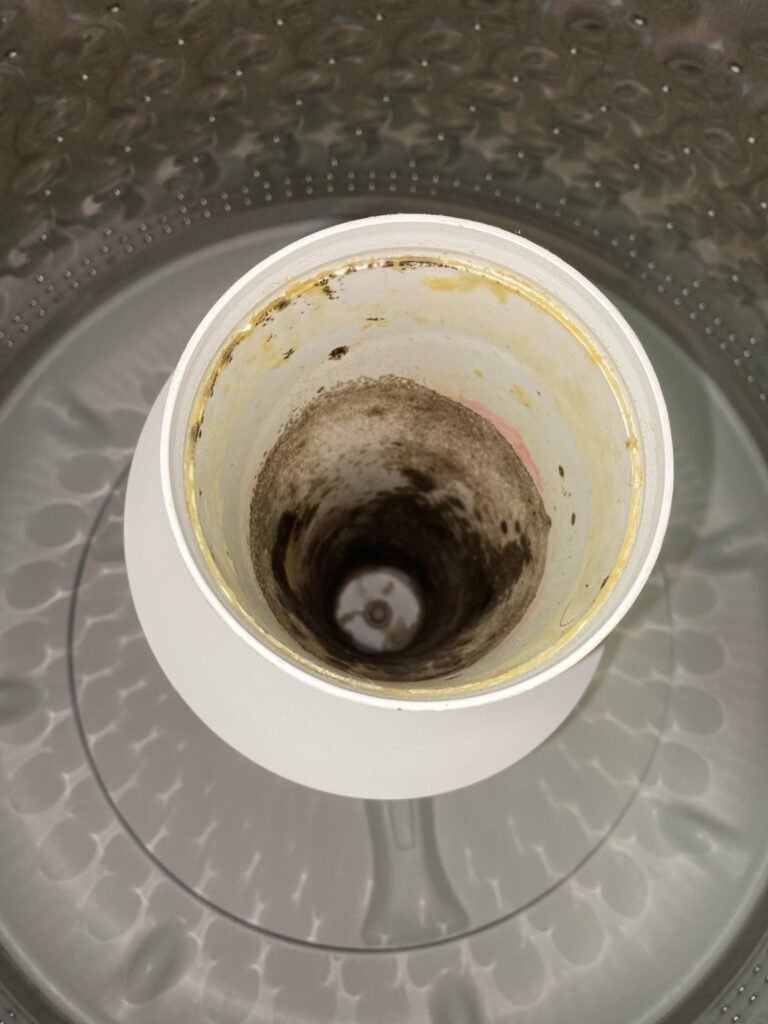
Why Clean Your Top Loading Washing Machine?
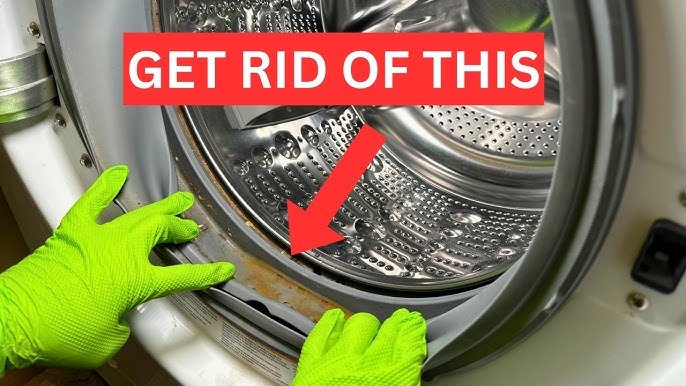
In our experience, cleaning a top loading washing machine is key to keeping clothes fresh and machines lasting long. Over time, soap scum, mold, and mildew build up inside the tub and agitator. This can cause bad odors and even damage your washer.
We’ve found that regular cleaning stops this buildup. It also helps maintain good laundry appliance hygiene and prevents costly repairs. If you want to keep your washer working well in 2026, cleaning is a must.
One of the best ways we’ve learned is using a washing machine cleaning cycle with natural cleaners. It’s safe and easy for anyone to do. Plus, it helps descale the machine and clear detergent residue.
For those new to this, you can find great advice on how to clean washing machine with vinegar. This method is gentle but effective for deep cleaning.
Step-by-Step Guide to Top Load Washer Deep Cleaning
We always start by checking the washing machine tub and agitator. These parts trap soap scum and mildew the most. Cleaning them well is important to stop mold growth.
Here is our tested cleaning routine:
- Set the washer to the hottest water setting and largest load size.
- Add 4 cups of white vinegar to the tub, then start the cycle.
- Pause the machine after a few minutes to let the vinegar soak for an hour.
- After soaking, let the cycle finish to rinse away buildup.
- Run another hot cycle with 1 cup of baking soda to neutralize odors.
- Wipe down the agitator, lid, and seals with a cloth dipped in vinegar.
- Clean the washing machine hoses and filter to remove trapped debris.
This method works well to sanitize the washing machine tub and eliminate washing machine odors. It also helps remove soap scum in washing machine parts that cause buildup.
For stubborn mold, we add a small amount of bleach during the hot water cycle. But be careful not to mix bleach with vinegar directly—they react badly.
Cleaning Washing Machine Parts
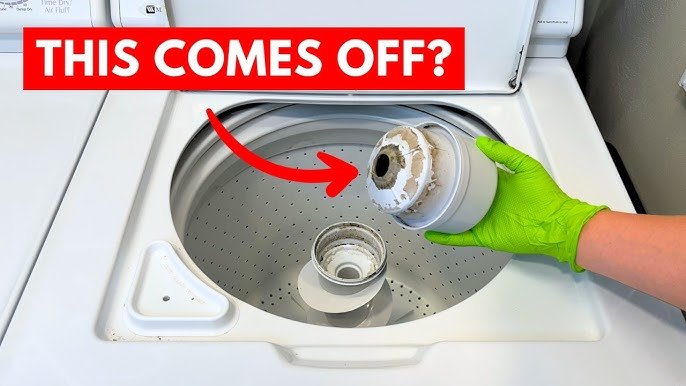
We found that cleaning the agitator and washing machine drum is just as important as the tub. The agitator collects detergent residue that can turn into mold and mildew.
To clean the agitator, use an old toothbrush with vinegar or a mild cleaning agent. Scrub well around and under it. For the drum, wiping it down after cycles helps prevent buildup.
Don’t forget the washing machine filter cleaning. It traps lint and tiny particles that can clog your washer. Clean it every few months to keep water flowing well.
:max_bytes(150000):strip_icc()/clean-top-load-washing-machine-5073254-V1-4d57061f759a4c84a61cb797084649a7.png "How to Clean a Top-Load Washing Machine (Figure)")
Washing machine hoses also need attention. We suggest inspecting and cleaning them yearly. Old hoses can collect grime or develop leaks that cause odors and damage.
Natural Cleaning Methods for Your Washer
We prefer natural cleaning agents like white vinegar and baking soda. They are safe, cheap, and good at removing grime and limescale. These ingredients help sanitize washing machine tub surfaces without harsh chemicals.
Here is a table showing benefits of common natural cleaners we use:
| Cleaner | Purpose | Benefit |
|---|---|---|
| White Vinegar | Descaling & Deodorizing | Kills mold and breaks down soap scum |
| Baking Soda | Odor Neutralizer | Removes smells and loosens residue |
| Lemon Juice | Stain Removal | Natural bleach and fresh scent |
We often combine vinegar and baking soda in cleaning cycles. This mix helps eliminate washing machine odors and clear detergent buildup effectively.
Preventing Buildup and Washing Machine Maintenance
Cleaning is great, but prevention saves time. We keep the washer clean longer by following easy habits. After each wash, we leave the lid open to air out the tub. This stops moisture buildup that causes mildew.
Also, use the right amount of detergent. Too much soap leaves residue that leads to soap scum in washing machine parts. We recommend using high-efficiency detergents for top loading washing machines to reduce suds.
Regularly running a washing machine cleaning cycle every month keeps the machine fresh. This practice helps sanitize washing machine tub and keeps the drum clean.
Below is a checklist we use for ongoing washer care:
- ✅ Run a monthly cleaning cycle with vinegar or cleaner.
- ✅ Wipe down the tub and agitator after heavy use.
- ✅ Keep the lid open after washing.
- ✅ Check and clean filters and hoses every 3-6 months.
- ✅ Use correct detergent amounts and types.
Choosing Washing Machine Cleaning Agents
We tested many washing machine cleaning agents. Some are made for top loaders and work well. They target limescale, mold, and detergent residue. Others are more natural or eco-friendly.
Here is a table comparing three popular washing machine cleaning agents we recommend:
| Product | Type | Best For | Eco-Friendly |
|---|---|---|---|
| OxiClean Washing Machine Cleaner | Powder | Deep cleaning and odor removal | No |
| Affresh Washer Cleaner | Tablet | Mildew and soap scum removal | Yes |
| White Vinegar | Natural liquid | Descaling and sanitizing | Yes |
We prefer starting with natural options first. If buildup is severe, using a commercial product like Affresh helps. Always follow product instructions for safe use.
Cleaning Washing Machine Hoses
Many skip cleaning the hoses, but we found it important. Hoses carry water in and out and can clog or grow mold inside. Cleaning or replacing them yearly keeps water flowing and stops odors.
To clean hoses, disconnect them carefully. Flush with water and vinegar to clear buildup. Inspect for cracks or leaks and replace if needed.
Maintaining hoses is part of good washing machine maintenance. It extends the life of your machine and keeps laundry fresh.
Extra Tips to Eliminate Mold and Mildew
Mold and mildew hide in corners and seals. We use a soft brush with diluted bleach or vinegar to scrub these areas. Make sure to dry thoroughly afterward.
Using a sanitizer spray after cleaning helps kill mold spores. Regular attention to seals and lids stops mold from coming back.
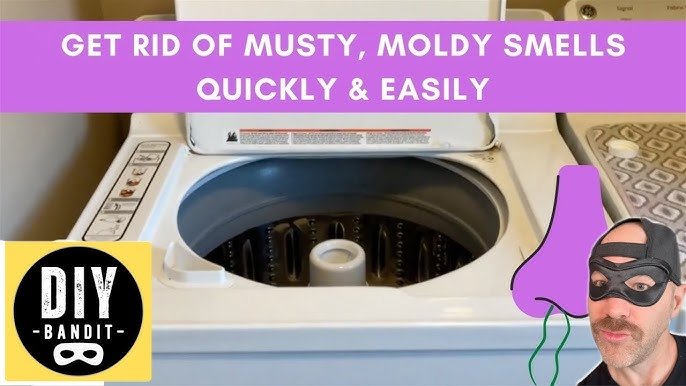
For detailed tips on deep cleaning a top load washing machine, we found helpful advice in a top load washer deep cleaning video. It shows how to clean hard-to-reach spots well.
Summary of Best Practices
Cleaning your top loading washing machine regularly is easy and keeps it working well. Use hot water cycles with vinegar and baking soda. Clean the agitator, tub, hoses, and filter.
Prevent buildup by airing out the washer and using the right detergent. Choose cleaning agents you trust and maintain hoses to avoid leaks and odors.
Here is a pros and cons table of cleaning with natural versus chemical agents:
| Method | Pros | Cons |
|---|---|---|
| Natural Cleaners (vinegar, baking soda) | Safe, cheap, eco-friendly | May need multiple cycles for heavy buildup |
| Chemical Cleaning Agents | Powerful, fast-acting | Can be harsh, less eco-friendly |
With these tips, your washing machine will stay clean, fresh, and in great shape for years.
For more detailed steps and tips on washing machine care, check out this Home Depot guide on how to clean a washing machine. It offers clear advice for every washer type.
Frequently Asked Questions
How often should I clean my top loading washing machine?
You should clean your top loading washing machine at least once a month to prevent mold, mildew, and detergent buildup.
What is the best cleaner for top load washers?
A mix of white vinegar and baking soda is one of the best natural cleaners for top load washers. For heavy buildup, specialized washing machine cleaning agents work well.
How do I remove mold from my washing machine?
Run a washing machine cleaning cycle with hot water and bleach or vinegar to kill mold. Also, clean the agitator and hoses to remove hidden mold.
Can I use bleach to clean my washing machine?
Yes, bleach is effective for sanitizing the washing machine tub and killing mildew. Use it carefully and follow the manufacturer instructions.
How do I prevent washing machine odors?
Keep the washing machine door open after use, clean filters and hoses regularly, and run cleaning cycles monthly to prevent odors.

Michael Peterson is a home appliance writer focused on practical washing machine care, maintenance, and troubleshooting. He shares simple, reliable tips to help readers keep their washing machines running efficiently, avoid common problems, and extend appliance life.