Understanding Mold on Washing Machine Rubber
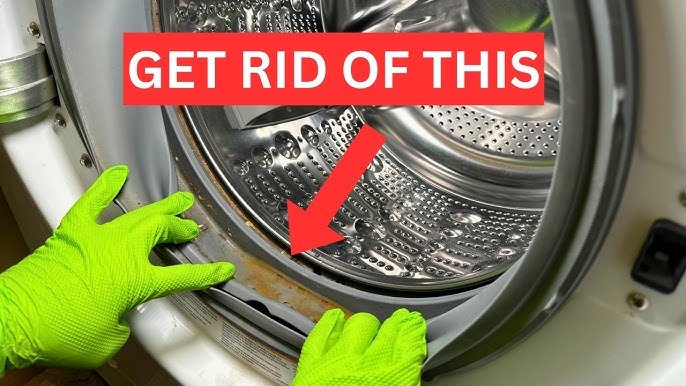
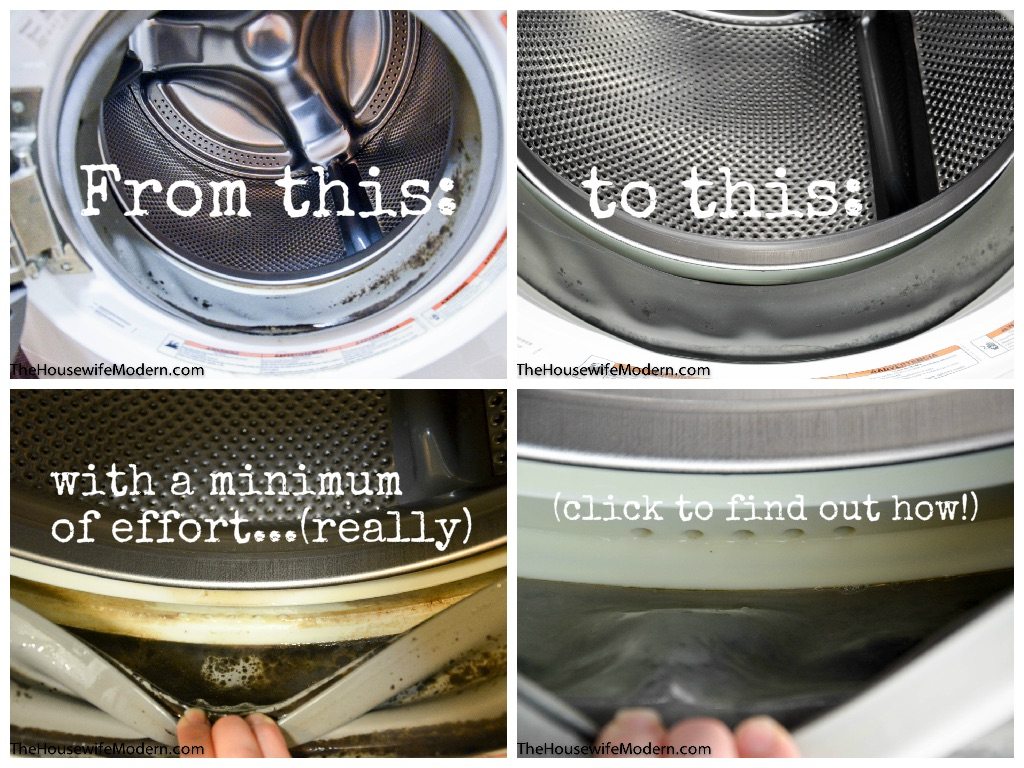
Mold grows on the rubber seals and gaskets in washing machines due to moisture and leftover detergent. Front load washers are more prone to this problem because the door seal often stays damp. Mold and mildew cause bad smells and can harm your health. It is important to clean and maintain these parts regularly.
To fully grasp how to clean mold, you should know why it appears. Moisture, warmth, and organic matter like detergent residue create a perfect place for mold spores to grow. Neglecting these areas can lead to stubborn mold that affects your laundry and machine.
For more details on cleaning front load washer mold, analyzing resources on front load washing machine mold removal provides excellent foundational context.
Cleaning mold from the rubber seal is key to washing machine hygiene. Regular care prevents health risks linked with mold spores.
Steps to Clean Mold From Washing Machine Rubber
Start by wiping the gasket with a cloth soaked in warm water. This removes loose dirt and detergent residue. Next, use a cleaning solution to kill mold spores and remove stains.
A popular natural cleaner is white vinegar. Spray or soak a cloth with vinegar and rub the rubber seal well. Leave it for 10 minutes to disinfect. Afterward, wipe the seal with a damp cloth to remove vinegar smell. Baking soda can be added to make a paste with water for stubborn mold patches.
If you prefer commercial options, select the best mold cleaner for washers. These products are designed to clean without damaging rubber seals.

Always remember to wear gloves and ventilate the area while cleaning to avoid inhaling mold spores or strong odors.
Homemade Solutions for Washing Machine Mold Removal
Many household items can clean mold effectively. White vinegar and baking soda are two of the most used natural cleaning agents for mold. Vinegar kills mold and stops spores from spreading. Baking soda helps scrub and absorb odors.
To make a cleaning paste, mix baking soda with water. Apply it to the moldy rubber seal and scrub gently with a soft brush. Then, spray white vinegar on top and let it fizz for a few minutes. Wipe everything clean with a damp cloth.
These homemade mold cleaning solutions are safe, cheap, and eco-friendly. They avoid harsh chemicals that could harm the machine.
Using Commercial Cleaners and Disinfectants
If natural solutions don’t work, consider commercial mold removers made for washing machines. Look for products labeled safe for rubber seals. Follow instructions carefully to avoid damage.
Some disinfectants can help you disinfect washing machine rubber. Use them to kill mold and bacteria after cleaning. Avoid mixing chemicals like bleach with vinegar, as this can create harmful fumes.
For detailed cleaning techniques, guides like how to clean the gasket on a front load washer offer excellent advice on using cleaning agents properly.
Preventing Mold Growth on Washing Machine Rubber
Prevention is the best way to avoid mold issues. After each wash, dry the rubber seal with a clean towel. Leave the washing machine door open for a few hours to let air circulate.
Use washing machine maintenance tips such as running a cleaning cycle monthly. This helps remove detergent residue inside the machine. Also, clean the detergent drawer regularly because leftover detergent can feed mold.
Keep your washing machine dry and clean to stop mold spores from settling. Using natural cleaning agents regularly can also slow mold growth.
| Prevention Tip | Why It Works |
|---|---|
| Wipe rubber seal dry | Removes moisture that mold needs |
| Leave door open after use | Allows air flow to dry inside |
| Run cleaning cycle monthly | Clears detergent and mold spores |
| Clean detergent drawer regularly | Prevents residue buildup |
These simple steps are effective and easy to follow. Mold prevention helps extend your washer’s life and keeps laundry fresh.
Special Considerations for Front-Load and Top-Load Washers
Front load washing machines often face more mold problems because their door seals trap moisture. Regular gasket care is vital. Clean the rubber seal inside the door and remove any trapped water after every wash.
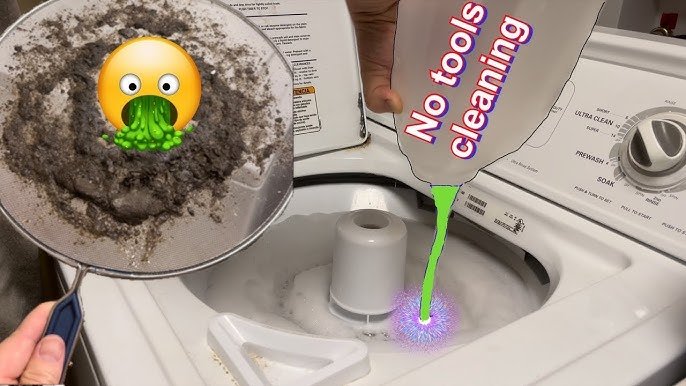
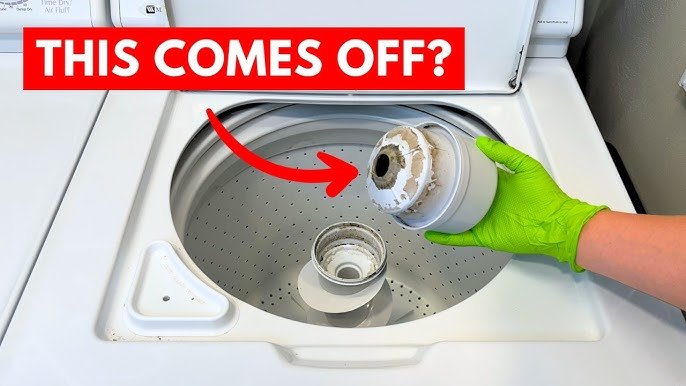
Top load washers have fewer mold issues but still need cleaning. Mold can grow under the lid and around the detergent drawer. Use the washing machine cleaning cycle often and wipe these parts dry.

| Washing Machine Type | Mold Risk Areas | Cleaning Focus |
|---|---|---|
| Front Load Washer | Door gasket, detergent drawer | Gasket care, drying seal, monthly cleaning cycle |
| Top Load Washer | Under lid, detergent drawer | Wipe lid, clean drawer, regular cleaning cycles |
Understanding these differences helps target cleaning efforts better. For tips on top load washing machine mold cleaning, see top load washing machine mold cleaning.
Health Risks of Mold in Washing Machines
Mold in washing machines can cause health problems. Spores released into the air may trigger allergies, asthma, or skin irritation. People with weak immune systems are at higher risk.
Moldy washers can also cause clothes to smell bad or even stain fabrics. Keeping the machine clean protects your health and your laundry.
| Health Risk | Cause |
|---|---|
| Allergic reactions | Mold spores inhaled or touched |
| Respiratory problems | Airborne spores in enclosed spaces |
| Skin irritation | Contact with moldy surfaces or clothes |
| Clothes odor | Mold growth on fabrics from washer |
Keeping mold out of your washing machine is an important part of home hygiene. Use regular cleaning and drying to keep your family safe.
Conclusion
Cleaning mold from washing machine rubber seals is essential in 2026 to keep machines working well and protect health. Use natural cleaners like vinegar and baking soda or safe commercial products. Always dry the gasket and run cleaning cycles to stop mold from coming back.
Follow simple maintenance tips regularly. This includes wiping seals dry, airing out the washer, and cleaning detergent drawers. Both front load and top load washers need attention to prevent mold growth.
For more help, check advice on how to clean the rubber seal on a front load washing machine. Maintaining your washer properly will save money and keep your laundry fresh and safe.
Frequently Asked Questions
What causes mold to grow on washing machine rubber seals?
Mold grows on washing machine rubber seals mainly due to moisture, detergent residue, and lack of proper drying, creating a damp environment for spores to thrive.
Can I use natural agents to clean mold from washer rubber?
Yes, natural agents like white vinegar and baking soda are effective for cleaning mold and disinfecting washing machine rubber seals without harsh chemicals.
Is mold on washing machine rubber harmful to health?
Yes, mold can release spores that may cause allergies, respiratory issues, and other health hazards if not cleaned and prevented properly.
How often should I clean the washing machine gasket to prevent mold?
Cleaning the washing machine gasket once a month is recommended to prevent mold buildup and maintain washing machine hygiene.
What is the best way to prevent mold growth on washer rubber seals?
Keep the washer door open after use, wipe the rubber seal dry, use the washing machine cleaning cycle regularly, and avoid detergent buildup to prevent mold growth.

Michael Peterson is a home appliance writer focused on practical washing machine care, maintenance, and troubleshooting. He shares simple, reliable tips to help readers keep their washing machines running efficiently, avoid common problems, and extend appliance life.