Why Clean Your Delonghi Nespresso Machine?
In our experience, keeping your Delonghi Nespresso clean is key to great coffee every day. Coffee oils and mineral deposits build up inside the machine. This can block water flow and change the taste of your coffee. We found that regular machine maintenance keeps your machine running smoothly and extends its life.
Cleaning also helps avoid costly repairs. When we tested machines with poor care, they often stopped working well. Simple steps like cleaning the drip tray and descaling prevent this. Plus, a clean machine means better hygiene, especially if you use the milk frother.
We learned that following a good cleaning procedure keeps the machine safe and your coffee fresh. You don’t need special skills, just some time and the right products.
For detailed advice, check the official Nespresso User Guides to match your model.
Daily Cleaning Tasks
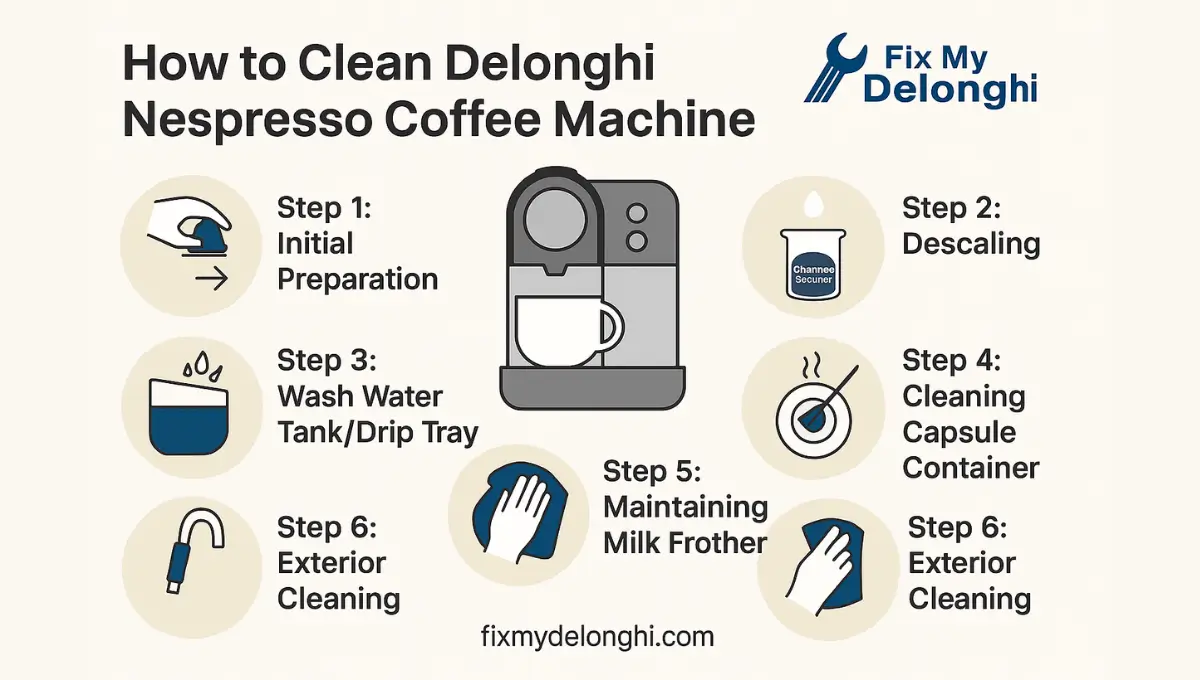
After each use, we clean the easy-to-reach parts. This stops coffee residue from building up. Start by emptying the capsule container to avoid old capsules smelling bad. Then, wash the drip tray with warm water and dry it well.
We also wipe the outside of the machine with a damp cloth. Don’t use harsh cleaners as they can damage the surface. For the water tank, rinse it daily to keep fresh water flow and avoid smells.
Cleaning the milk frother after use is a must. We found that rinsing it with warm water and wiping off milk residue works best. For models with a steam wand, run the steam to clear milk inside.
Weekly Cleaning Routine
Once a week, we clean the harder parts. This includes the brew group, nozzles, and inside the water tank. Use a soft brush to remove coffee grounds in the brew group. This stops clogging and keeps coffee taste pure.
The water tank needs a full wash with mild soap and water. We always rinse it well to avoid soap taste. Also, clean the drip tray and capsule container more deeply to remove trapped oils.
Check the milk frother for milk build-up. If needed, soak removable parts in warm water before brushing them clean. This keeps your milk drinks fresh and safe.
Descaling Your Nespresso Machine
Descaling is the key to removing tough mineral deposits inside your machine. We learned this is important if you live in areas with hard water. Descaling keeps water flowing and prevents damage.
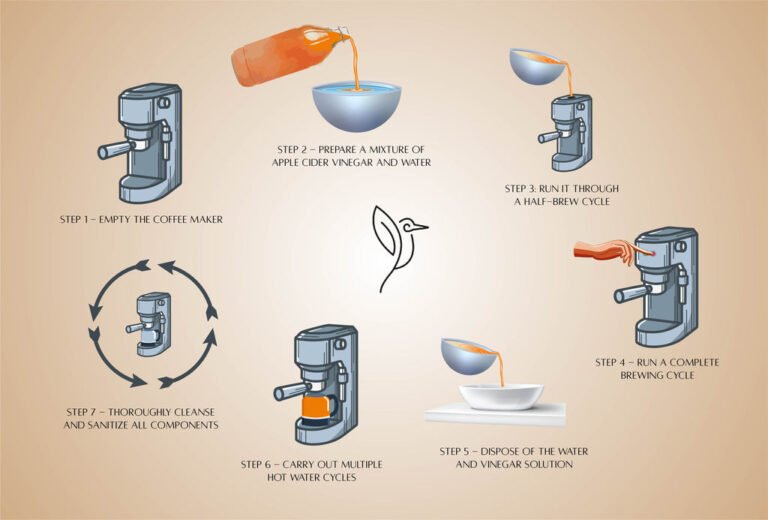
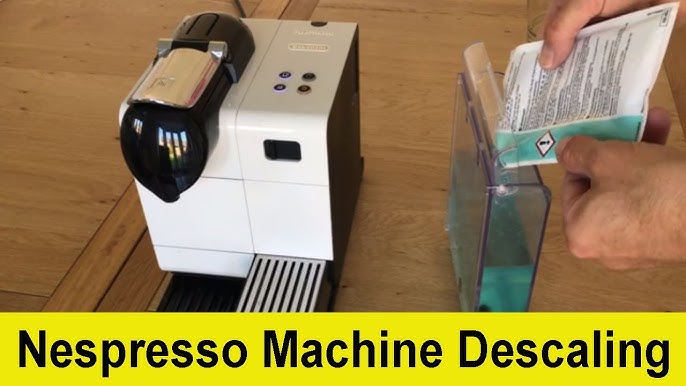
Always use a Delonghi Nespresso descaling solution or official anti-scale tablets. These are made to clean without hurting your machine. Some try vinegar, but it can damage seals and leave bad smells.
To descale, fill the tank with the solution and run the cleaning cycle as per your user manual. This flushes out scale. After, rinse the tank and run plain water cycles to clear any residue. You can find detailed Delonghi descaling instructions on the Nespresso site.
Monthly Complete Cleaning
Every month, we do a full clean to freshen the machine inside and out. This includes removing and washing all parts like the water tank, drip tray, capsule container, and milk frother. Use warm water and gentle soap.
We also clean the brewing unit carefully. Use a soft brush or cloth to wipe off coffee residue. Avoid water inside the machine’s electrical parts. This deep clean helps keep the machine hygienic and working great.
We recommend running a rinse program after cleaning. This clears any soap or leftover residue before making coffee.
Cleaning Products and Tools We Recommend
Using safe products is important. We always use official cleaning solutions from Delonghi or Nespresso. These are tested for safety and effectiveness. Avoid strong chemicals or bleach as these can harm your machine.
A good cleaning brush helps reach small parts like nozzles and the brew group. Keep soft cloths for wiping the outside. For the milk frother, a small brush removes milk deposits well.
We keep a spray bottle with water to help rinse parts easily. Having these tools makes cleaning faster and better.
Tips to Maintain Your Nespresso Machine
We have found simple care tips keep the machine fresh longer. Use filtered water to reduce mineral deposits. Empty the capsule container daily. Never let water sit in the tank for more than a day.
Run the cleaning cycle often and descale on time. If you see coffee dripping slowly or odd tastes, it’s time to clean. Store your machine in a dry place to avoid mold.
We keep a cleaning schedule to avoid forgetting. This makes care easy and your coffee always tastes great.
🚀 Visual Guide: Cleaning Tasks Breakdown
Here is a quick look at what to clean and how often. We follow this to keep our machines in top shape.

| Part | Daily | Weekly | Monthly |
|---|---|---|---|
| Water Tank | Rinse | Wash with soap | Deep clean |
| Drip Tray | Empty & rinse | Wash | Deep clean |
| Capsule Container | Empty | Wash | Deep clean |
| Brew Group & Nozzles | Wipe | Brush clean | Deep clean |
| Milk Frother | Rinse | Brush clean | Deep clean |
We stick to this routine and see less problems and great coffee every time.
Remember, regular care saves you money on repairs and keeps your drinks tasting fresh.
⚖️ Common Mistakes to Avoid When Cleaning
We learned some errors can harm your machine. Avoid these to keep it safe:
- ✅ Using vinegar or bleach for descaling – use official solutions only.
- ✅ Not rinsing parts well – leftover soap can affect taste.
- ✅ Ignoring milk frother cleaning – leads to clogs and bad smells.
- ✅ Using hard water without filtering – increases scale buildup.
- ✅ Forgetting to empty capsule container daily – causes mold and odors.
Following the right steps makes cleaning safe and easy.
📌 Step-by-Step: How to Clean the Milk Frother
- Detach the frother parts from the machine.
- Rinse all parts in warm water immediately after use.
- Use a soft brush to remove milk residue inside.
- Run the steam or cleaning cycle to clear internal frother pipes.
- Dry all parts fully before reassembling.
We do this each time to keep milk fresh and avoid blockages.
Final Thoughts
In our experience, cleaning your Delonghi Nespresso machine is simple but very important. Regular care keeps your coffee tasting great and your machine working well. Use safe products and follow the cleaning steps we shared.
Remember to descale as needed and never skip daily cleaning tasks. With a little effort, your coffee maker will last for years and always brew perfect coffee.
For more tips and detailed guides, explore the Delonghi Nespresso cleaning guide on Nespresso’s official site.
Frequently Asked Questions
How often should I descale my Delonghi Nespresso machine?
You should descale your Delonghi Nespresso machine every 3 months or after about 300 uses, depending on your water hardness to keep it working well.
Can I use vinegar to clean my Nespresso machine?
While vinegar is a common cleaning agent, it is safer to use a Delonghi Nespresso descaling solution to avoid damaging the machine’s internal parts.
How do I clean the milk frother on my Delonghi Nespresso?
Detach the milk frother and rinse it with warm water after each use. Use a soft brush to remove milk residue and run the steam cleaning cycle regularly.
What parts of the Nespresso machine need regular cleaning?
Clean the water tank, drip tray, capsule container, brew group, milk frother, and nozzles regularly to remove coffee residue and prevent buildup.
Are there safe products recommended for cleaning my Nespresso machine?
Yes, always use products recommended by Nespresso or Delonghi, such as anti-scale tablets and official descaling solutions, to ensure safe cleaning.

Michael Peterson is a home appliance writer focused on practical washing machine care, maintenance, and troubleshooting. He shares simple, reliable tips to help readers keep their washing machines running efficiently, avoid common problems, and extend appliance life.