Understanding Washing Machine Odor Causes
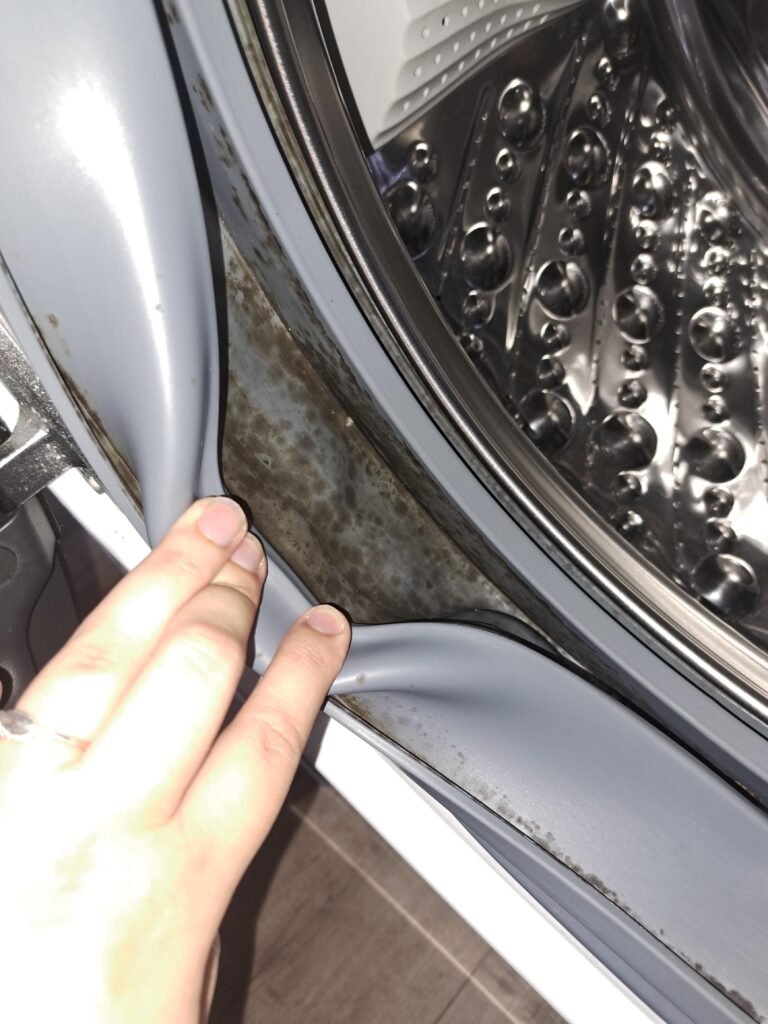
A washing machine can start to smell bad due to mold, mildew, and bacteria buildup. These grow in damp areas like the drum and rubber seals. Detergent residue and poor water drainage add to the problem. Front-loading washers are more prone to mold in the rubber door seal. Top loaders can also trap dirt and grime.
Odor causes include leftover water in the drum or drain hose and detergent buildup. Using too much detergent or low wash temperatures can make residue stick. This creates a perfect place for bacteria to grow and cause smells.
For a deeper understanding of this mechanic, analyzing resources on washing machine stench causes provides excellent foundational context.
Regular washing machine maintenance helps prevent these issues. Cleaning the drum and rubber gasket stops mold and mildew. Also, clearing filters and drain hoses ensures water flows out properly, reducing odors.
Cleaning Tips for Washing Machines
Start by running a cleaning cycle with the best washing machine cleaner or a mix of vinegar and baking soda. This helps remove detergent buildup and kills bacteria. Use hot water if your machine allows it. It breaks down grime better than cold water.
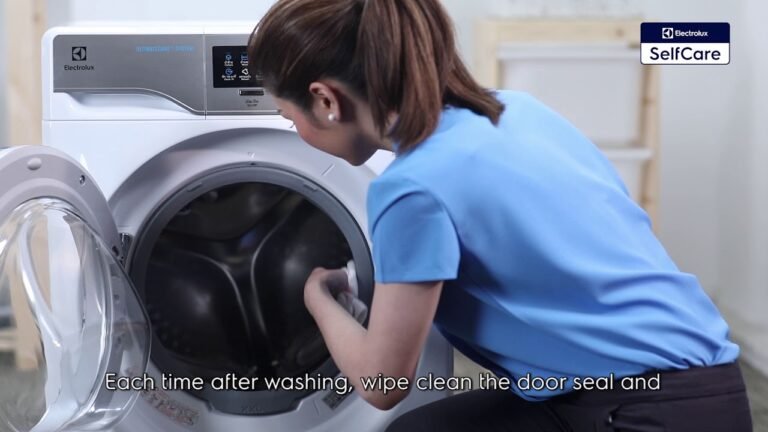
Next, clean the rubber door seal on front load washers. Wipe it with a cloth soaked in white vinegar. This kills mold and stops mildew growth. Leave the door open after washing to improve airflow and dry the gasket.
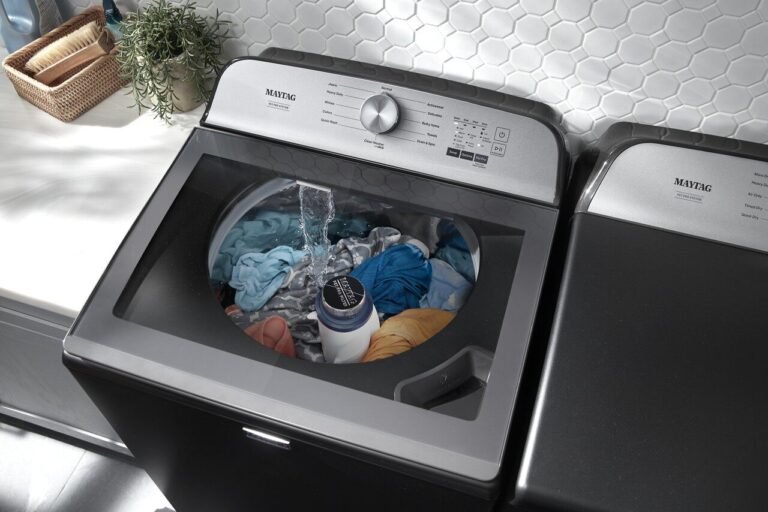
For top load washers, clean inside the agitator and drum with vinegar or a commercial cleaner. Also, check the washing machine filter and drain hose. Remove any lint or debris. This prevents water from sitting and causing smells.
Learn more about proper care by visiting this guide on how to clean public washing machine before use. It shares useful ideas that apply at home too.
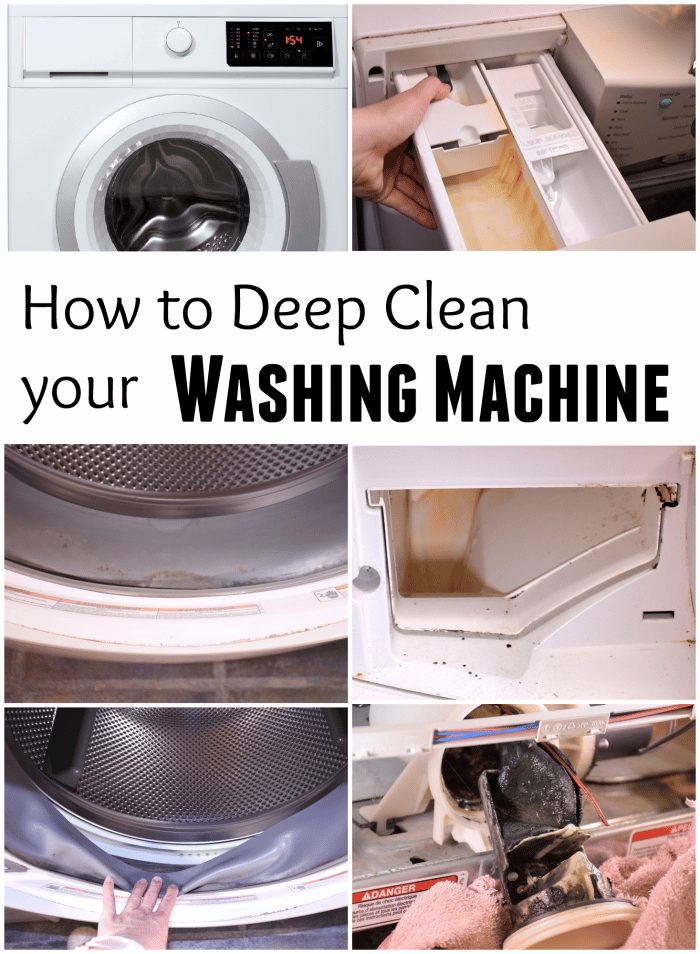
How to Use Vinegar and Baking Soda to Clean Your Washer
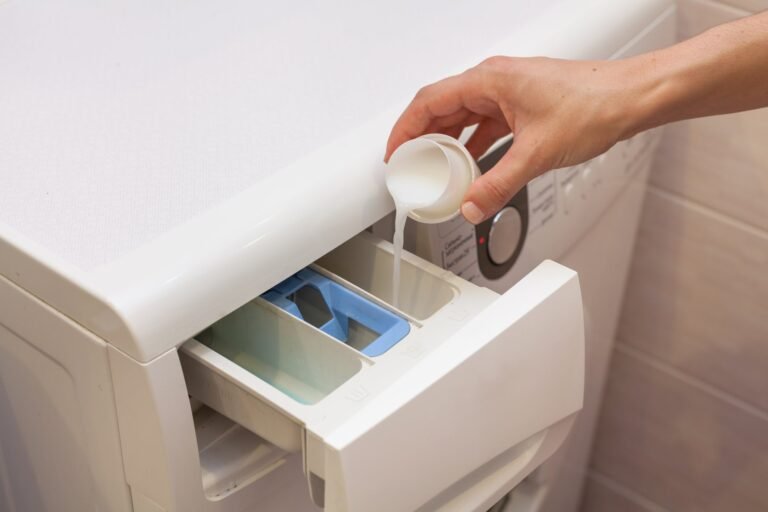
Vinegar and baking soda are safe and cheap cleaners. Add 2 cups of white vinegar to the detergent tray. Run the machine on the hottest, longest cycle. Then add 1/2 cup baking soda to the drum and run another hot cycle. This removes odors and detergent residue well.
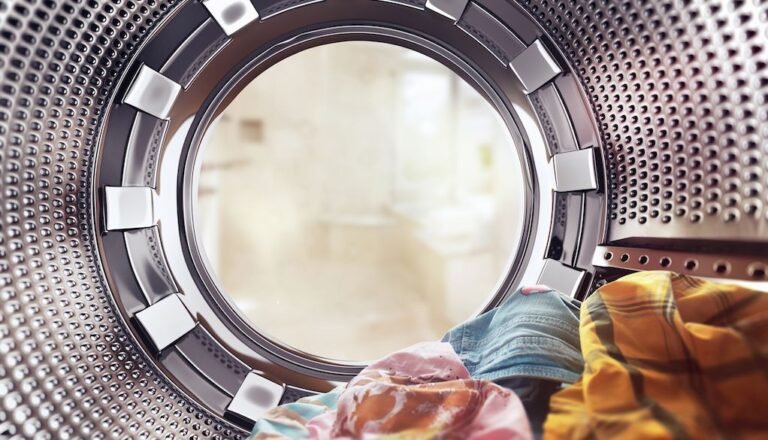
Don’t forget to wipe inside the drum and the rubber seal after these cycles. Use a cloth dipped in vinegar to get rid of any left mold spots. This routine helps keep your washing machine fresh and clean.
🚀 Tip: Leaving the washing machine door open between uses lets air dry inside. This stops mold and mildew from growing.
Detailed Cleaning Steps
Cleaning your washing machine fully requires attention to several parts. Here is a simple step-by-step guide to follow for both front load and top load washers.
Start by unplugging the machine. Then remove and clean the detergent drawer. Soak it in warm water mixed with vinegar. Scrub away any residue with an old toothbrush. This stops detergent buildup and mold growth.
Next, clean the rubber gasket or seal. Pull it back gently and wipe thoroughly with a vinegar solution. Dry it well to prevent moisture buildup. For top loaders, clean the agitator and drum inside with vinegar and baking soda.
Finally, clean the washing machine filter and drain hose. Remove lint and dirt that block water flow. This step is important for odor prevention and machine health.
Run a final hot water cycle with a washing machine cleaner or vinegar to flush out all parts. Wipe the inside drum dry and leave the door open to air out.
For more tips on cleaning specific parts, see this guide on how to clean filter on samsung washing machine.
📌 Step-by-Step Guide to Cleaning a Stinking Washing Machine
- Unplug the machine for safety.
- Remove detergent drawer and soak in vinegar water.
- Wipe drum and rubber gasket with vinegar cloth.
- Clean the washing machine filter and drain hose.
- Run a hot water cycle with vinegar or washing machine cleaner.
- Dry and leave door open to air out.
Washing Machine Maintenance Tips
Good maintenance keeps your washing machine smelling fresh. Use high-efficiency detergent to reduce residue. Avoid overloading the machine to allow full rinsing. Also, try to wash clothes in warm or hot water when possible. This kills bacteria better.
After every wash, wipe the rubber door seal and leave the door open. This lets moisture evaporate. Clean your washing machine filter monthly. Check the drain hose for blockages often. These simple steps prevent odor buildup and extend machine life.
Using a commercial washing machine cleaner once a month is a smart move. It helps descale the drum and pipes from hard water buildup. Descaling stops foul smells and keeps the machine running smoothly.
Below is a useful comparison of common washing machine cleaning agents to help you choose the best option.
| Cleaner Type | Pros | Cons |
|---|---|---|
| White Vinegar | Natural, kills mold, cheap | Strong smell, may corrode rubber if overused |
| Baking Soda | Neutralizes odor, gentle on parts | Less effective alone on mold |
| Commercial Cleaners | Powerful, designed for washers | More expensive, chemicals involved |
Cleaning your washing machine is easier with the right tools. Always check your user manual for specific instructions. Proper care ensures your washer stays fresh without damage.
Preventing Future Odor in Washing Machines
To keep your washing machine odor-free, start with good habits. Use the right amount of detergent and the correct type for your washer. Always leave the door or lid open after washing to improve airflow and dryness.

Run a cleaning cycle every month. Use vinegar or a specialized washing machine cleaner. Clean the detergent drawer and rubber gaskets regularly. Also, check and clean the washing machine filter and drain hose to prevent water build-up.
Keep the washing area dry and well-ventilated. This helps reduce mold and mildew growth. Lastly, avoid letting wet clothes sit in the washer for long times.
Industry consensus indicates that regular maintenance and airing out the machine are key to stopping odors before they start.
| Prevention Tips | Frequency |
|---|---|
| Run cleaning cycle with vinegar or cleaner | Monthly |
| Wipe rubber gasket and drum | After every few washes |
| Leave door open to air dry | Every wash |
| Clean filter and drain hose | Every 3 months |
By following these easy steps, your washing machine will stay fresh and last longer. Proper care reduces the need for costly repairs and keeps laundry smelling clean.
Conclusion
Cleaning a stinking washing machine is simple but needs regular effort. Mold, mildew, and detergent residue cause most odors. Using vinegar and baking soda or a commercial cleaner removes these. Cleaning the drum, rubber gasket, filter, and drain hose stops smells at the source.
Good washing machine maintenance includes running cleaning cycles, wiping parts dry, and airing the machine after use. These habits prevent bacteria growth and keep your washer fresh. For targeted cleaning, explore how to clean filter on Samsung washing machine for model-specific guidance.
Following expert washing machine cleaning tips and maintenance routines protects your home from bad odors and keeps laundry fresh year-round. In 2026, these simple steps remain key to fresh-smelling clothes and a healthy washing machine.
| Key Cleaning Areas | Purpose |
|---|---|
| Drum | Remove residue and kill bacteria |
| Rubber Gasket | Prevent mold and mildew build-up |
| Filter and Drain Hose | Ensure proper water drainage |
| Detergent Drawer | Stop detergent buildup and mold |
Frequently Asked Questions
Why does my washing machine smell bad?
Bad smells in washing machines often come from mold, mildew, detergent buildup, or poor water drainage.
How often should I clean my washing machine to prevent odor?
Cleaning your washing machine every 1-2 months helps prevent mold and mildew buildup and keeps odors away.
Can vinegar and baking soda really remove washing machine odors?
Yes, vinegar and baking soda are effective natural cleaners that remove residue, kill bacteria, and eliminate odors.
How do I clean the rubber gasket on a front load washer?
Wipe the rubber gasket with a vinegar solution and dry it thoroughly to remove mold and prevent mildew.
Is it necessary to clean the washing machine filter and drain hose?
Yes, cleaning the filter and drain hose removes trapped debris and helps maintain proper water drainage and odor control.

Michael Peterson is a home appliance writer focused on practical washing machine care, maintenance, and troubleshooting. He shares simple, reliable tips to help readers keep their washing machines running efficiently, avoid common problems, and extend appliance life.