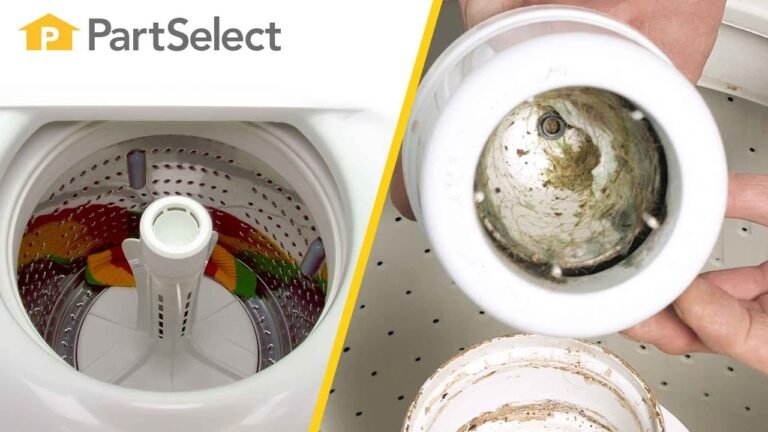
Introduction to Whirlpool Cabrio Washing Machine Filter
The Whirlpool Cabrio washing machine is popular for its cleaning power and ease of use. Keeping the washer’s filter clean is key to its good work and long life.
Many users ask about the best way to clean washing machine filter. This guide shows how to clean the filter in the Whirlpool Cabrio top load washer with simple steps.
Importance of Cleaning the Filter
The filter collects lint, hair, and small debris from your clothes. If it clogs, water cannot drain well. This can cause leaks, error codes, and bad smells.
Regular filter cleaning helps avoid damage and keeps your washer running smoothly.
Overview of the Whirlpool Cabrio Top Loader Design
The Whirlpool Cabrio top loader has a filter built into the pump area. This filter traps lint and debris before water drains out.
You can access the filter from the machine’s front or inside the drum, depending on your model. The user manual has details on your specific washer.
Understanding the Washing Machine Filter
What is the Filter and Its Function?
The filter is a small mesh screen or trap inside the washer’s pump housing. Its job is to catch lint, small fibers, and other debris.
By trapping debris, the filter stops blockages in the drain hose and pump, ensuring water drains properly during the wash.
Common Issues Caused by a Dirty Filter
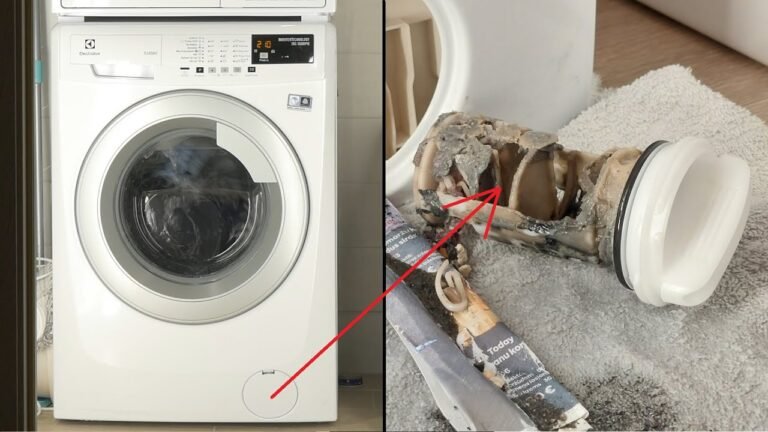
A clogged filter can cause water to drain slowly or not at all. You might see error codes or hear strange noises during the spin cycle.
Water may leak from the washer door seal or under the machine. Detergent residue and dirt can build up inside, causing odors.
Filter Location in Whirlpool Cabrio Top Loader
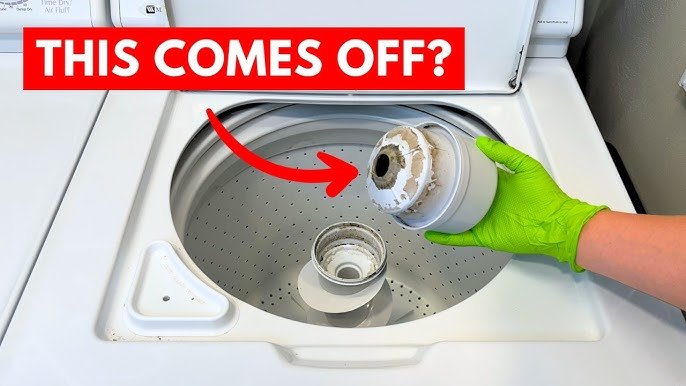
Most Whirlpool Cabrio top loaders have the filter behind the washer drum or at the bottom front panel. Some models hide it under a small door.
Check your Whirlpool Cabrio washer user manual for exact filter location. Knowing this helps you clean the filter safely and fully.
Tools and Materials Needed for Cleaning
Recommended Cleaning Supplies
Gather these items before you start:
- ✅ Soft cloth or sponge
- ✅ Small brush or old toothbrush
- ✅ Bucket or shallow pan
- ✅ Gloves to protect your hands
- ✅ Mild soap or washer cleaner products for filters
Safety Precautions Before Starting
Unplug your washer from the power source to avoid shocks. Have towels ready to catch any water spill when removing the filter.
Turn off the water supply to the washer to prevent leaks during the cleaning process.
Step-by-Step Guide to Cleaning the Filter
Preparing the Washing Machine
Make sure the washing cycle is complete. Unplug the machine and turn off the water supply.
Place towels on the floor near the machine to catch any water that may leak when you open the filter compartment.
Accessing the Filter Compartment
Locate the filter access panel on your Whirlpool Cabrio top load washer. This is usually at the front bottom or inside the washer drum.
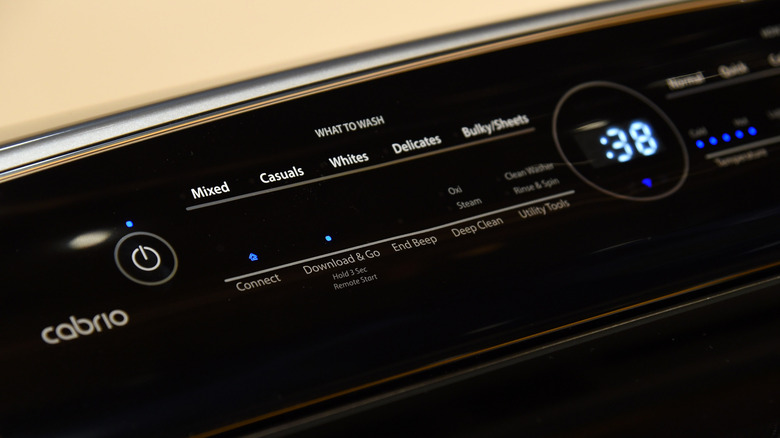
Use a screwdriver if needed to open the panel. Some models have a snap-open door for easy access.
Removing the Filter Safely
Place a shallow pan or bucket under the filter area. Slowly turn the filter cap or pull the filter housing out to release trapped water.
Remove the filter carefully. Avoid forcing it out to prevent damage to the filter gasket or pump parts.
Cleaning and Inspecting the Filter
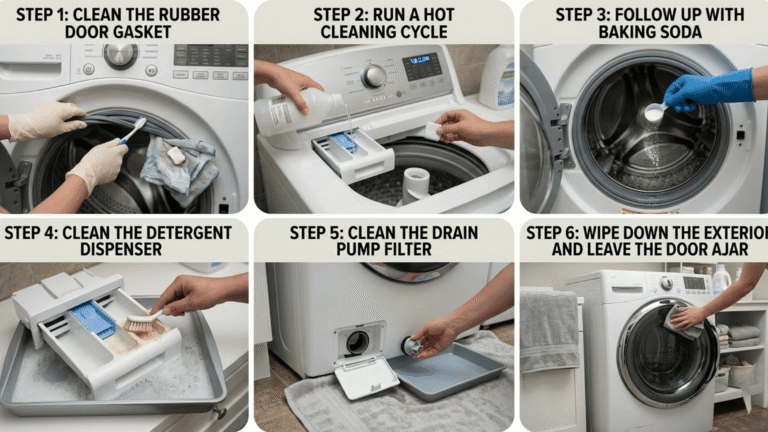
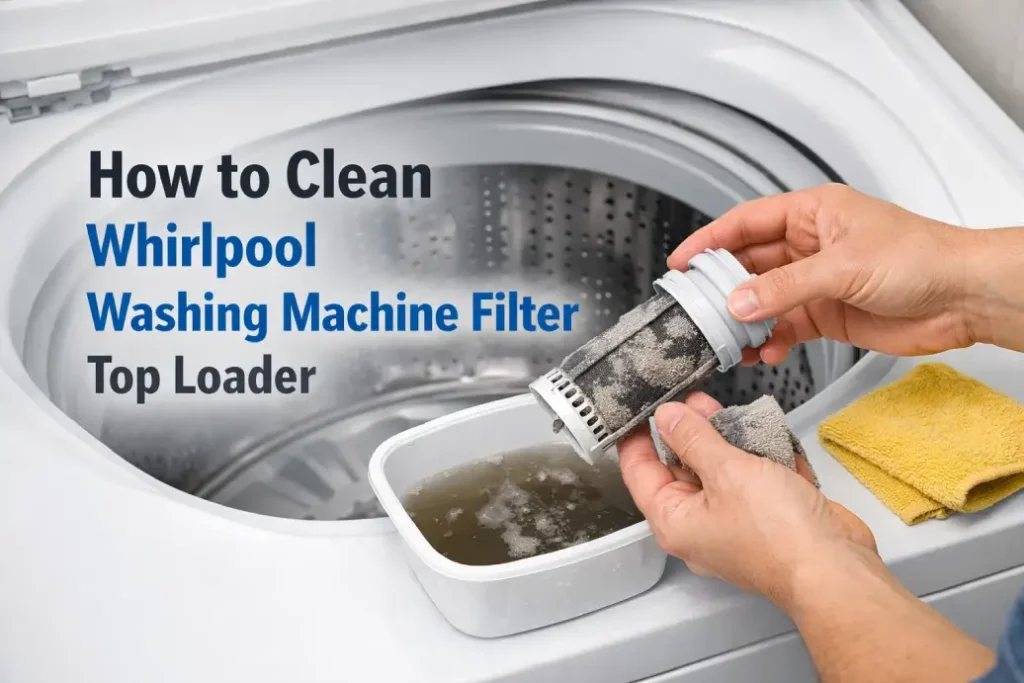
Use a cloth and brush to clean lint, hair, and detergent residue from the filter screen. Rinse with warm water.
Check the filter for cracks, holes, or damage. Also, clean the filter housing and pump area if you see debris buildup.
Reinstalling the Filter Properly
Once clean and dry, place the filter back firmly into its housing. Make sure it fits well and the gasket seals tightly.
Close the access panel and restore power and water supply. Run a short cycle to check for leaks and proper draining.
Additional Maintenance Tips
How Often to Clean the Filter
Experts recommend cleaning the washer filter at least every 3 to 6 months. Doing it more often helps prevent clogs, especially if you wash pet hair or lint-heavy clothes.
Mark your calendar or set a reminder to keep this task regular and easy to remember.
Preventing Future Filter Clogs
Try to remove loose lint and debris from clothes before washing. Avoid overloading the washer, which can cause more lint buildup.
Use the right amount of detergent and avoid fabric softeners that leave residue inside the filter housing.
Using Washer Cleaner Products
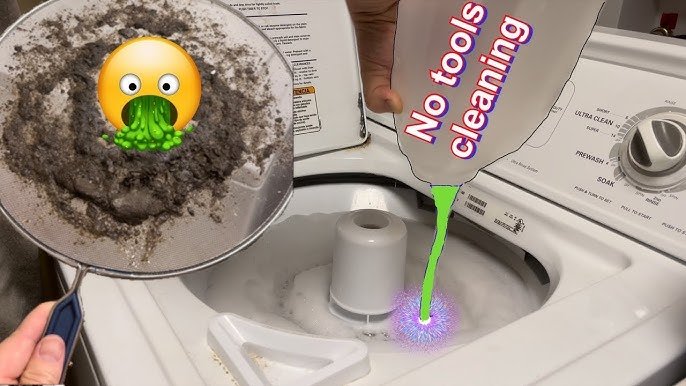
Special washer cleaner products help remove detergent residue and bacteria from the filter and drum. Use these monthly to keep your machine fresh.
For a deeper understanding of this mechanic, analyzing resources on top loader washing machine cleaning provides excellent foundational context.
Troubleshooting Common Filter Problems
Recognizing Filter-Related Error Codes
The Whirlpool Cabrio washer shows error codes when it senses drain or filter issues. Codes like F21 or F09 often relate to a clogged or faulty filter.
Check the user manual for your model’s codes and follow the guide to clear the problem by cleaning the filter.
Handling Stubborn Debris or Damage
If debris won’t come off easily, soak the filter in warm soapy water. Use a soft brush gently to avoid tears.
If the filter is cracked or the gasket looks worn, consider replacing it to prevent leaks and poor drainage.
When to Replace the Filter
Signs Filter Needs Replacement
Look for cracks, holes, or worn gasket parts on the filter. If cleaning does not fix draining or error code issues, replacement may be needed.
Leaking water around the filter or a bad seal are also signs to get a new filter.
How to Obtain Genuine Replacement Parts
Always get genuine Whirlpool Cabrio filter parts from authorized dealers or the official Whirlpool website. This ensures the right fit and durability.
Follow the washer filter replacement guide in your user manual for safe installation.
| Step | Action | Tips |
|---|---|---|
| 1 | Unplug and turn off water | Prevent shocks and leaks |
| 2 | Find filter location | Check manual if unsure |
| 3 | Open filter panel | Use screwdriver if needed |
| 4 | Remove filter slowly | Catch water with bucket |
| 5 | Clean filter and housing | Use brush and warm water |
| 6 | Check filter for damage | Replace if cracked or torn |
| 7 | Reinstall filter & close panel | Ensure tight seal |
| 8 | Run test cycle | Check for leaks |
Regular upkeep saves money and keeps your washer in top shape. For DIY washing machine maintenance, this guide is a great start.
Conclusion
Summary of Key Cleaning Steps
Cleaning the Whirlpool Cabrio top load filter involves locating, removing, and washing the filter. Inspecting for damage and reinstalling properly follows.
These simple steps improve water drainage, reduce errors, and extend your washer’s life.
Benefits of Regular Filter Maintenance
Keeping the filter clean prevents clogs, leaks, and bad smells. It saves energy and water by helping the machine run efficiently.
With regular care, your Whirlpool Cabrio washing machine will serve you well for many years. For further help, see guides on cleaning Cabrio washing machine and related topics.
Frequently Asked Questions
Why is cleaning the Whirlpool Cabrio washer filter important?
Cleaning the filter removes lint and debris that block water flow, helping the washer drain and work efficiently.
Where is the filter located in a Whirlpool Cabrio top load washer?
The filter is in the filter housing, near the bottom front or behind the agitator, depending on the model.
How often should I clean the washer filter?
It is best to clean the filter every 3 to 6 months to prevent blockages and maintain performance.
What if the washing machine filter is clogged?
Common signs include slow draining, error codes, leaks, or unusual noises during the washing cycle.
Can I replace my Whirlpool Cabrio washing machine filter myself?
Yes. Follow the user manual and get genuine parts to replace the filter safely and correctly.

Michael Peterson is a home appliance writer focused on practical washing machine care, maintenance, and troubleshooting. He shares simple, reliable tips to help readers keep their washing machines running efficiently, avoid common problems, and extend appliance life.