Introduction to Washing Stuffed Animals
Stuffed animals are loved by kids and adults alike. They collect dust and dirt over time. Cleaning stuffed toys helps keep them fresh and safe. Machine washing plush animals is a popular way to clean them without damage. This guide covers safe washing methods to keep your toys soft and clean.
Always start by reading the wash label instructions on the toy. This tells you if machine washing is safe for that stuffed animal. Some toys have polyester fiberfill stuffing that handles washing well. Others may have delicate fabrics or glued parts that need gentle care.
For a deeper understanding of safe stuffed toy cleaning, analyzing resources on machine washing plush animals provides excellent foundational context. This can help you decide the best method for your toy.
Preparing Stuffed Animals for Machine Washing
Before washing, check for any tears or loose seams. Repair these to stop stuffing from escaping. Remove any batteries or accessories like velcro closures or zipper compartments. These can get damaged or damage the machine.
Use a laundry mesh bag or pillowcase to protect the toy during the wash cycle. This prevents rough spinning from breaking delicate fabric or stitching. It also keeps the toy from tangling with other clothes.
Try to wash toys with similar colorfast fabrics to avoid color bleeding. Cold water wash is safest to keep colors bright and fabric intact. Avoid using fabric softener on toys as it can harm plush fabric over time.
Choosing the Right Wash Cycle Settings
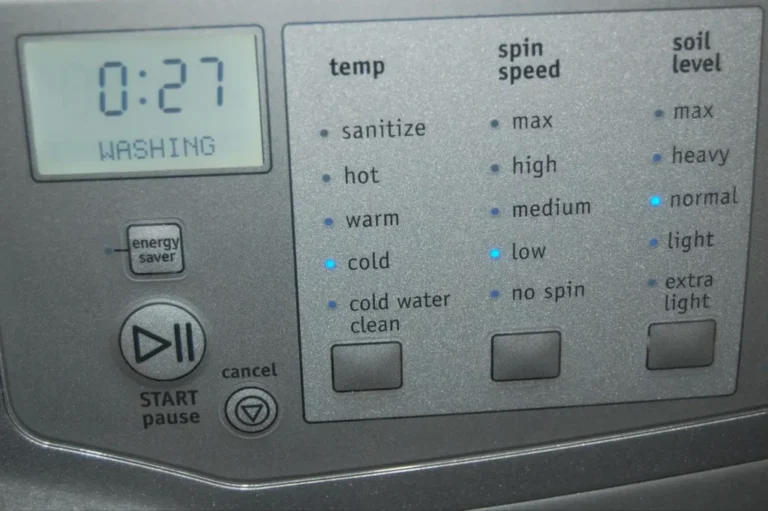
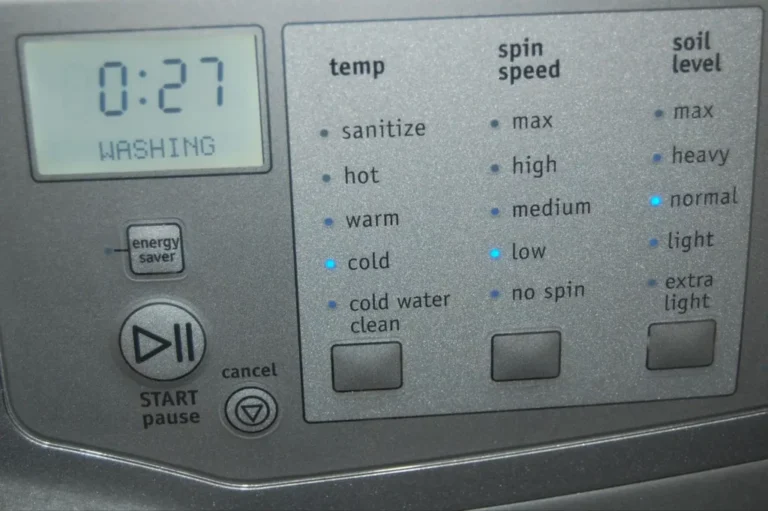
Select a gentle or delicate wash cycle on your machine. These cycles use slow spin speeds and less agitation. This is best for fragile stuffed animals and helps preserve the softness of plush fabric.
Cold water is the best machine wash temperature for stuffed animals. It cleans dirt and removes odors without shrinking or fading fabric. Use a gentle detergent that is free from bleach or harsh chemicals. These can break down toy stuffing and fabric.
If your machine has a soil level option, choose low soil. This reduces wash intensity and protects the toy.
Spin cycle should be set low or off to avoid stress on seams and plush fabric. Too much spinning can deform the toy or cause stuffing to clump.
Detergents and Stain Removal Tips
Use a mild detergent made for delicate fabrics. Avoid bleach unless the toy tag says fabric safe bleach is okay. For tough stains, pre-treat with a gentle stain treatment before washing. Dab the stain lightly rather than rubbing hard.
Removing odors from toys can be done with a mix of baking soda and detergent. Sprinkle baking soda on the toy first, let sit, then wash as usual. This helps neutralize smells without harsh chemicals.
Always test any stain removal product on a small hidden area first. This avoids discoloration or fabric damage.
![Analysis of How to Clean Stuffed Animals in the Washing Machine [Fastest Method]](https://i.ytimg.com/vi/6ZACQqTW9Sg/maxresdefault.jpg "How to Clean Stuffed Animals in the Washing Machine [Fastest Method] (Figure)")
Drying Stuffed Animals Safely
Drying stuffed animals carefully is key to preserving plush softness. Avoid high heat tumble drying. This can melt synthetic fibers or shrink fabric. Use a drying rack and air drying indoors or in shade.
If you use a dryer, set it to low heat or air fluff. Add dryer sheets to reduce static and keep fabric soft. Check the toy regularly during drying to avoid overheating.
Fluff the toy by hand after drying to restore shape. Stuffing like polyester fiberfill can clump, so gently separate it to keep the toy plush.
Hand Wash vs Machine Wash
Some toys are better hand washed, especially those with delicate fabric or glued parts. Hand washing lets you control water temperature and avoid rough agitation. Use a basin with cold water and gentle detergent. Rinse well and air dry.
Machine washing is faster and good for sturdy toys. It cleans deeper and helps wash stuffed animals regularly. Choose the right method based on your toy’s fabric and wash label instructions.
For machines that won’t spin well or have issues, learning how to fix washer machine that wont spin can help maintain effective washing for all laundry, including stuffed animals.
How to Maintain Soft Toys Between Washes
Regular maintenance helps keep stuffed animals clean longer. Use a lint roller or soft brush to remove dust and pet hair. Spot clean stains quickly to avoid deep set dirt.
Store toys in dry, clean areas to prevent odors and mildew. Washing stuffed animals regularly, about every few months, keeps them fresh and safe for play.
Check toy seams and repairs often. Fix small tears before washing to protect stuffing and fabric.
Wash Cycle Settings and Detergent Guide
Below is a table showing ideal wash settings for common stuffed animal materials.

| Stuffed Animal Material | Water Temp | Wash Cycle | Detergent Type |
|---|---|---|---|
| Polyester Fiberfill Plush | Cold | Gentle/Delicate | Gentle Detergent |
| Cotton Fabric | Cold to Warm | Delicate | Mild Detergent |
| Velcro/Zipper Toys | Cold | Hand Wash or Gentle | Gentle Detergent |
| Delicate Fabrics (Silk, Felt) | Cold | Hand Wash Recommended | Specialty Detergent |
Choose detergents carefully to avoid harsh chemicals that harm stuffed animals’ softness and color.
Use this checklist before washing your stuffed animals:
- ✅ Check for loose seams or tears
- ✅ Remove batteries and accessories
- ✅ Place in laundry mesh bag
- ✅ Select gentle cycle with cold water
- ✅ Use mild detergent
- ✅ Air dry or tumble dry low
Step-by-Step Guide to Machine Wash Stuffed Animals
Follow these steps to clean your stuffed animals safely:
- Inspect toy for damage and remove accessories
- Place toy in laundry mesh bag for protection
- Set washing machine to gentle cycle and cold water
- Add mild detergent designed for delicate fabrics
- Start wash and avoid heavy spin cycles
- Remove toy promptly after wash
- Air dry on drying rack or tumble dry low heat
- Fluff stuffing by hand after drying
Regular washing and proper care keep toys soft and clean over time.
Hand Wash vs Machine Wash Comparison
Here is a clear comparison of hand washing and machine washing stuffed animals:
| Feature | Hand Wash | Machine Wash |
|---|---|---|
| Time Required | Longer | Shorter |
| Fabric Safety | Best for Delicate Fabrics | Best for Sturdy Toys |
| Cleaning Depth | Moderate | Deep |
| Risk of Damage | Low | Moderate |
| Convenience | Less Convenient | More Convenient |
Choose the method that fits your toy’s needs and washing machine condition.
Machine washing is often more practical but hand washing is safer for fragile toys. This balance is key for toy care.
Conclusion: Best Practices for Washing Stuffed Animals
Machine washing stuffed animals is safe when done correctly. Use gentle wash cycles, cold water, and mild detergent. Protect toys with laundry bags and avoid harsh treatments. Dry toys carefully to keep them soft and fresh.
Check your stuffed animal’s tag and fabric type to decide the best washing method. Regular maintenance between washes will extend toy life and keep them clean.
For more on keeping your washing machine effective for delicate loads, understanding how to clean electrolux washing machine can be helpful. Proper machine care improves cleaning results and protects all your laundry, including stuffed animals.
Following these steps keeps your stuffed animals safe and cuddly, ready for play anytime.
Frequently Asked Questions
Can all stuffed animals be machine washed?
Not all stuffed animals can be machine washed. Check wash label instructions and fabric type before washing.
What wash cycle is best for stuffed toys?
A gentle or delicate wash cycle with cold water is best to protect stuffed animals from damage.
Should I use detergent for stuffed animals?
Yes, use a gentle detergent that is safe for delicate fabrics to avoid wear and tear.
How do I dry stuffed animals after washing?
Air drying on a drying rack is safest. Tumble drying on low heat can be used cautiously.
How often should stuffed animals be washed?
Washing stuffed animals regularly depends on use, but every few months helps keep them clean and odor-free.

Keith Boyd Is A Seasoned Appliance Care Expert With Over A Decade Of Experience In Home Appliance Maintenance. His Authoritative Insights On Washing Machine Care And Upkeep Are Trusted By Homeowners Nationwide. With A Passion For Educating Others, Keith Shares Valuable Tips That Ensure Your Appliances Run Smoothly For Years To Come.