Understanding Washing Machine Rug Cleaning
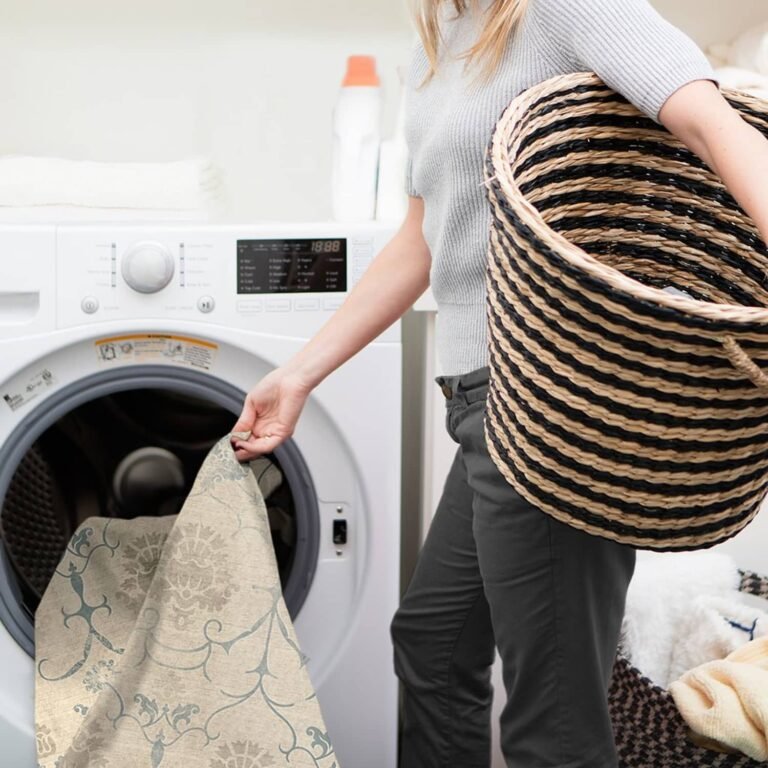
Many wonder if they can put a rug in the washing machine. The answer depends on the rug’s material, size, and care instructions. Machine washable rugs are designed to handle gentle cycles. Knowing rug material washing instructions and size limits helps avoid damage.
Before washing, always check the fabric care label. This label guides you on washing temperature settings and detergents that suit the rug. For a deeper understanding of various rug cleaning methods, analyzing resources on can you wash rugs in the washing machine provides excellent foundational context.
Small area rugs and throw rugs are more likely to be machine washable than large shag or plastic rugs. Machine washing can save time but requires care to avoid machine damage or rug wear.
Rug Materials and Their Washing Instructions
Rugs come in many fibers. Cotton rugs and synthetic fiber rugs are usually machine washable on a delicate cycle. Wool rugs and natural fiber rugs like jute need gentler care, often hand wash or professional cleaning.
Understanding the rug backing and the fibers is key. Synthetic rugs tolerate cold water wash and mild detergent well. Wool rugs must avoid high temperatures and harsh detergents to prevent shrinking or fuzzing.
Fabric softener is not recommended for wool rugs, as it can coat fibers and reduce softness. Always use detergents made for delicate fabrics or wool.
| Rug Type | Washing Method | Water Temperature | Detergent |
|---|---|---|---|
| Cotton Rugs | Machine wash (delicate) | Cold to warm | Mild detergent |
| Wool Rugs | Hand wash or professional | Cold | Wool-specific detergent |
| Synthetic Fiber Rugs | Machine wash (delicate) | Cold | Mild detergent |
| Natural Fiber Rugs (Jute, Sisal) | Spot clean or professional | Do not soak | None or mild spot cleaner |
Machine washable rugs often have a label confirming safe washing machine use. If unsure, hand wash or spot clean to protect the rug.
Washing Machine Rug Size Limit and Safety
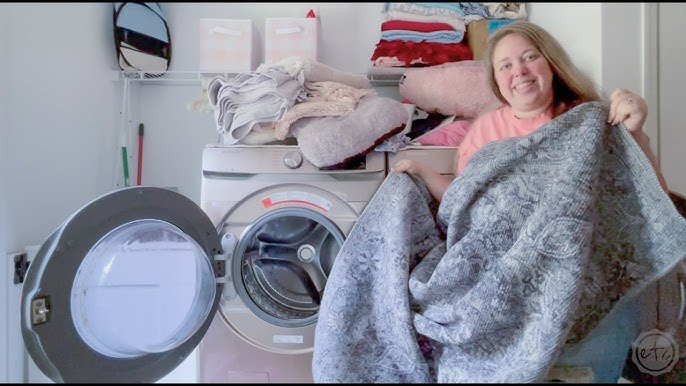
The washing machine drum size limits the rug you can safely wash. Overloading the drum can damage both rug and machine. Most home washers handle rugs up to 3×5 feet if not too thick.
Large or heavy rugs should never be machine washed. They can unbalance the washing machine and cause mechanical issues. Consider professional rug cleaning for big rugs.
Be mindful of rug washing safety by inspecting the rug for loose threads or backing damage before washing. These can worsen in the wash cycle.
For those curious about the mechanics, understanding what is drum in washing machine can help you know how items get cleaned and how weight affects operation.
Pre-Treating Rug Stains Before Washing
Spot cleaning is vital before full washing. Pre-treating rug stains improves cleaning results and protects fibers from harsh scrubbing.
Use a stain remover suitable for the rug’s material. For synthetic or cotton rugs, gentle stain removers or diluted detergent works well. Wool rugs require specialized wool-safe stain treatments.
Always test stain remover on a small hidden area first. Avoid over-wetting the rug to prevent backing damage.
Let the stain remover sit for 10-15 minutes before washing. This softens the stain and helps detergents work better during the main wash.
:max_bytes(150000):strip_icc()/SPR-how-to-wash-a-ruggable-rug-7966013-03-cfc9559f653245b1a947cdeafed65de9.jpg "Should You Wash Rugs in the Washing Machine? (Figure)")
Hand Wash vs Machine Wash Rug: Which is Better?
Hand washing is gentler and better for delicate rugs like wool or natural fibers. It prevents shrinkage and preserves rug texture. Use cool water and wool detergent, rinsing thoroughly.
Machine washing suits sturdy rugs with no delicate fibers or backing. Use the delicate cycle with cold water. Avoid fabric softener and choose a mild detergent.
Hand wash takes more effort but lowers risk of damage. Machine wash saves time but requires care to avoid wear or machine strain.
- ✅ Hand Wash: Low damage risk, time-consuming
- ✅ Machine Wash: Quick, risk of wear and machine strain
Drying Rugs After Washing
Drying is a key step to keep rugs fresh and prevent mold. Air dry rugs flat or hang them outdoors if possible. This avoids shape distortion and backing damage.
Tumble drying is usually not recommended unless the care label allows it. Heat can shrink or weaken fibers and ruin rug backing.
Ensure rugs are fully dry before putting them back on the floor to avoid mildew. Rugs with thick piles may take longer to dry.
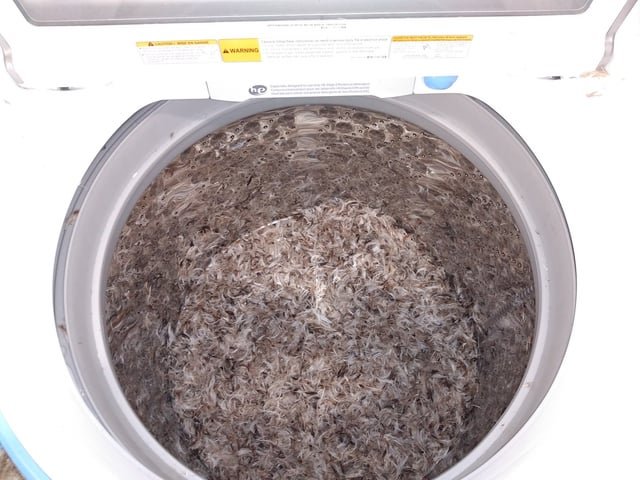
Lint filters in washing machines can catch fibers shed during wash. Clean the lint filter after washing rugs to keep your machine working well.
How Often Should You Wash Your Rugs?
Rug washing frequency depends on use and material. High-traffic area rugs may need washing every 6 months. Throw rugs or less used ones can be washed once a year.
Regular vacuuming and spot cleaning extend the time between full washes. Overwashing can wear out fibers faster.
Wool and natural fiber rugs benefit from less frequent washing but more professional cleanings to protect them.
For more ideas on cleaning specific rug types, see the guide on washing runners in washing machines.
Home Rug Cleaning Techniques
Besides washing, several home rug cleaning methods keep rugs fresh. Vacuuming regularly removes dirt and dust. Spot cleaning with mild detergent treats small stains.

Shag rugs need gentle agitation to avoid matting. Use a brush or your hands to fluff fibers after drying.
Fabric softener is not advised for synthetic or wool rugs. It can coat fibers and make them less absorbent.
| Cleaning Method | Best Rug Types | Notes |
|---|---|---|
| Vacuuming | All rugs | Regular use prevents dirt buildup |
| Spot Cleaning | Machine washable and delicate rugs | Use mild detergent or stain remover |
| Hand Washing | Wool, natural fibers | Gentle, use wool detergent |
| Machine Washing | Cotton, synthetic rugs | Delicate cycle, cold water |
Sometimes, professional rug cleaning is the safest choice, especially for valuable or antique rugs. Experts use methods to deep clean without damage.
Choosing the Right Rug Washing Detergents
Detergents matter in maintaining rug quality. Use mild detergents for cotton and synthetic rugs. Avoid bleach and harsh chemicals which break down fibers.
Wool rugs need special wool detergents to keep fibers soft and strong. Never use regular detergent on wool.
Fabric softener is generally not recommended. It can leave residues that attract dirt or harm the rug’s texture.
Always rinse rugs thoroughly to remove detergent traces, which can cause stiffness or build-up.
Conclusion: Safely Washing Rugs in Your Machine
Can you put a rug in the washing machine? Yes, but only if the rug is machine washable, fits the drum size, and you follow care instructions. Most cotton and synthetic rugs handle gentle cold water cycles well.
For delicate, wool, or natural fiber rugs, hand washing or professional cleaning is safer. Pre-treat stains and never overload your machine. Dry rugs flat and fully to avoid damage.
Regular vacuuming and spot cleaning add to rug care. Knowing your rug’s material and washing limits keeps it safe and fresh longer.
For more tips on how to wash various types of rugs safely, see the detailed advice on washing runners in washing machines.
Frequently Asked Questions
Can all rugs be washed in a washing machine?
No. Only rugs labeled as machine washable or made from durable synthetic fibers or cotton can be safely washed in a washing machine.
What is the best washing cycle for rugs?
The delicate or gentle cycle with cold water is best for washing rugs to reduce wear and prevent damage to fibers.
How often should I wash my rugs?
Washing frequency depends on use and material but generally every 6-12 months is suitable for most rugs.
Is hand washing better than machine washing for rugs?
Hand washing is safer for delicate or natural fiber rugs like wool, while machine washing can suit sturdy rugs.
How should I dry rugs after washing?
Air drying flat or hanging is best to protect the rug’s shape and backing. Avoid tumble drying unless the care label allows it.

Michael Peterson is a home appliance writer focused on practical washing machine care, maintenance, and troubleshooting. He shares simple, reliable tips to help readers keep their washing machines running efficiently, avoid common problems, and extend appliance life.