Introduction to Washing Ties
Ties add style but need special care. Many wonder if washing ties in a machine is safe. Understanding fabric types and washing methods can help keep ties looking new. For broader context on delicate machine washing, see this guide on machine washing delicate items.
Machine washing ties is tricky. It depends on fabric and stain type. This article covers best practices, risks, and tips for safe tie cleaning at home.
Let’s explore fabric care and washing machine settings that protect your ties.
Types of Tie Fabrics and Their Care
Ties come in silk, cotton, polyester, and wool. Each fabric needs different care. Silk is delicate and prone to damage. Cotton and polyester are more durable. Wool needs gentle handling.
Knowing your tie’s fabric helps decide the cleaning method. Many silk ties should avoid machines to prevent color fading and wrinkles.
| Fabric Type | Machine Washable | Recommended Cleaning |
|---|---|---|
| Silk | No | Hand wash or dry clean |
| Cotton | Yes (delicate cycle) | Machine wash cold or hand wash |
| Polyester | Yes | Machine wash delicate cycle |
| Wool | No | Dry clean or hand wash |
Always check the label for specific washing instructions. Ignoring fabric care can cause damage.
When in doubt, hand washing is safer than machine washing.
Can You Wash Ties in a Washing Machine?
Industry consensus warns against washing silk or wool ties in machines. The delicate cycle may still damage the shape and fabric. Cotton and polyester ties can sometimes be machine washed carefully.
Using a mesh laundry bag and cold water helps reduce damage risk. Avoid high spin speeds that cause wrinkles and fabric stress.
Experts suggest hand washing to remove stains and freshen ties when possible.
For a deeper understanding of washing ties, analyzing resources on machine wash tie care provides excellent foundational context.

Washing Machine Settings for Tie Care
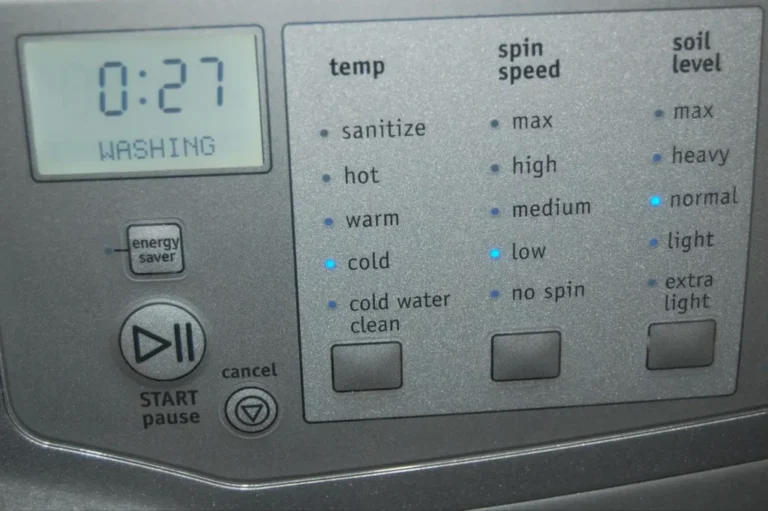
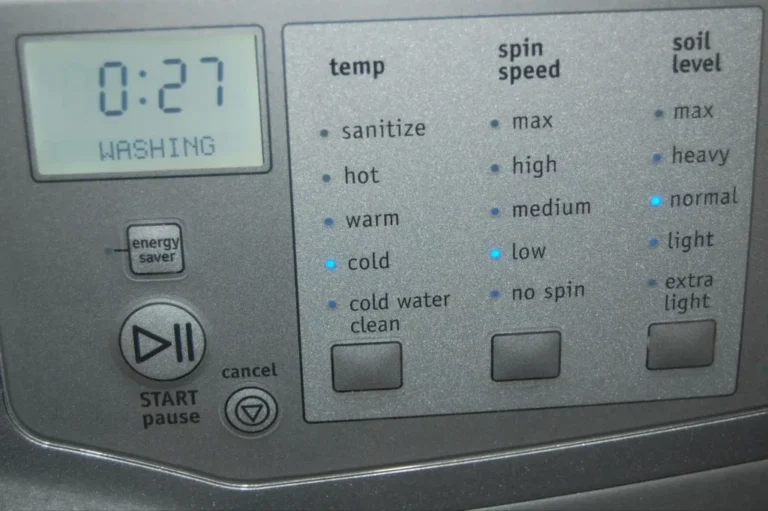
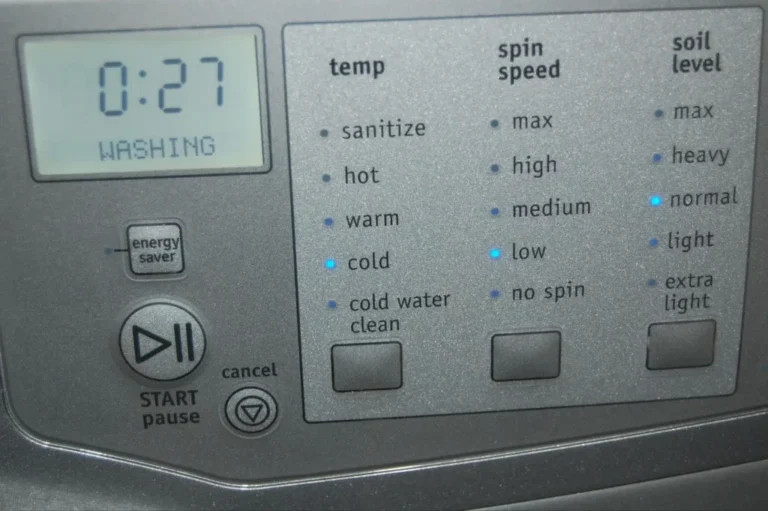
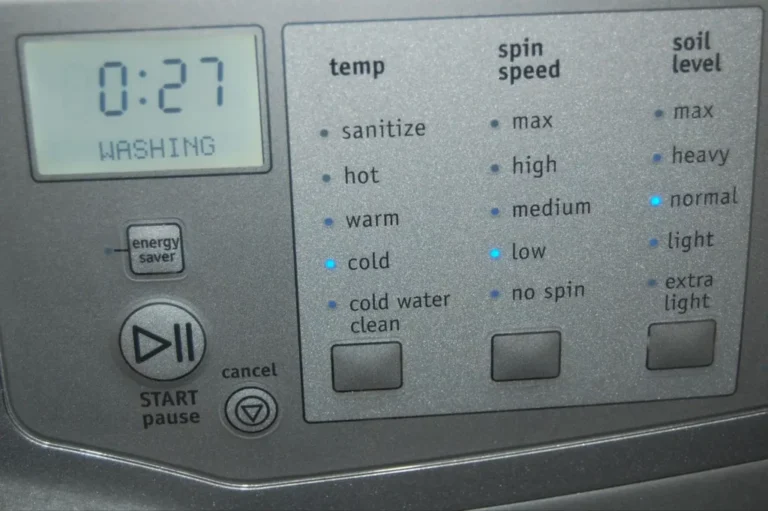
Use the delicate or gentle cycle for ties that can handle machine washing. Set water temperature to cold. Use a mild detergent without bleach.
Place ties in a mesh bag to protect them from agitation. Avoid mixing ties with heavy items that could damage the fabric.
Spin speed should be low or off to prevent wrinkles. Avoid tumble drying ties as heat can damage fibers.
Always check tie tags for washing symbols before machine use.
Hand Wash vs Machine Wash Ties
Hand washing is the safest method for silk and wool ties. Use cool water and gentle detergent. Soak briefly and gently rub stains.
Machine washing risks fabric damage, color bleeding, and loss of shape. It is suitable only for sturdy fabrics like cotton and polyester.
Hand washing also reduces the chance of stains setting in or fabric fading. It allows better control of stain treatment.
Machine wash only if tie fabric and care label allow it.
Removing Stains from Ties Safely
Act fast when stains occur on ties. Blot stains gently instead of rubbing. Use a mild detergent or a stain remover made for delicate fabrics.
Test stain removers on a hidden area first. Avoid harsh chemicals that can damage silk or wool.
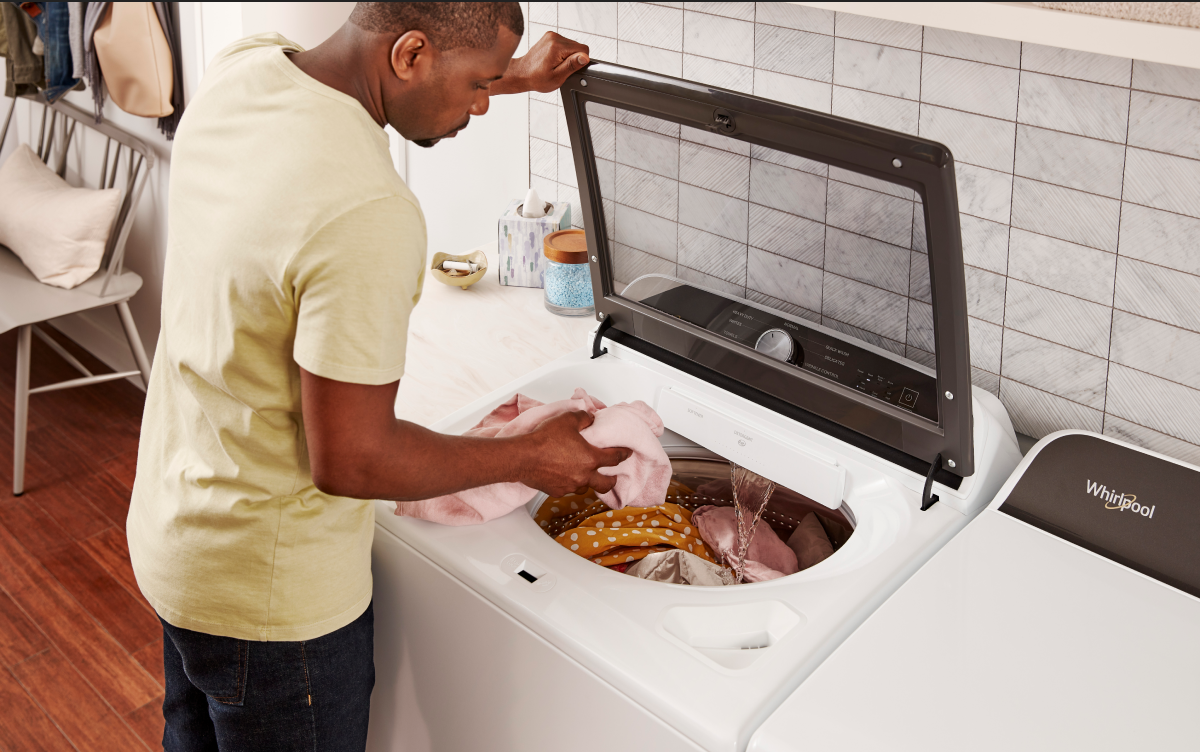
Spot clean with cold water and detergent. Avoid soaking ties too long to prevent color loss.
For tough stains, professional cleaning is best.
Drying Ties After Washing
Never wring or twist ties. Lay them flat on a clean towel to air dry. Roll the towel gently to remove excess water.
Avoid hanging ties as this may stretch the fabric. Keep ties away from direct sunlight to prevent color fading.
Using a cool iron or steamer can remove wrinkles once the tie is dry.
Proper drying helps maintain the tie’s shape and fabric quality.
Tie Washing Tips and Precautions
Always read the care label carefully before washing. Use only mild detergents designed for delicate fabrics.
Test any cleaning method on a small area first. Avoid bleach and fabric softeners on ties.
Do not mix ties with heavy clothes in the washing machine. Use a mesh bag to protect ties during machine wash.
Dry cleaning remains the safest option for many ties, especially silk and wool.
For stain removal and delicate washing advice, also check this in-depth guide on cleaning delicate fabrics.
Comparison of Tie Cleaning Methods
| Method | Fabric Safety | Damage Risk | Ease |
|---|---|---|---|
| Hand Wash | High (silk, wool safe) | Low | Moderate |
| Machine Wash (Delicate) | Moderate (cotton, polyester) | Moderate to High | High |
| Dry Cleaning | High (all fabrics) | Low | Low (requires service) |
Choosing the right method depends on your tie’s fabric and stain level. Hand wash is safest for delicate ties. Machine wash suits sturdy fabrics but with care.
Conclusion
Washing ties in a washing machine is not generally recommended. Silk and wool ties risk damage, color fading, and loss of shape.
Cotton and polyester ties can be washed on a delicate cycle with precautions. Use cold water, mild detergent, and mesh bags to protect them.
Hand washing remains the preferred way to clean most ties safely. Dry cleaning is the best option for tough stains or very delicate fabrics.
Taking proper care with fabric types, stain removal, and drying methods will keep ties looking sharp through 2026 and beyond.
For more on delicate garment care, see our expert guide on safe washing machine tips.
Frequently Asked Questions
Can you wash silk ties in a washing machine?
Silk ties are delicate and usually should not be machine washed. Hand washing or professional dry cleaning is safer to prevent damage.
What is the best way to remove stains from ties?
Use a gentle stain remover or mild detergent and treat the stain by hand. Avoid harsh chemicals and rubbing to protect the fabric.
Are polyester ties safe to wash in a machine?
Polyester ties are more durable and can sometimes be washed on a delicate cycle. Use a mesh bag and cold water to reduce damage risk.
How should you dry ties after washing?
Lay ties flat on a clean towel to air dry. Avoid wringing or using a dryer, which can cause wrinkles and fabric damage.
Is dry cleaning better than machine washing for ties?
Dry cleaning is often the safest method, especially for silk and wool ties. Machine washing carries a higher risk of damage and color fading.

Keith Boyd Is A Seasoned Appliance Care Expert With Over A Decade Of Experience In Home Appliance Maintenance. His Authoritative Insights On Washing Machine Care And Upkeep Are Trusted By Homeowners Nationwide. With A Passion For Educating Others, Keith Shares Valuable Tips That Ensure Your Appliances Run Smoothly For Years To Come.