Introduction to Washing Towels
Washing towels correctly is key to keeping them clean, soft. And long-lasting. Towels absorb moisture and germs, so good towel hygiene matters. Choosing the right machine wash settings and products helps maintain towel fibers and color.
Industry consensus indicates that using proper temperature and detergent improves towel absorbency and softness. For more on laundry machine use, see this guide on how many gallons does washer machine use.
Effective towel laundering tips can save money and reduce waste.
Machine Wash Settings for Towels
Set your washing machine on a warm or hot water cycle for cotton towels. Hot water kills bacteria and helps remove stains. For microfiber towels, use cold or warm water to protect delicate fibers.
Use the regular or cotton wash cycle, which offers enough agitation to clean towels well. Avoid delicate cycles that may leave towels dirty.
Check the towel care instructions on the label to confirm the best temperature settings.
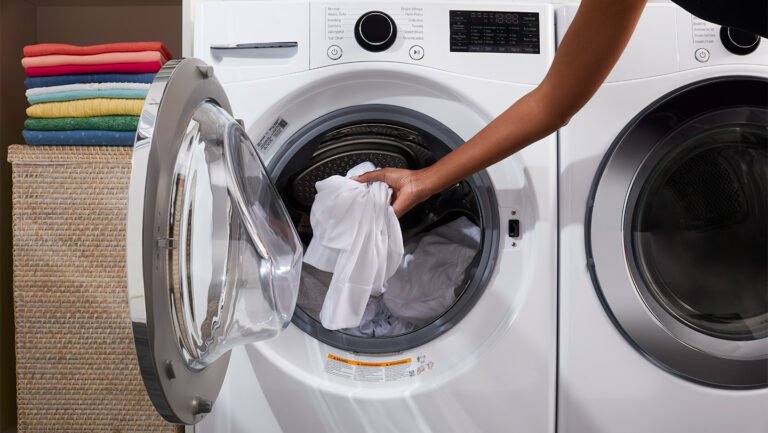
Proper load size is crucial. Overloading prevents towels from cleaning well, while washing too few wastes water and energy.
Choosing Laundry Detergent and Fabric Softener
Use a laundry detergent made for towels or heavy fabrics. These detergents remove body oils and dirt better. Powder or liquid detergents work if they are strong enough to clean thick towel fibers.
Fabric softener makes towels feel soft but can coat fibers and reduce absorbency. Experts suggest skipping fabric softener or using it only on rare occasions.
Instead, add half a cup of white vinegar in the rinse cycle to soften towels and remove detergent build-up naturally.
For a deeper understanding of fabric care, analyzing resources on how to wash towels properly provides excellent foundational context.
Towel Washing Temperature Guide
Hot water (130°F or above) is ideal for white cotton towels to sanitize and remove stains. Warm water (90°F to 110°F) suits colored cotton towels to prevent fading. Cold water (below 80°F) is best for microfiber towels to avoid fiber damage.
Using the right water temperature supports towel longevity and hygiene. Be careful not to use water that is too hot for synthetic or colored towels.
Adjust temperature settings according to towel type and soil level.
Removing Stains from Towels
Pre-treat stains with a stain remover or a paste of baking soda and water. Apply it directly and let it sit for 15 minutes before washing.
For tough stains, soak towels in warm water with detergent or oxygen bleach for 30 minutes before machine washing.
Use bleach only on white towels to avoid damage or color loss. Always follow product instructions carefully.
General stain removal ensures your towels stay fresh and clean.
Machine Drying Towels
Dry towels on a medium or low heat setting to preserve fibers. High heat can weaken cotton and microfiber towels over time.
Shake towels before drying to reduce lint and speed drying time. Clean the lint filter regularly to maintain dryer efficiency.
Remove towels promptly when dry to prevent odor and wrinkles.
Air drying is an option but takes longer and may leave towels stiff.
Towel Washing Frequency and Maintenance
Wash bath towels every 3 to 4 uses to keep them clean and odor-free. Kitchen towels may need washing after each use due to heavy soil.
Avoid overloading the washer to allow towels to move freely and get clean. Separate towels by color and fabric type.
Regular washing removes bacteria, oils. And residues that cause odors and damage.
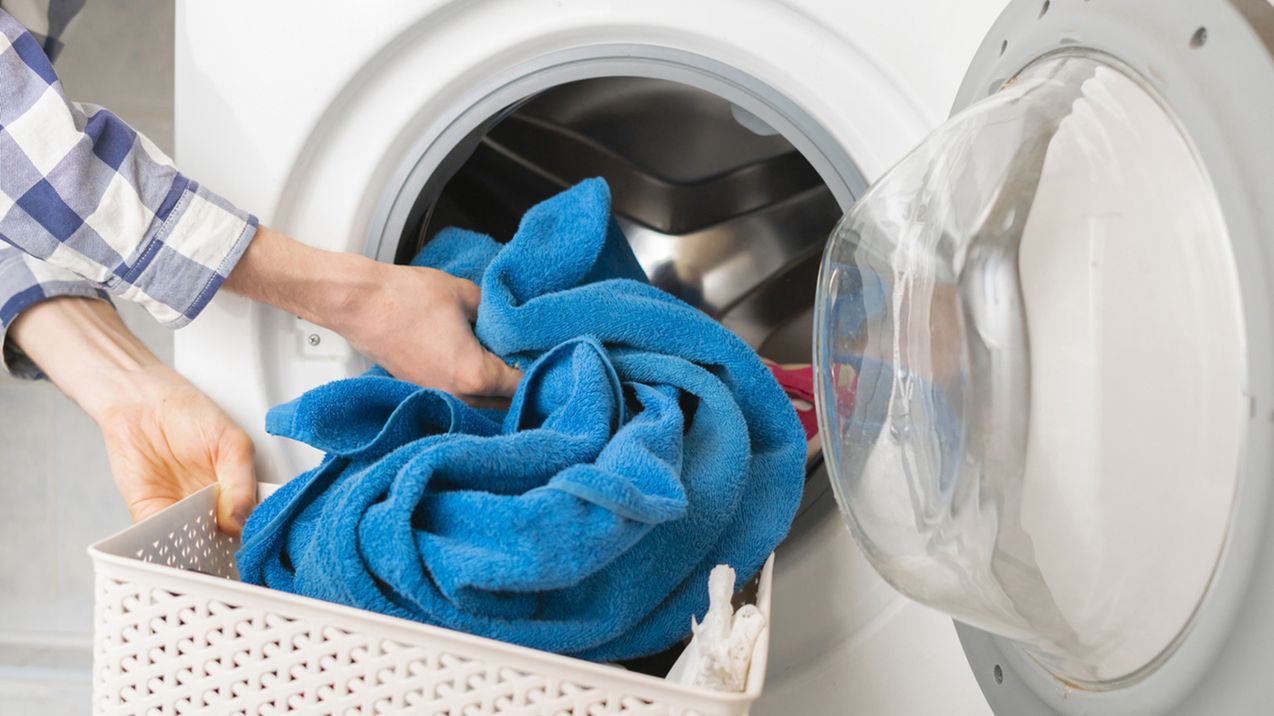
Following towel wash cycle recommendations helps maintain towel quality and hygiene.
Preventing Towel Damage
Avoid washing towels with items that have zippers or hooks, which can snag fibers. Use gentle detergents and avoid bleach on colored towels.
Limit fabric softener use to prevent buildup. Do not overload the washing machine or dryer to reduce friction and wear.
Proper drying methods prevent mildew and fiber breakdown.
Store towels in a dry, ventilated area to maintain freshness.
| Tip | Benefit |
|---|---|
| Wash towels separately | Prevents damage and color transfer |
| Use warm water | Kills germs and removes dirt |
| Skip fabric softener often | Maintains absorbency and softness |
| Dry on medium heat | Preserves fibers and reduces wear |
These towel maintenance steps extend towel life and comfort.
For more towel care advice, you can explore detailed guides on how to wash towels in washing machine.
Caring for Different Towel Types
Cotton towels are durable and tolerate hot water well, making them ideal for regular washing cycles. Microfiber towels need gentler care with cold water and mild detergents to keep fibers intact.
Always check towel labels for fabric softener and bleach warnings. Using the right wash cycle protects colorfastness and towel absorbency.
Proper towel care instructions help avoid shrinkage and fiber damage.
| Towel Type | Water Temp | Detergent Type | Drying |
|---|---|---|---|
| Cotton | Warm to Hot | Strong detergent | Medium heat |
| Microfiber | Cold to Warm | Mild detergent | Low heat or air dry |
Following these simple rules keeps towels fresh and usable longer.
Removing Odors from Towels
To remove odors, add half a cup of white vinegar or baking soda to the wash cycle. These natural products break down residues and kill bacteria.
Ensure towels dry fully after washing. Damp towels breed mold and bad smells.
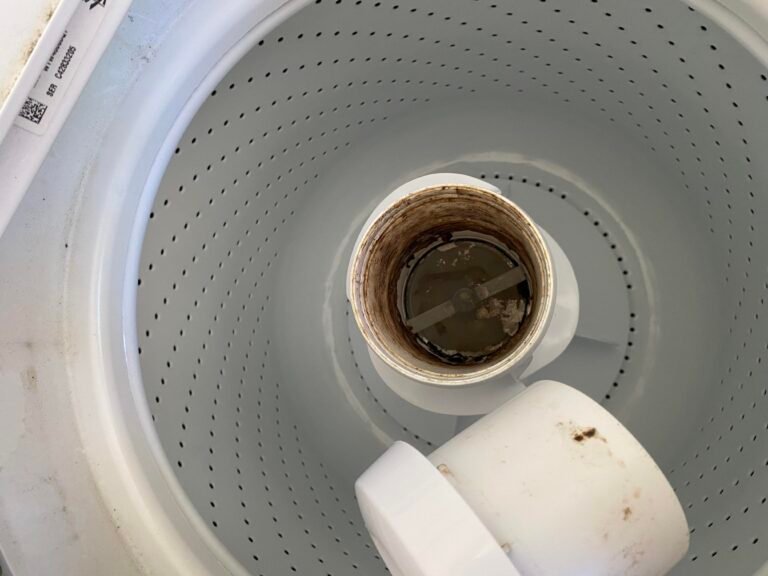
Regular cleaning of your washing machine also prevents odors from transferring to towels.
Using the right wash cycle and detergent supports towel freshness.
| Odor Removal Method | How It Works |
|---|---|
| White Vinegar | Breaks down detergent and odors |
| Baking Soda | Neutralizes smells and softens fabric |
| Hot Water Wash | Kills odor-causing bacteria |
Use these tips to keep towels smelling clean and fresh.
For more tips on towel care, see the resource on towel care guide.
Conclusion: Master Towel Washing in 2026
Washing towels well means using the right settings, detergent. And drying methods. Warm or hot water is best for cotton towels, while microfiber towels need gentler care.
Avoiding fabric softener often keeps towels soft and absorbent. Removing stains and odors improves towel hygiene and longevity.
Remember to wash towels regularly and dry them fully to prevent damage and smells. Following these tips helps maintain your towels’ quality in 2026 and beyond.
With care, your towels will stay clean, soft. And fresh for many uses.
Frequently Asked Questions
How often should I wash my bath towels?
Experts recommend washing bath towels every 3 to 4 uses to keep them clean and odor-free.
Can I use fabric softener on towels?
Using fabric softener can reduce towel absorbency. It is best to avoid or use it sparingly to maintain softness without harming fibers.
What is the best water temperature to wash towels?
Warm or hot water helps remove dirt and kills germs on towels but always check the care label for fabric-specific instructions.
Is it safe to wash towels with bleach?
Bleach can be used on white cotton towels for stain removal and hygiene but should be avoided on colored or microfiber towels to prevent damage.
How do I remove towel odor after washing?
To remove odors, wash towels with vinegar or baking soda, and ensure they dry completely before storing.

Keith Boyd Is A Seasoned Appliance Care Expert With Over A Decade Of Experience In Home Appliance Maintenance. His Authoritative Insights On Washing Machine Care And Upkeep Are Trusted By Homeowners Nationwide. With A Passion For Educating Others, Keith Shares Valuable Tips That Ensure Your Appliances Run Smoothly For Years To Come.