Imagine stepping into a bustling street in Beijing where red lanterns sway lazily in the winter breeze, and the aroma of dumplings mixes with the laughter of families reunited for the Lunar New Year. That’s the spirit alive and kicking in 2027, a year circled carefully on calendars across Asia thanks to the Chinese Lunar Calendar. But what exactly is this calendar, and why does 2027 hold so much hype?
Diving Into the Chinese Lunar Calendar
The Chinese Lunar Calendar isn’t your standard calendar. Instead of just following the sun’s path like the Gregorian calendar, this one dances to the moon’s rhythm, calculating months from new moon to new moon. As a result, months vary between 29 and 30 days, making it a hybrid that needs occasional tweaks, known as leap months, to stay aligned.
This lunisolar system determines not only your daily schedules but dictates centuries-old festivals, astrology, and much of cultural life in Chinese communities worldwide. According to the historical records from the Encyclopedia Britannica on Chinese New Year, it’s a system refined over millennia, deeply embedded in agricultural cycles and cosmic philosophy.
What’s So Special About 2027? The Year of the Goat
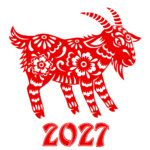
2027 is nothing ordinary—it’s the Year of the Goat. In Chinese astrology, the goat symbolizes creativity, calmness, and affinity for nature, often associated with artistic types and peacemakers. Unlike the usually flashy Year of the Dragon, the Goat year slips in subtler, inviting quieter introspection and close community bonds.
- People born in the Goat year are thought to be gentle, mild-mannered, yet resilient.
- The animal’s traits influence forecasts ranging from career moves to romantic successes throughout 2027.
- Cultural events will often feature goat motifs, and gifts themed around this animal become popular tokens of luck.
For an insightful perspective on each Chinese zodiac animal and how they shape the annual atmosphere, the Royal Museums Greenwich offers a comprehensive guide that spans centuries of tradition.
Key Dates to Circle in 2027
| Date | Event |
|---|---|
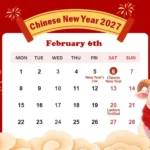
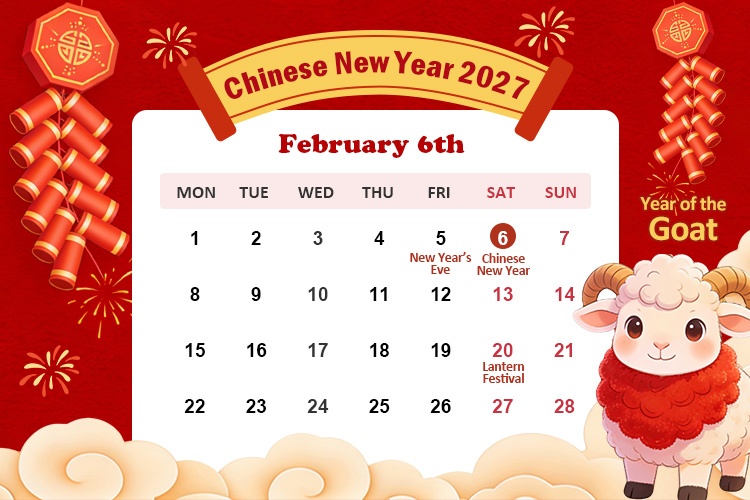
| February 6, 2027 (Expected) | Chinese Lunar New Year – The start of the Year of the Goat |
| February 19, 2027 | Lantern Festival – Marks the end of the New Year celebrations |
| April 4-6, 2027 | Qingming Festival – Traditional day for ancestor remembrance |
Source: www.chinatravel.com
The exact date for the Lunar New Year in 2027 is expected to fall on February 6, but keep in mind that some sources like the Farmers’ Almanac mark it as ‘to be officially announced’—mainly because time zones and astronomical calculations influence it.
The Traditions Driving the 2027 Lunar Celebrations
When February hits, cities light up with dragon dances, firecrackers, and family dinners packed with symbolic dishes such as fish (for prosperity) and dumplings (wealth). Each move, sound, and color has a purpose — to usher in luck, expel bad luck, and bring harmony.

Source: www.shutterstock.com
- Red decorations dominate homes; the color is said to ward off evil spirits.
- Gift-giving of red envelopes, or hongbao, passes good fortune especially from elders to kids.
- Communities gather for temple fairs and exhibitions highlighting goat-themed art and folklore, celebrating the year’s zodiac spirit.
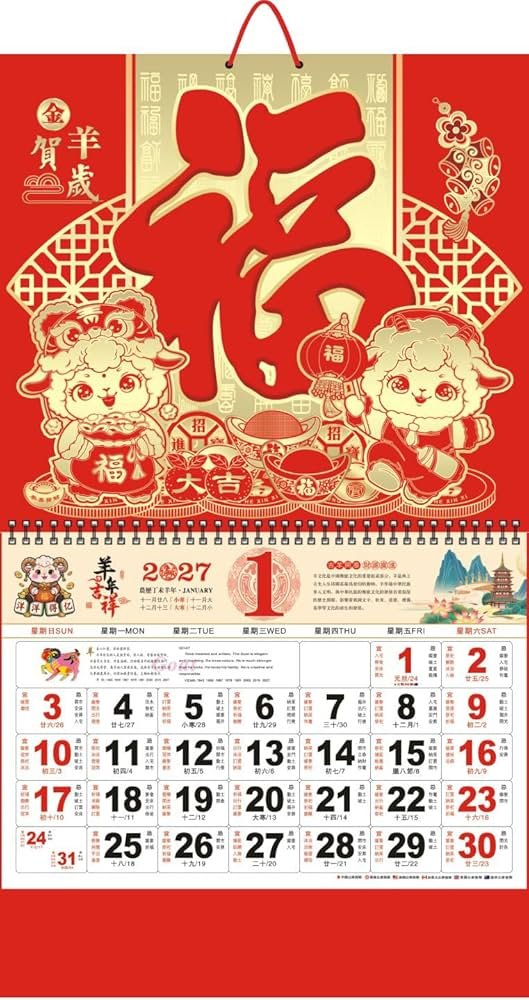
This sprawling cultural celebration isn’t just noise and color. It means business for markets and international merchants, as highlighted in the curated collection of themed calendars and decor on Amazon’s lunar calendar selections for 2027. The physical calendar remains a key household item, mixing tradition with day-to-day practicalities.
Why So Many People Still Follow the Chinese Lunar Calendar?
It’s tempting to think this calendar is just about ancient superstition or folklore. But in Asia and beyond, it’s a cornerstone for decisions — from marriage dates to business ventures, and farming. Consider the Thai-Chinese farmer on the outskirts of Bangkok who, every year, plants his crops post the lunar new year, believing it sets the tone for the entire season’s yield.
Moreover, demographics confirm strong adherence—Chinese communities in Malaysia, Singapore, and even in Western countries consult lunar dates alongside Western ones, effectively juggling two calendars to sync modern life with heritage.

Source: www.amazon.com
For scholars and curious minds, official papers and cultural archives by institutions such as the Encyclopedia Britannica provide rigorous information on this calendar’s evolution and significance.
FAQ: The Chinese Lunar Calendar 2027
When exactly is the Chinese New Year in 2027?
The Chinese New Year in 2027 is expected to fall on February 6, but it’s wise to check official astronomical updates closer to the date.
Why is 2027 called the Year of the Goat?
Years in the lunar cycle are represented by 12 zodiac animals. 2027 corresponds to the Goat, an animal symbolizing creativity, peace, and calm resilience.
How does the lunar calendar differ from the Gregorian calendar?
The Chinese Lunar Calendar is lunisolar, tracking both the moon’s phases and the solar year, while the Gregorian calendar is solely solar. This results in shifting lunar dates against fixed Gregorian dates.
Are the Lunar New Year celebrations the same everywhere in Asia?
Not exactly. Although similar themes prevail, countries add unique customs. For detailed insights, explore varied traditions across cultures from official sources like the Lunar New Year 2027 celebrations board.
Can I use a Chinese lunar calendar in daily life outside China?
Absolutely. Many people worldwide use it for cultural, agricultural, or astrological reasons. Digital apps and printed calendars, like those found on Amazon, make it easy to track alongside Western dates.
Disclaimer: All dates and information are based on the most recently available official sources and are subject to change. Always verify with the official institution website for the most current details.

Arlen Bernier specializes in creating high-resolution digital graphics and functional planning templates. With a passion for productivity, Jay designs printable calendars that help users organize their time effortlessly.