Introduction to Washing Machine Filters
Not all washing machines come with the same parts. One question many ask is, do all wash machines have a filter? In 2026, most washers have some form of filter or lint trap. These parts stop lint, debris, and small items from harming the machine’s pump or drainage system.
Understanding washing machine filters is key to good washing machine maintenance. For a deeper understanding of this mechanic, analyzing resources on do all washing machines have filters provides excellent foundational context.
Filters help keep machines running smoothly and clothes cleaner by catching fabric lint and debris early.
Types of Washing Machine Filters
Washing machine filters vary by type and location. The main types include lint traps, pump filters, debris filters, and water inlet filters. Each type plays a different role in the machine’s function.
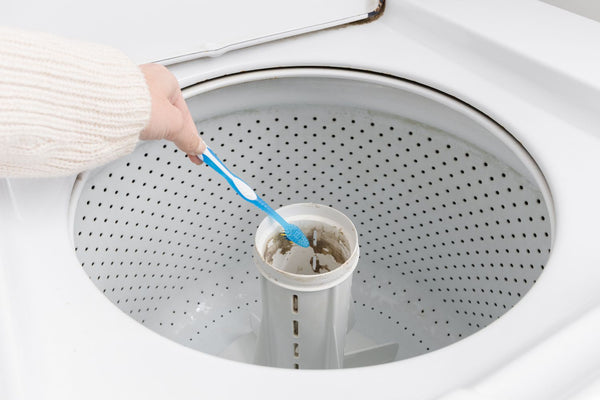
Front load washers often have a front load washer filter located near the pump. Top load washers may have a top load washer lint filter inside the drum or near the water inlet.
Some machines also include a washing machine hose filter that stops dirt from the water supply.
| Filter Type | Common Location | Purpose |
|---|---|---|
| Lint Trap | Inside Drum or Door Seal | Catches fabric lint and small threads |
| Washer Pump Filter | Near Pump at Bottom Front | Prevents debris from blocking pump |
| Water Inlet Filter | At Water Hose Connection | Filters debris from water supply |
Knowing the types helps in proper filter maintenance and cleaning.
Do Washing Machines Have Lint Traps?
Many washing machines include lint traps. These catch fabric lint during washing cycles. Lint traps stop lint from clogging the drainage system or pump.
However, some newer machines may not have a visible lint trap. Instead, they use advanced filterless technology to manage lint. These filterless washing machines rely on water flow and drum design to separate lint.
Still, lint traps remain common, especially in front load washers and many top load washers. For tips on how to clean these parts, see how to clean front loader washing machine filter.
The Purpose and Importance of Washing Machine Filters
Washing machine filters serve a vital purpose. They catch fabric lint and debris before these materials reach the pump or drainage system. This helps prevent clogging and damage.
Filters improve filter efficiency and keep water flow steady. Without a filter, lint and debris could cause drainage issues or stop water from flowing properly.
The importance of washing machine filters is clear in keeping machines working well and extending their life.
Signs of a Clogged Washing Machine Filter
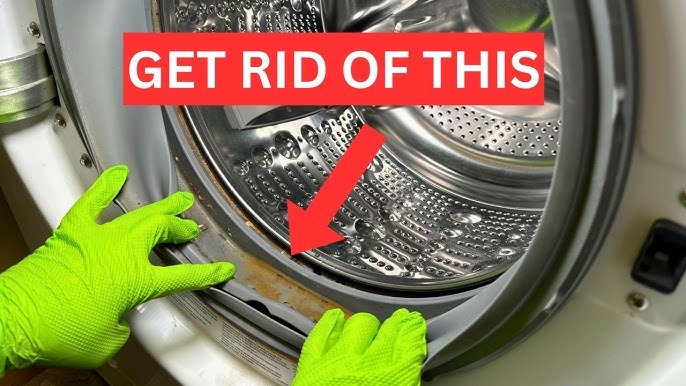
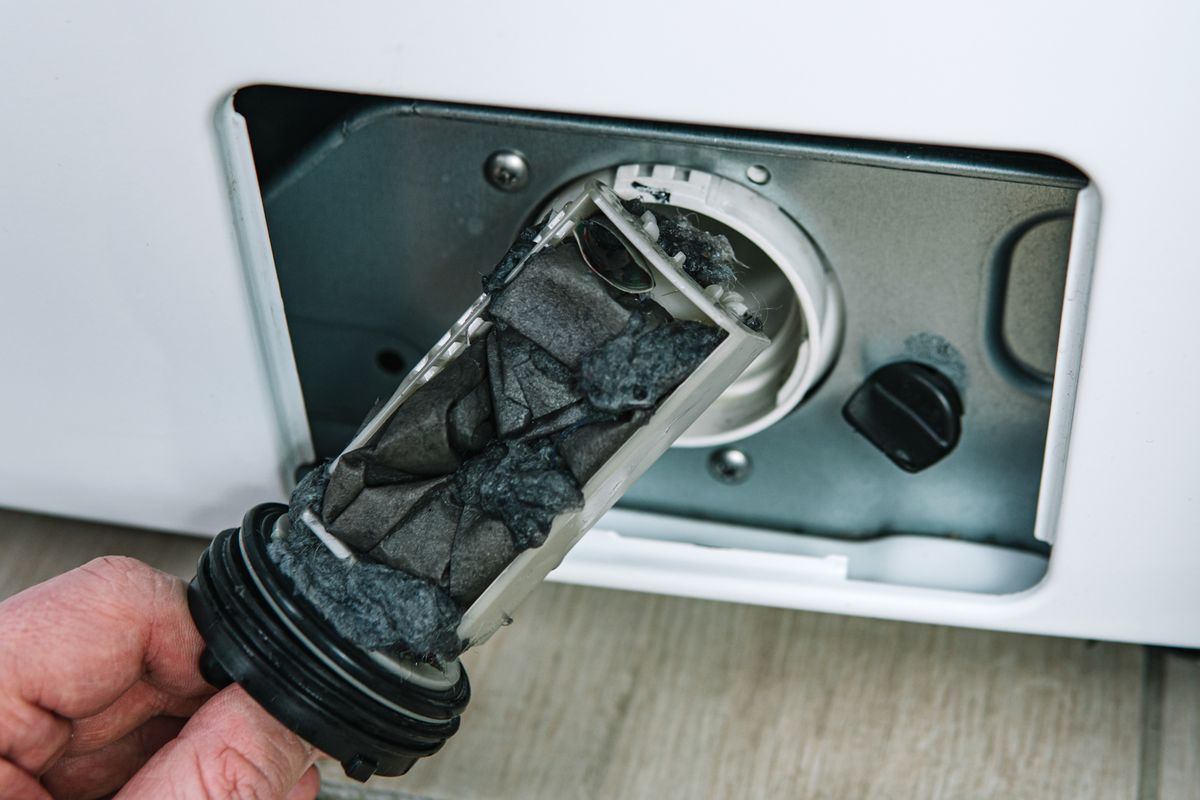
Clogged filters lead to many problems. Common signs include slow drainage, bad smells, and water leaks. Your washer may stop spinning or draining water fully.
Also, clothes may not rinse well if the filter is blocked. You might see lint or small debris left on clothes.
Ignoring these signs can worsen washing machine drainage issues and lead to costly repairs.
How to Clean a Washing Machine Filter
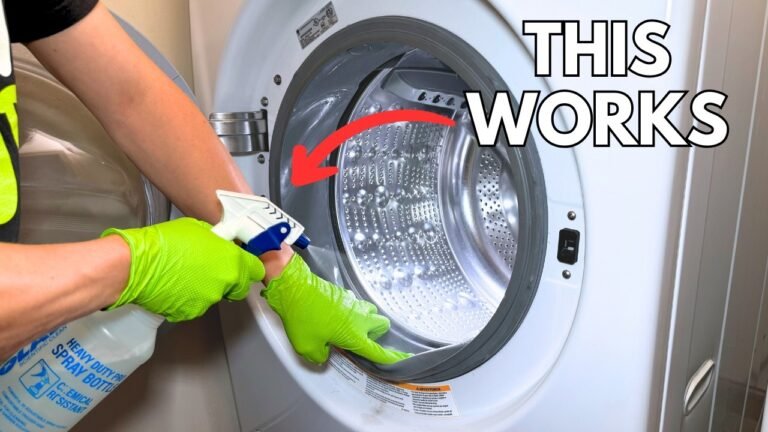
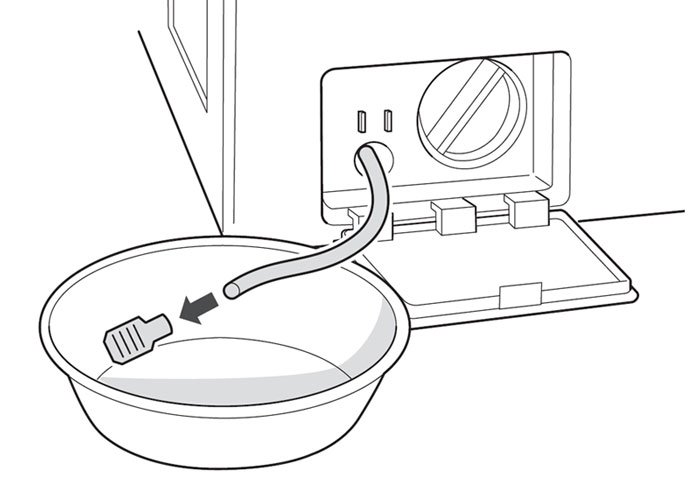
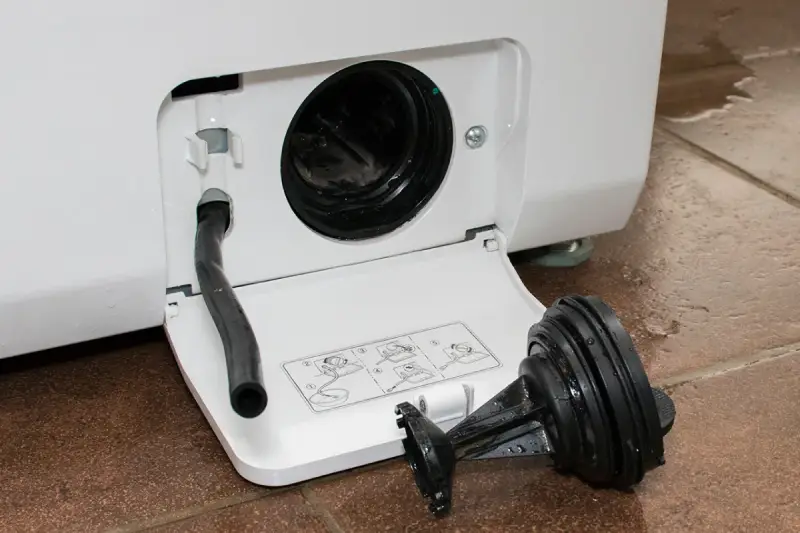
Cleaning the washer filter is simple with the right steps. First, unplug the machine and locate the filter, often near the pump at the front bottom.
Next, remove the filter cover and take out the filter. Clear out any lint, debris, or small objects. Rinse the filter under running water.
Put the filter back and close the cover. Run a short wash cycle to check for proper water flow.
For a full guide, watch The Best Way to Clean Your Washing Machine Filter!.
Regular washer filter cleaning keeps your machine running efficiently and avoids blockages.
Washing Machine Filter Maintenance Tips
Good maintenance extends your washing machine’s life. Check and clean filters every 1 to 3 months. Use gloves when cleaning to avoid dirt contact.
Always check the user manual for your specific model’s filter location and cleaning advice. Avoid ignoring small debris or lint buildup.
Also, maintain drainage hoses and water inlet filters to prevent further blockages.
Regular care helps avoid washing machine drainage issues and costly repairs later.
Filter Replacement and Advances in Filter Design
Filters do wear out over time. Signs you need replacement include cracks, tears, or poor fit. Replacing the filter ensures filter efficiency and stops leaks.
By 2026, filter design has improved. New filters use finer mesh and better materials to trap lint and debris. Some machines now have smart sensors to alert when filters need cleaning or replacement.
Always use manufacturer-approved replacement parts to maintain machine warranty and performance.
| Filter Feature | Old Design | 2026 Design |
|---|---|---|
| Mesh Size | Coarse | Fine for better lint capture |
| Material | Plastic | Durable, eco-friendly composites |
| Smart Alerts | No | Yes, cleaning & replacement alerts |
These advances make filters more effective and easier to maintain.
Comparison of Front Load and Top Load Washer Filters
Front load and top load washers differ in filter design and location. Front load washers often have accessible pump filters at the front. Top load washers may have lint filters inside the drum or near the water inlet.
Front load washer filters tend to be easier to access and clean. Top load washer lint filters may require more effort to reach or clean.
| Feature | Front Load Washer Filter | Top Load Washer Lint Filter |
|---|---|---|
| Filter Location | Near Pump, Front Bottom | Inside Drum or Water Inlet |
| Cleaning Ease | Easy Access | Moderate to Difficult |
| Lint Capture | High | Moderate |
Understanding these differences helps users maintain their washer filters better.
For more on top load washer filters, see how to clean LG washing machine filter top loader.
Conclusion
Not all washing machines have the same filter setup, but most do have some kind of filter or lint trap. These parts play an important role in catching lint and debris to protect the pump and drainage system.
Regular washer filter cleaning and maintenance can prevent common problems like drainage issues and clogs. Newer filter designs and smart alerts in 2026 make this easier than ever.
Knowing your washer type and filter location helps keep your machine working well for years. Filters are small parts with a big job, proving their importance in washing machine care.
For more expert advice on washing machine care, explore our guide on can you wash on clouds in the washing machine.
Frequently Asked Questions
Do all washing machines have lint traps?
Most modern washing machines do have lint traps or filters designed to catch debris and fabric lint to protect the drainage system.
What is the purpose of a washing machine filter?
The filter’s main purpose is to catch lint, debris, and small objects to prevent clogging and damage to the pump and drainage.
How often should I clean the washing machine filter?
Cleaning frequency depends on use, but experts recommend checking and cleaning the filter every 1 to 3 months to avoid blockages.
Can a clogged filter cause drainage issues?
Yes, filter blockage can reduce water flow and cause slow drainage or machine malfunctions.
Are there washing machines without filters?
Yes, some newer ‘filterless washing machines’ exist, but they rely on advanced technology to prevent lint buildup.

Keith Boyd Is A Seasoned Appliance Care Expert With Over A Decade Of Experience In Home Appliance Maintenance. His Authoritative Insights On Washing Machine Care And Upkeep Are Trusted By Homeowners Nationwide. With A Passion For Educating Others, Keith Shares Valuable Tips That Ensure Your Appliances Run Smoothly For Years To Come.