Why Clean Your Washing Machine With Vinegar?
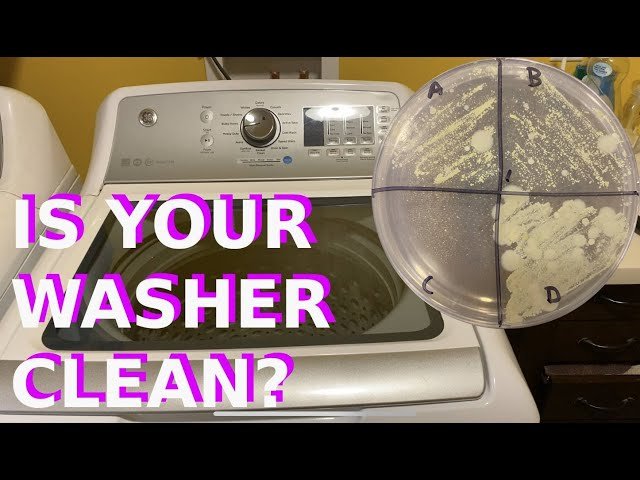
Washing machines get dirty over time. Soap scum, mold. And odors build up inside the drum and parts like the detergent drawer and rubber gasket. Using white vinegar helps break down these residues and fights mold naturally. Vinegar is a safe, natural cleaning agent that also helps descale machines affected by hard water.
Industry consensus highlights vinegar’s effectiveness for washing machine hygiene. It removes grime without harsh chemicals, which can harm the machine or environment. Vinegar also eliminates washing machine odor, keeping laundry fresh.
For a deeper understanding of this mechanic, analyzing resources on vinegar washing machine cleaning provides excellent foundational context.
Cleaning your washer regularly extends its lifespan and improves washing results. Follow this washing machine maintenance guide for safe, natural cleaning.
Materials Needed for Vinegar Washing Machine Cleaning
To clean your washing machine with vinegar, gather these items:
• White vinegar (about 2 cups)
• Baking soda (optional, 1/2 cup)
• Soft cloth or sponge
• Old toothbrush for scrubbing
• Gloves to protect your hands
These simple materials are safe and easy to find. Vinegar and baking soda together create a powerful cleanser that removes soap scum and mold.
How To Clean Top Load Washing Machine With Vinegar
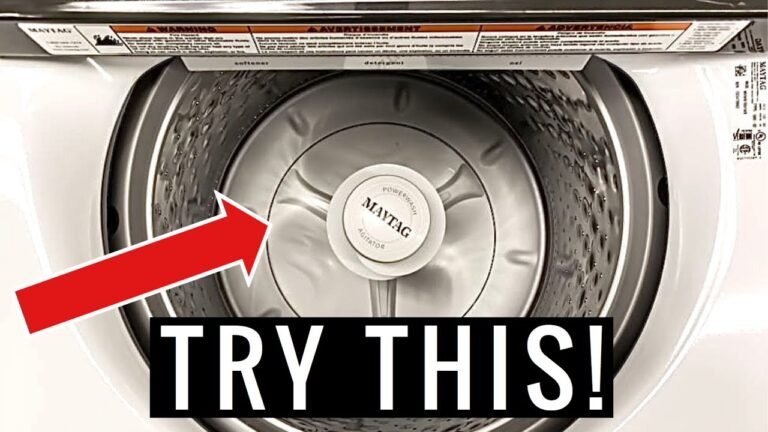
Start by setting your top load washer to the hottest water setting and the largest load size. Pour 2 cups of white vinegar directly into the drum. Let the machine fill with water and run the wash cycle for a few minutes to mix the vinegar.
Pause the cycle and let the vinegar water sit for one hour. This soak helps break down soap scum and mildew inside the drum and agitator. After the hour, add 1/2 cup of baking soda and restart the cycle to complete the wash and rinse.
Wipe down the inside drum, the lid. And the rubber seal using a cloth soaked in vinegar. This step helps remove mold and mildew buildup that causes odors.
Cleaning the lint filter and detergent dispenser is also important. Remove any leftover detergent or fabric softener residue for better washing machine hygiene.
How To Clean Front Load Washing Machine With Vinegar
Front load washers often develop mold around the rubber gasket and detergent drawer. Cleaning these areas is key to preventing mildew and odors.
Start by wiping the rubber gasket with a cloth soaked in undiluted white vinegar. Use an old toothbrush to scrub any mold spots gently. Remove and clean the detergent drawer with vinegar and warm water to eliminate laundry detergent residue.
Next, pour 2 cups of white vinegar into the detergent dispenser and run the machine on a hot cleaning cycle. Let the vinegar work to descale and sanitize the washing machine drum and internal pipes.
After the cycle, leave the door open to let the drum dry completely. This practice helps prevent washing machine mildew and odor buildup.
Maintaining this routine every few months keeps your front loader fresh and mold-free.
Prevent Washing Machine Mildew and Odor
Preventing mold and odors means regular cleaning and good habits. Always use the right amount of laundry detergent to avoid excess residue. Using hot water settings occasionally helps kill bacteria and removes buildup.
Keep the drum and rubber gasket dry when not in use by leaving the door open. Clean the detergent drawer and lint filter monthly to avoid clogging and soap scum buildup.
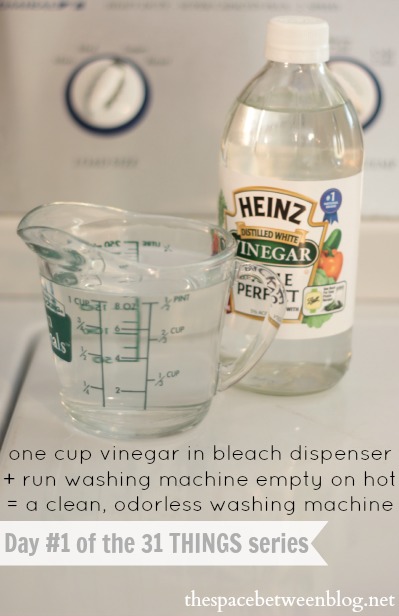
Following these washing machine hygiene tips helps maintain your appliance’s lifespan and keeps laundry smelling fresh.
If you want to learn more about balancing your washing machine for better cleaning, check out this helpful guide on how to balance washing machine.
📌 Step-by-Step Guide to Clean Your Washing Machine With Vinegar
- Remove any clothes from the washer.
- Set the washer to the hottest water setting and the largest load size.
- Pour 2 cups of white vinegar into the drum or detergent dispenser.
- Start the wash cycle and let it run for a few minutes.
- Pause the cycle and let the vinegar water soak for 1 hour.
- Add 1/2 cup of baking soda (optional) and resume the cycle.
- After the cycle ends, wipe the drum, rubber gasket. And detergent drawer with vinegar.
- Leave the door open to air dry the machine.
This simple method cleans, deodorizes. And helps descale your washing machine naturally.
Common Areas To Focus On When Cleaning Your Washer
Cleaning your washing machine thoroughly means focusing on these key parts:
- ✅ Washing machine drum — remove soap scum and buildup inside.
- ✅ Rubber gasket — clean mold and mildew from the seal area.
- ✅ Detergent dispenser — clear laundry detergent residue and softener buildup.
- ✅ Lint filter — empty and rinse regularly to maintain drainage.
Each area contributes to the overall hygiene and performance of your washer.
⚖️ Vinegar Vs Commercial Washing Machine Cleaners
| Factor | Vinegar | Commercial Cleaners |
|---|---|---|
| Cost | Low, easy to find | Higher price |
| Safety | Natural, non-toxic | May contain harsh chemicals |
| Effectiveness | Good for mild buildup and odors | Targeted for tough stains and scale |
| Environmental Impact | Eco-friendly | Varies by product |
Choosing the right cleaner depends on your needs. Vinegar is excellent for regular maintenance and mild cleaning.
For more tips on cleaning top load washers, explore the guide on how to clean top loading washing machine.
✅ Tips To Maintain Your Washing Machine Clean
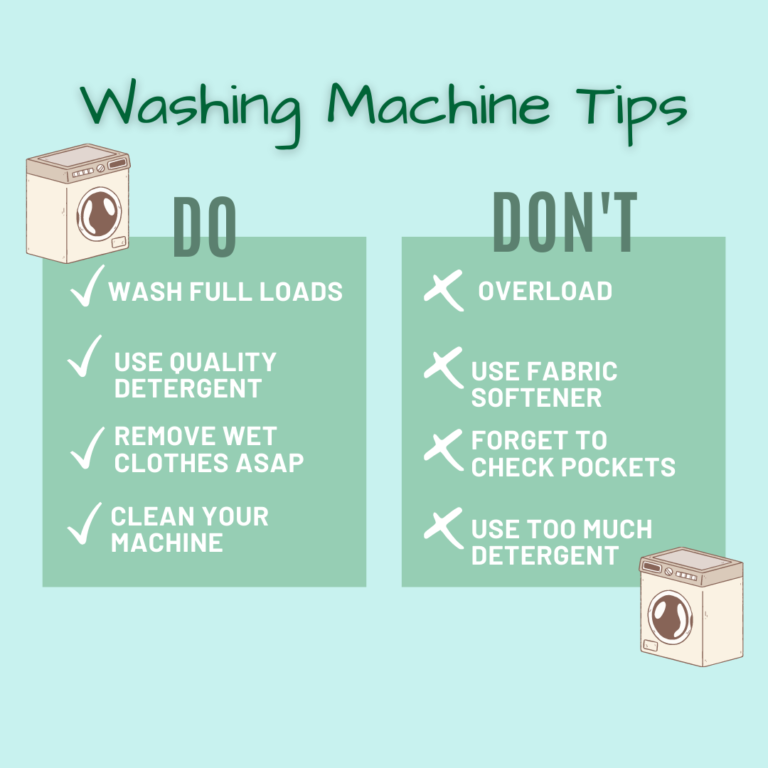
- Clean your washing machine every 1-3 months.
- Use hot water cycles regularly to reduce buildup.
- Leave the door open after use to dry out the drum.
- Wipe the rubber gasket weekly to prevent mold.
- Remove and clean the detergent drawer monthly.
- Use the correct amount of detergent to avoid soap scum.
Regular care helps prevent odors and mold and keeps your washer working efficiently.
📑 Quick Facts About Washing Machine Cleaning
| Fact | Detail |
|---|---|
| Common Causes of Odors | Mold, mildew. And soap scum buildup |
| Best Natural Cleaner | White vinegar combined with baking soda |
| Cleaning Frequency | Every 1 to 3 months recommended |
| Hot Water Use | Helps kill bacteria and dissolve residue |
| Air Drying | Prevents mold by drying drum and gasket |
These facts highlight the key points for maintaining washing machine hygiene naturally and effectively.
Conclusion: Clean Your Washing Machine With Vinegar For Lasting Freshness
Cleaning your washing machine with white vinegar is a simple and natural way to remove mold, soap scum. And odors. It is safe for both front load and top load washers and helps maintain a clean washing machine drum and rubber gasket.
Regular maintenance using vinegar and baking soda prolongs your machine’s lifespan and improves washing results. Remember to dry your washer well and clean detergent drawers to prevent mildew buildup.
For expert advice on keeping your washing machine balanced, see the detailed tips on balancing washing machines. With these simple cleaning steps, your washing machine will stay fresh and efficient for years to come. 🚀
Frequently Asked Questions
Can vinegar damage my washing machine?
Using white vinegar in recommended amounts is safe for most washing machines. It helps remove buildup and odors without harming parts.
How often should I clean my washing machine with vinegar?
Cleaning your washing machine every 1 to 3 months with vinegar can prevent mold, mildew, and soap scum buildup.
Can vinegar remove mold from the rubber gasket?
Yes, vinegar is effective for cleaning mold from the rubber gasket. Use a cloth soaked in vinegar to wipe the gasket thoroughly.
Should I clean front load and top load washers differently with vinegar?
Both types can be cleaned with vinegar, but front loaders need extra care around the drum seal and detergent drawer to remove mold.
Is vinegar better than commercial washing machine cleaners?
Vinegar is a natural, safe cleaning agent that works well for maintenance. However, some commercial cleaners may target specific issues better.

Michael Peterson is a home appliance writer focused on practical washing machine care, maintenance, and troubleshooting. He shares simple, reliable tips to help readers keep their washing machines running efficiently, avoid common problems, and extend appliance life.