Introduction to Washing Towels Properly
Washing towels right is key for keeping them soft and clean. Towels often hold moisture and dirt, which can cause odor and wear. Using the correct washing machine settings, detergent, and drying methods helps maintain towel quality. This guide explains the best towel washing practices for 2026. For detailed machine cleaning tips, see our guide on how to wash towels washing machine.
Choosing the right method protects towel fibers and extends their life. Towels come in many fabric types like cotton and microfiber, so settings may vary. Let’s explore how to wash towels with the right temperature, detergent, and care.
Washing Machine Settings for Towels
Use a warm or hot water temperature to clean towels well. Hot water kills germs and removes oils, but check your towel’s fabric type first. Cotton towels usually handle hot water, while delicate microfiber towels need cooler settings.
Choose a regular or heavy-duty laundry cycle. These cycles use enough agitation to clean thick towel fibers. Avoid very short or gentle cycles as they might not clean towels fully. Adjust the spin cycle to a medium or high speed to remove excess water.
Make sure not to overload the washing machine. Towels need space to move for thorough cleaning and rinsing. Overloading can cause uneven washing and increase wear on fibers.
| Setting | Recommended Option | Reason |
|---|---|---|
| Water Temperature | Warm or Hot (40-60°C) | Kills germs and removes oils |
| Laundry Cycle | Regular/Heavy Duty | Effective cleaning of thick fibers |
| Spin Speed | Medium to High | Removes water, reduces drying time |
| Load Size | Medium (not overloaded) | Allows proper agitation and rinsing |
Using the right settings improves towel freshness and softness. Remember to clean your washing machine regularly to avoid buildup that can transfer odors to towels.
Best Detergent for Towels
Select a detergent designed for heavy fabrics and scent-free if you have sensitive skin. Detergents with enzymes work well to break down oils and dirt in towel fibers. Avoid too much detergent, as excess soap can build up and make towels stiff.
Use the recommended detergent amount based on your load size and water hardness. Too little detergent won’t clean well, while too much leaves residue. For a deeper understanding of detergent use, analyzing resources on towel care guide provides excellent foundational context.
For odor removal, add half a cup of white vinegar during the rinse cycle occasionally. It helps break down buildup and soften towels without fabric softener.
How Often and What Temperature to Wash Towels
Wash towels every 3 to 4 uses to keep them hygienic and fresh. Frequent washing prevents bacteria and mildew growth, which cause bad smells.
Hot water (around 60°C) is best for cotton towels to kill germs. For delicate towel fabrics, use warm water to protect fibers. Using hot water regularly can wear towels faster, so alternate with warm water washes.
Always check towel labels for exact washing temperature recommendations.
:max_bytes(150000):strip_icc()/how-to-wash-towels-01-5665690-90548468a8ba4e868d4baf22cb129a9e.jpg "How to Wash Towels to Keep Them Soft and Smelling Fresh (Figure)")
Towel Care Tips to Prevent Wear and Odor
Dry towels properly to avoid mildew and odor. Shake towels out before drying to fluff fibers. Use a dryer on medium heat with dryer balls to keep towels soft and reduce static.
Avoid dryer sheets as they can coat fibers and reduce absorbency. If you want softness without fabric softener, add baking soda in the wash or use white vinegar in the rinse.
Remove stains quickly using a mild stain remover before washing. For stubborn stains, soak towels in warm water with detergent before machine washing.
Regularly clean your washing machine’s lint trap to prevent lint buildup on towels.
Laundry Cycle and Load Size for Towels
Use a full but not overloaded washing machine load for towels. This lets water and detergent reach all fibers well. A medium load size is ideal.
Choose a cycle with enough agitation and rinse time, like cotton or heavy-duty cycle. This ensures dirt and soap are fully removed, preventing buildup that causes stiffness and odors.
Spin towels at medium to high speed to reduce drying time but avoid damaging fibers by excessive spinning.
| Cycle Type | Load Size | Spin Speed |
|---|---|---|
| Heavy Duty | Medium | High |
| Cotton | Medium | Medium to High |
| Delicate | Small | Low |
Proper cycle choice and load size help towels last longer and stay fluffy.
Towel Fabric Types and Their Washing Needs
Cotton towels are the most common and can handle hot water and high spin. Microfiber towels are softer and dry faster but need cooler water and gentle cycles.
Egyptian and Turkish cotton towels are high quality and require gentle washing to protect their fibers. Avoid bleach and harsh detergents on these.
Blended towels with synthetic fibers need moderate temperatures and mild detergent.
Always read towel care labels before washing.

Drying Towels Properly for Softness and Longevity
Dry towels in the dryer on medium heat with dryer balls to keep them soft. Avoid over-drying as it breaks down fibers. Take towels out as soon as the cycle ends and shake them to fluff fibers.
Air drying towels outside in sunlight helps kill bacteria naturally but can make towels stiff. If air drying, shake towels before folding.
Do not use dryer sheets with towels as they reduce absorbency.
Fluff towels occasionally when partially dry to restore softness.
Towel Washing Hacks for Odor Removal and Softness
To remove towel odor, wash with hot water and add half a cup of white vinegar or baking soda. These natural boosters break down buildup that causes smells.
Use less detergent than usual to avoid residue. Avoid fabric softeners.
Try adding a tennis ball or dryer balls in the dryer to help fluff towels.
Wash towels separately from other laundry to prevent lint transfer.
Cleaning your washing machine regularly helps keep towels fresh.
Preventing Towel Wear and Tear
Use gentle cycles for delicate towels and avoid high heat drying. Overloading the washer can cause friction and damage towel fibers.
:max_bytes(150000):strip_icc()/SPR-how-to-wash-towels-7486882-Step-02-85e6537ec66c43ea8db058454c57b3bc.jpg "How to Wash Towels in 3 Easy Steps (Figure)")
Remove stains quickly to avoid setting. Avoid bleach unless towels are white and bleach-safe.
Store towels in a dry, well-ventilated place to prevent mildew.
Rotate towel use to reduce wear on any one towel.
Environmentally Friendly Towel Washing Tips
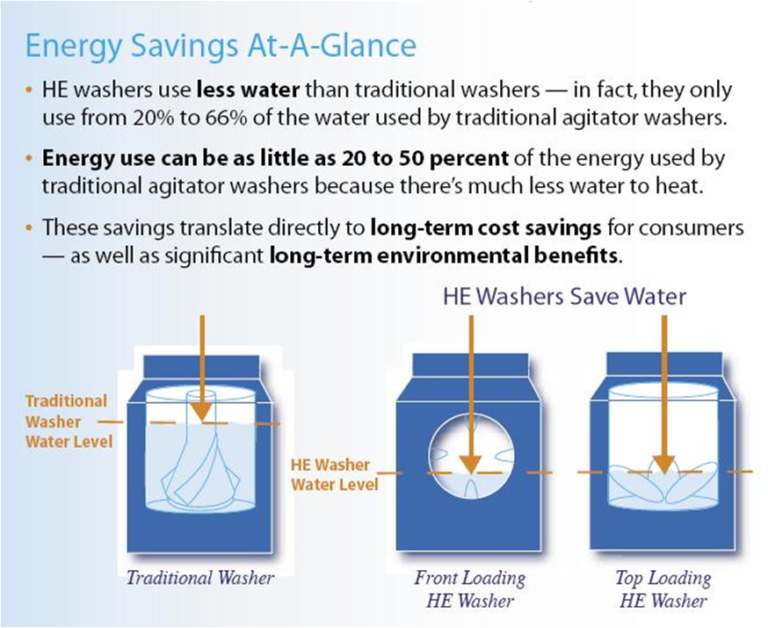
Use cold or warm water when possible to save energy. Choose detergents that are eco-friendly and biodegradable.
Wash full loads to reduce water use. Skip fabric softener and dryer sheets to cut chemical waste.
Line dry towels when weather allows to save electricity.
Regular washing machine maintenance improves efficiency and reduces energy waste.
| Eco Tip | Benefit |
|---|---|
| Use cold or warm water | Reduces energy use |
| Wash full loads | Saves water and detergent |
| Choose eco detergents | Less chemical pollution |
| Air dry towels | Reduces electricity use |
Being mindful of the environment helps protect resources while keeping towels clean and fresh.
Conclusion: Mastering Towel Washing in Your Machine
Good towel care starts with choosing the right washing machine settings. Use warm or hot water for most towels, select proper cycles, and avoid overloading. The best detergent is one that cleans well without leaving residue.
Wash towels every few uses and dry them properly for softness and odor control. Avoid fabric softeners and dryer sheets to maintain towel absorbency. Use natural hacks like vinegar and baking soda for odor removal and softness.
Understanding towel fabric types helps you protect fibers and prolong towel life. Finally, follow eco-friendly washing tips to save energy and water. For more on caring for your laundry appliances, see our expert guide on how do you clean electrolux.
By following these best towel washing practices, your towels will stay clean, soft, and fresh longer in 2026 and beyond.
Frequently Asked Questions
What is the best washing temperature for towels?
Hot water is usually best to kill bacteria and remove oils, but always check your towel’s care label to avoid damage.
How often should towels be washed?
Towels should be washed after 3 to 4 uses to prevent buildup of bacteria and odors.
Can I use fabric softener on towels?
Using fabric softener often can reduce towel absorbency. Instead, try towel softening hacks without softener.
How do I remove odor from towels?
Wash towels in hot water with the right detergent and occasionally add white vinegar or baking soda to eliminate odors.
Is it better to dry towels in the dryer or air dry?
Towels dry fastest in the dryer and become fluffy, but air drying in sunlight helps prevent bacteria and mildew.

Michael Peterson is a home appliance writer focused on practical washing machine care, maintenance, and troubleshooting. He shares simple, reliable tips to help readers keep their washing machines running efficiently, avoid common problems, and extend appliance life.